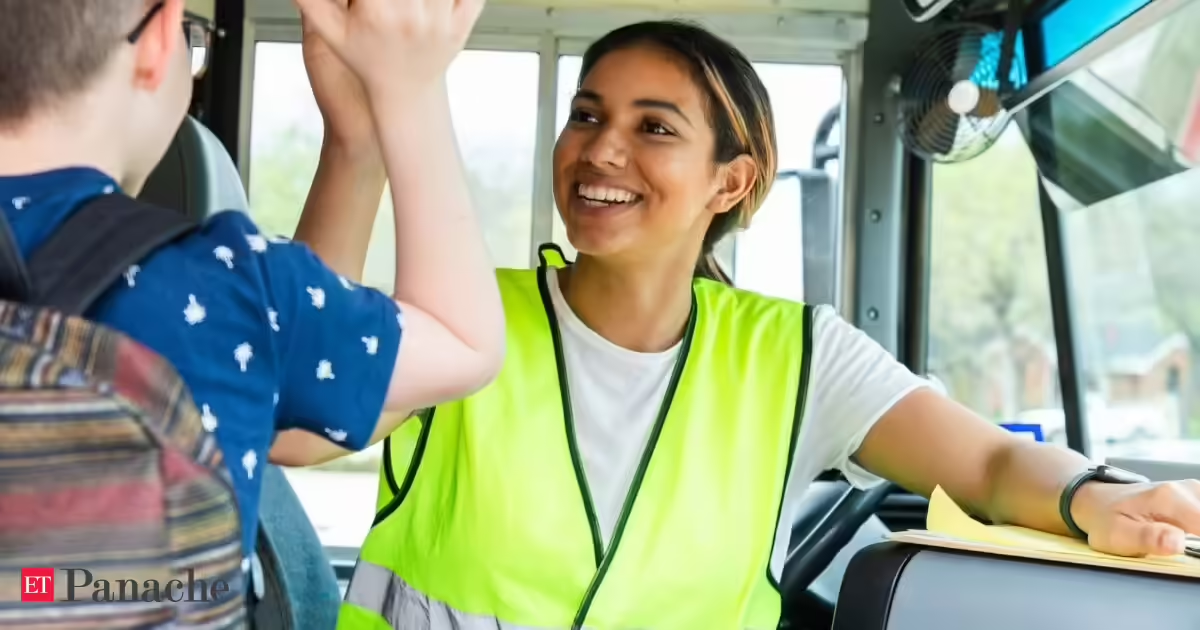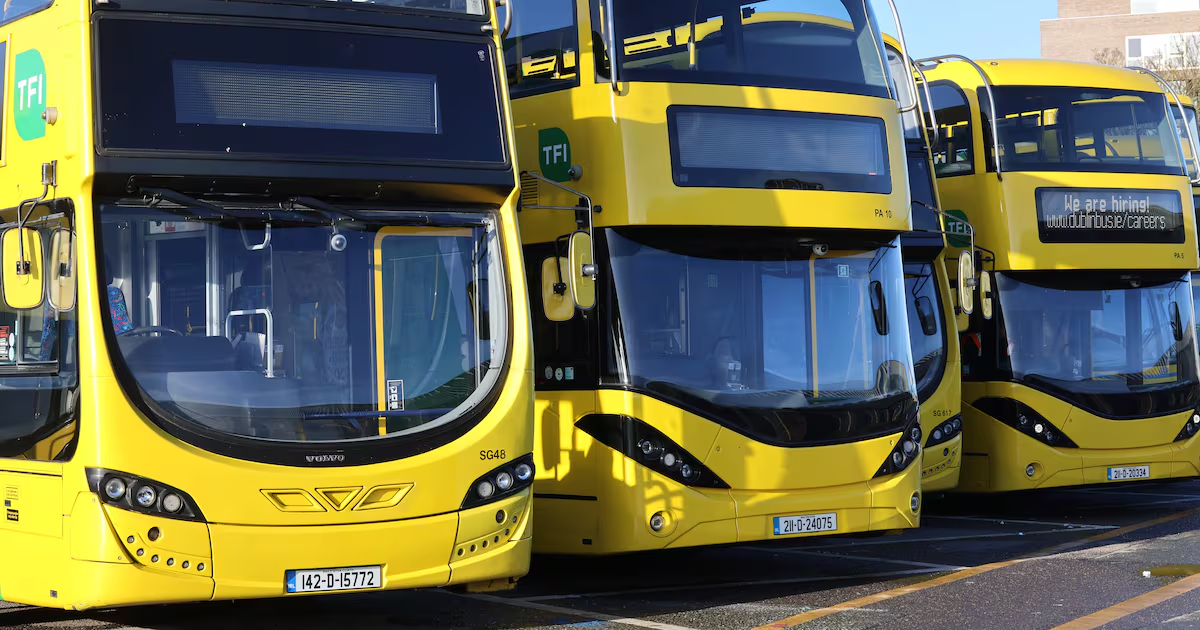
The day buses in Ireland started using central doors is the day an important and implied social contract started its decline. For decades we had been unselfconsciously muttering our thanks to the driver as we exited past them. It was rarely commented on; rather, it felt innate. When exiting via central doors was introduced, we were faced with a dilemma. The instinct to thank remains but being forced to roar the thanks up to the front of the bus, where the driver might not even hear it, presents a problem of performance. Where previously the practice had been an intimate display of manners, now it has become a bit of a hokey routine, not helped by every piece of advice for tourists to Ireland on the internet implying that not thanking the bus driver is punishable by death. I lost confidence in the big-picture social contract – that citizens agree to pay taxes and try to obey the law of the land in exchange for the decent provision of housing, healthcare, social welfare and standards of living by the government – some time ago. However, I’m grateful there are micro-agreements we continue to maintain here in Ireland on a local and national level that uphold decency and manners. There are the obvious ones born out of our sometimes problematic drinking culture: standing your round, telling the bar staff the lad next to you was actually there first, mentioning Guinness at the top of the order so the pint can go on immediately. There are the ones that more keenly demonstrate the urban/rural divide. The practice of giving a little wave when you pass another vehicle is more common the farther away you get from the Pale. In some places it’s a flick of the finger, in others it’s a more flamboyant showing of the back of the hand. I’ve seen this demonstrated most aggressively on the roads of Donegal. Use of the front door is also strictly limited in many parts of Ireland. When I was growing up, I had a friend whose family didn’t even know where the key for the front door was, as it was only there for decoration and never, ever in use. When my dad was nearing the end of his life it became of paramount importance to give the front door a facelift and a new coat of paint, as a wake and a funeral meant it would be receiving visitors in its official capacity as a front door and needed to look its best. Most neighbours would use the back door for day-to-day business and often wouldn’t even knock. We’re socially contracted as a people to remain deeply inured against receiving praise. If someone compliments your outfit it’s traditional for the initial reply to be along the lines of:“Oh, this hideous old rag? I just found it wrapped around a bog body and threw it on. I don’t know how I haven’t been arrested.” When the admirer persists, you can then move on to detailing where it was purchased and for how much, while continuing to insist that it’s no better than wearing a bin bag. Only on the third and final round can you grudgingly accept the praise and mutter “thanks”. Important to note that if you’re wearing a dress it’s vital to point out if the garment has pockets. If what you’re wearing is reversible you should open every conversation with that, irrespective of whether you’ve received a compliment or not. Code switching – changing vocabulary, language, dialect or accent depending on context – is part of the rich tapestry of Irish linguistics. We throw in cúpla focal in everyday speech; múinteoir, leabhar, siopa, mála, slán would be in common usage for me. It’s also so lovely to hear immigrants adopt Irish turns of phrase like “grand” and “thanks a million” and the ever-present soft T and mix them with their own languages and accents. We code switch depending on location too. A conversation in the local bar in Tipperary or Cavan with friends might sound a lot different from one in a Dublin setting, and it is an unspoken rule that any slagging over such switching must not expose or embarrass the speaker. Sometimes you just need to use a different voice, and it is deeply unsound not to respect that. To go back to the buses, I’m grateful for the few who still manage to pull off a thanks to the driver with panache. I try to mitigate my guilt for not saying it by forcing eye contact and a big friendly smile when I board instead. If the driver engages, they’re getting an enthusiastic “hello” too. I can’t help it. It’s in my blood.
Emer McLysaght: In Ireland we have essential micro-agreements to uphold decency
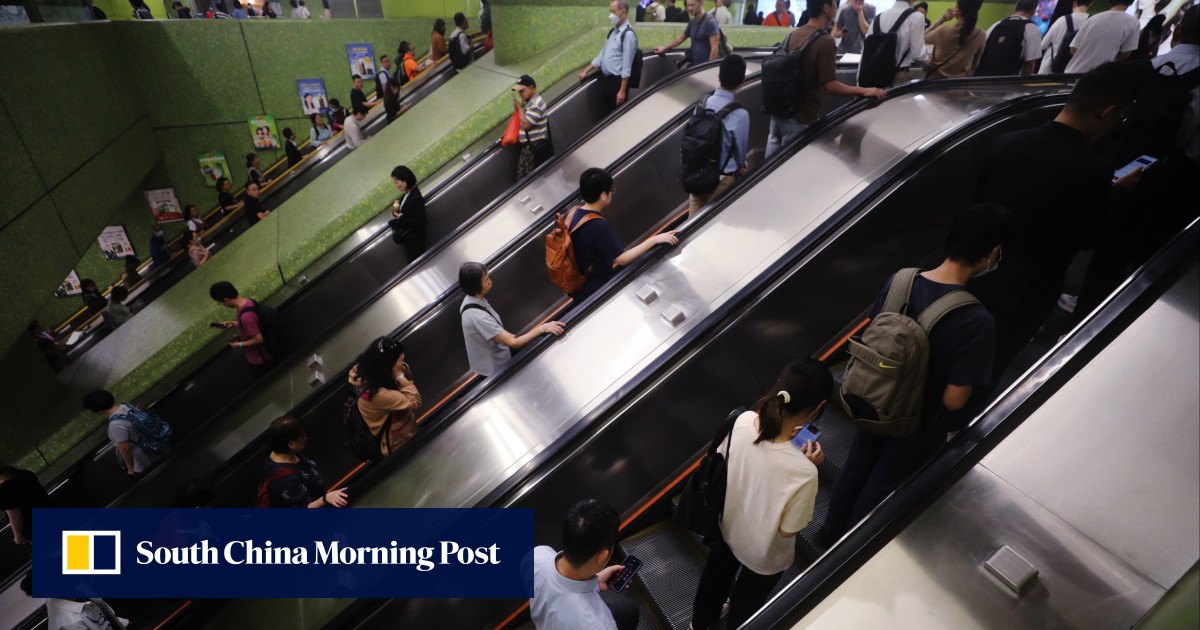
I’m grateful for the few people who still manage to pull off a thanks with panache despite exiting via the central doors
786 words~4 min read