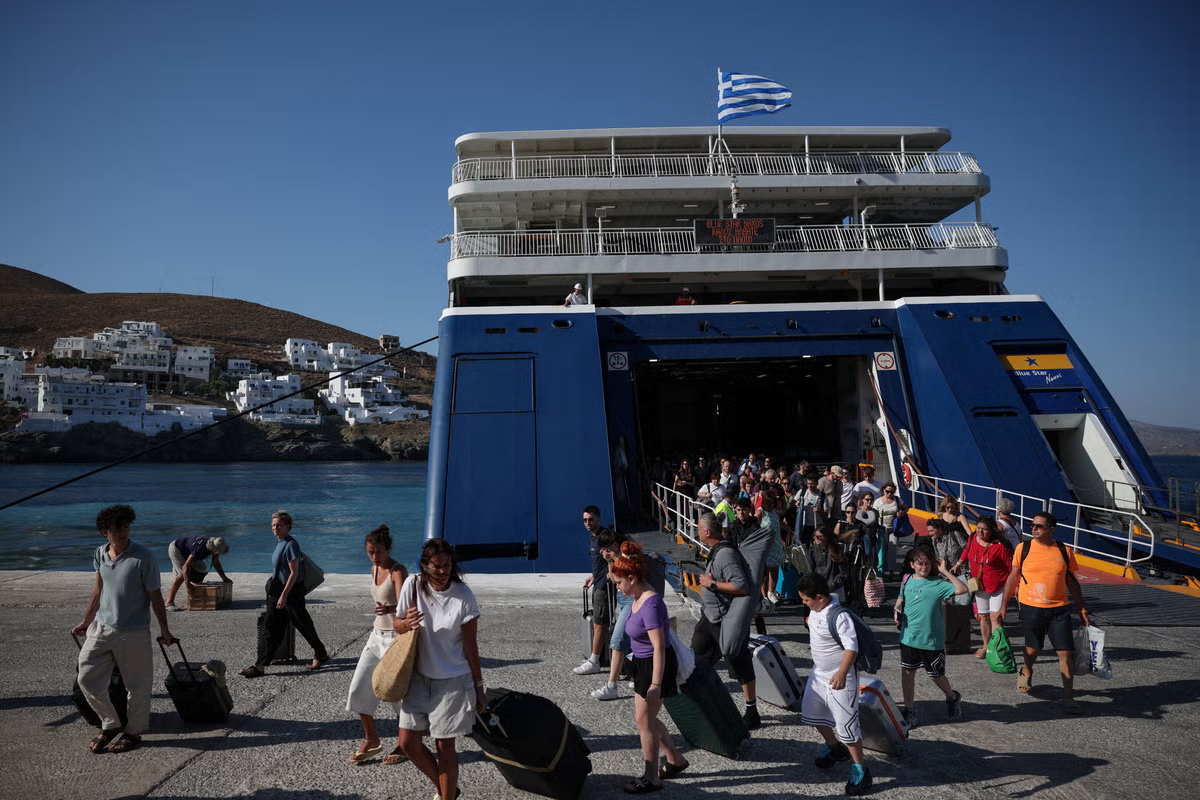
After three years of scarce rainfall, wetter conditions this year have brought relief to many islands in the Aegean Sea. But officials say the improved weather has not resolved deeper challenges linked to rising water demand, aging infrastructure and the growing reliance on desalination.
In the past, a rainy year could replenish underground and surface water reserves sufficiently for islands to cope for one or even two additional years. Officials say that is no longer the case. Rapid growth in tourism has sharply increased water consumption while placing additional strain on outdated water systems. Permanent populations on many islands have also grown.
As a result, municipalities across the Aegean are increasingly turning to desalination plants, a solution that offers clear benefits but also drawbacks.
“This year the situation was completely different,” said Manolis Koutoulakis, who served as secretary-general for Aegean and island policy from 2021 until recently. “In 2024, we had 25 to 30 islands experiencing intense pressure from drought, while this year we have three to four.”
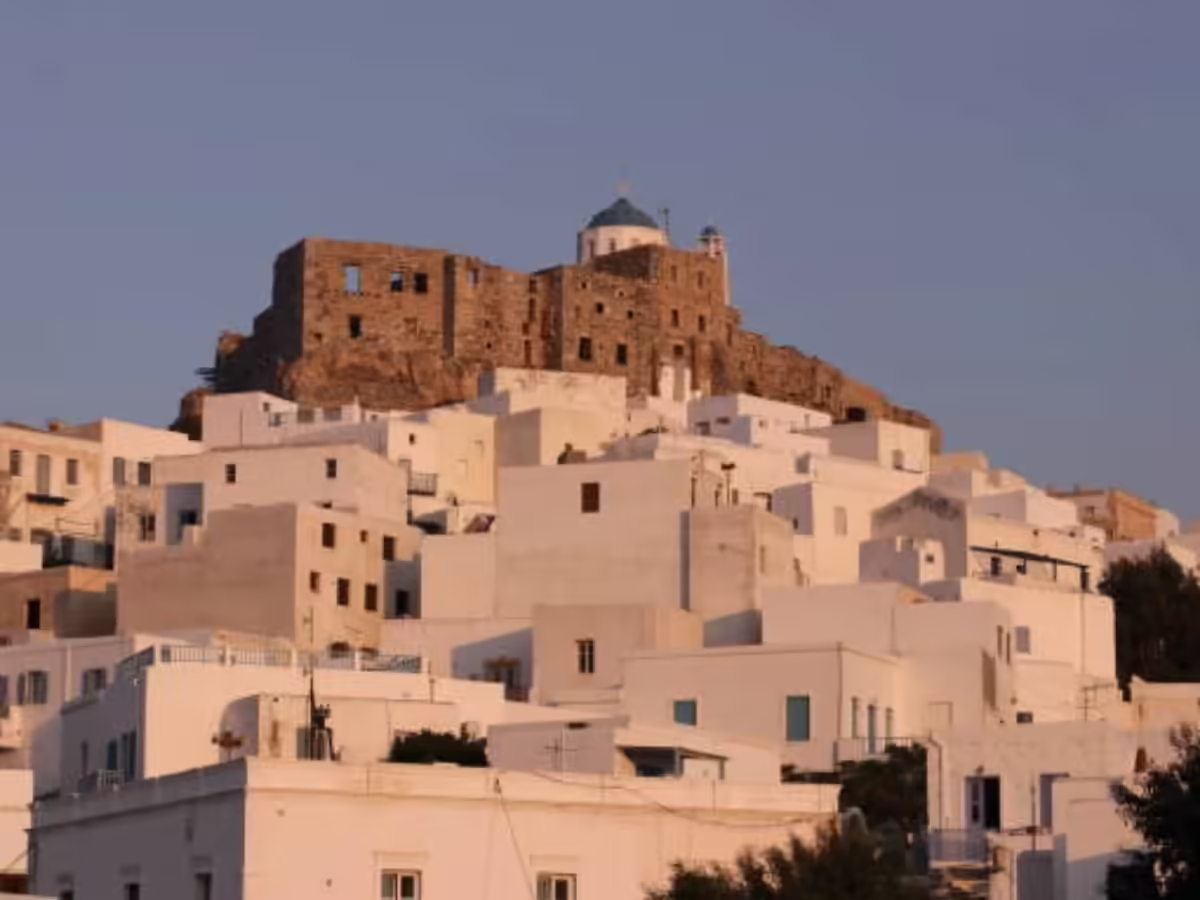
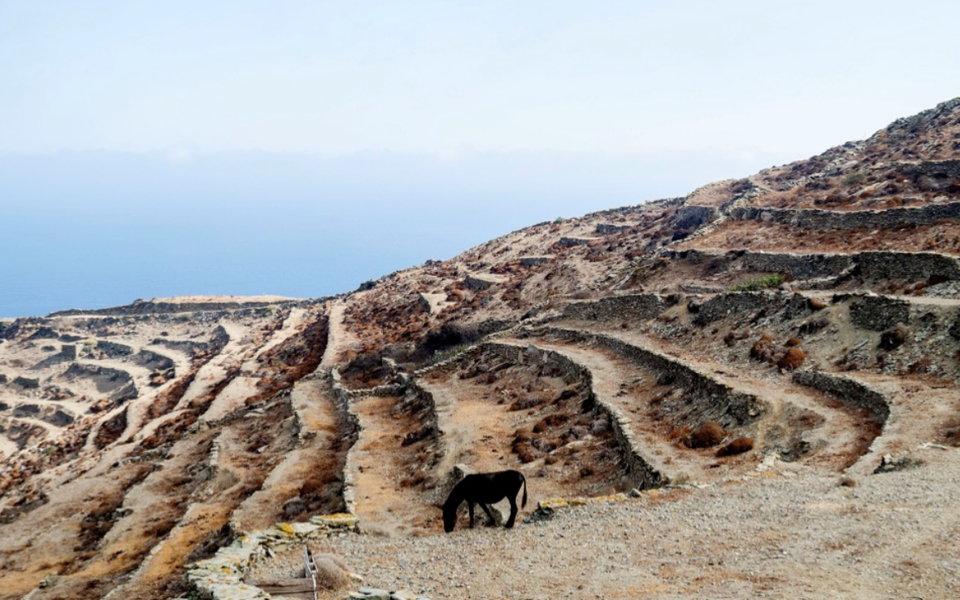
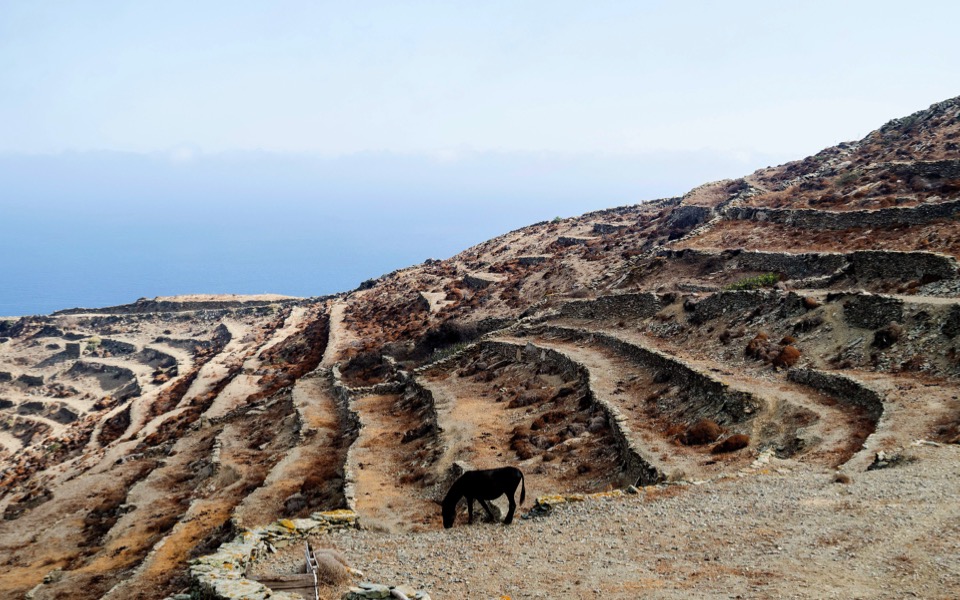
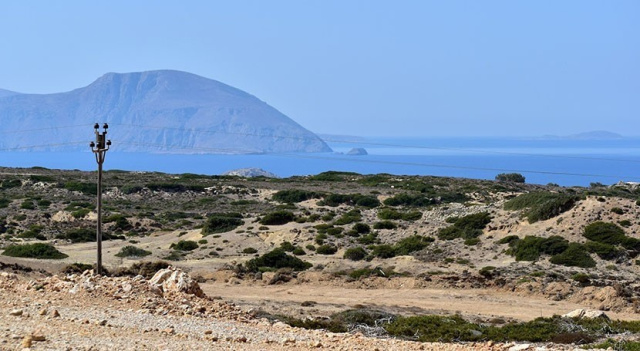
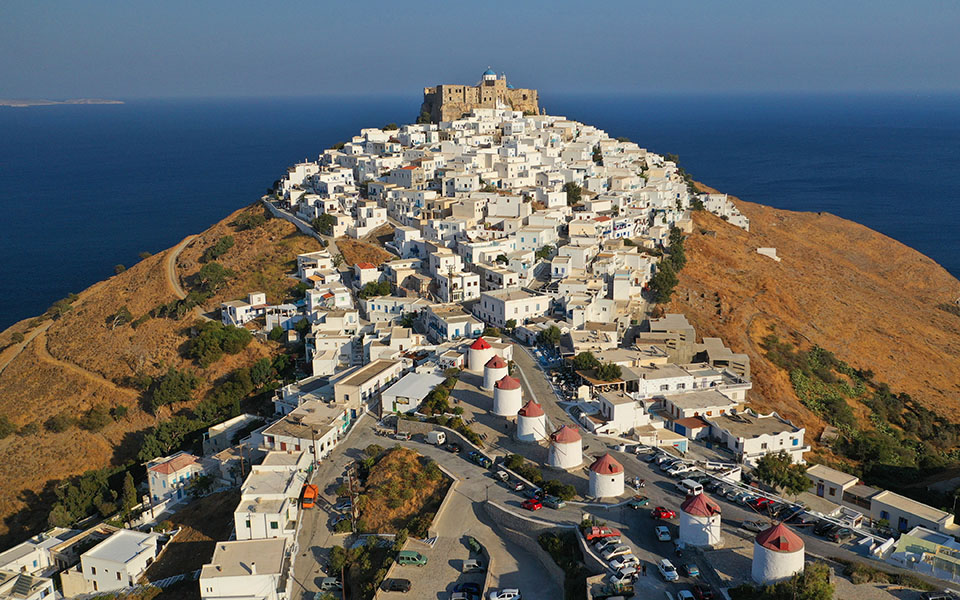
According to Koutoulakis, declarations of emergency due to water scarcity have been limited this year and are largely precautionary, helping facilitate administrative procedures. He said conditions improved on most islands, although Astypalaia and Karpathos received little rain and saw their reservoirs depleted. By contrast, Crete’s Aposelemis dam received 14 million cubic meters of water in March and April alone and nearly filled.