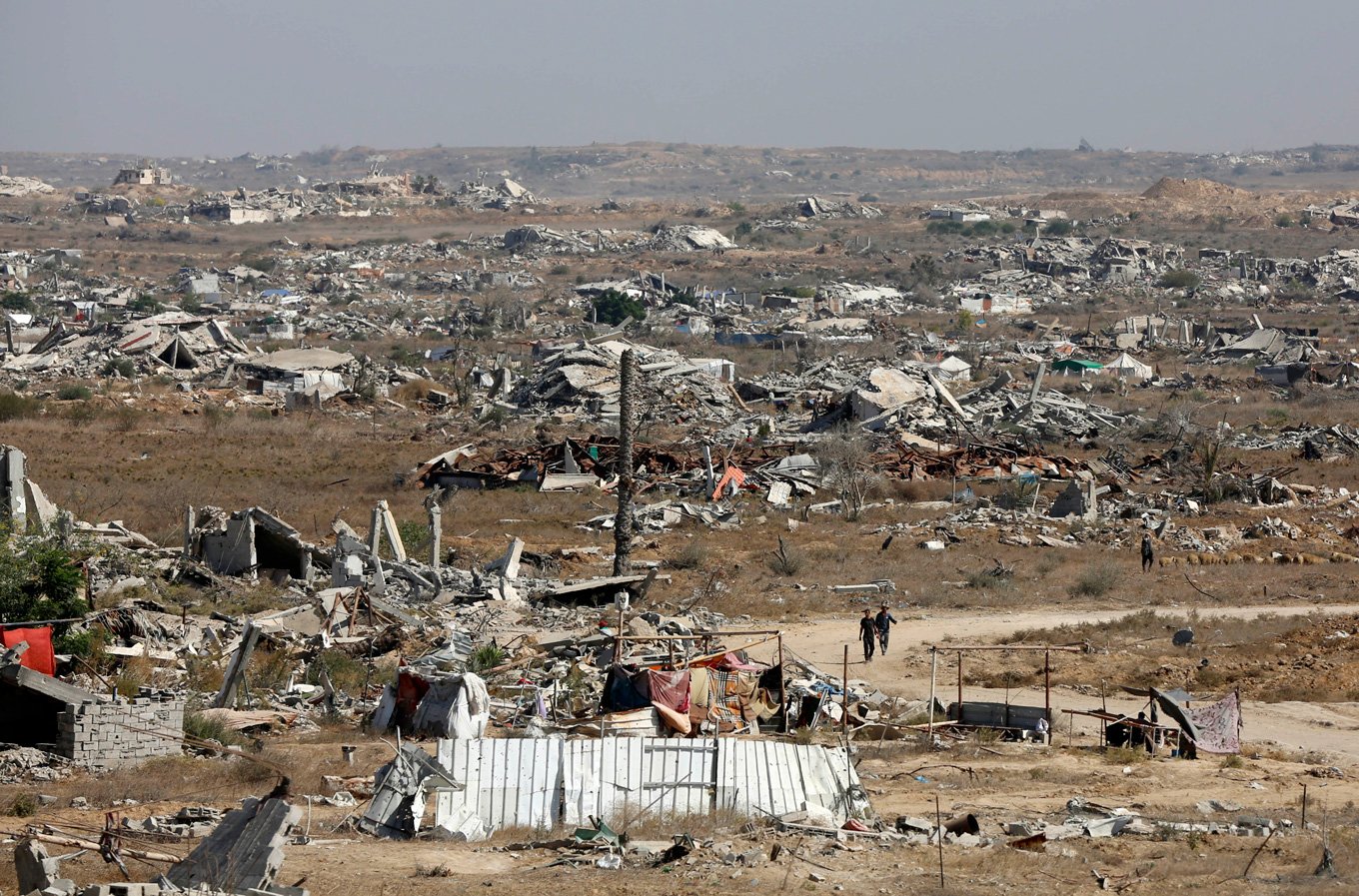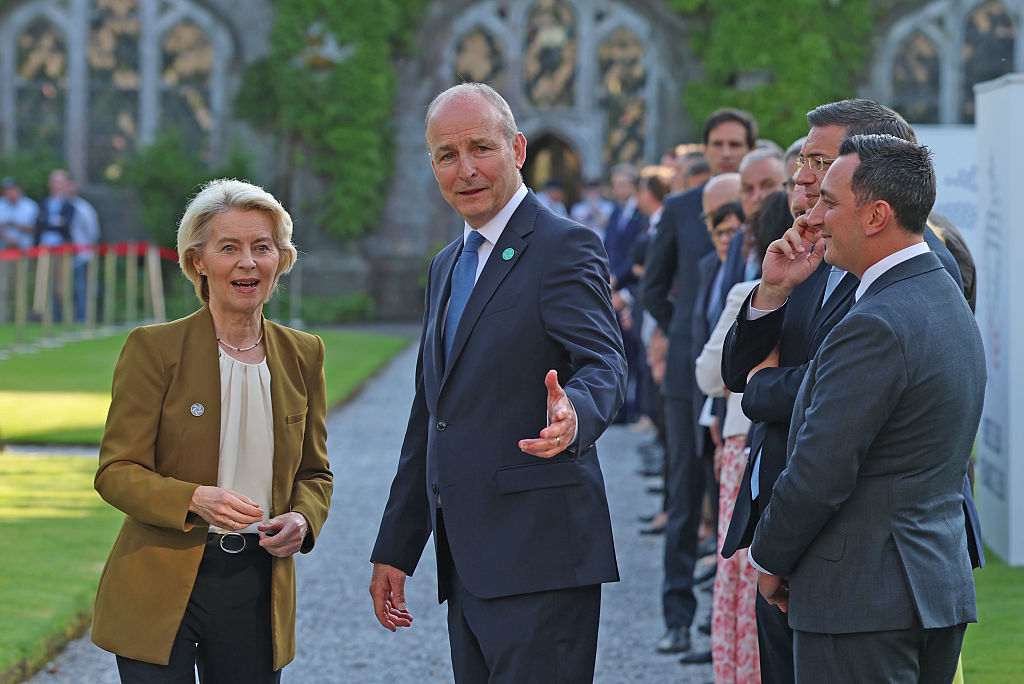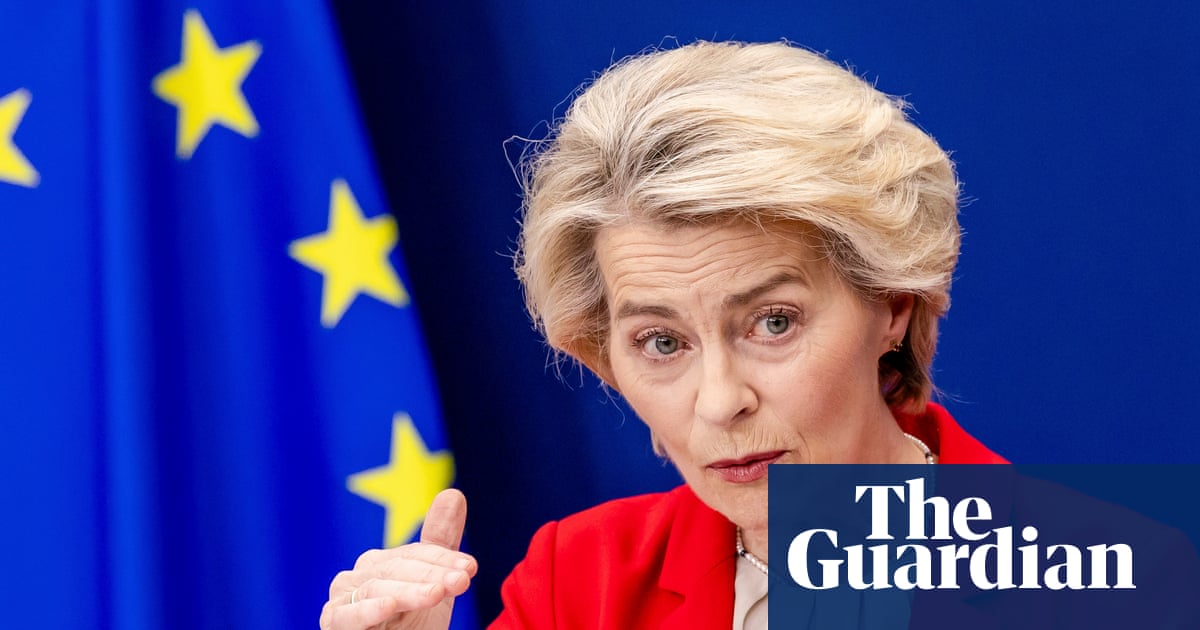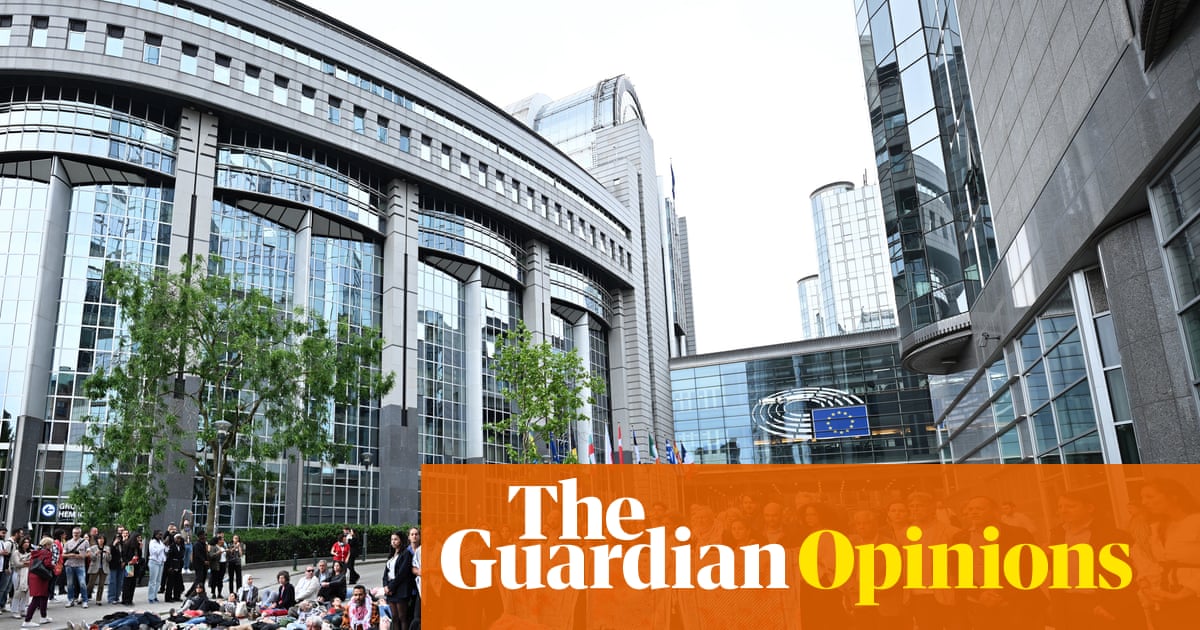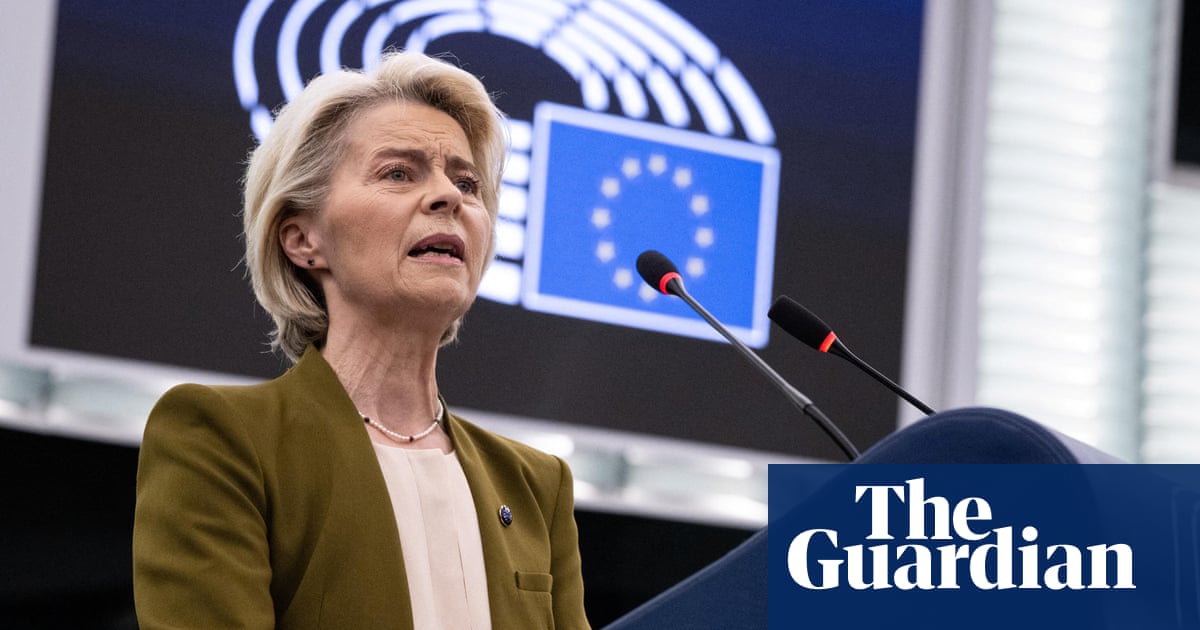
European Commission president Ursula von der Leyen has become the face of Europe’s failure over Gaza, drawing heavy criticism for the EU’s inability to challenge Israel’s government during its devastating campaign in the Palestinian enclave.That narrative doesn’t tell the full story, though, and lets national governments off the hook. Opposition from several member states and finger-pointing between the EU’s institutions is a big part of why Europe has not been able to use what leverage it has to restrain Israel’s military campaign.The EU has a lot of leverage, if it chose to use it. It is Israel’s biggest trading partner, so targeting those trade links would be a serious economic blow, as well doing real damage to Israel’s reputation internationally. An EU-wide ban on goods coming from Israel’s expanding illegal settlements in the West Bank and other occupied Palestinian territories would also be a symbolically important step. Placing individual sanctions on extremist ministers Itamar Ben-Gvir and Bezalel Smotrich would be something too. The commission is the visible face of the European institutions, but a huge amount of power lies in the Council of the European Union, the body that represents the 27 member states in the Brussels policymaking system. A coalition of countries reluctant to move against Israel continues to hamstring EU efforts to take some action. Public attention has focused on von der Leyen’s early response to the October 7th Hamas attacks, when she offered unwavering support for Israel, and on the EU administration’s subsequent reluctance to shift course as the death toll mounted.The business of the council takes place behind closed doors in the Europa building, across the road from the Berlaymont. The cameras are not on when foreign ministers from Germany or Austria, or a Hungarian or Czech diplomat, shoot down attempts to suspend the EU-Israel free trade deal, or sanction extremist Israeli ministers, month after month. Eventually, von der Leyen came around. The commission suggested suspending the trade agreement last September, but opposition from Berlin and Rome meant the proposal fell short of a majority in the council. A peace deal between Israel and Hamas killed momentum that had been building for EU action. The period since then has been marked by ceasefire violations, restrictions on aid entering Gaza, a separate war waged by Israel in Lebanon, increased violence in the occupied West Bank and a controversial settlement expansion plan. All that has renewed pressure on European governments to act. The commission and the council are back to passing the buck between each other, a feature of the EU’s stuttering response during Israel’s two-year bombardment of Gaza. A growing number of member states want the EU to ban trade coming from Israeli settlements.Measures that touch on trade need a qualified majority - at least 15 of the 27 states, representing 65 per cent of the total EU population - to pass. Foreign policy decisions, such as sanctions, require unanimous agreement. Building a majority to bar trade coming from illegal settlements would be easier than securing enough support to suspend the union’s preferential trade agreement with Israel. [ What is the EU-Israel association agreement and could it be suspended?Opens in new window ]However, the commission is dragging its feet and insists the council should take forward its previous proposal to suspend the trade deal. “The commission exercised its leadership role by coming forward with a strong proposal last year; this is on the table, we’re not going to speculate at this stage on other measures,” a spokesman for the EU executive told The Irish Times this week. Kaja Kallas, the union’s top diplomat, who chairs council meetings of foreign ministers, said she would be asking the commission to formally propose a fresh list of options by mid-July, including measures “aimed at preventing imports of goods originating from illegal settlements”. Europe’s hand-wringing has gone on so long that some countries have even switched camps following a change of government. Slovenia was beside Ireland and Spain leading the charge for the EU to penalise Israel. A new government led by right-wing populist Janez Janša has reversed that stance. Slovenia, Hungary and Czechia were the three holdouts blocking a push to sanction Ben-Gvir this week at a meeting of foreign ministers. Austria and Germany, usually two of Israel’s staunchest defenders, will accept EU sanctions on the hardline Israeli minister, who has been one of the most extreme voices in Binyamin Netanyahu’s government. [ Israeli minister’s taunts ‘accelerate momentum’ for EU action, Taoiseach saysOpens in new window ]The focus on measures that require unanimous EU support is a distraction and “arguably an excuse for inaction”, Hugh Lovatt, a senior policy fellow at the European Council on Foreign Relations wrote in a recent piece for the think tank. The dire situation in Gaza and the West Bank will be a point of discussion during a two-day summit of EU leaders in Brussels starting on Thursday. Don’t hold your breath for a breakthrough.
Brussels blame game masks member states’ role in Gaza inaction
A coalition of hesitant governments has repeatedly derailed efforts to impose trade or diplomatic costs on Israel
820 words~4 min read