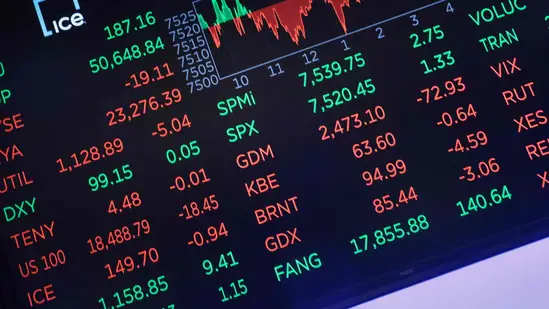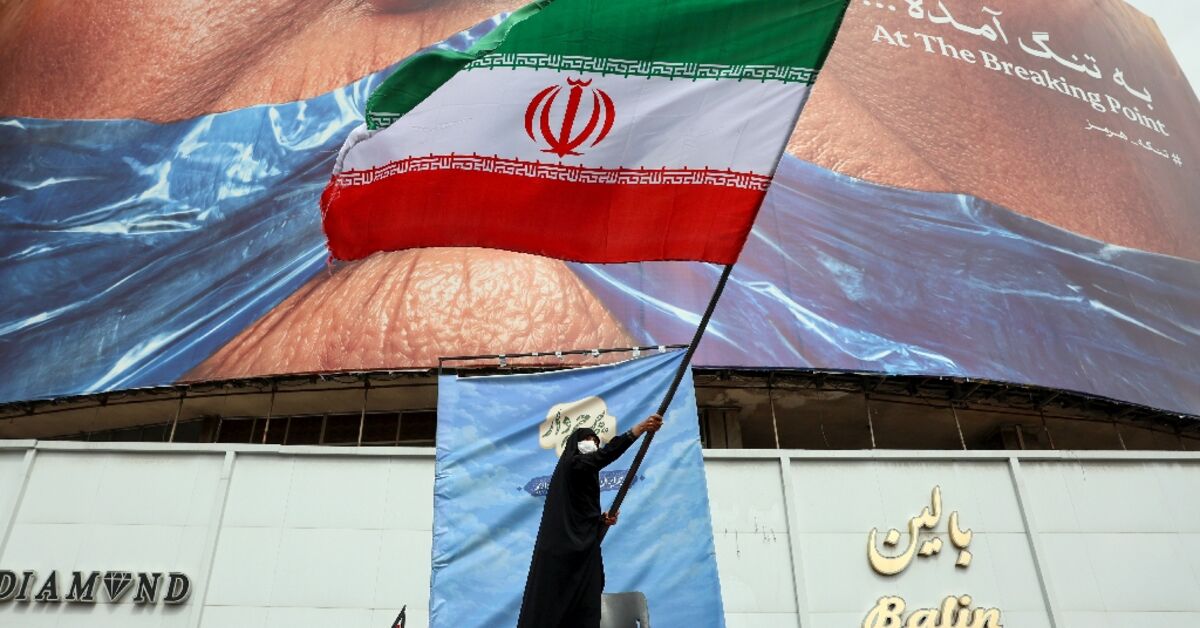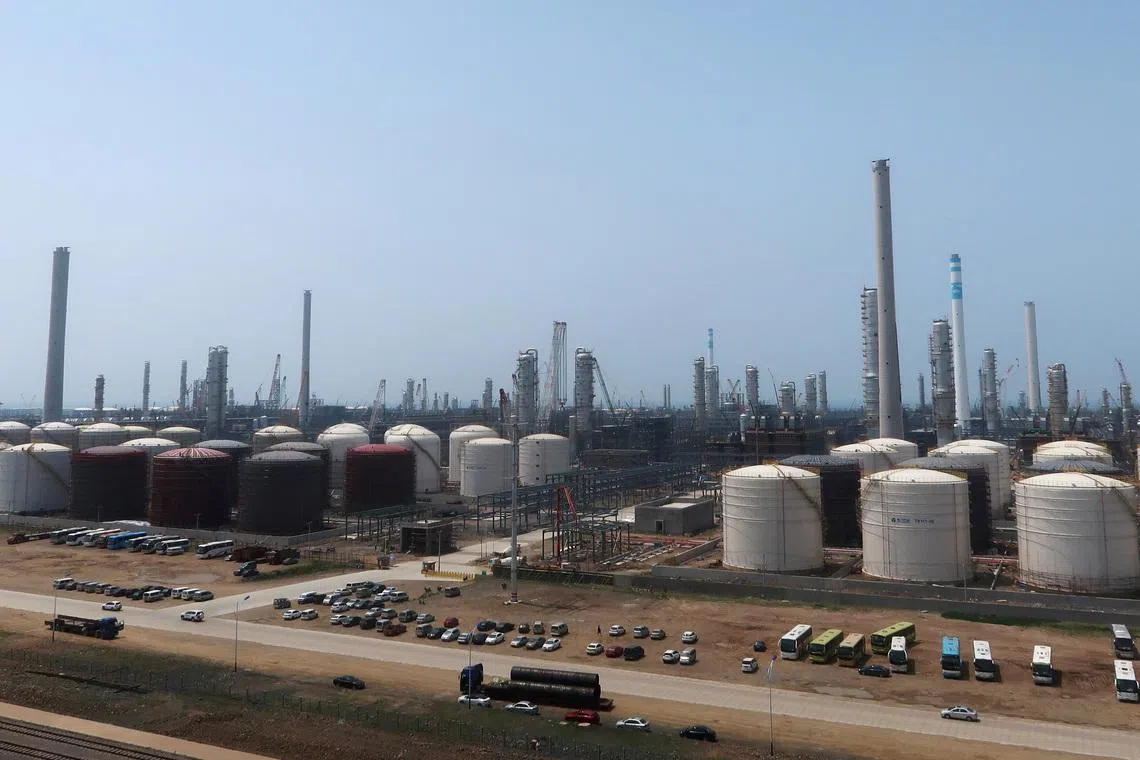
SINGAPORE - Oil prices tumbled on June 18 after US President Donald Trump and his Iranian counterpart signed off on an interim deal to end their war and reopen the Strait of Hormuz.The news boosted optimism for a lasting peace between the two nations after more than three months of war that has rattled energy markets and fuelled a fresh spike in inflation.However, the upbeat mood on trading floors was tempered by expectations the Federal Reserve will hike interest rates before year’s end, after its new boss held his first policy meeting and acknowledged “persistently high prices are a burden for the American people”.Brent crude fell 1.5 per cent to US$78.34 a barrel after a modest gain on June 17 as at 11am Singapore time, while US West Texas Intermediate sank 1.8 per cent to US$75.43.Both main contracts have plummeted more than 15 per cent since last week, when talk of an agreement began swirling, and are almost back to pre-war levels.In Asian stock markets, Japan’s Nikkei share gauge surged past the 71,000 level for the first time. The Nikkei was up 1.7 per cent while South Korea’s Kospi index rose 0.8 per cent. The Straits Times Index pared bigger gains and was up 0.2 per cent.Investors also reacted to a hawkish tilt by the US Federal Reserve which held interest rates steady on June 17 but signalled that a rate hike is more likely this year than a rate cut.Shares fell in Hong Kong, where interest rates are aligned with the Fed, with the Hang Seng Index down 1.8 per cent. China’s Shanghai Composite fell 0.35 per cent while Australia’s ASX 200 was down 0.5 per cent.US stock futures rallied with contracts on the S&P 500 up 0.8 per cent while Nasdaq futures jumped more than 1 per cent. The moves followed US stocks tumbling on June 17 after the Fed indicated rates may need to rise further to contain inflation.Trump said he had signed the deal, which envisions a rapid reopening of the critical Strait of Hormuz.US oil sanctions must now be lifted immediately, according to Iranian Foreign Ministry spokesman Esmail Baghaei. “Iran must be able to sell its oil, shipping and insurance must not face any issues, and the revenues from oil sales must also be received,” he said on state television. The conflict erupted on Feb 28 when the US and Israel attacked Iran to curb its nuclear programme. Tehran responded by blocking the waterway, which used to carry about a fifth of global oil supply in peacetime. The US also subsequently blockaded the conduit in a bid to ramp up the pressure against Tehran.Goldman Sachs Group said in a note earlier this week it now assumes that Persian Gulf exports will normalise at pre-war levels by the end of July, compared with an outlook for the end of August previously.“Markets tend to assume a reopening means a reset,” said Haris Khurshid, chief investment officer of Karobaar Capita. “While really some of the changes made during the disruption may stick around longer than people expect.”Ahead of the deal’s signing – which ushers in a 60-day period of additional talks on unresolved issues – the oil and shipping industry remained largely in wait-and-see mode, although a handful of vessels began rerouting toward the Middle East, while Iranian tankers laden with oil moved out.Shipbrokers and owners reported some tentative inquiries about hiring vessels to collect oil from ports across the region, although it’s not clear whether any new deals have been struck. Iraq, the region’s second-largest producer before the war, said it was taking steps to increase exports.While oil prices have eased, pressure on inventories remains acute. Stockpiles at Cushing, the largest US commercial storage hub, have sunk to about 20 million barrels. That’s a level traders consider an operational minimum.At the same time, petroleum products have followed crude’s path lower. Average nationwide gasoline prices in the US have dropped back to US$4.025 a gallon, compared with a high of US$4.564 in May, according to daily figures from the American Automobile Association.On June 17, President Trump signalled that the risk of a major economic crisis had played a key role in his decision to call off the war. Military escalation “could have caused an international depression,” he said.The US leader “really does want, going into the midterms, lower gasoline prices,” said Carolyn Kissane, associate dean at the Center for Global Affairs at New York University, referring to the elections in November. “He’s willing to accept a deal kind of at all costs.” AFP, BLOOMBERG
Oil prices sink towards pre-war levels as US and Iran sign peace deal
Crude prices have plummeted more than 15 per cent since last week and are almost back to pre-war levels. Read more at straitstimes.com. Read more at straitstimes.com.
756 words~3 min read