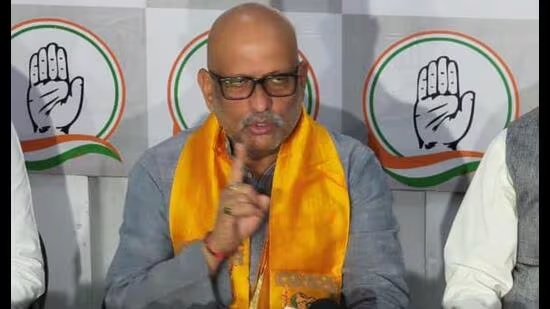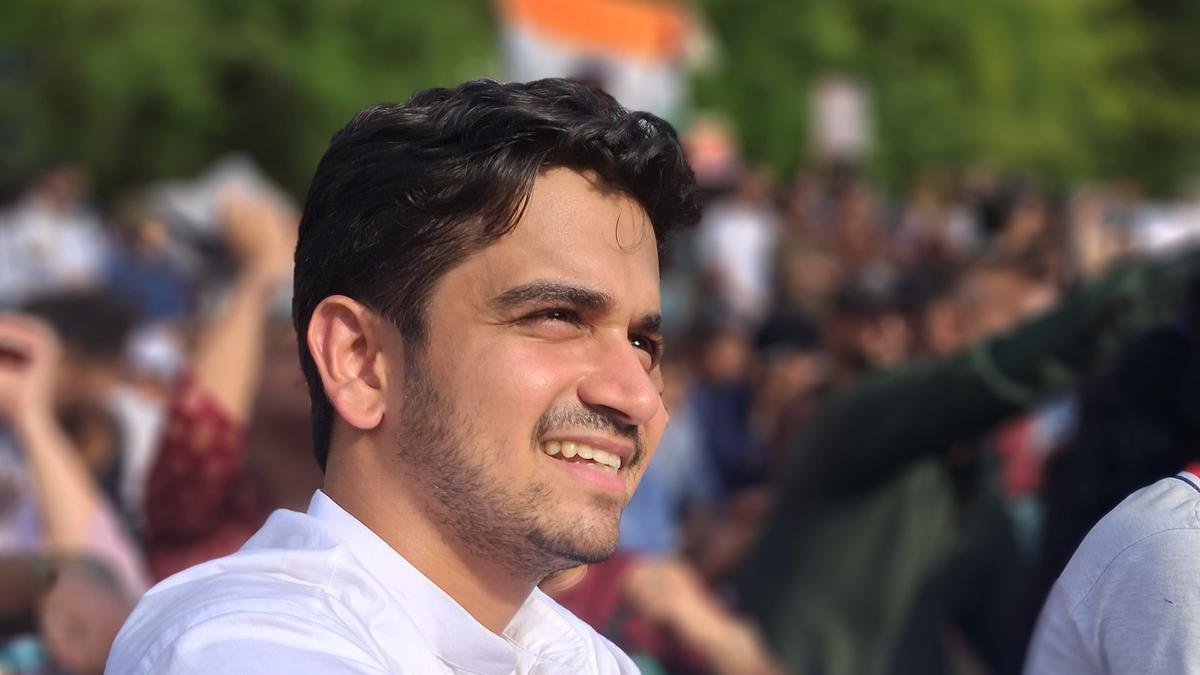
The past two years have seen India’s education system face repeated scrutiny. It emerges from issues such as the NEET paper-leak controversy, allegations of examination irregularities, and concerns surrounding the Central Board of Secondary Education’s On-Screen Marking (OSM) System, among others.At the same time, youth-led movements such as the Cockroach Janta Party (CJP) have channelled frustrations over examinations, unemployment and political accountability into public protests. For Anish Gawande, national spokesperson of the National Congress Party, these developments point to a deeper crisis in education governance and public trust. Mr. Gawande spoke about the state of Indian education, the limits of technology-led reforms, accountability in public institutions and why student anger needs to be taken seriously.
1. India has witnessed the NEET paper-leak controversy, allegations of exam irregularities, and now the CBSE OSM row involving answer-sheet mismatches, missing pages and evaluation concerns. What do you think is India’s biggest education challenge?
There’s a multi-pronged challenge. On one hand, the privatisation of education has placed an unfair burden on students who don’t come from privilege and has made access to education much harder than before. At the same time, this privatisation has not been accompanied by the creation of standards that are fit for industry.