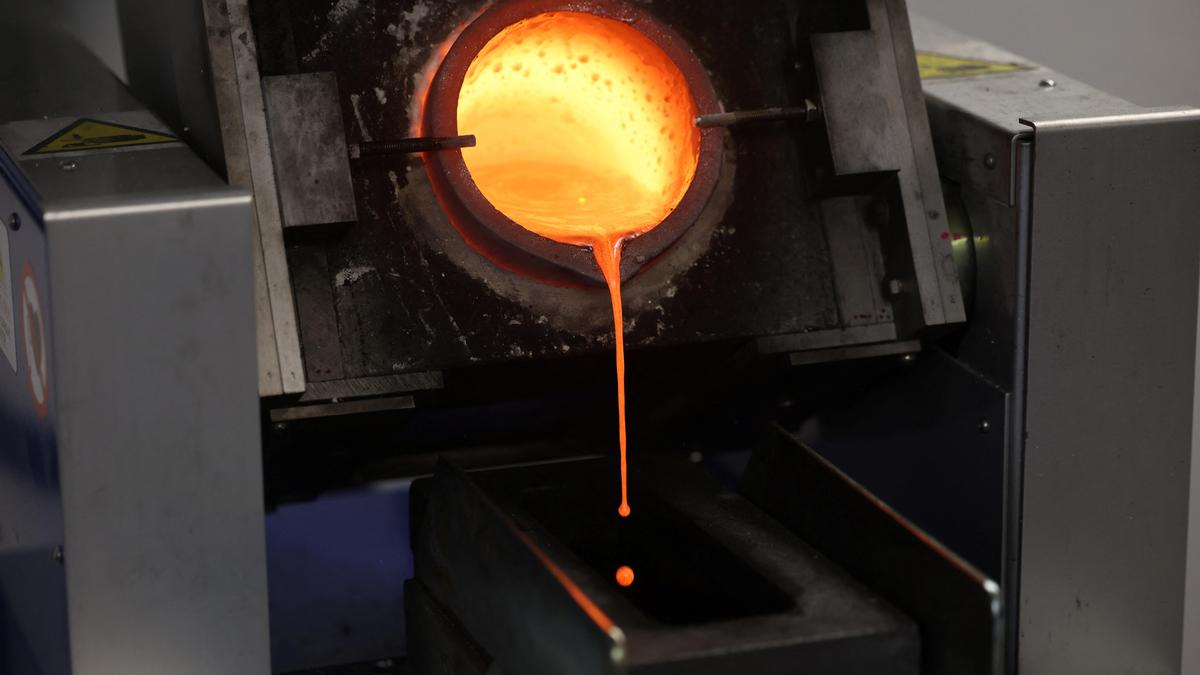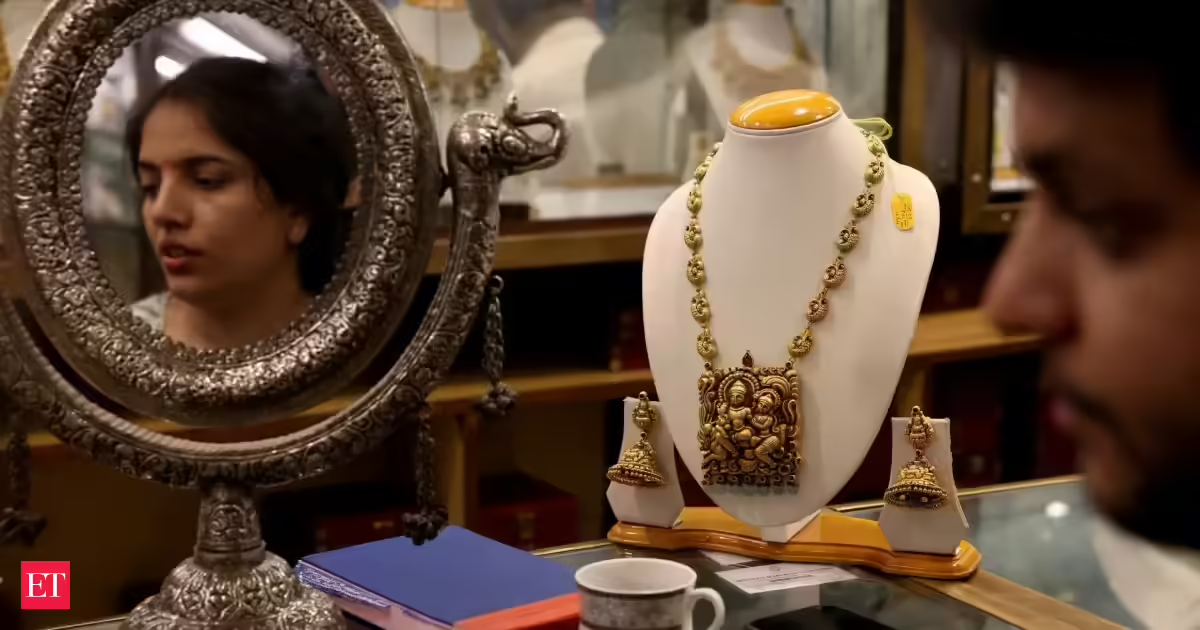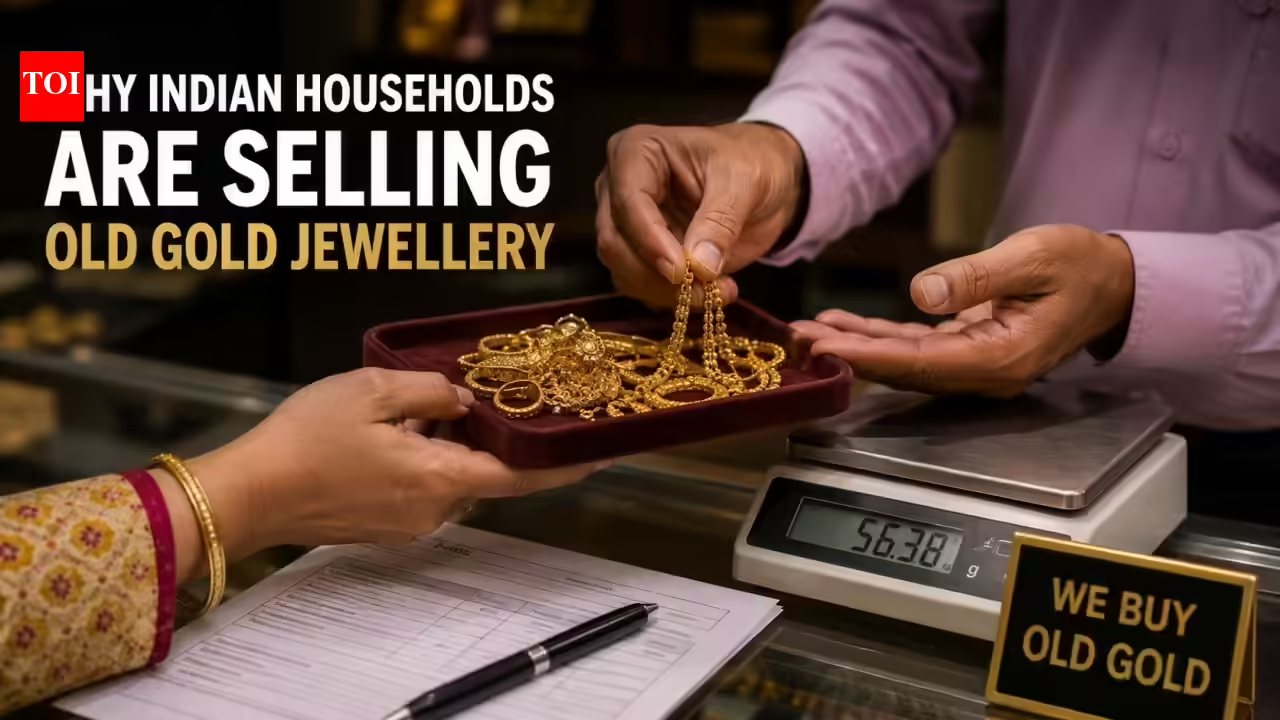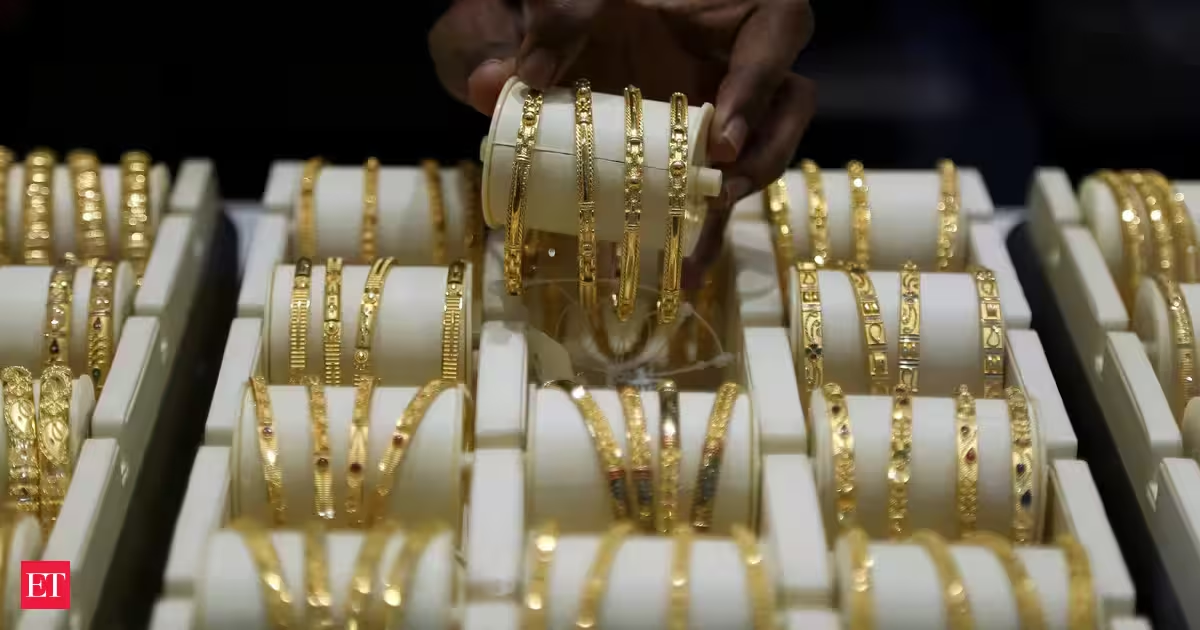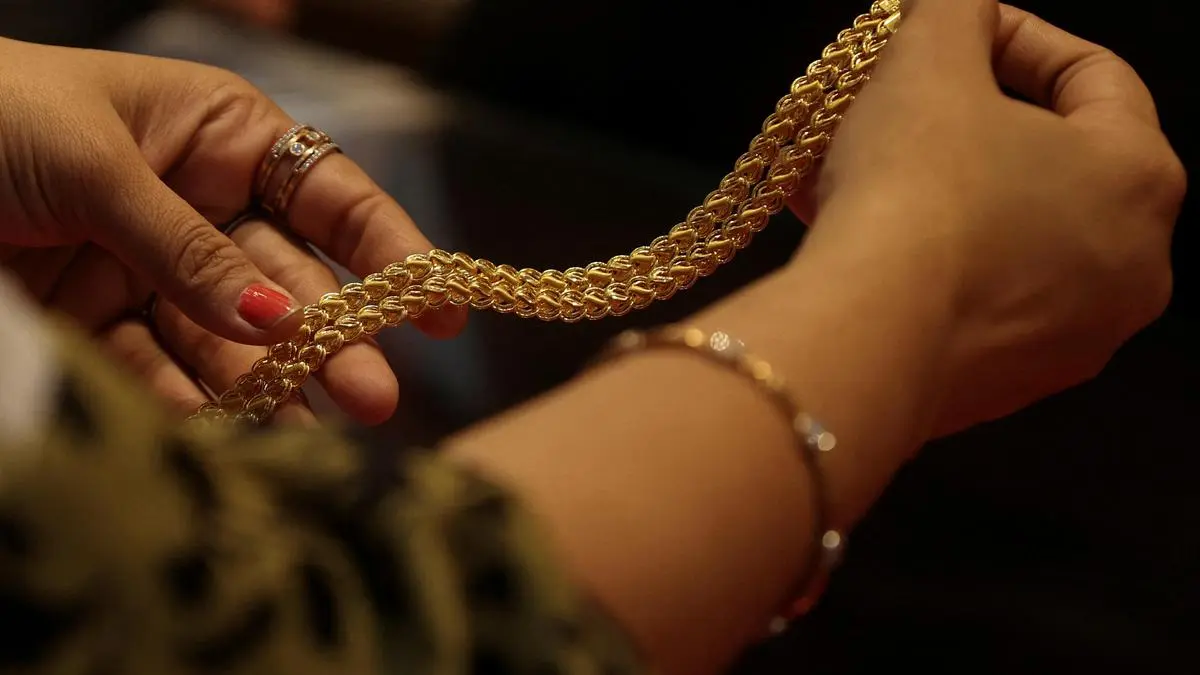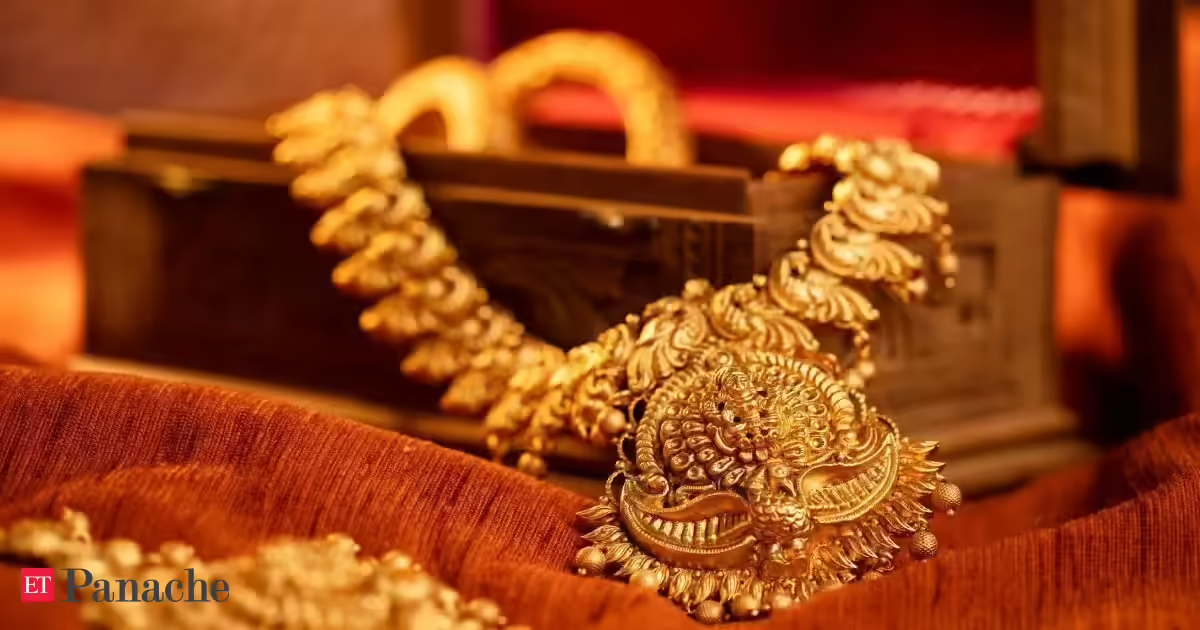
For generations, Indian families have viewed gold jewellery as more than an ornament. It has been a symbol of wealth, security and a fallback option during difficult times. Many households continue to believe that investing in gold jewellery automatically creates a reliable financial cushion for emergencies. However, according to Chartered Accountant Nitin Kaushik, that assumption can prove costly when cash is needed urgently, especially for major expenses such as education, healthcare or other life-changing commitments.CA Nitin Kaushik recently took to X to highlight what he believes is a common misconception about personal finance and gold ownership. According to him, while gold jewellery may hold emotional and cultural value, it often performs poorly as an emergency fund when families need to convert it into cash.He pointed to a scenario involving Rs 45 lakh worth of family gold jewellery being liquidated to fund an important goal such as higher education. On paper, the amount appears substantial. However, the actual money received after selling the jewellery can be significantly lower than expected.Kaushik explained that the structure of the retail jewellery market creates several deductions that eat into the value of the gold when it is sold. The first factor is making charges. When jewellery is purchased, buyers pay for the craftsmanship involved in designing and manufacturing the ornament. These charges add to the purchase price but are rarely recovered when the jewellery is sold back.— Finance_Bareek (@Finance_Bareek) In addition to making charges, sellers may also face deductions related to melting and wastage. Jewellers often melt old ornaments to assess their actual gold content, and this process can result in further reductions in the value offered to the seller. Purity deductions can also play a role. Depending on the purity assessment conducted at the time of resale, the amount realised may be lower than what the owner anticipated. According to Kaushik, these combined factors can reduce the realisation value by nearly 18 per cent.In the example he shared, that could translate into a loss of more than Rs 8 lakh when attempting to liquidate Rs 45 lakh worth of jewellery. His argument is that this loss becomes particularly painful because it usually occurs at a time when the funds are needed most. What's the alternative?Rather than relying heavily on jewellery as a financial backup, Kaushik suggested considering alternatives that are designed to preserve value more efficiently. He argued that investors seeking a genuine financial safety net should think carefully about the form in which they hold gold.According to him, sovereign gold bonds and pure gold bars offer advantages because they are not burdened by the same retail costs associated with jewellery. As a result, investors can retain a closer connection to the underlying value of the metal itself.
Think your gold jewellery is a safety net? A CA says you could lose lakhs when selling it
Indian families often see gold jewellery as a financial safety net, but Chartered Accountant Nitin Kaushik warns this can be a costly misconception. Selling jewellery for emergencies can result in significant losses due to making charges, melting, and purity deductions, potentially reducing its value by 18%. Kaushik suggests sovereign gold bonds or pure gold bars for better value preservation.
454 words~2 min read