Abstract
In modern software engineering, writing code that simply "works" is only the first step. The real challenge lies in designing systems that are maintainable, scalable, and easy to test. This article explores the Dependency Inversion Principle (DIP), the final pillar of the SOLID design principles. Through a practical, real-world example in Kotlin, we will demonstrate how to transition from a tightly coupled architecture to an abstraction-based design. This shift dramatically improves our codebase, facilitates unit testing, and prepares our applications for future growth.
Introduction: The Chaos of Coupling
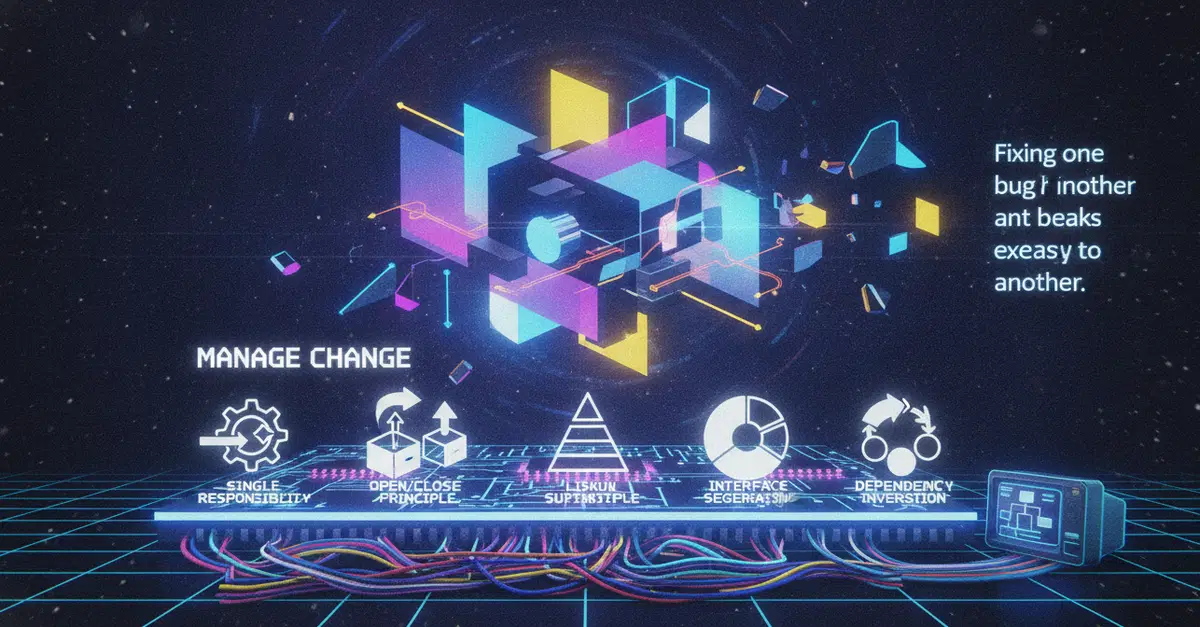
As applications grow, it is common to see how a minor change in a database schema or a third-party API triggers a domino effect, breaking unrelated parts of the system. This fragility is a direct consequence of tight coupling.
Software design principles, particularly SOLID, were established to prevent this architectural decay. Today, we focus on the "D" in SOLID: the Dependency Inversion Principle (DIP). This principle establishes two core rules: