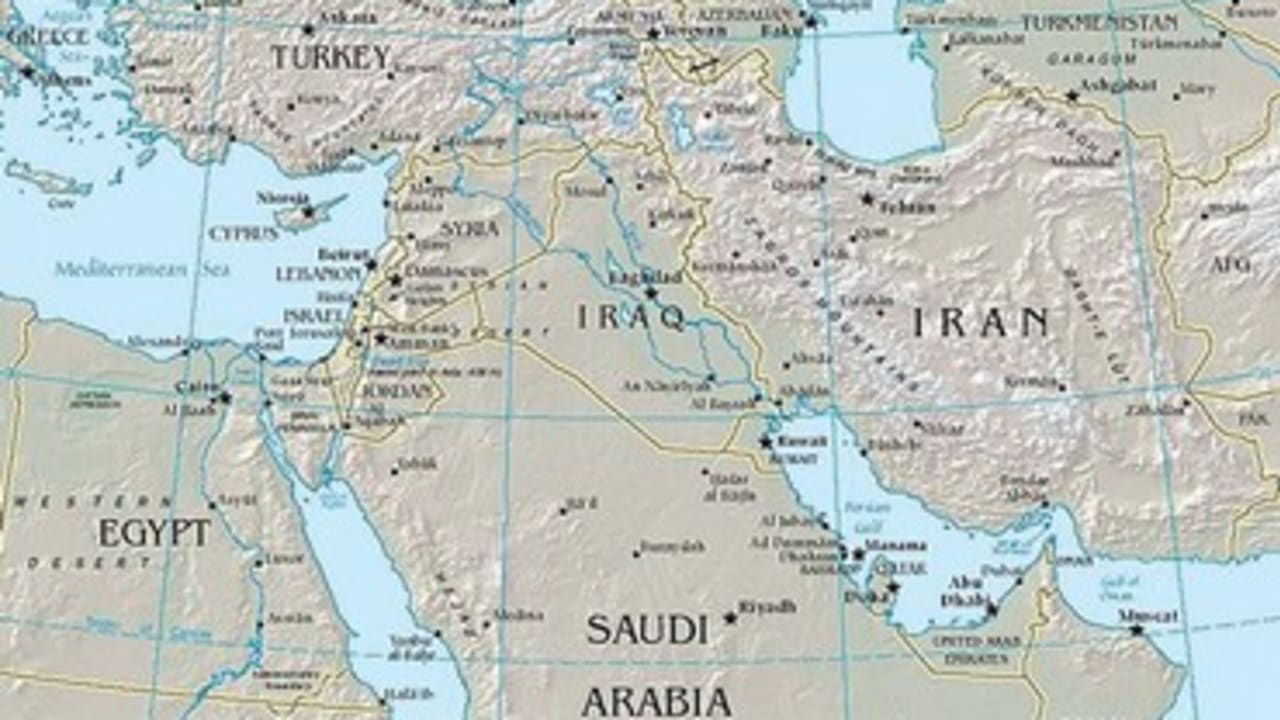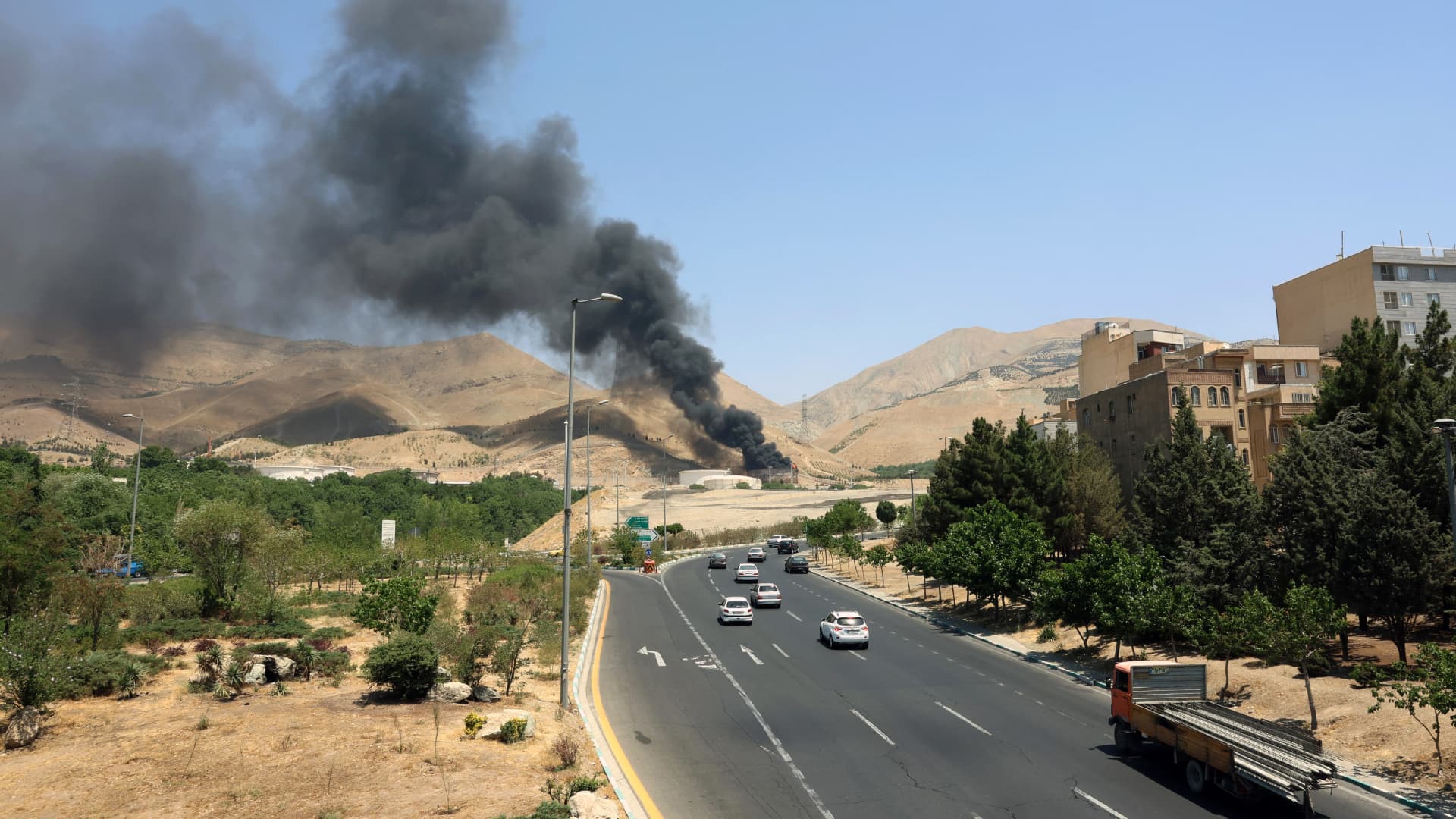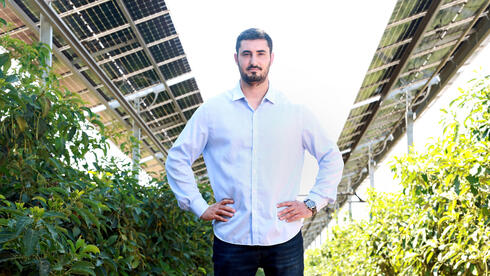
Yoni Hantis, who became one of the youngest CEOs among Tel Aviv’s top listed companies, says Israel’s dependence on gas and oil leaves it dangerously exposed while bureaucracy keeps renewable energy projects stuck for yearsAt 35, Yoni Hantis became one of the youngest CEOs among the 125 largest companies on the Tel Aviv Stock Exchange. Professionally, it has been an exceptional year for him. Shares of Doral Energy have surged by about 420%, the company’s market value crossed 17 billion shekels, and it overtook long-established Israeli names such as Strauss, Partner and El Al.But Hantis has plenty to worry about, not because of the capital market, but because of the state’s priorities. While investors are moving quickly, he says, Israel is still falling behind in green energy, far behind the United States and Europe, because of bureaucracy, regulation and a lack of leadership.In an interview with Yedioth Ahronoth, Hantis argues that green energy is no longer just an environmental vision, but a first-order security and economic interest. Israel, he warns, cannot wait for the first missile to hit a power station before it wakes up. “If we do not address this now and, God forbid, a missile hits a major power station, leaving entire cities and hospitals in total darkness, we will pay a terrible price,” Hantis says. “As development companies, all we need is to be allowed to work on the ground. But these are long, complex processes, and the state has to act today. It cannot wait.”Recent rounds of fighting with Hezbollah and Iran exposed the vulnerability of Israel’s energy system. During the war, Israel’s gas rigs were shut down intermittently over fears of precision missile fire. The economy found itself relying on a very thin supply line, in which a direct hit on an active gas rig or pipeline could have caused an economic and operational catastrophe, such as an immediate shortage of fuel for power stations, dramatic voltage drops and a real risk of prolonged blackouts in entire cities and essential facilities.That risk, one hopes, made clear to decision-makers that relying on a small number of mega power stations and gas facilities is a security gamble. The solution, Hantis says, is decentralizing electricity production, including through regional solar fields and battery storage systems, to ensure continuity of supply and national resilience in an emergency.How much more urgent the need for energy security become since October 7?
‘One missile can darken cities’: Doral CEO warns Israel is falling behind on energy
Yoni Hantis, who became one of the youngest CEOs among Tel Aviv’s top listed companies, says Israel’s dependence on gas and oil leaves it dangerously exposed while bureaucracy keeps renewable energy projects stuck for years
3,769 words~17 min read