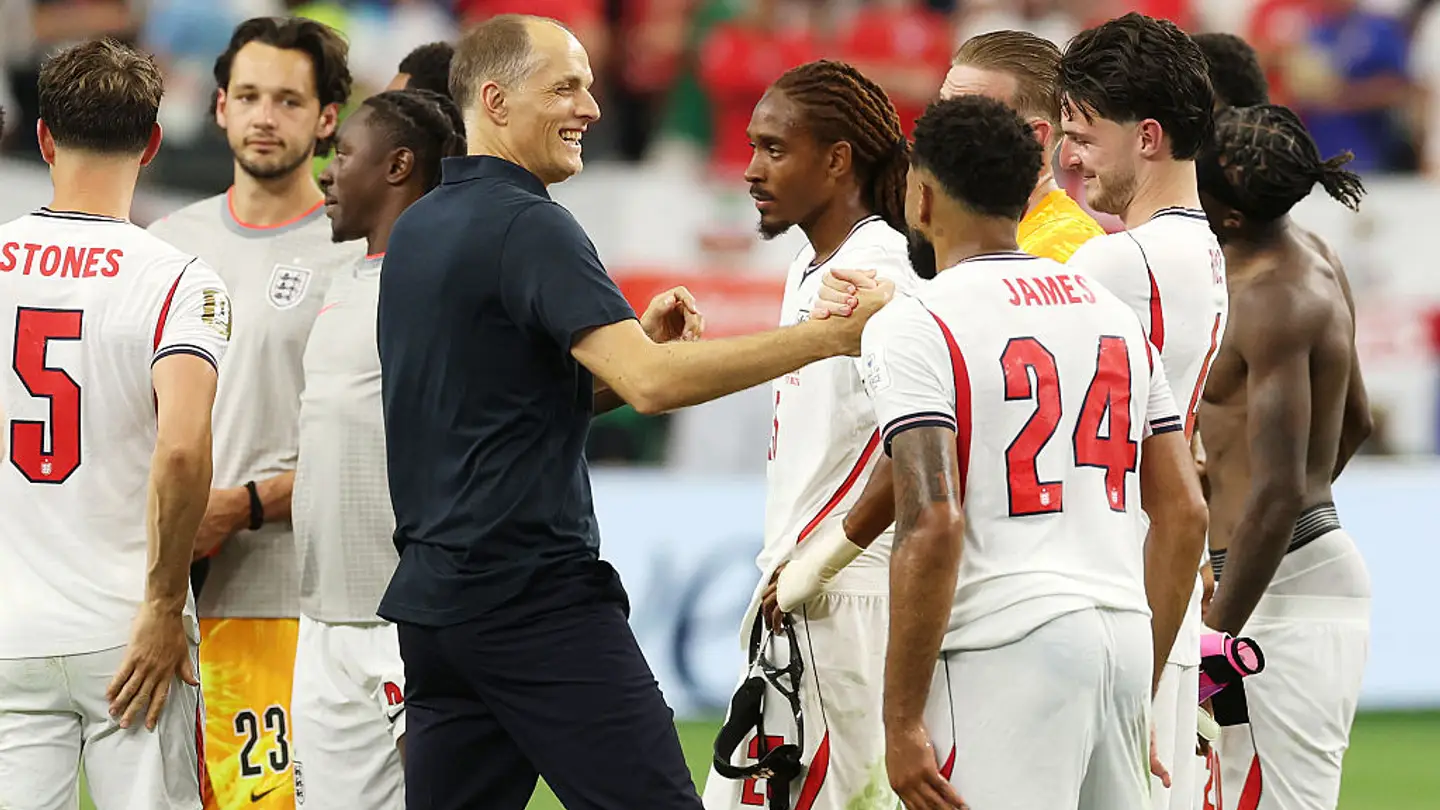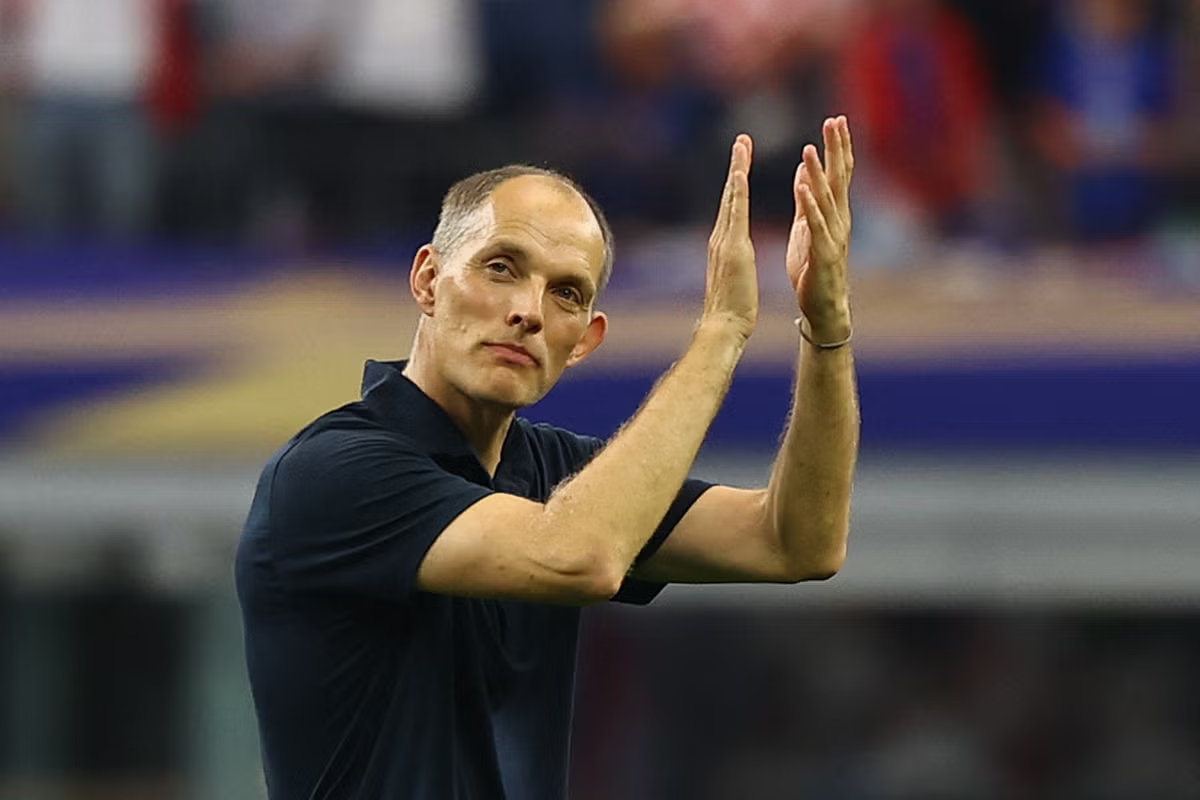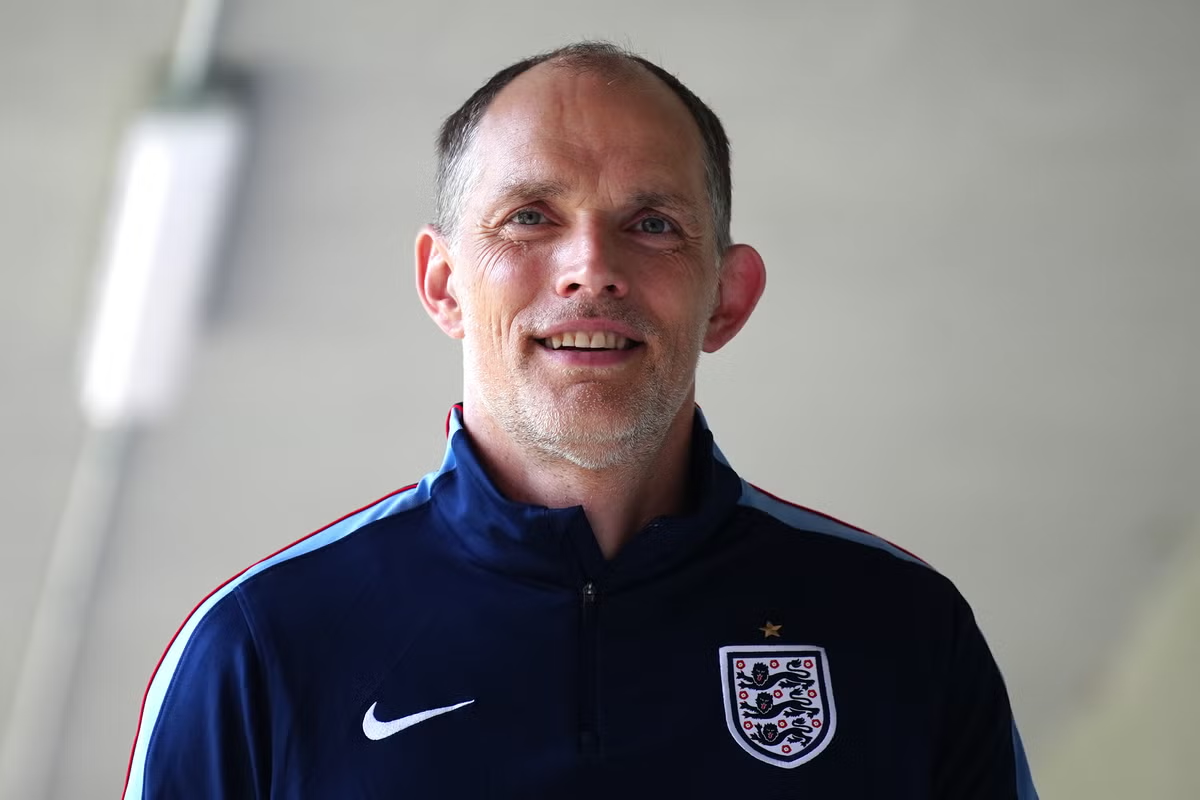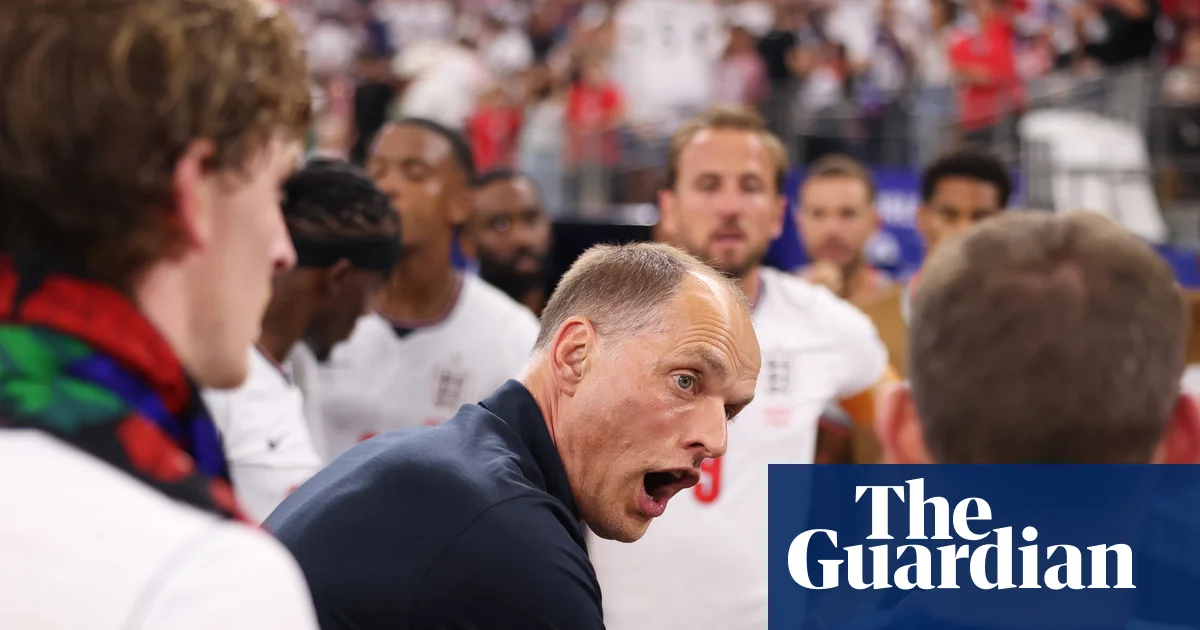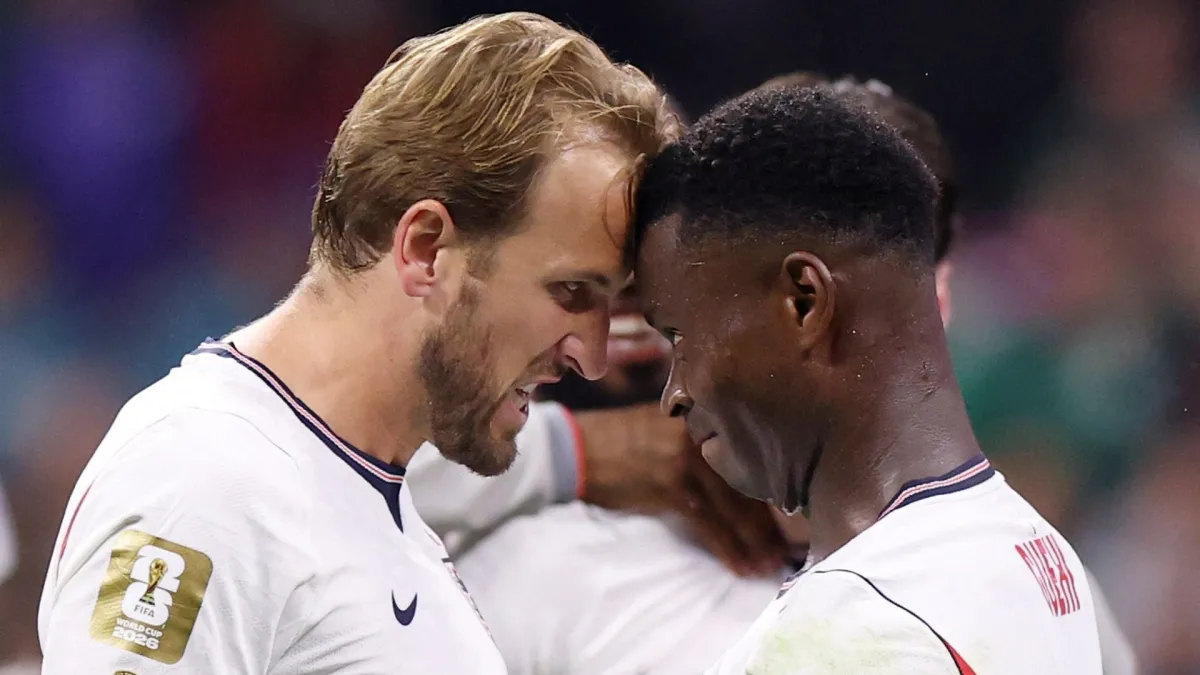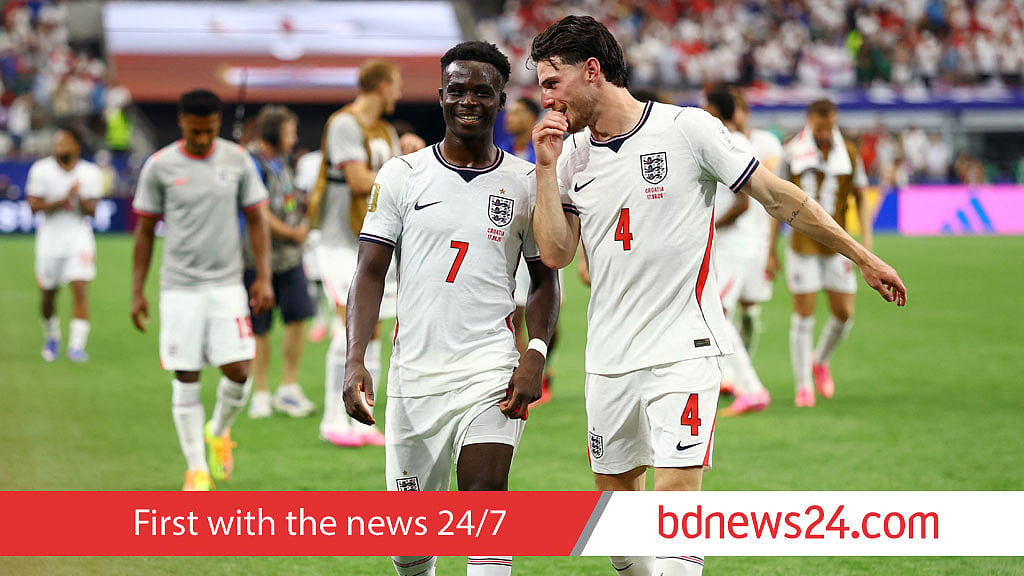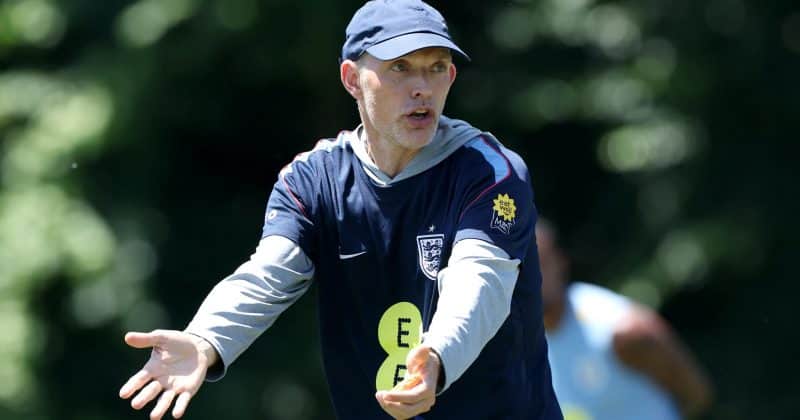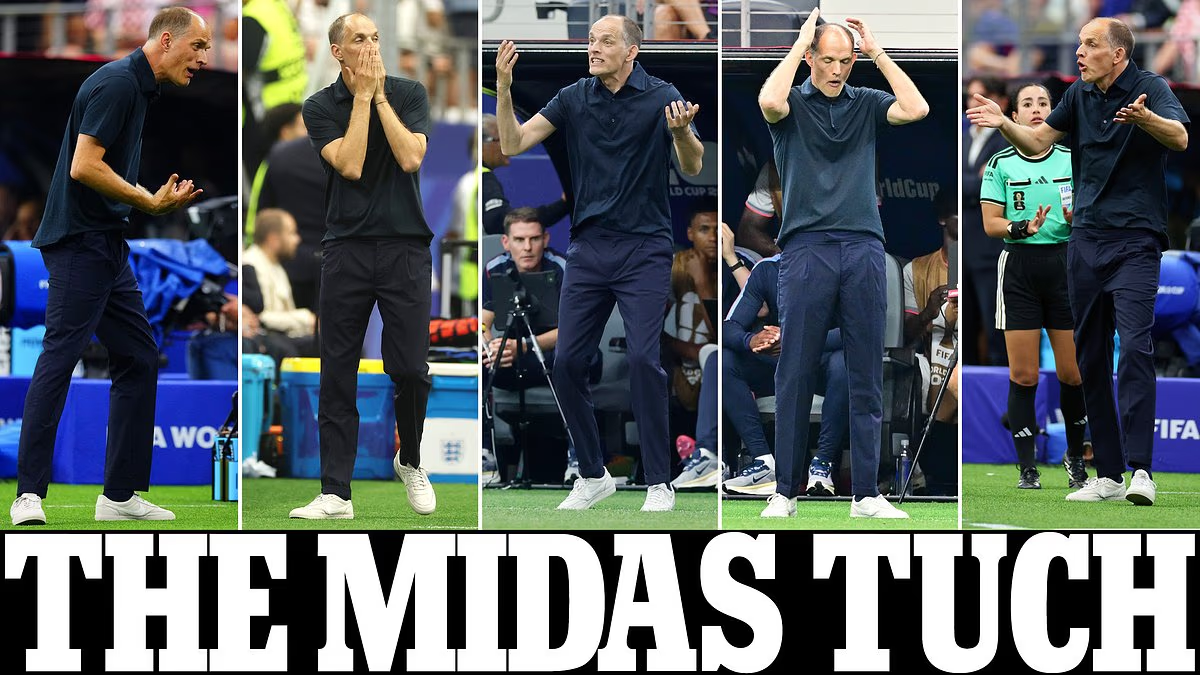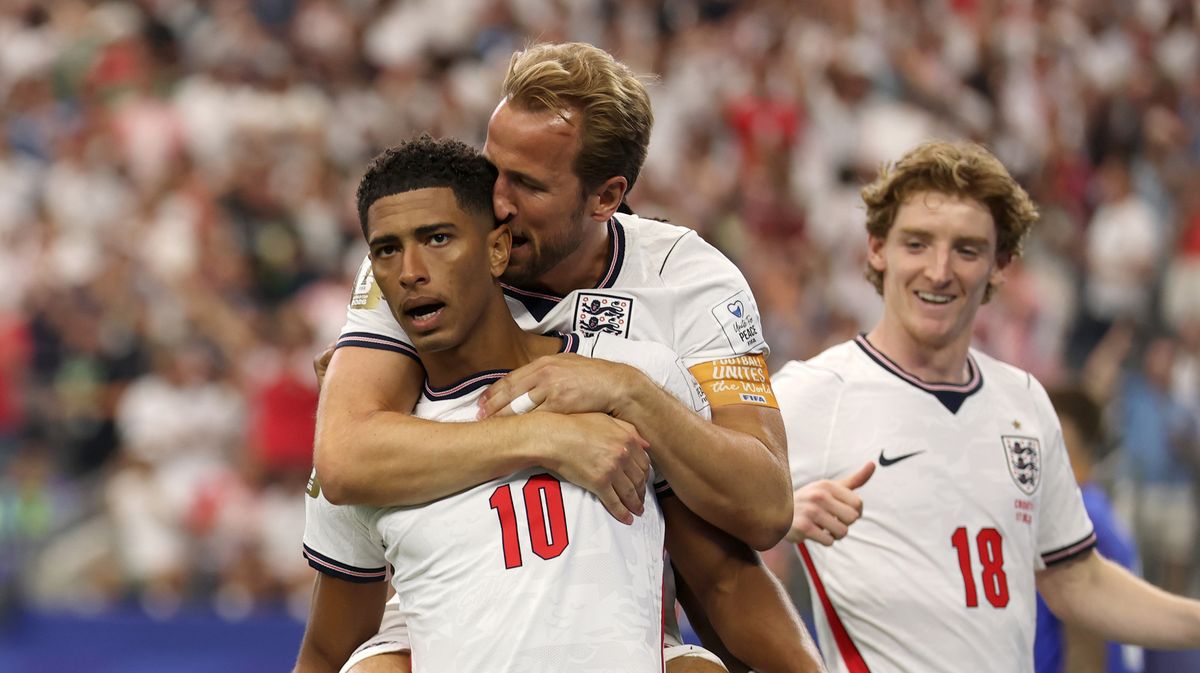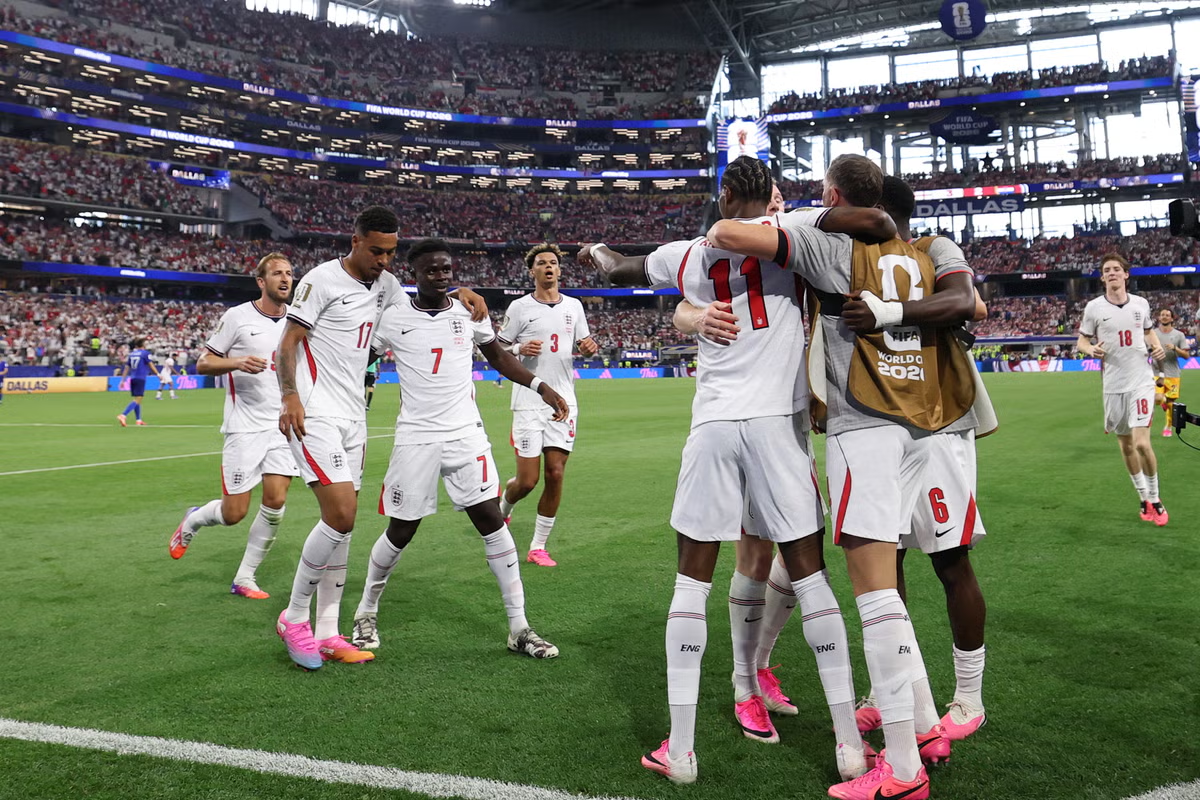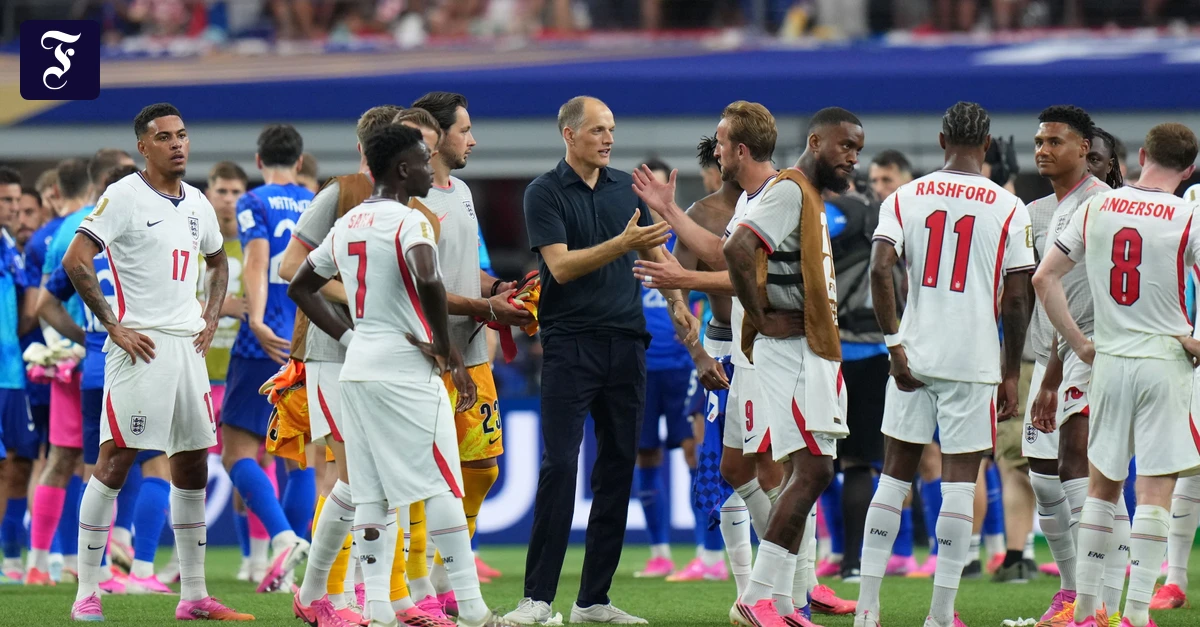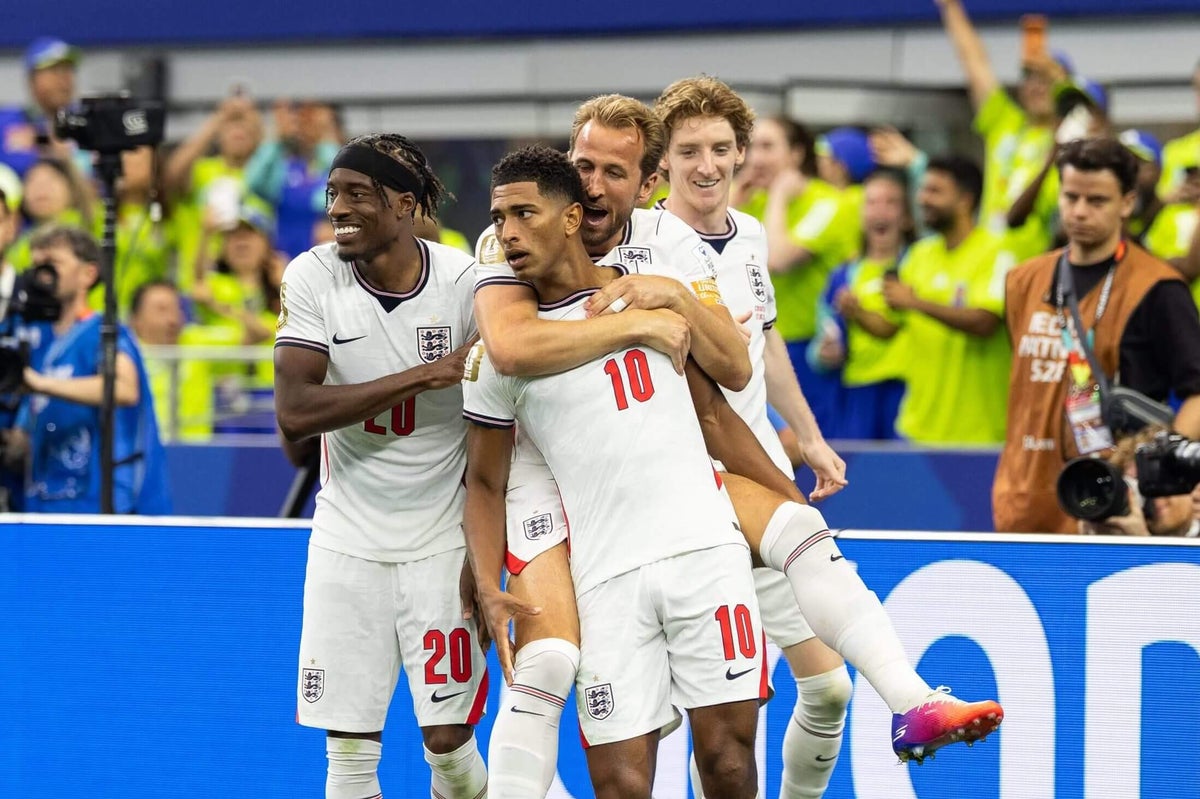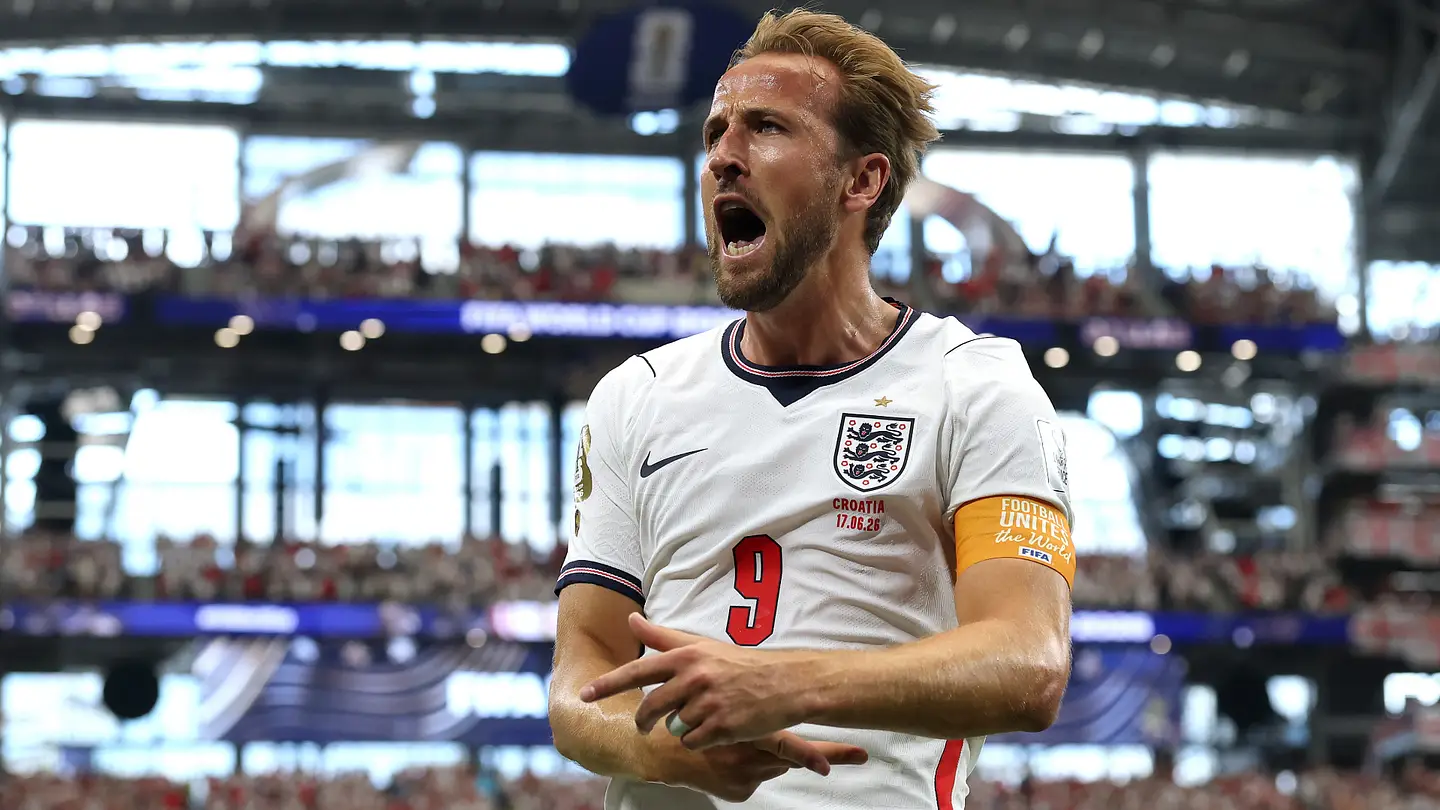
Unburdened by the baggage of actually being from a nation enduring 60 years of World Cup heartache, England’s German manager Thomas Tuchel saw the Three Lions roster for what it is: one of the best in the tournament.“We should play brave and play to the strengths of the players,” Tuchel shrugged, the air of reticence so common in past national team bosses decidedly lacking.England has only ever gone to the World Cup with two other foreign coaches, yet neither were entirely isolated from the vortex of the country’s self-fulfilling prophecy. Sven-Göran Eriksson was schooled in a style of Swedish soccer inspired by two English coaches, Bob Houghton and Roy Hodgson. Fabio Capello played 4-4-2. Tuchel is from an entirely different school of thought.That fresh approach inspired a notably unfamiliar England performance against Croatia, namely one which conjured emotions outside of the familiar dread and disappointment. Tuchel’s side was actually exciting. England didn’t score more than two goals in a single game throughout its run to the Euro 2024 final while exclusively playing sufferball.This new iteration lay siege to the Croatian net, racking up four goals and three points against its closest challengers for top spot in Group L.Tuchel’s Twist on Set-Piece FormulaDeclan Rice (right) was on corner duty for England. | Richard Pelham/Getty ImagesDeclan Rice took 95 corner kicks for Arsenal during a record-breaking season of set-piece efficiency for the Gunners. All but seven were in-swinging deliveries from the left hand side of the pitch. Yet, his first two corners at the World Cup were both out-swingers from the right. This is nothing new for Rice under Tuchel. While Arsenal and the rest of the Premier League have collectively discovered that in-swinging deliveries statistically lead to more goals, the German coach appears insistent on having Rice wind the ball away from the net—with some justification.It was from one such delivery that Harry Kane thundered in his second goal of an engrossing group-stage clash. In a remarkably similar scheme to his header against Serbia during a World Cup qualifier in September 2025, Kane had a clear run onto Rice’s delivery thanks to a series of well-positioned blocks from his teammates.Croatia’s technical staff needn’t have scrolled back to that autumnal clash for a sneak peak at England’s tactics: Tuchel was running the same routine in the two pre-World Cup warmup games. There’s every chance that Croatia knew it would be coming—but that didn’t help them stop it. Croatia had even more trouble defending Rice’s in-swingers.Midfield Hierarchy Set EarlyBellingham (middle) was able to show off his trademark celebration. | Marvin Ibo Guengoer/GES Sportfoto/Getty ImagesAll the talk heading into Wednesday’s fixture bubbled around the debate between Jude Bellingham and Morgan Rogers. In reality, the Real Madrid No. 10 was never likely to be left out and swiftly proved precisely why Tuchel and every teammate given the slightest chance is so effusive in their praise.It’s easy to forget that Bellingham is only 22—chiefly because this is his fourth major tournament already. The remarkably level-headed midfielder plays with the authority of a veteran and the energy of someone even younger than himself, coolly converting within two minutes of the restart after a blistering burst down the right wing.Tellingly, Bellingham was given the opportunity to spear forward thanks to a lovely clipped ball over the top from Elliot Anderson. The least heralded member of the midfield trio is arguably the most important, not only buzzing around on the rare occasions his side are out of possession, but ensuring that the ball is moved swiftly up the pitch to avoid the tepid passing which can so often seep into England’s game.The Short Blanket ConundrumThomas Tuchel would not have been universally impressed with England’s performance. | Rico Brouwer/Soccrates/Getty ImagesFor all England’s attacking endeavor—and it shouldn’t be overlooked that this was arguably the most penetrative display of any team at this World Cup thus far—the Three Lions were leaky at the back.Croatia’s two goals came from two very different mistakes: overcommitting and overt caution.By having Nico O’Reilly start at left back and wander into midfield when England has possession, there is always a gap in defense immediately after a turnover. This is a known risk Tuchel is willing to take, but clearly one Croatia targeted throughout the contest. It paid off in the 36th minute, when Petar Sučić tiptoed behind O’Reilly to lay the ball off for Martin Baturina’s thumping equalizer.After England’s advantage was restored, Tuchel’s side was guilty of dropping too deep. This was likely a consequence of the impending halftime whistle—it is only human nature to try and hold onto what you’ve got with so few seconds remaining—but it created large chasms of green grass for Croatia to work within.England sunk on top of themself at the end of the first half. | Fox SportsMario Pašalić had the freedom of Texas to work with (see above) when he chipped the ball into the box for Ivan Perišić to run onto. A lack of communication between Reece James, Ezri Konsa and Bellingham only compounded matters, but Petar Musa would surely not have been in a position to equalize on the cusp of the interval had someone charged out to close down Pašalić.This double-edged sword brought to mind the short blanket conundrum former Liverpool and Newcastle United manager Rafael Benítez popularized in English soccer. Striking the balance in a team is like trying to stay warm with an inadequate comforter: “If you cover your head, you have your feet cold,” Benítez explained, “but if you cover your feet, you have your head cold.”There are at least two more group games for Tuchel to work out the best way of covering all the gaps in England’s backline.Should Harry Kane Change His Penalty Technique?Harry Kane has missed more penalties for England than any other male international. | Sanjin Strukic/Pixsell/MB Media/Getty ImagesThe last time Kane took a penalty for England at a World Cup, he watched his wayward effort sail into the air-conditioned night sky at the Al Bayt Stadium in Qatar. “I’m looking forward to the next World Cup to try and put that right,” Kane warned after qualification for 2026 was secured, his mind still dwelling on that errant kick against France in the quarterfinals. Four years on, he failed again—briefly.Kane’s miss against France convinced him to change his penalty technique, introducing a stutter to what had previously been a straightforward run-up. This gets the goalkeeper to commit, allowing the taker to pick out the opposite corner. It has largely served him well: Kane converted 48 of his subsequent 51 attempts from 12 yards, but there is the risk that goalkeepers have begun to figure him out.The Bayern Munich talisman had three spot kicks rebuffed at club level last season and Dominik Livaković read his staccato intentions on Wednesday. Kane was bailed out by a video review which spotted that the Croatian keeper had strayed off his line, forcing a retake which he converted with a more conventional run-up.Whether Kane will be convinced to revert to that pared back approach when England invariably force another spot kick (or worse, get involved in a penalty shootout) remains to be seen.READ THE LATEST WORLD CUP NEWS, ANALYSIS AND INSIGHT FROM SI FCAdd us as a preferred source on GoogleFollow
Four Takeaways From Very England’s Very Un-English World Cup Win
Thomas Tuchel’s fingerprints were all over a disarmingly entertaining 4–2 victory for England against Croatia.
1,206 words~5 min read