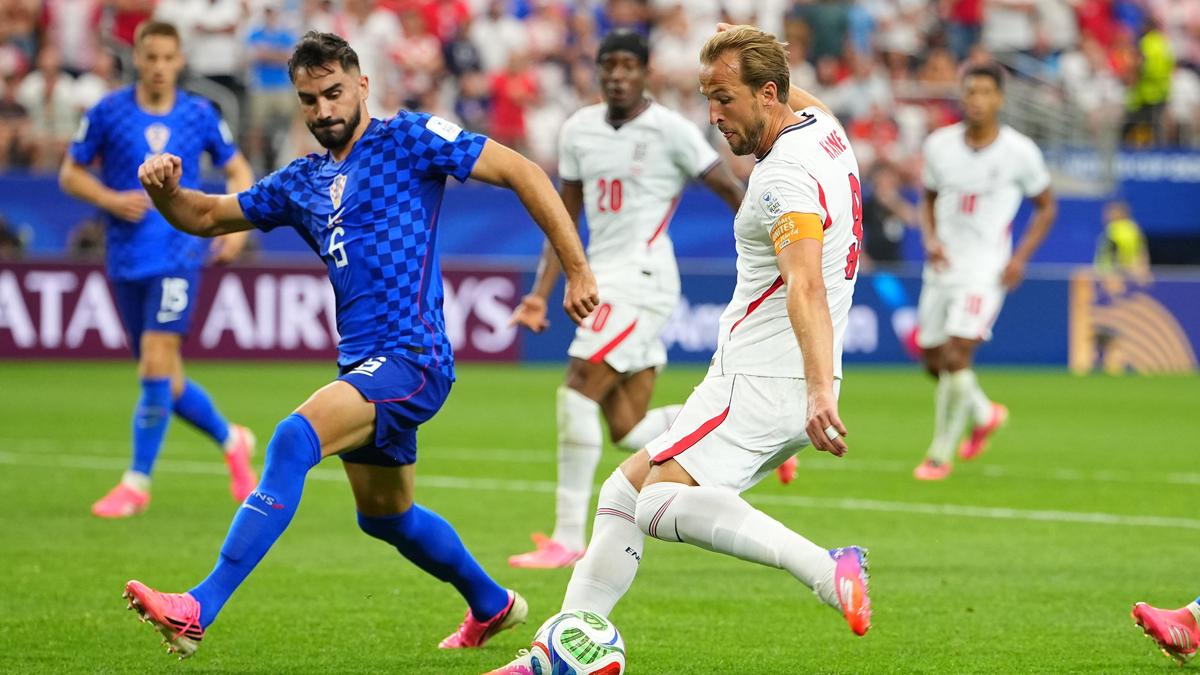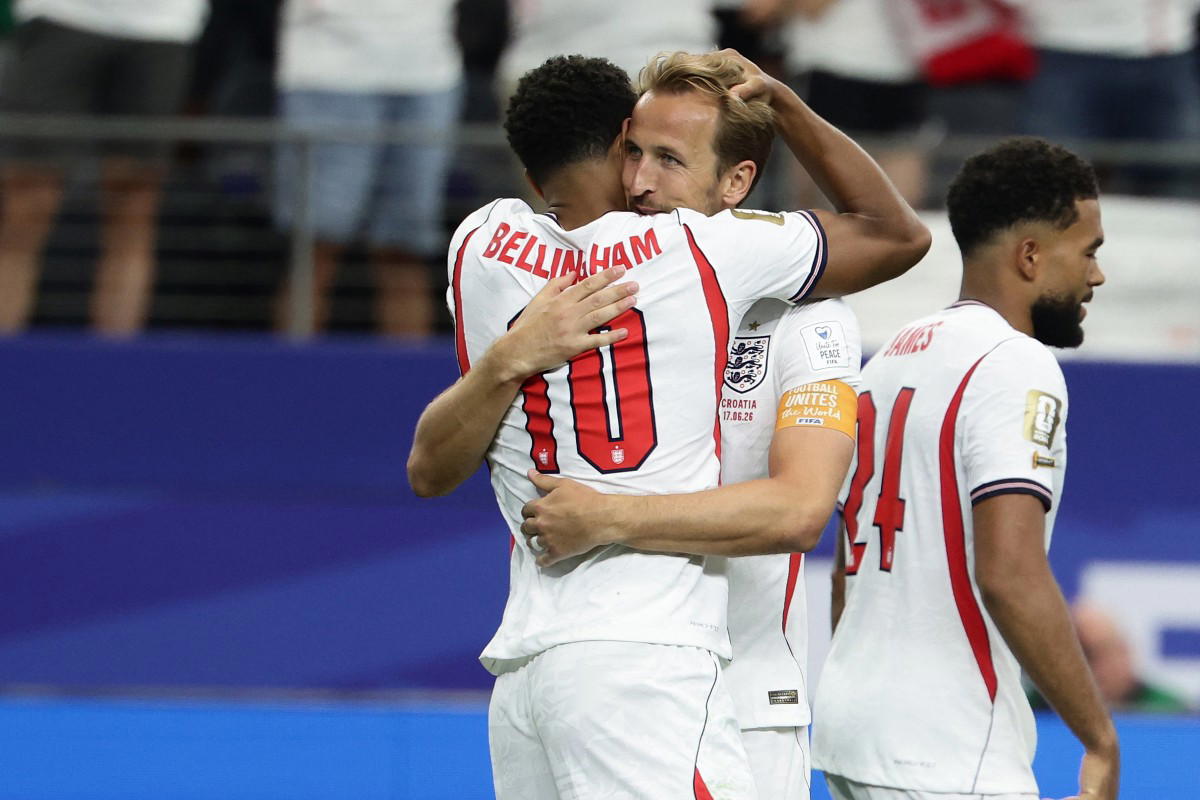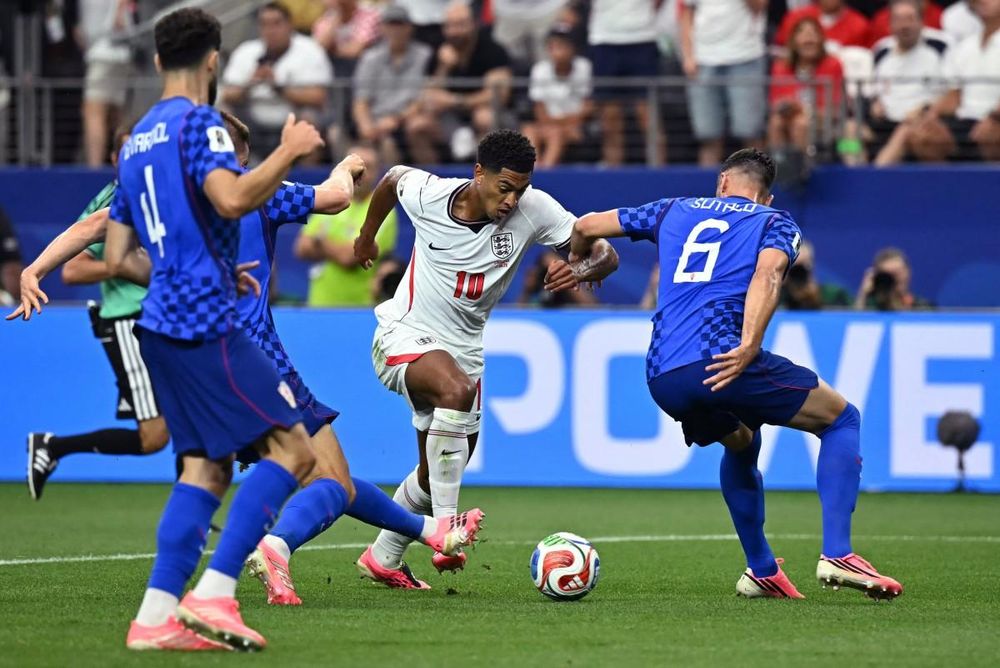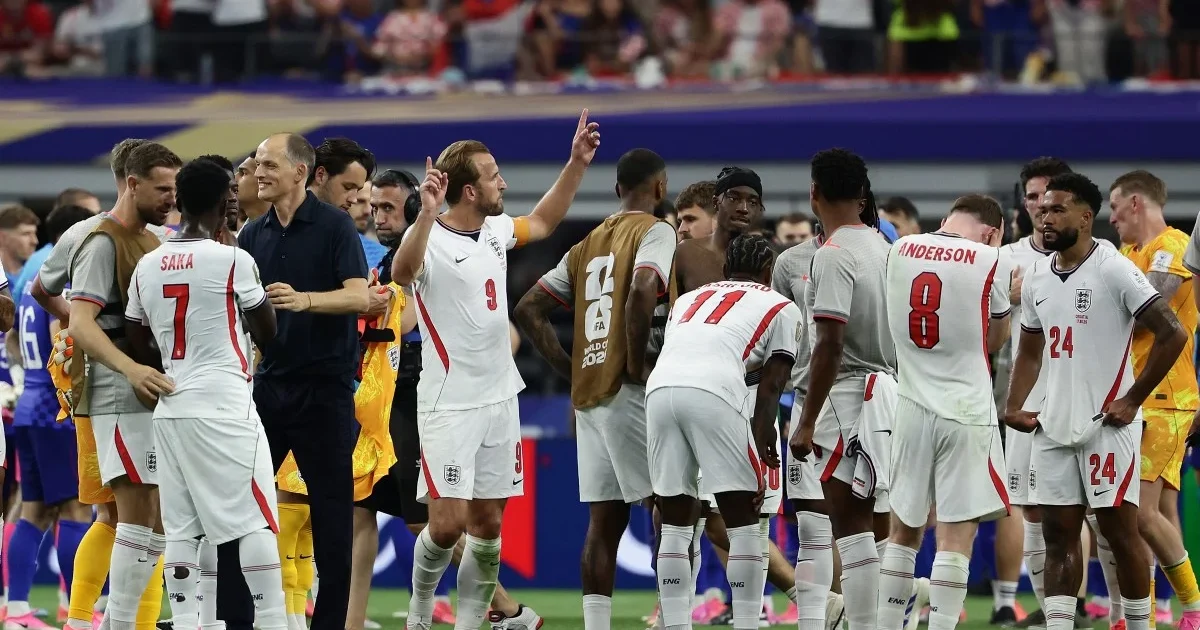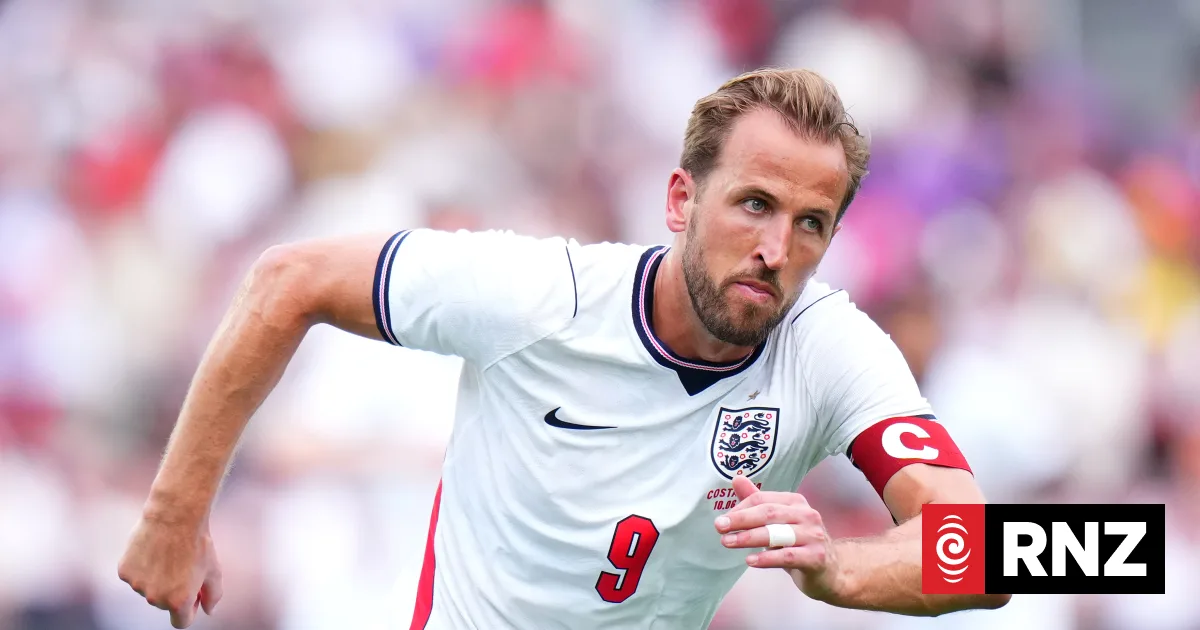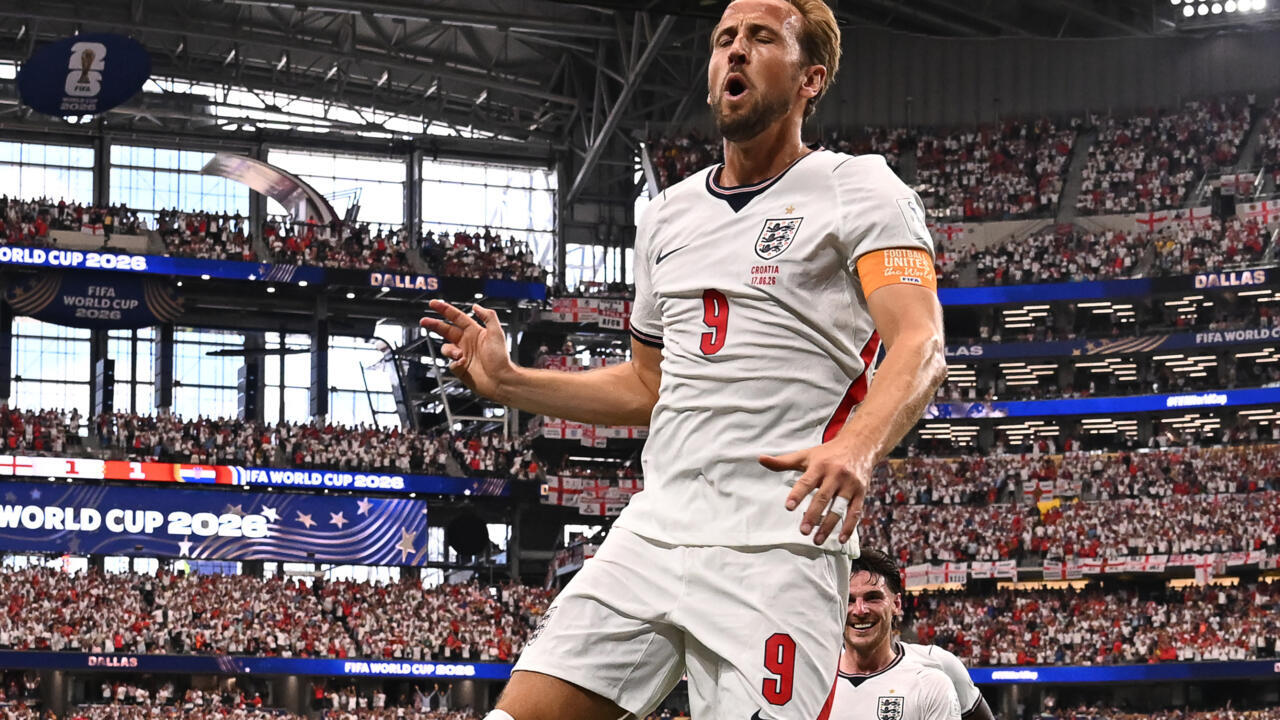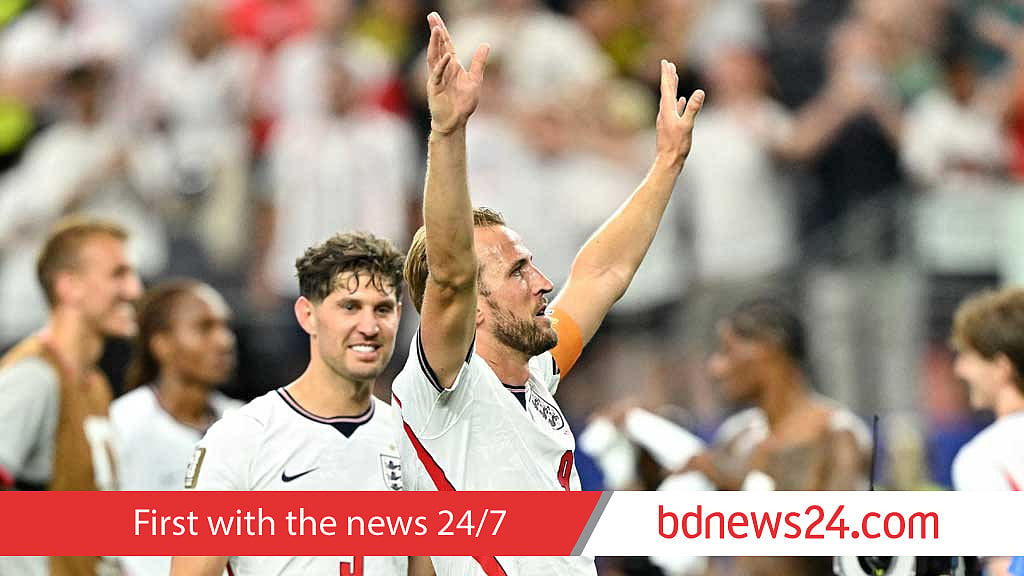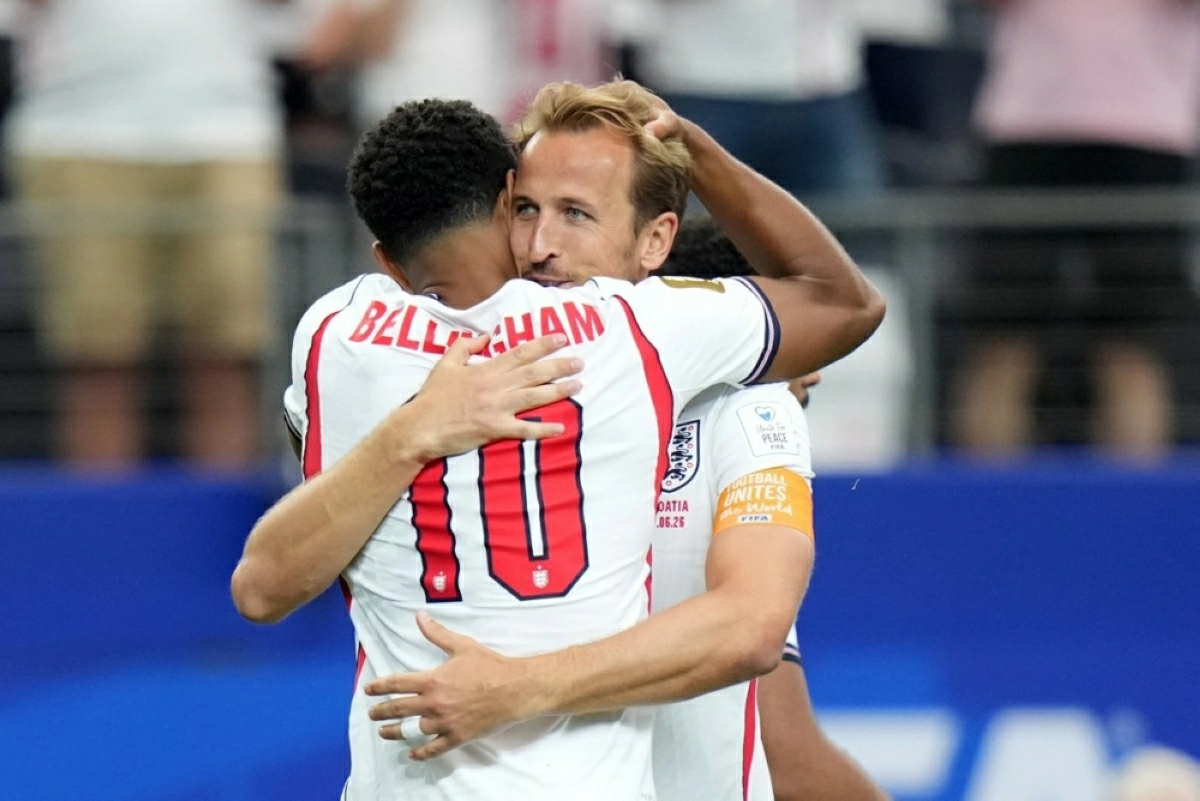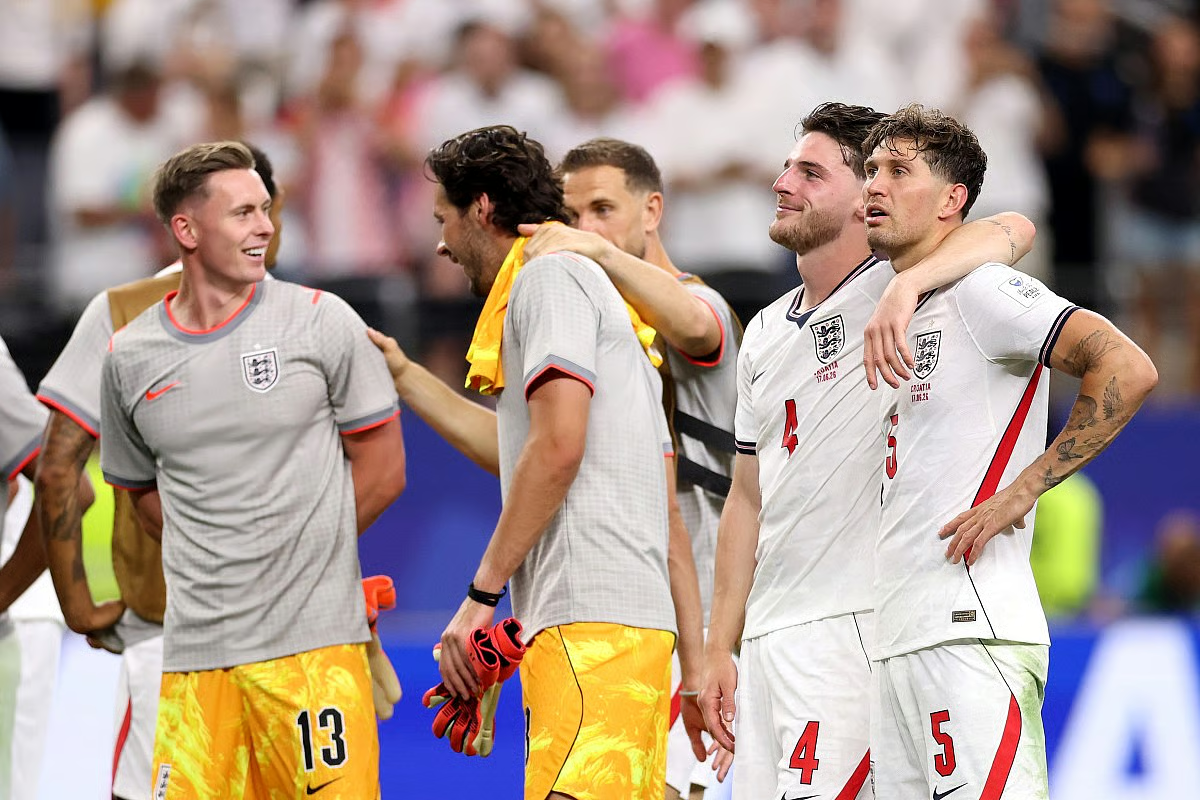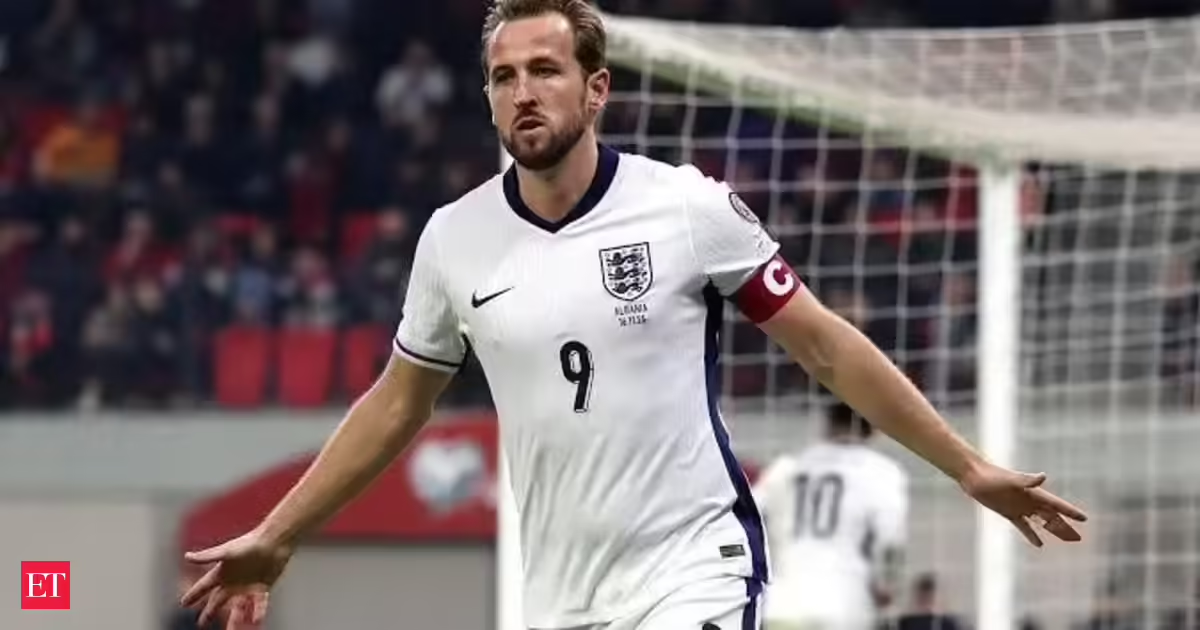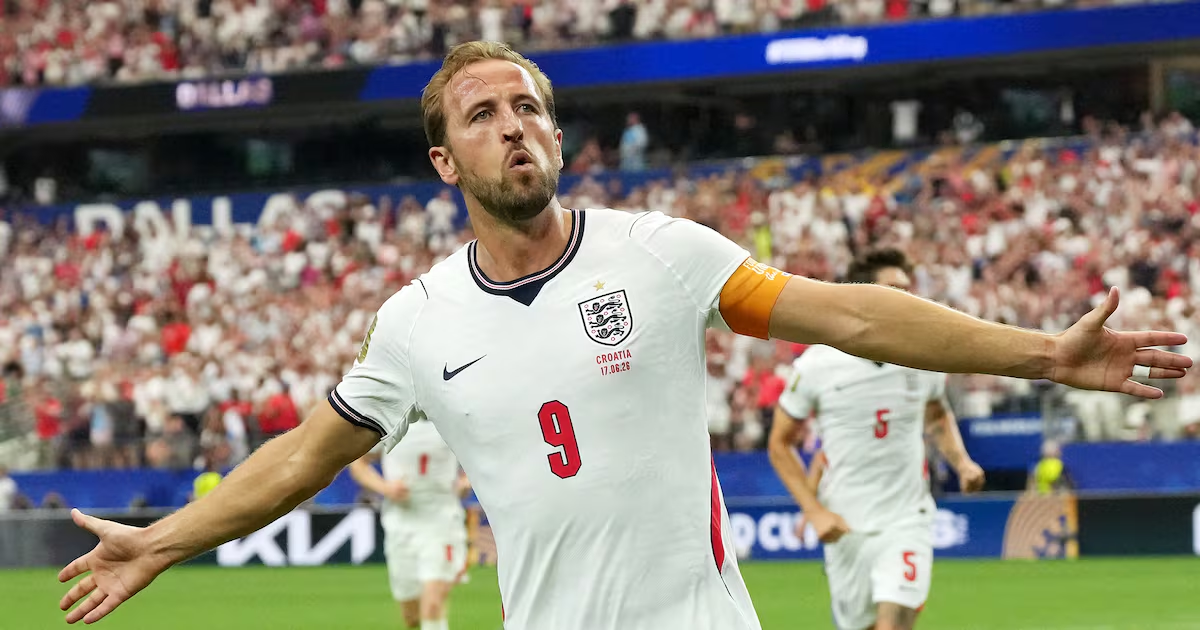
World Cup, Group L: England 4 (Kane 12 pen, 42, Bellingham 47, Rashford 85) Croatia 2 (Baturina 36, Musa 45+5)England began their World Cup campaign with a 4-2 win over Croatia that posed the question: how can a team cycle through different generations, different managers, different players, different philosophies, and yet always display the same tournament personality? Past England managers have generally been in thrall to talent, or maybe just to the big names and big influence of their most important stars. Their usual failing has been to pick the best players and hope it’ll be all right on the night, even if those players don’t complement each other and, in fact, do not even like each other. Number of World Cups won in the last 60 years: zero. Thomas Tuchel has taken the opposite approach. He has taken an iconoclastic approach to talent and reputation. The question he asked: does this player have the specific attributes to do the specific job I have in mind? Cole Palmer was left out of the squad, Noni Madueke was in. Palmer is obviously a more gifted footballer than Madueke, with a better record in big games to boot. But Madueke is big and fast and strong and you can put him on the wing and be sure he is going to do a very specific job. Palmer might want to drift. We saw this pattern over and over. Jarrell Quansah ahead of Trent Alexander-Arnold. Why? Quansah prioritises defending. Ivan Toney over, say, Morgan Gibbs-White. Toney can do a very specific job as a central target-man. Gibbs-White finished the season as arguably the most in-form attacker in the Premier League, but he wants to play in a position that Tuchel has already earmarked for Jude Bellingham and Morgan Rogers. Should you bring Gibbs-White if you are only likely to use him out of position? Tuchel decided he’d rather bring a target-man shaped peg for the potential target-man shaped hole. England head coach Thomas Tuchel during the game at Dallas Stadium in Arlington. Photograph: Aric Becker/AFP via Getty Images It suggests Tuchel thinks about players as cogs of a particular shape that can be assembled into a team with specific characteristics. This goes against the romantic instincts of English football, but given that the romantic instincts have led them to zero titles in 60 years, maybe Tuchel’s approach is worth a go. But the evidence of this first game was not entirely convincing. As usual when England play in a tournament, it was their opponents who played most of the football. Tuchel’s England, with Anthony Gordon and Madueke flanking Harry Kane, do at least have what they lacked in 2024: a clear method and structure: quick balls into space to release the fast wingers, and look for set pieces. Croatia, meanwhile, try to play lots of short passes until something they can improvise with comes up. England’s opening goal on 12 minutes began with the unfamiliar sight of Declan Rice taking an outswinging corner. It was cleared to the edge of Croatia’s box, where Luka Modric tried to send it on its way with a big swinging boot. Noni Madueke had anticipated this and flung himself towards the ball on Modric’s blindside, the Croatia captain kicked him and England had a penalty. The Croatian fans rejoiced as Dominik Livakovic – who has a formidable tournament record at penalties – saved Kane’s stutter-step effort. It seemed that Kane had begun the new World Cup as he had finished the last one. But the referees noticed that Livakovic had moved 2cm off his line, so Kane had a second chance. There were no stutter-step frills this time from England’s captain, as he went the same way while Livakovic changed direction. Tuchel spent the entirety of the first hydration break ranting at his players. The Croatian team had long since disengaged from their own timeout huddle and were awaiting the restart for about 45 seconds by the time Tuchel finished dispensing instructions. Croatia proceeded to keep the ball for the next three minutes. Harry Kane celebrates scoring England's opening goal from a penalty. Photograph: Nick Potts/PA England were sitting off, looking to pounce on mistakes, comfortable in a certain way, but also slowly forgetting what it felt like to have the ball. You couldn’t tell whether this was their implementation of Tuchel’s detailed instructions, or just their familiar tournament personality reasserting itself. The question was, could Croatia find a cutting edge? There seemed no danger as Petar Sučic laid the ball back to Martin Baturina 25 yards out, but the Como midfielder’s fierce first-time shot somehow crashed past Pickford’s unconvincing dive into the roof of the net. England could comfort themselves with the knowledge that they were always likely to get another corner, and on 42 minutes Rice sent over another outswinger.Luka Vuškovic, the 19-year old Tottenham defender who has spent two years out on loan, is reputed to be an aerial monster, the most dominant young defender in Europe when it comes to headed duels and clearances. But you try heading a ball away just as John Stones pushes you in the back. The ball went inches over Vuškovic’s head and on to that of the lurking Kane, who buried it in the bottom corner. It was 2-1 to the grinding logic of the Premier League versus the free-flowing spirit of this World Cup. Croatia had no choice but to play more football, and in the last minute of first-half injury time, they crafted another equaliser out of nothing. England were happy to stand and watch Croatia pass sideways in front of them, but Mario Pašalic surprised them with a sudden chip from midfield that caught Ezri Konsa on the hop. Reece James sprinted to close down Ivan Perisic, who was ghosting in behind, but the veteran cleverly headed it back into the space James had just vacated to his unmarked team-mate Petar Musa, and the Dallas FC striker clipped a volley expertly past Pickford. Petar Musa scores Croatia's second goal. Photograph: Katelyn Mulcahy/Getty Images “A complicated and confusing first half,” lamented Tuchel’s assistant Anthony Barry in an unusually revelatory half-time TV interview. “You’d think the penalty would free us up, allow us to play more like us, look more like ourselves, but again we fall back into some fearful patterns.”But England did look like themselves – that was the whole problem. It was the classic England performance, the same kind we often saw with Southgate, with Hodgson, with Eriksson… different generations, different coaches, different players, same personality. Luckily for Tuchel, he didn’t leave all the top talent back home. Bellingham will never be a Modric, but he will always be a formidable goal threat from midfield. A hopeful ball down the right saw him usher Madueke away and take it on himself, powering into the right side of Croatia’s box and threading a finish past Livakovic and in off the far post. How would England respond to their third lead of the day? This time, with their most dominant period of the match. It felt like Livakovic and his defenders scrambled away 10 efforts in the next 10 minutes as England chased a fourth. Modric went off on the hour, exhausted, and the departure of their greatest-ever player did not improve things for Croatia. As they pushed forward, substitute Marcus Rashford added a fourth on the break that might get him in the team next time at the expense of Anthony Gordon, a ghostly presence throughout. It put a gloss on the result that was not really reflected in the performance.England have two more group games to find a better rhythm than this.
World Cup: England beat Croatia 4-2 as Harry Kane scores brace
England fall back into old tournament habits before half-time turnaround
1,278 words~6 min read