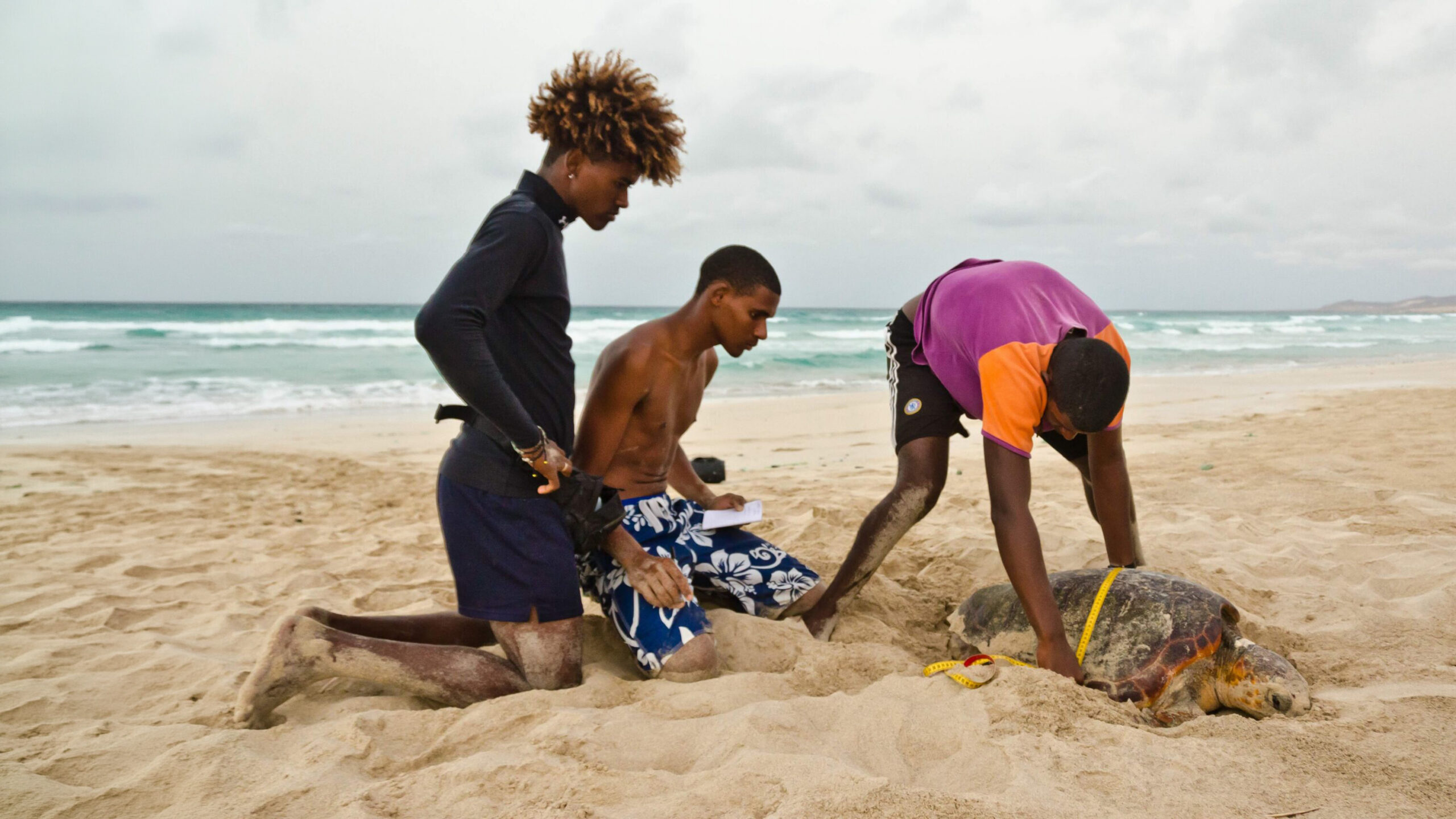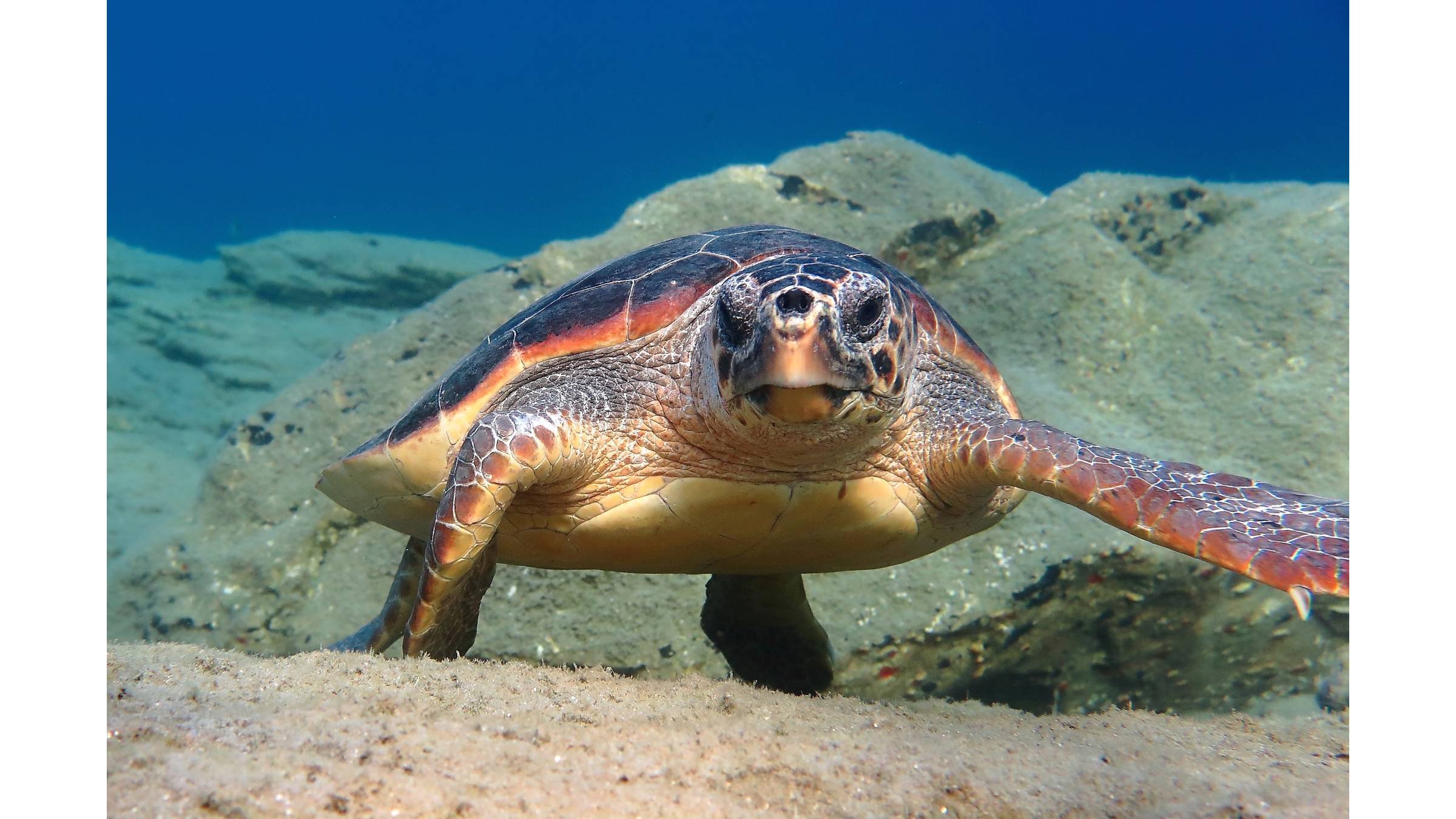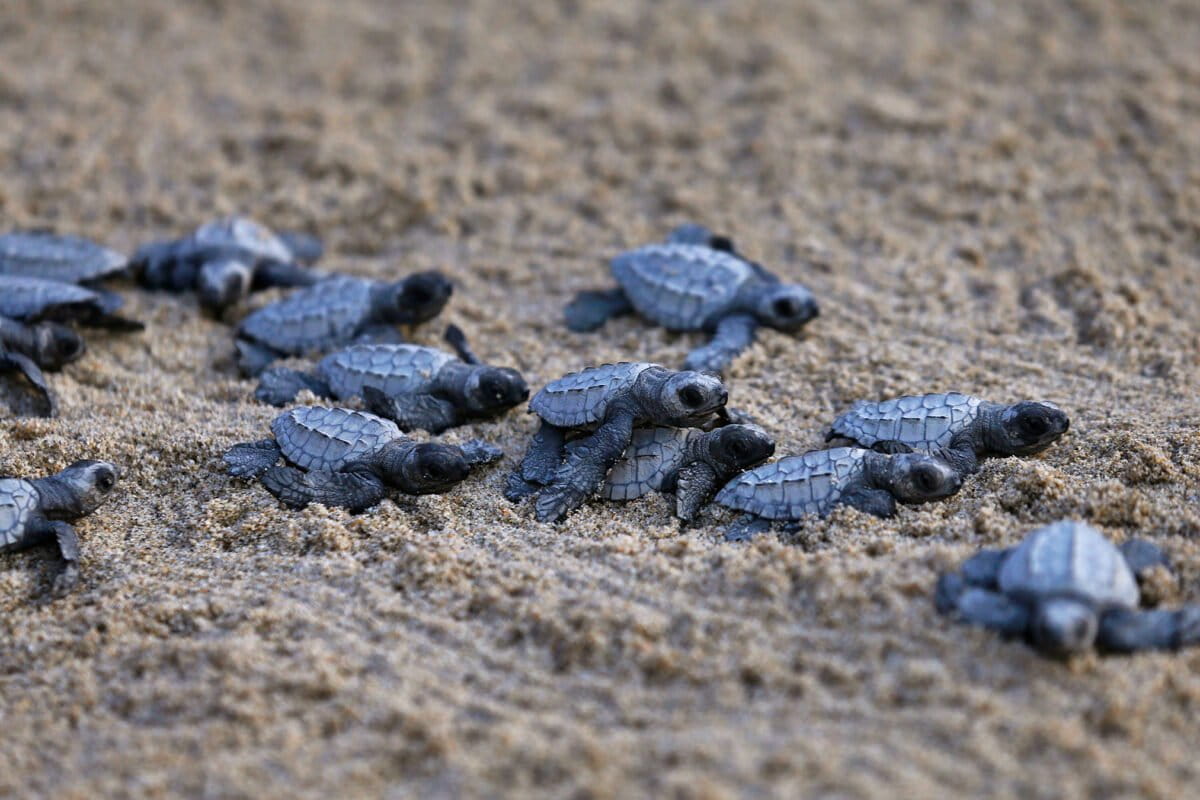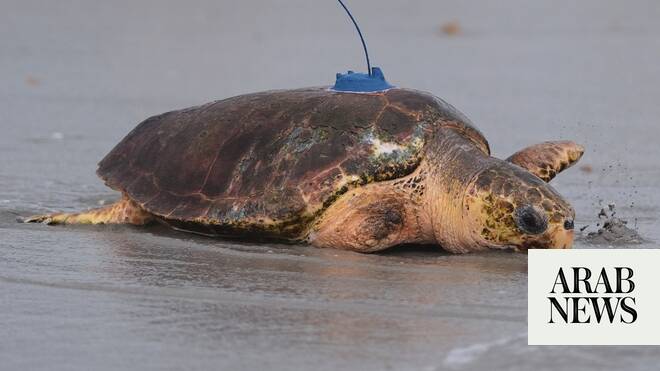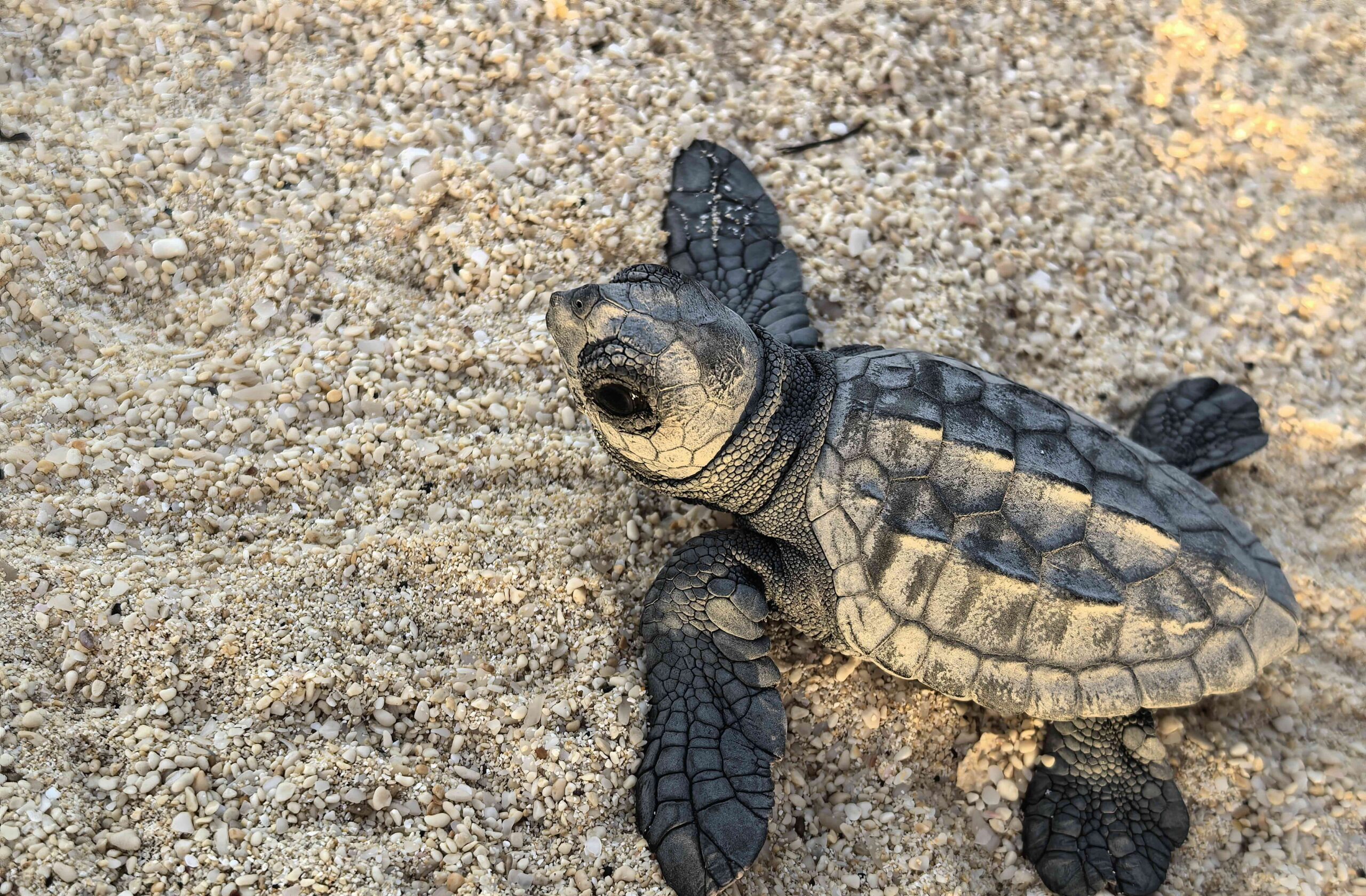
Conservation organizations are employing Cabo Verdeans, who formerly hunted endangered and threatened sea turtles, as rangers who now monitor and patrol beaches.From 2007-24, illegal catches of female turtles on one island plummeted from 1,253 to a mere 20, while nesting sites of vulnerable loggerhead turtles increased sevenfold, according to data by a conservation NGO.Locals traditionally consume turtle parts, use them in traditional medicine and now sell them in black markets; however, conservation activities, legislation and tourism have led to a reduction in turtle harvesting, researchers say.Conservationists say threats persist for sea turtles from at-sea captures, industrial fishing and plastic pollution, and that stricter laws and increased participation of the fisher community in conservation activities are needed.
Seven years into patrolling on Cabo Verde’s islands, Roni Nelson Batista Ramos now protects endangered sea turtles on the beaches where he once poached them.
A few decades ago, he hunted sea turtles to feed his family, he says, since consuming turtle meat was a common practice among locals on his island. Back then, all he did was hunt turtles, and it was free food on the table, Ramos tells Mongabay. However, after stricter conservation efforts and new legislation that criminalized killing threatened turtle species, poaching activities plummeted in the country. Many poachers were fined and struggled to adapt to a new life.