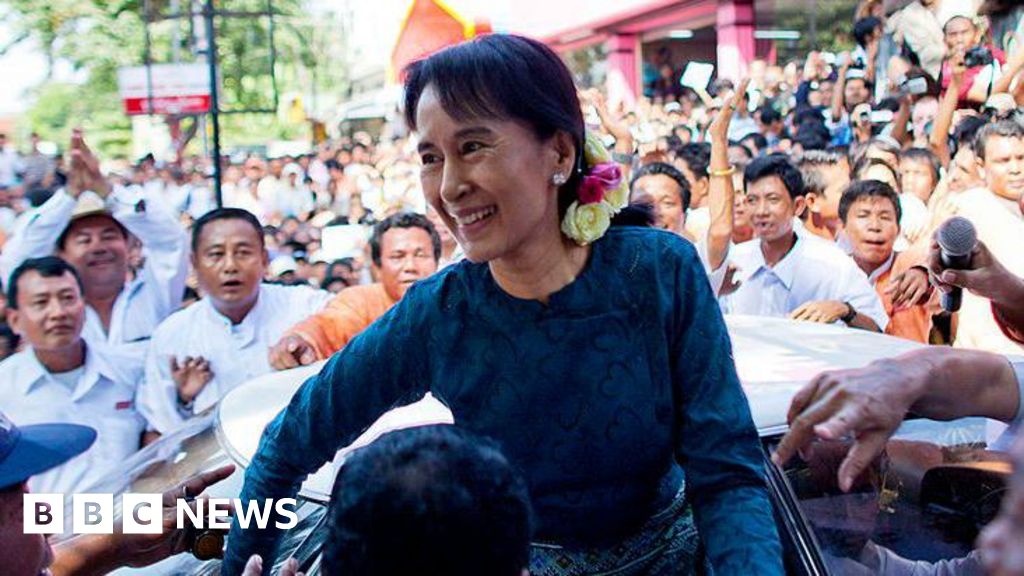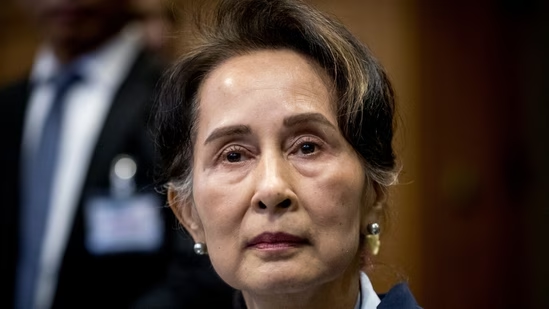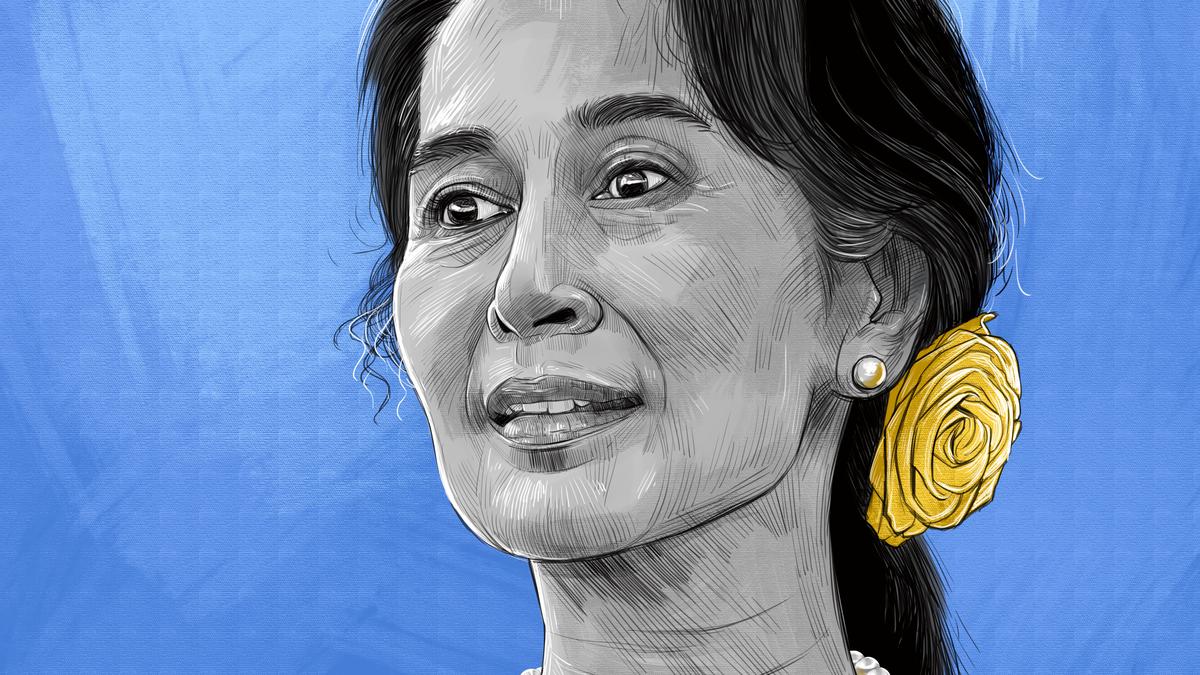
Aung San Suu Kyi is the daughter of Aung San, Myanmar’s independence hero and founder of the modern Burmese army. She studied at the University of Oxford in the United Kingdom and later married British academic Michael Aris. She returned to Myanmar in 1988 during pro-democracy protests and became the main leader of the National League for Democracy (NLD).
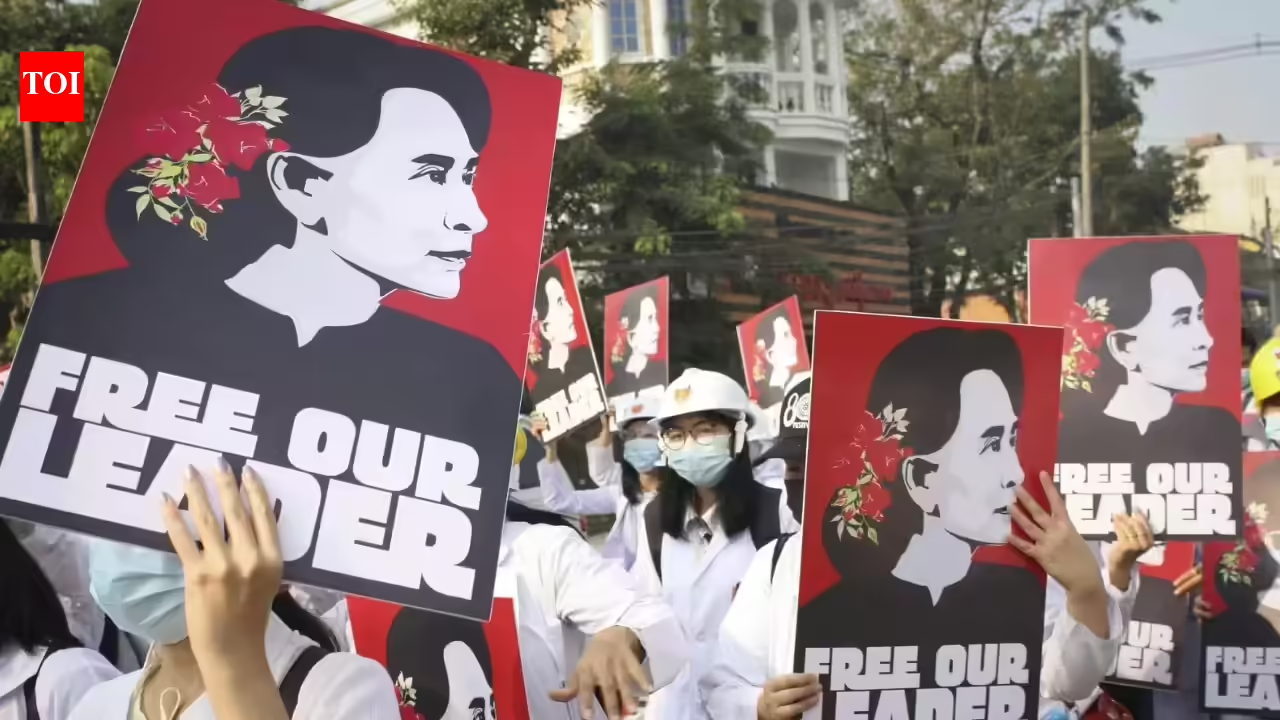
For her non-violent resistance against military rule, she spent around 15 years under house arrest and received the 1991 Nobel Peace Prize while still in detention. After the NLD won the 2015 elections, she became the de facto civilian leader of Myanmar from 2016 until the 2021 military coup. Her later political role became highly controversial due to international criticism over the Rohingya crisis.
Aung San Suu Kyi’s political legacy cannot be separated from the Rohingya crisis. The Rohingya crisis was not an accident. It was born out of decades of discrimination and reached its apex when leaders who had the power to make an impact opted to remain silent.
When the Rohingya needed protection, however, NLD’s leader Aung San Suu Kyi aligned with the military leadership, and those same generals who hold her in confinement.
Her stance during the Rohingya crisis was not passive silence but a political choice that reinforced the military’s position and weakened accountability. Her story begets a straightforward question: when you refuse to see the suffering of a persecuted people, who will protect you when your own power shatters?