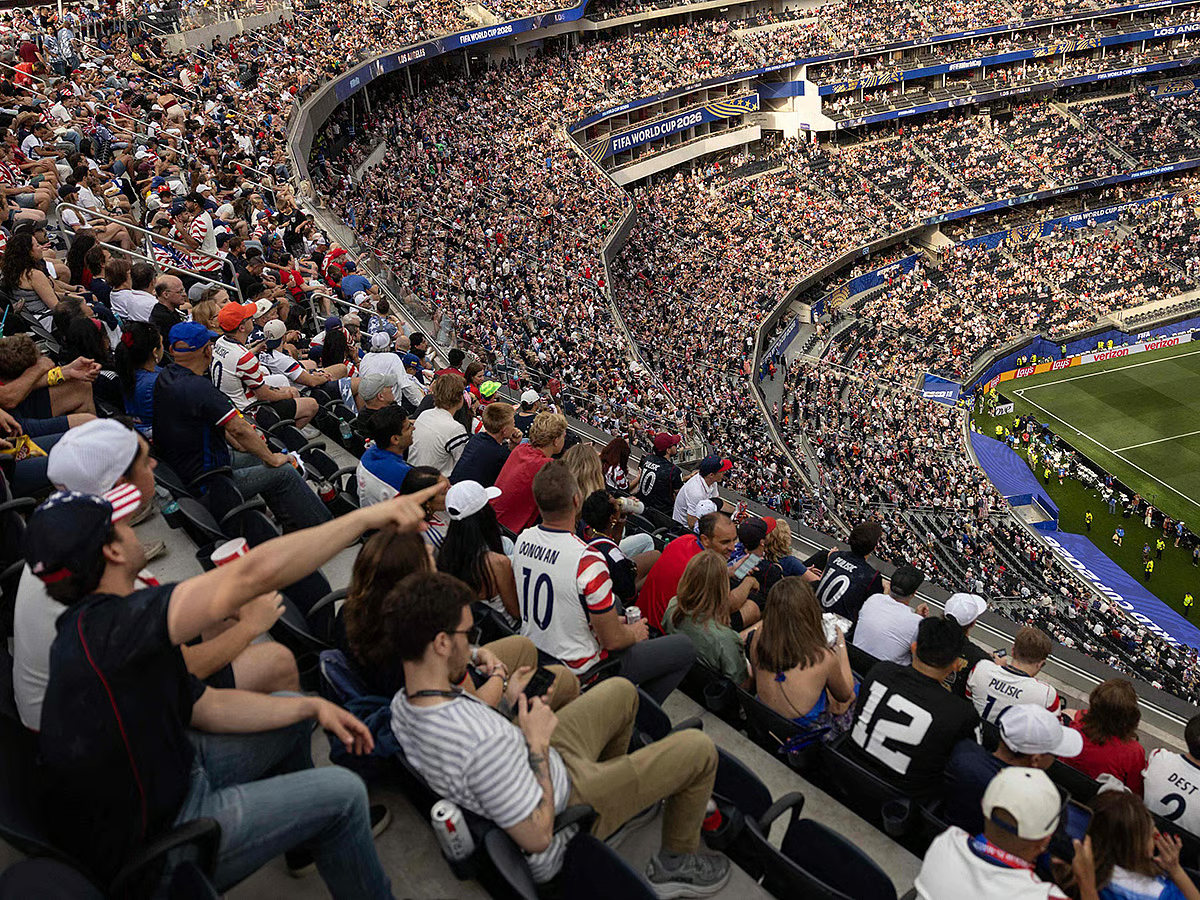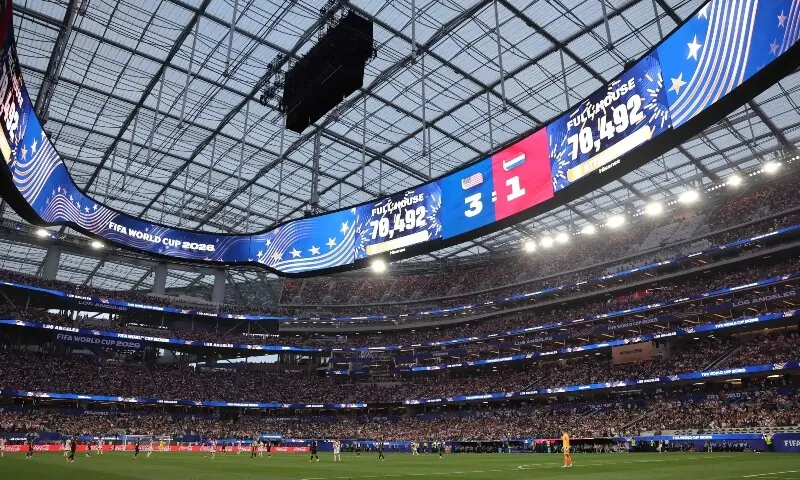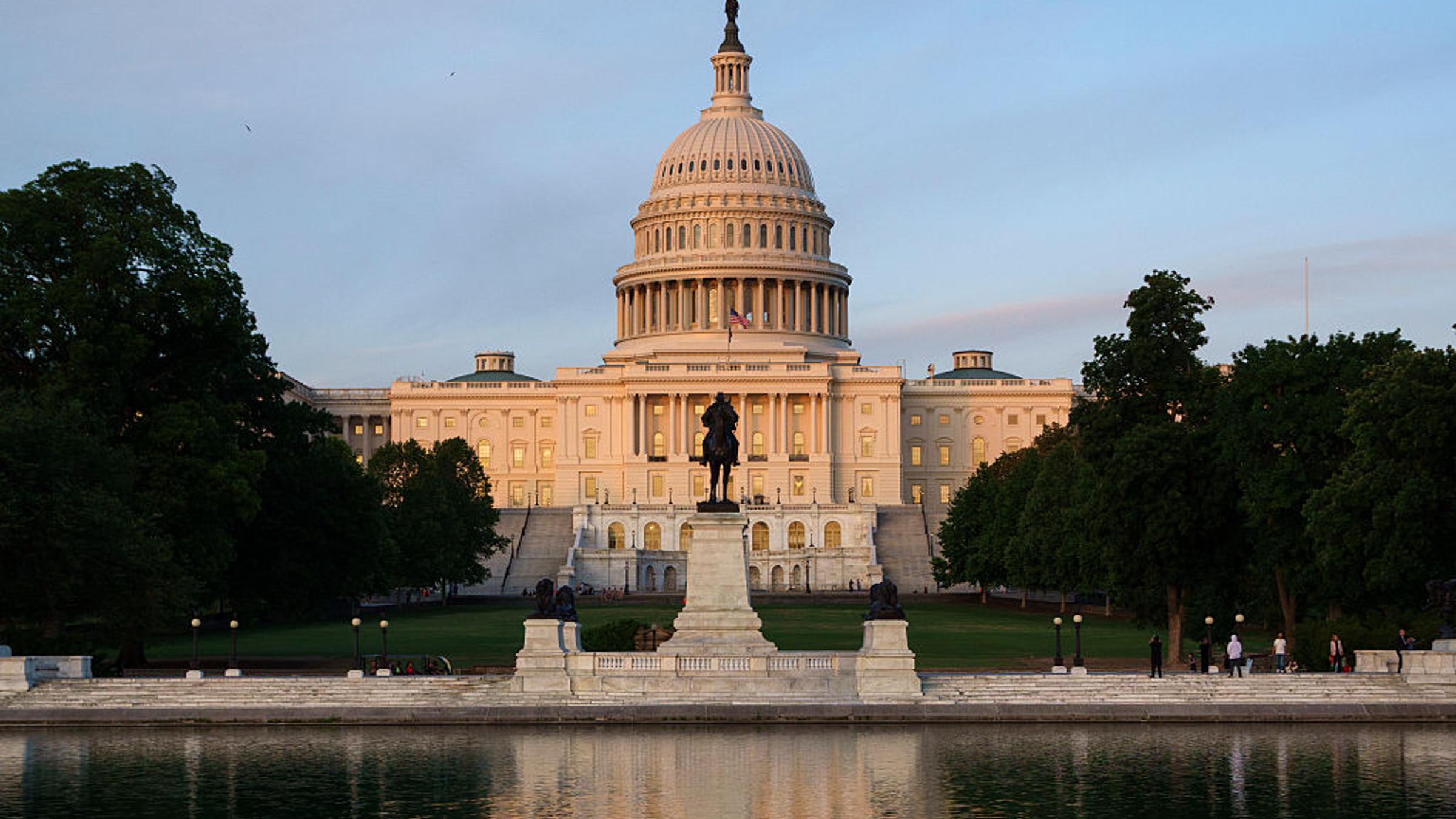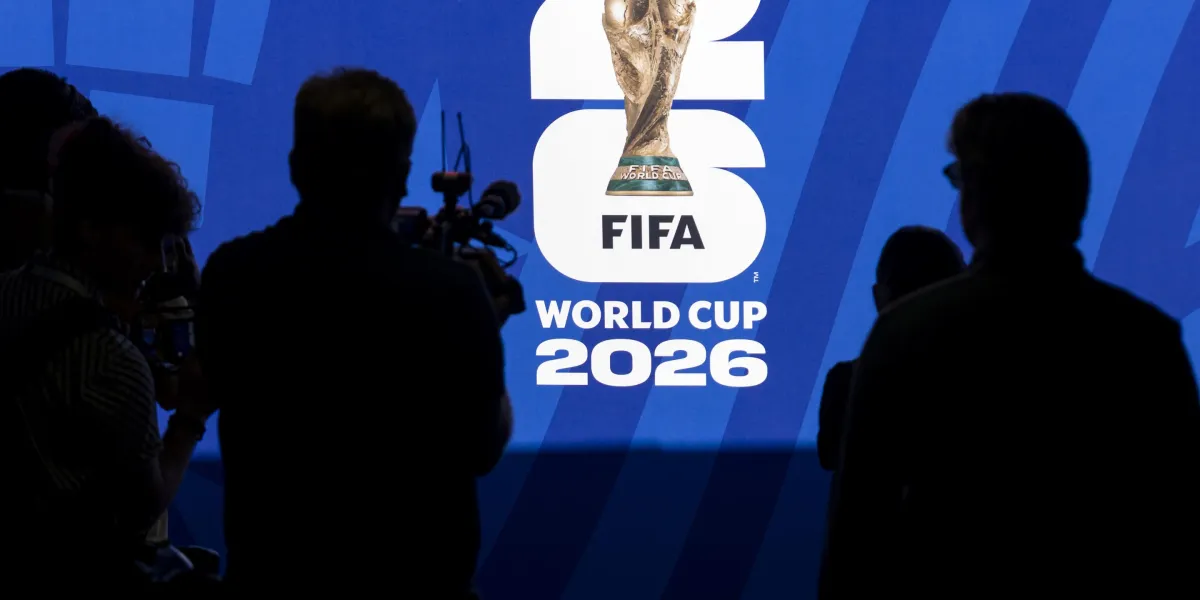
A controversial spy powers law has become the latest political casualty of President Donald Trump’s second term, injecting uncertainty into US intelligence gathering in a summer dominated by the World Cup and high-profile events celebrating the country’s 250th anniversary.
Republicans have painted a dire picture of the consequences of the lapse in the law, which expired on Friday, with Senator Mike Rounds warning that it “makes our country a lot less safe” at a critical time.
The standoff over renewing the surveillance authority appeared set to drag on as Trump moved on Wednesday to delay Senate confirmation of his nominee to be national intelligence director, Jay Clayton. He also demanded this week that partisan immigration policies be attached to any extension of the law, complicating prospects for a bipartisan deal.
Read more: Trump Says Nomination of US Intel Director Should Be Delayed
Even with the lapse, though, surveillance activities can continue through next March, thanks to authorization from the secretive Foreign Intelligence Surveillance Court. The intelligence community can also continue to keep tabs on their targets, something that will help with security around events like the World Cup, for which agencies prepare months in advance.