Photo credit: Maxim Elramsisy / Shutterstock
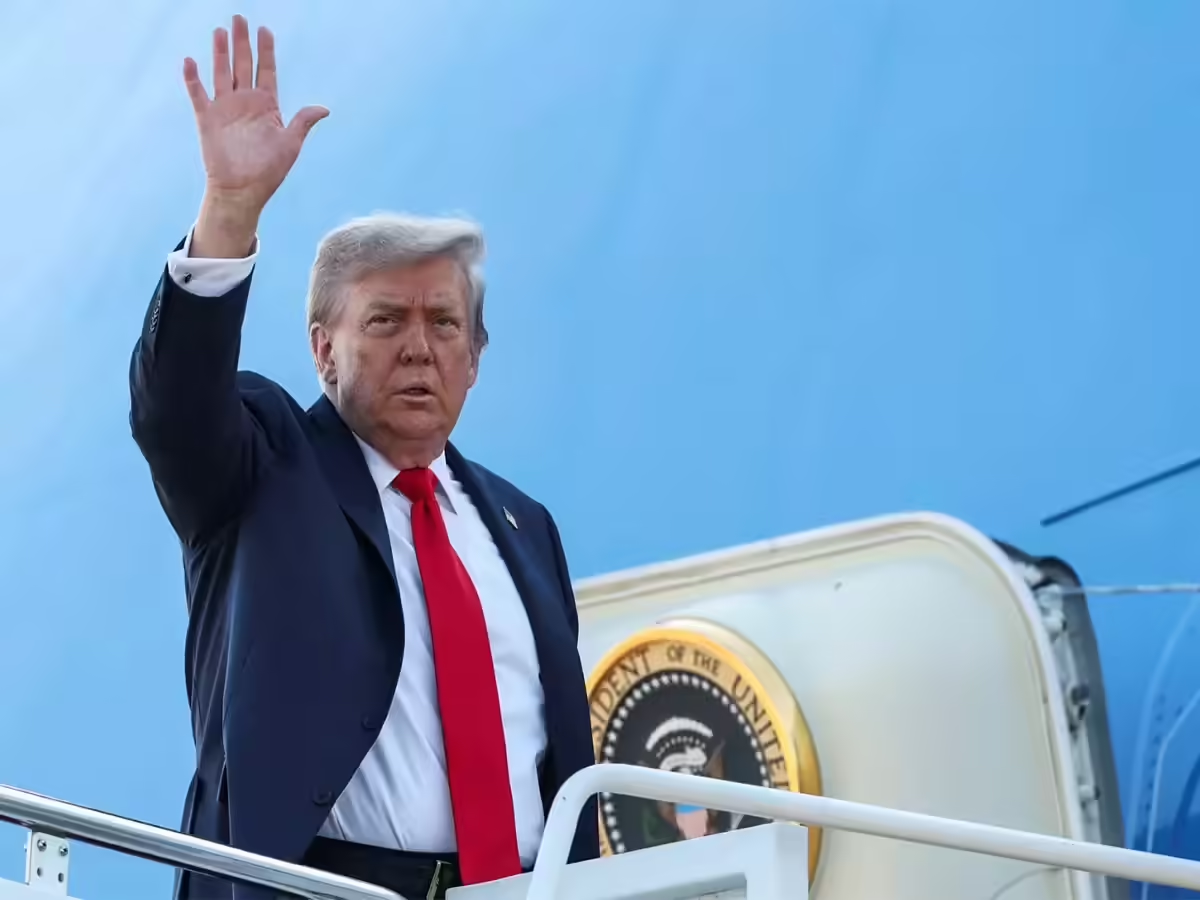
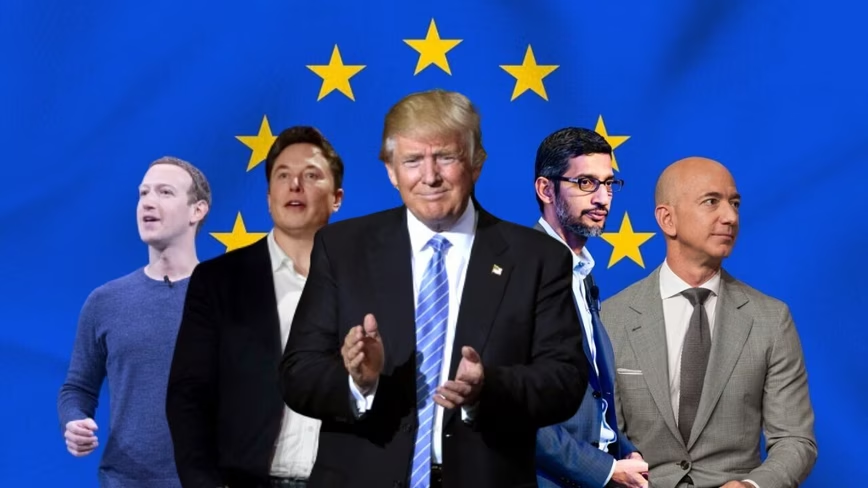
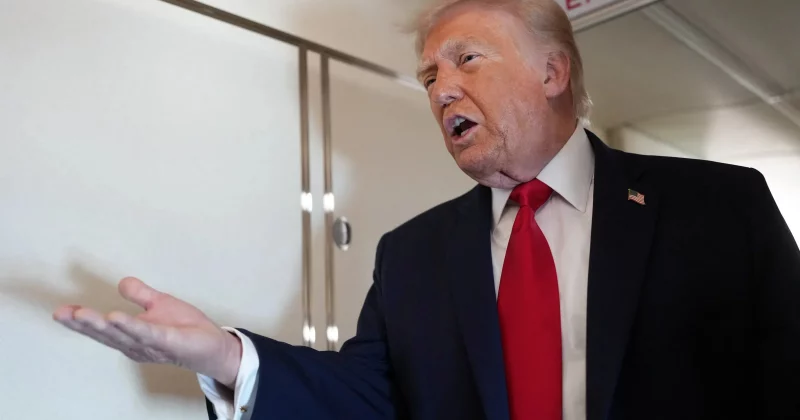
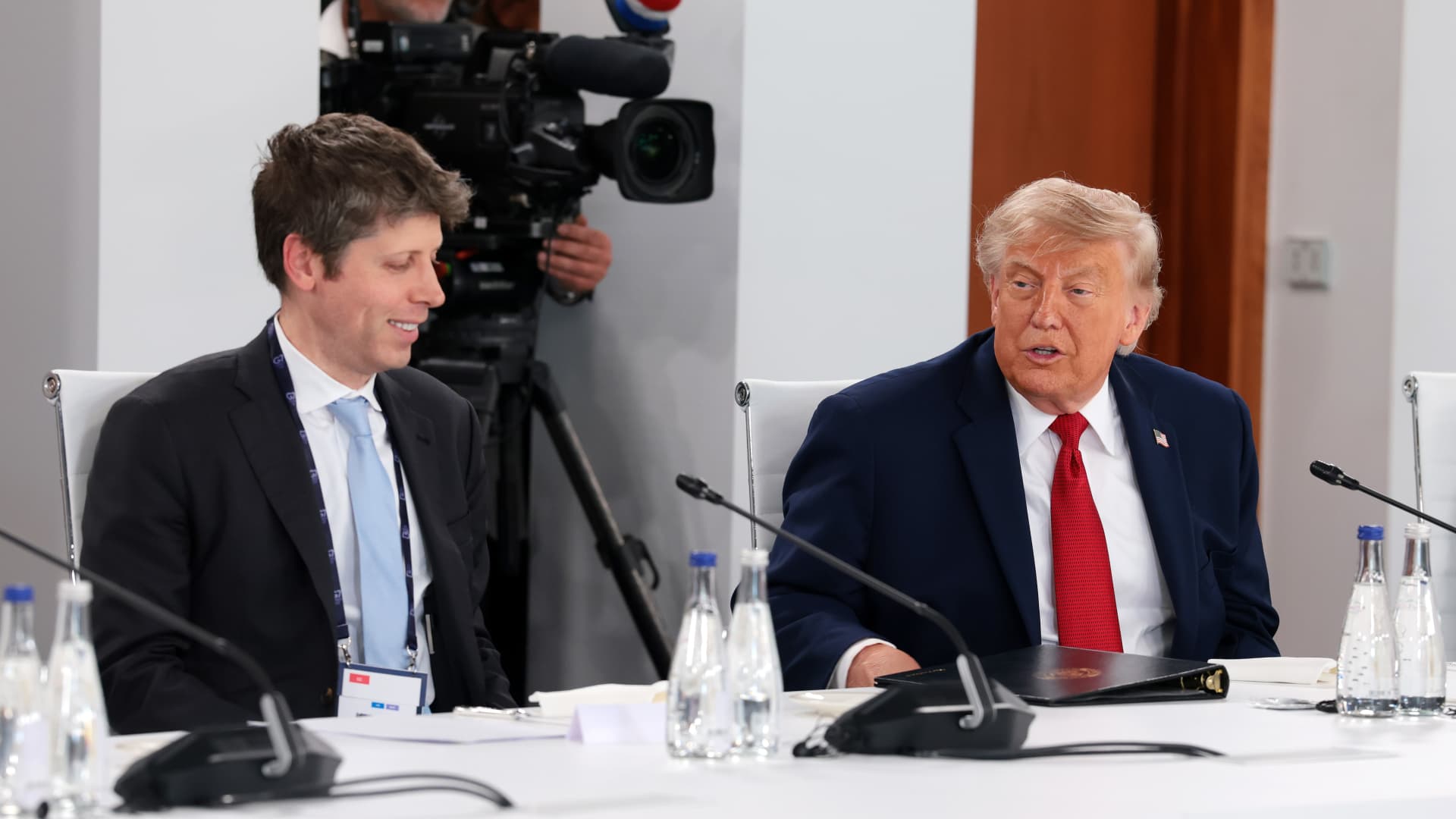
On June 5, aboard Air Force One, President Trump told reporters he had been talking with AI executives about taking a public stake in their companies. It would be a voluntary and passive arrangement, essentially allowing the American public to become a partner in the giants driving the AI boom, without board seats or voting rights — along the lines of the government’s 9.9% position in Intel.
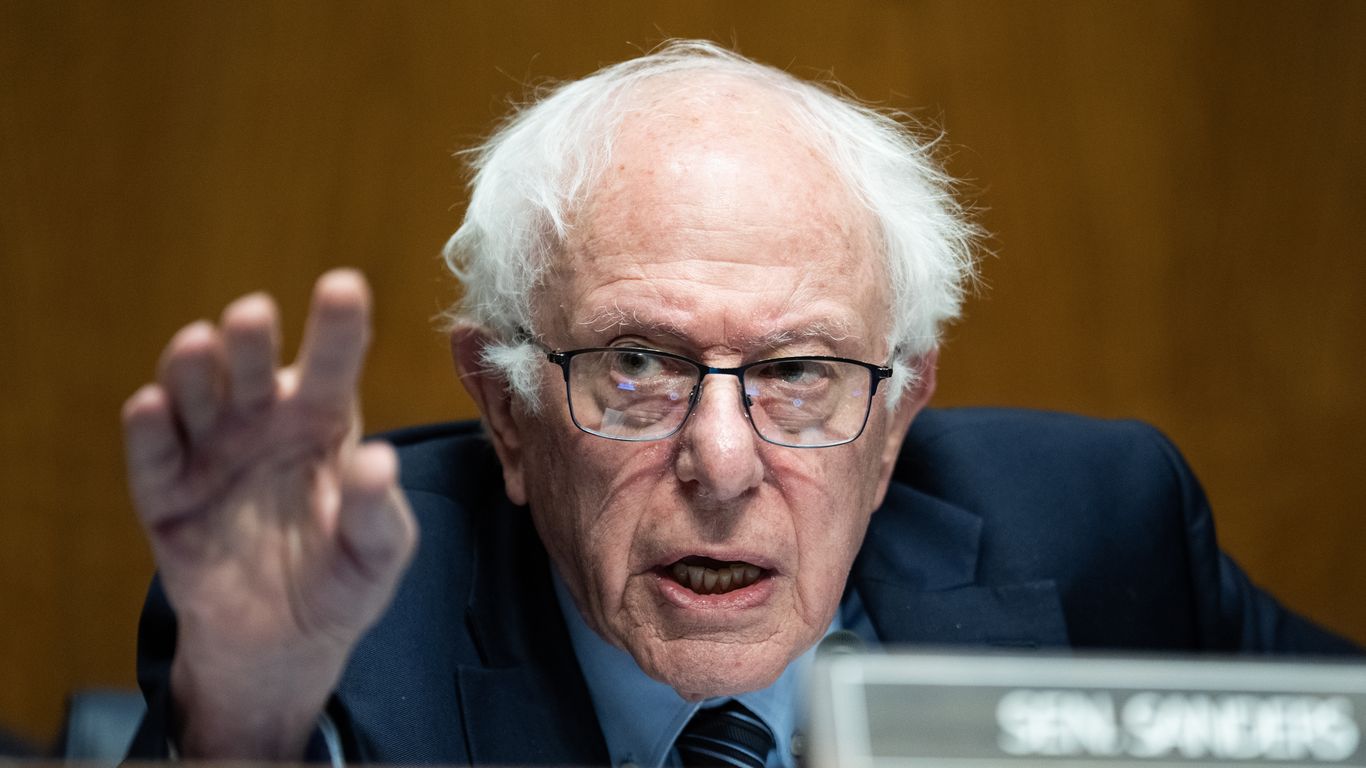
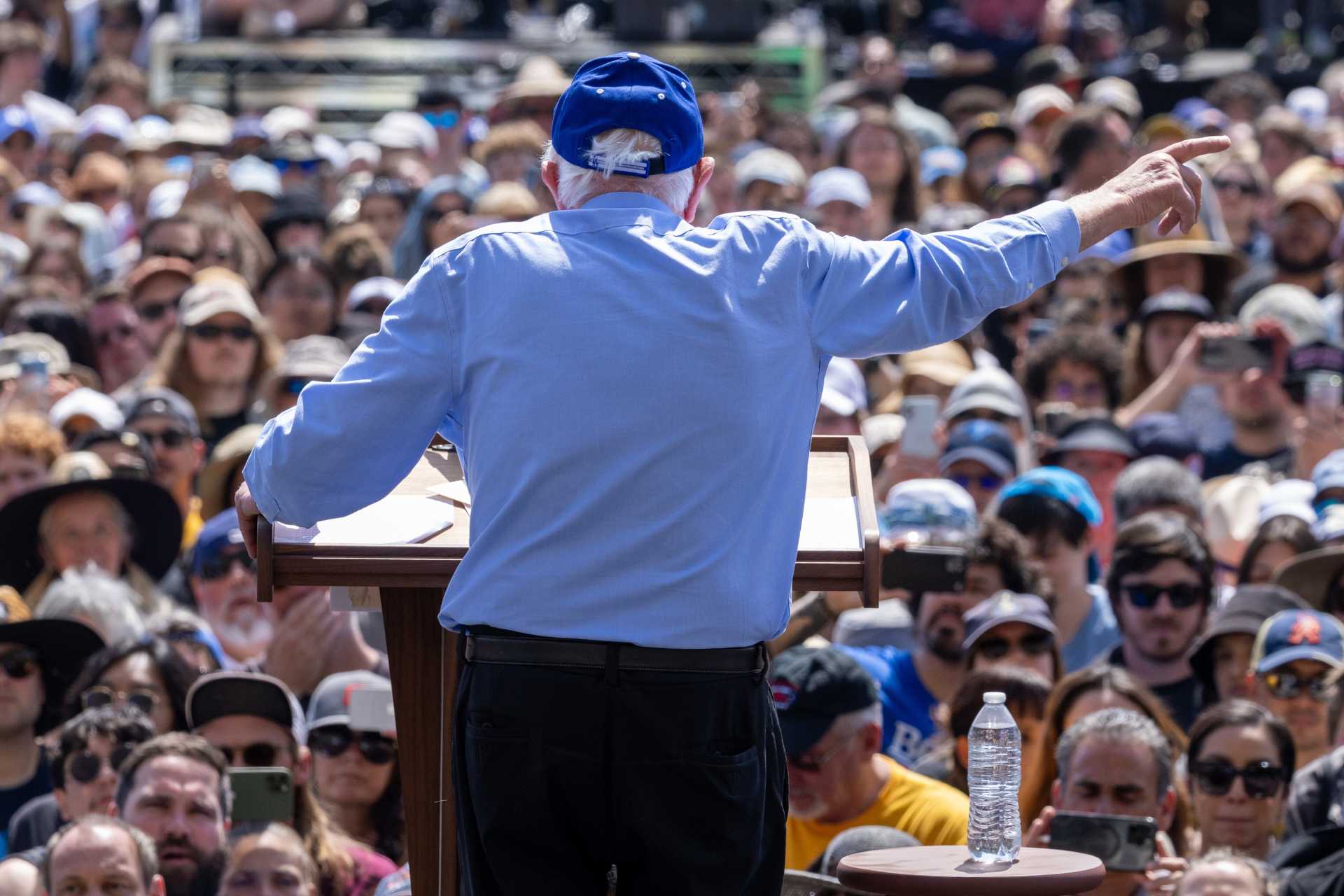
Days earlier, independent Sen. Bernie Sanders had introduced a bill that would take the same instinct much further: a one-time 50% tax on the largest AI firms, paid in stock, with the shares seeding a sovereign wealth fund and the government holding voting rights and a board seat at each company.
Two men who almost never agree on anything arrived at the same idea in the same week — one light-touch and optional, the other compulsory and hands-on.
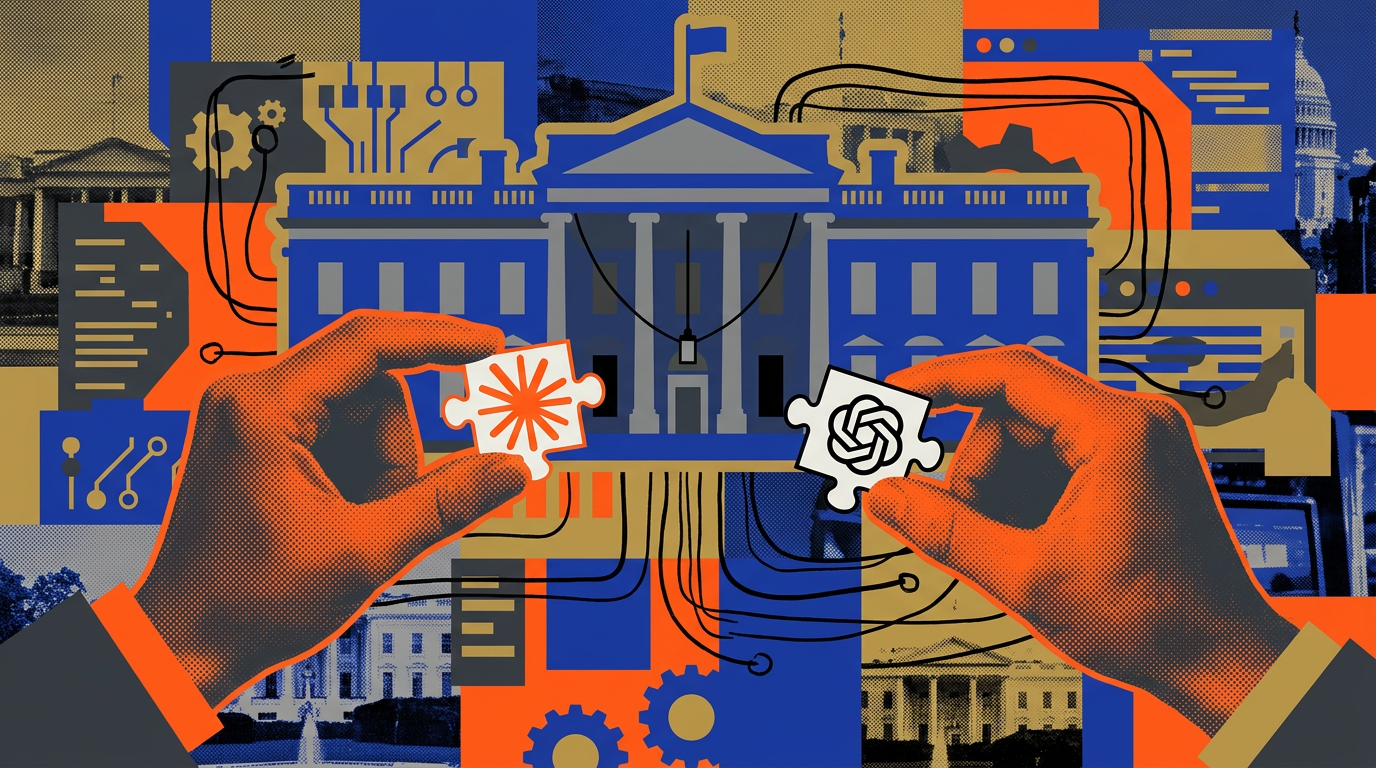
Both approaches have been discussed as questions of wealth distribution, of whether ordinary Americans should share in the gains of a technology built on collective knowledge. There’s no doubt that these arguments are central to how AI develops, but they leave out what owning these companies would actually entail.