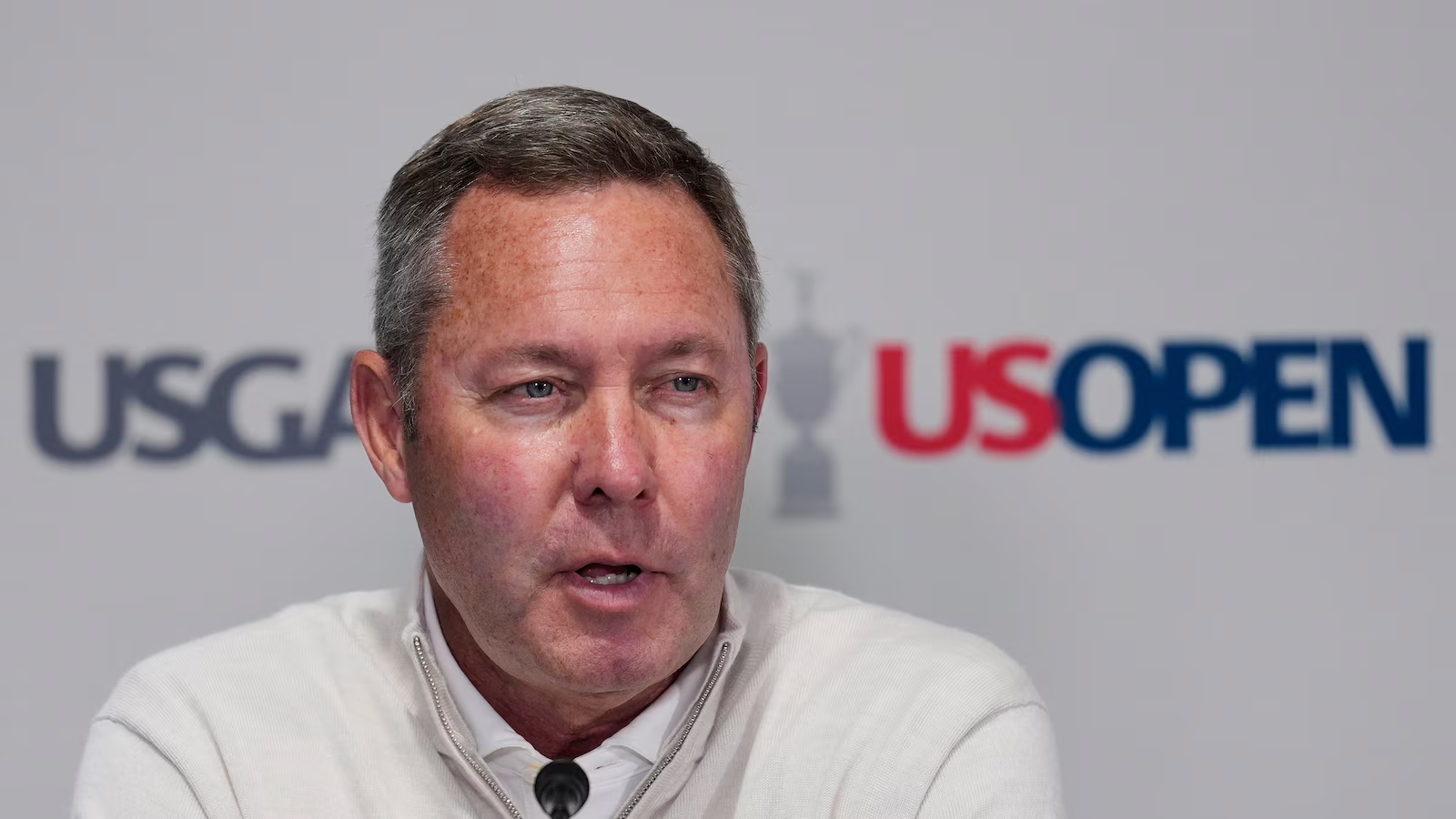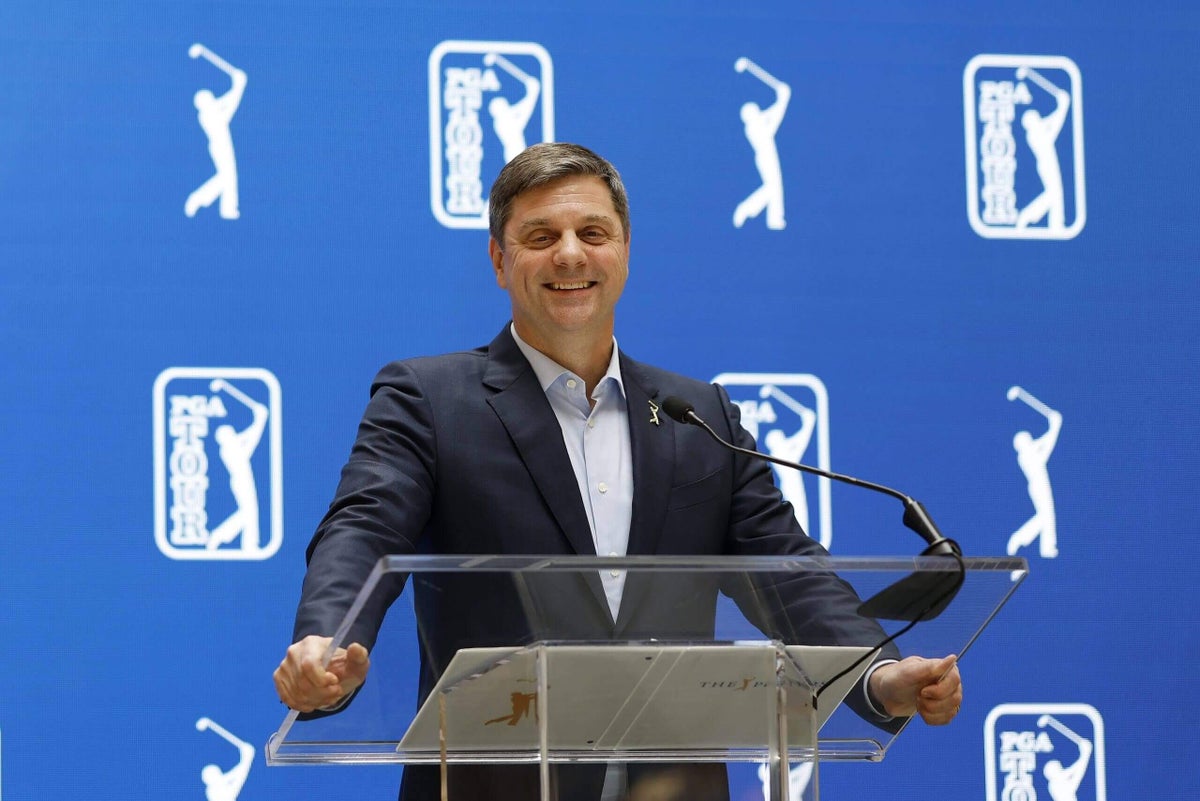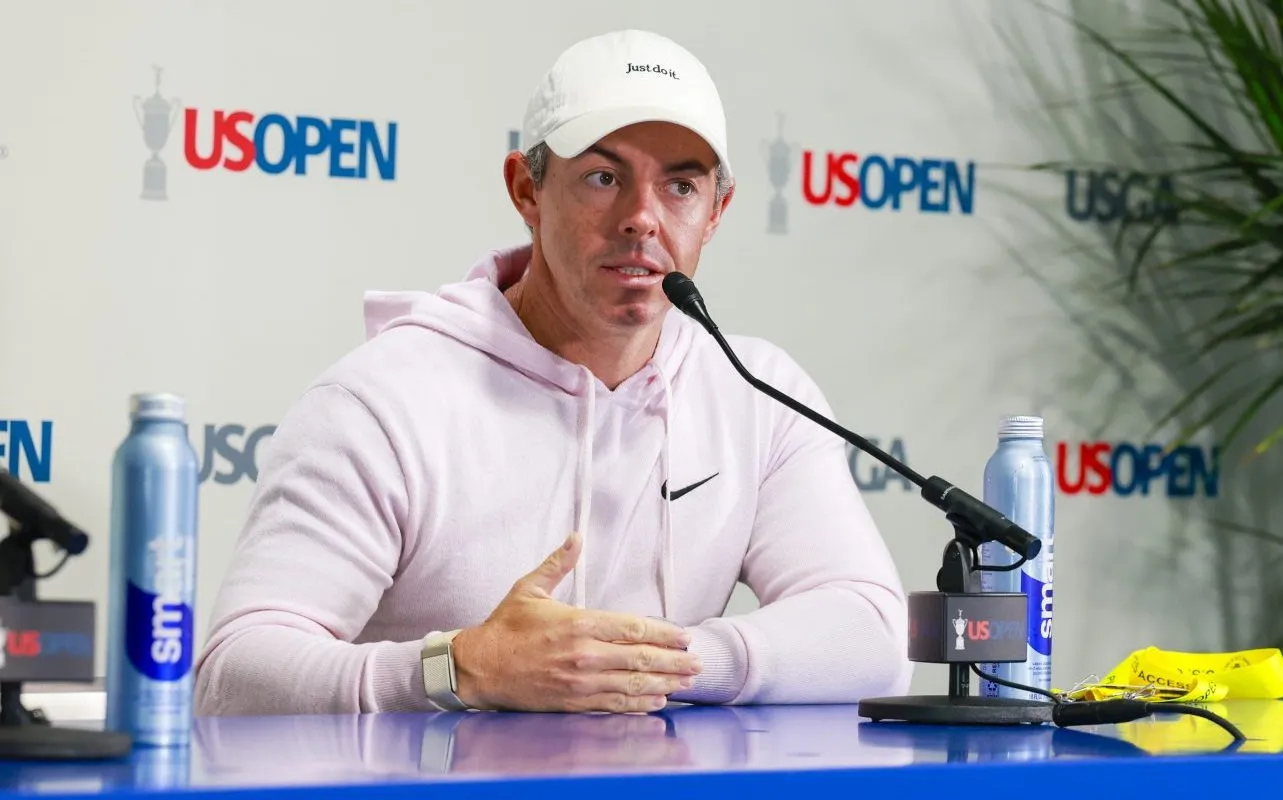
SOUTHAMPTON, N.Y. — Two weeks ago, before the Memorial Tournament, USGA CEO Mike Whan stood before the PGA Tour’s player advisory council at Muirfield Village and heard an earful.There were frustrations from the tour’s top players that the USGA and R&A’s solution of rolling back the golf ball in a few years wasn’t solving golf’s distance issue at all. Tension rose about wanting a larger seat at the table.However, what stood out to Whan was a sudden shift in thinking from the tour. Players agreed that distance was an issue.On Wednesday, a day before the U.S. Open begins at Shinnecock Hills, Whan and the governing bodies released a joint statement with a core set of points: the ball rollback’s proposed 2028 implementation would be pushed two years; the new testing might not achieve its goals; and previously unconsidered options might be used by 2030.The option of professional golfers playing a different ball from the casual golfer (bifurcation is the technical term) is back on the table, among other possibilities. This comes after years of stakeholders, including equipment companies, fighting against this. So maybe, just maybe, your Pro V1s won’t be affected at all.Here’s what it all means.What is this in the first place?Essentially, the USGA and R&A (the governing bodies for the U.S. and the rest of the world) firmly believe that rapidly rising swing speeds and distance put golf’s future at risk as courses run out of land to expand to and some of the game’s iconic venues are ruled obsolete. They viewed doing nothing as a non-option. And while limiting driver heads and equipment was one possibility, they first pushed to change how far golf balls went.But how can you fix the distance problem at the top of golf without hurting the successfully growing amateur game?The governing bodies wanted bifurcation. They wanted a “Model Local Rule” where balls were rolled back only in elite competitions. The PGA Tour, the PGA of America and most players adamantly opposed the rule, but those groups also denied that any changes were needed at all. They refused to concede that distance was a problem. And questions were raised over how much the manufacturing lobby played a role in this stance.The USGA and R&A, though, refused to back down. So if those groups opposed bifurcation, they had no choice but to roll it back all across golf.Is Golf Tech Evolving TOO Fast?The last thing anybody wanted was to make the game less accessible for the casual player. So the proposed changes planned to take 13-15 yards off the drive of a top PGA Tour player, 5-7 yards off an LPGA player and just 3-5 yards off the casual player.“I view the ODS ball change as a small, digestible bite that the industry can handle,” Whan said. “It would be small. It’s not horrific.”Whan knew this wouldn’t solve distance, but it could be step one.Then what happened?Stakeholders like the PGA Tour, LIV Golf and DP World Tour continued to fight against the change that would start on their tours in 2028, before going live worldwide in 2030. Privately, some wondered if the tours would ignore the rules and continue playing their own balls.Meanwhile, concerns grew over the past year that the rollback wouldn’t work in the first place. To summarize quickly, the current system tests balls at 120 mph to ensure they do not exceed the 317-yard distance limit. The new rules raise the test to 125 mph, which would obviously send a ball farther, meaning the balls need to be scaled back.However, wouldn’t the players keep gaining speed? Had they already gained more speed in the three years since the announcement?Those questions reached a new level in May, when Golf Channel reported that The Players Championship winner Cameron Young’s new golf ball — Titleist Pro V1x Double Dot — would conform with the new standards. It wasn’t intentional.Last summer, Young wanted a ball with less spin and lower ball flight for his wedges. He liked this one, and he went on to win the Wyndham Championship before a career-altering run this spring.He still ranks 27th on tour with a 312.8-yard average off the tee. His 375-yard drive to win the Players was considered the longest and best drive in the tournament’s history. It was anecdotal evidence, but it was used to argue that the rollback plan might be a mess.Cameron Young’s new golf ball inadvertently became part of the golf ball debate. (Emilee Chin / Getty Images)“It’s fair to critique whether or not it’s enough,” Whan said Wednesday. “It probably isn’t enough, and we’d have to do other small, digestible bites in time, too, but I think as an industry, we want to be able to get through those.”Translation: Yeah, it’s not enough. You wouldn’t let me do what needed to be done.So what changed?According to people familiar with the PGA Tour players advisory council meeting at Memorial, it was a bit of a turning point in the rollback direction. Players aggressively made it clear to Whan how they felt about his plans, but they also reopened a crucial lifeline in making this work.Whan referenced multiple times Wednesday a “collective willingness to reconsider maybe some ideas we moved on with based on the previous feedback we had received before.” He said that in his five years as CEO, those discussions never involved the stakeholders admitting that distance needed to be addressed. That changed the entire tenor of discussions.“At the time, we were under the impression that (Model Local Rules) were not something to be implemented in the tour,” Whan said, “so we had to do something as an across-the-board change …”“Clearly, that mindset has shifted.”Why this U.S. Open course is diabolicalGabby Herzig, Lia Griffin and moreSo now what?We don’t know.Whan’s news conference could be interpreted many ways, depending on your outlook or desired result. It was simultaneously an unfortunate, frustrating retreat for Whan and a potential future victory. Confusing, for sure.Whan reiterated that while many options are back on the table, he’s not sure at all that the parties can land on a better solution. And while bifurcation is the buzzword, it’s somewhat unclear what some of these potential solutions are. Could it be an even more rolled-back ball for pros? Could they be open to addressing driver heads and overall equipment? Is it something else entirely?“We’re going to look at anything and everything, but we realize that we don’t have five years to do that,” Whan said. “We’re going to have to do that fairly quickly.”While 2028 is now off the table as a starting point, 2030 remains the hard start date for now. So Whan said there won’t be another long reopening of the process. Any solution would need to be implemented by then. Otherwise, it will still be the current proposed rollback across all of golf, where casuals will need to buy new balls in 2030 to meet conforming standards.However, the key thing to follow is an increase in involvement from top players. They want to be involved in discussions and testing. And that’s something Whan welcomes.We might be further from clarity than we’ve ever been in golf’s distance debate, but that’s also because more paths are presenting themselves.
What’s next for golf’s ball rollback after the USGA, R&A delayed the timeline
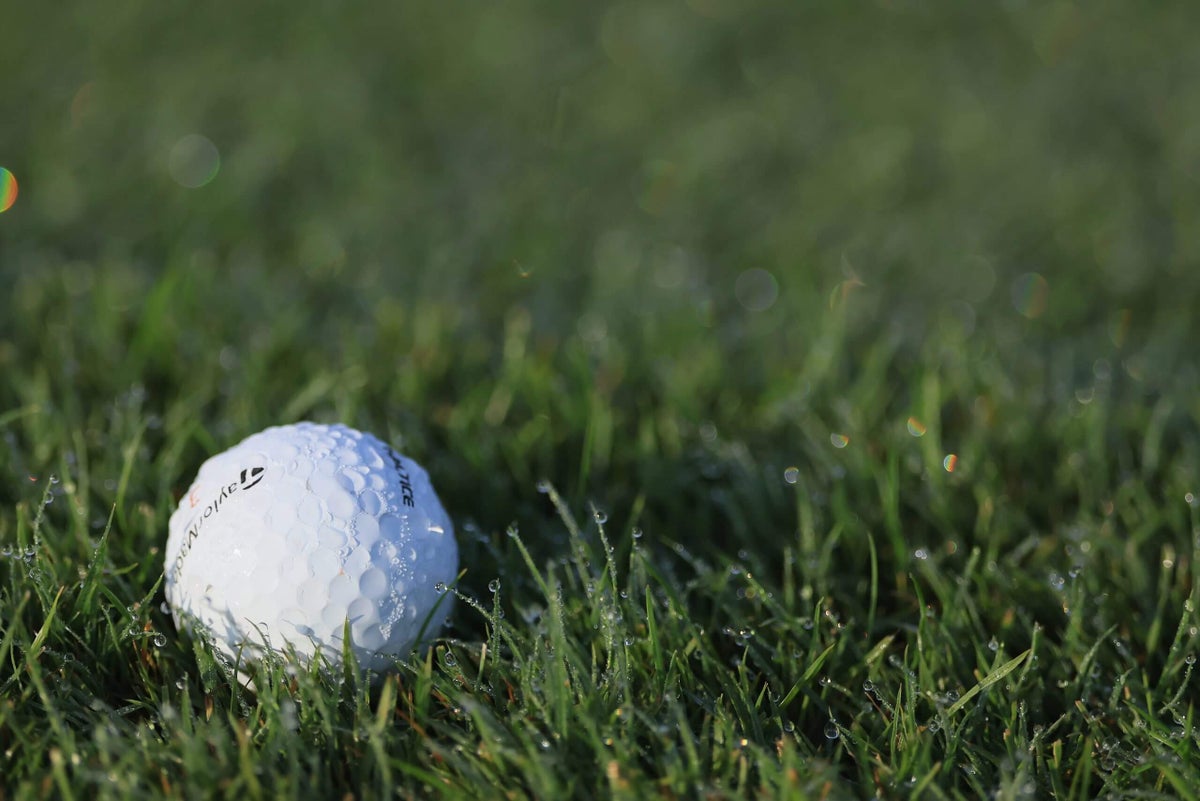
The option of professional golfers playing a different ball from the casual golfer (bifurcation is the technical term) is back on the table.
1,199 words~5 min read