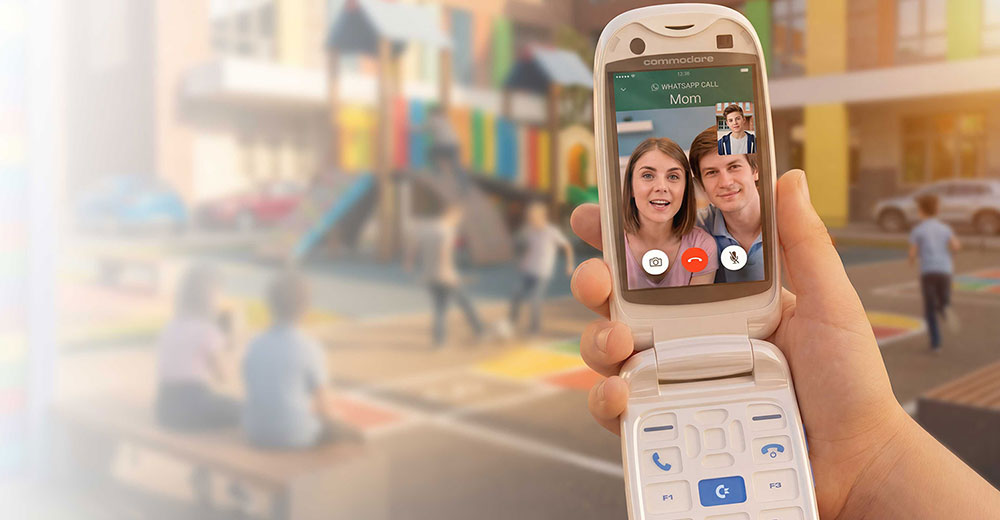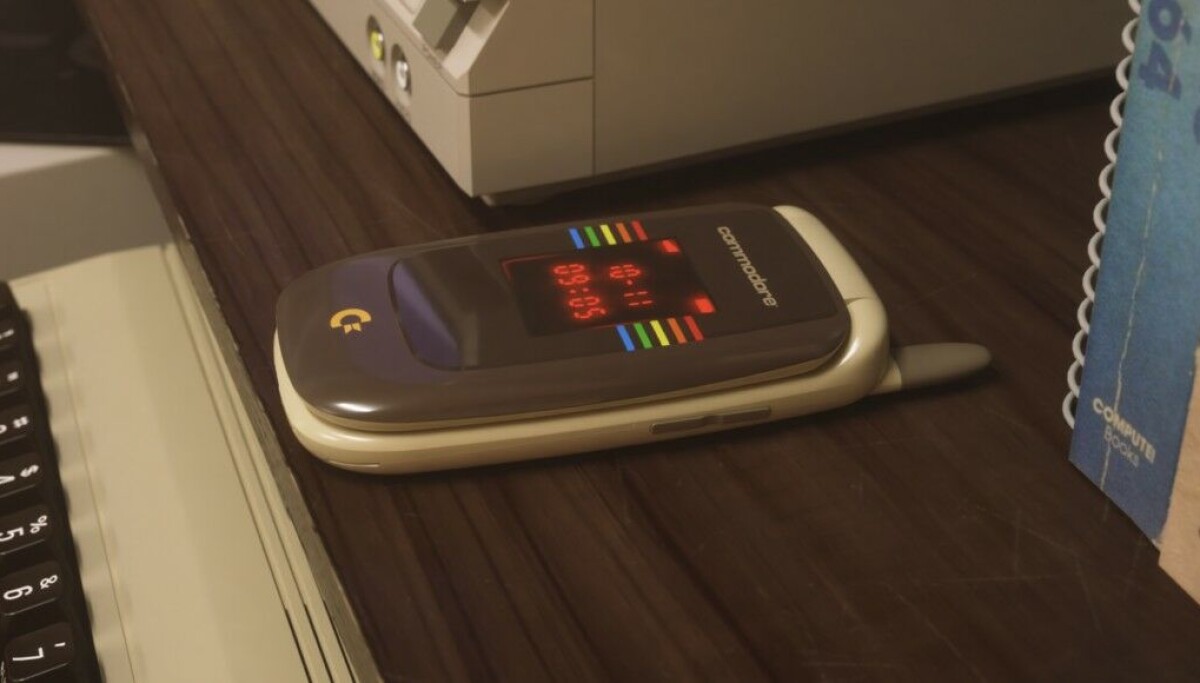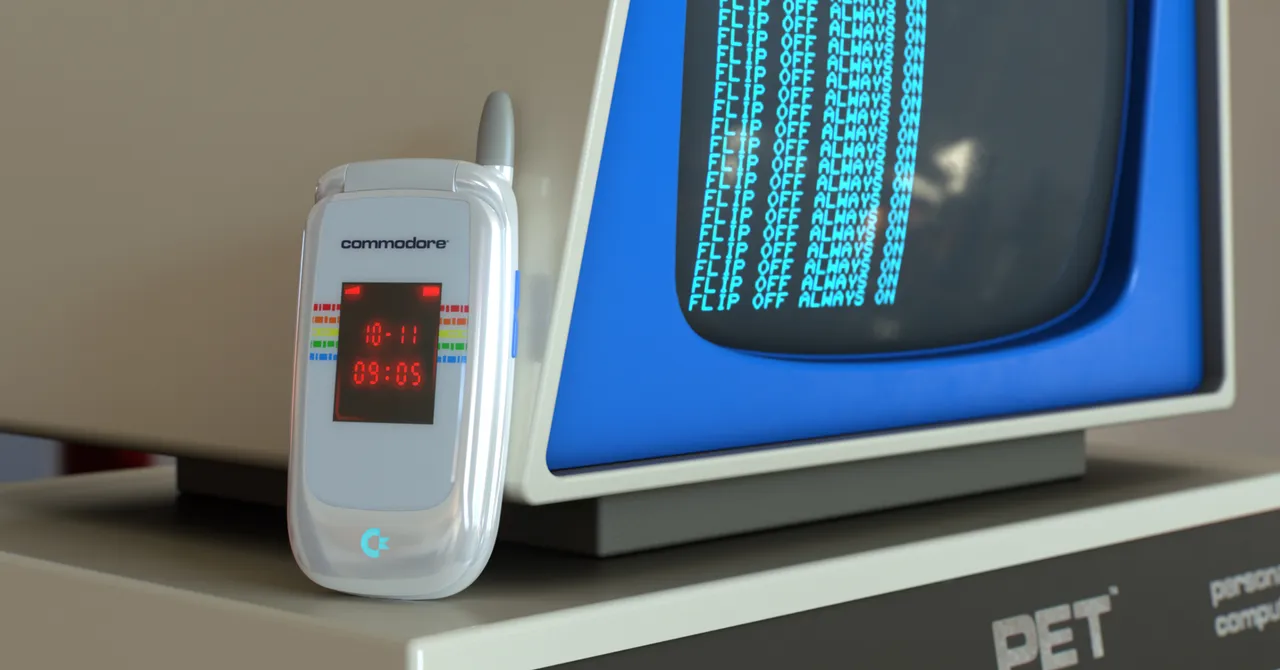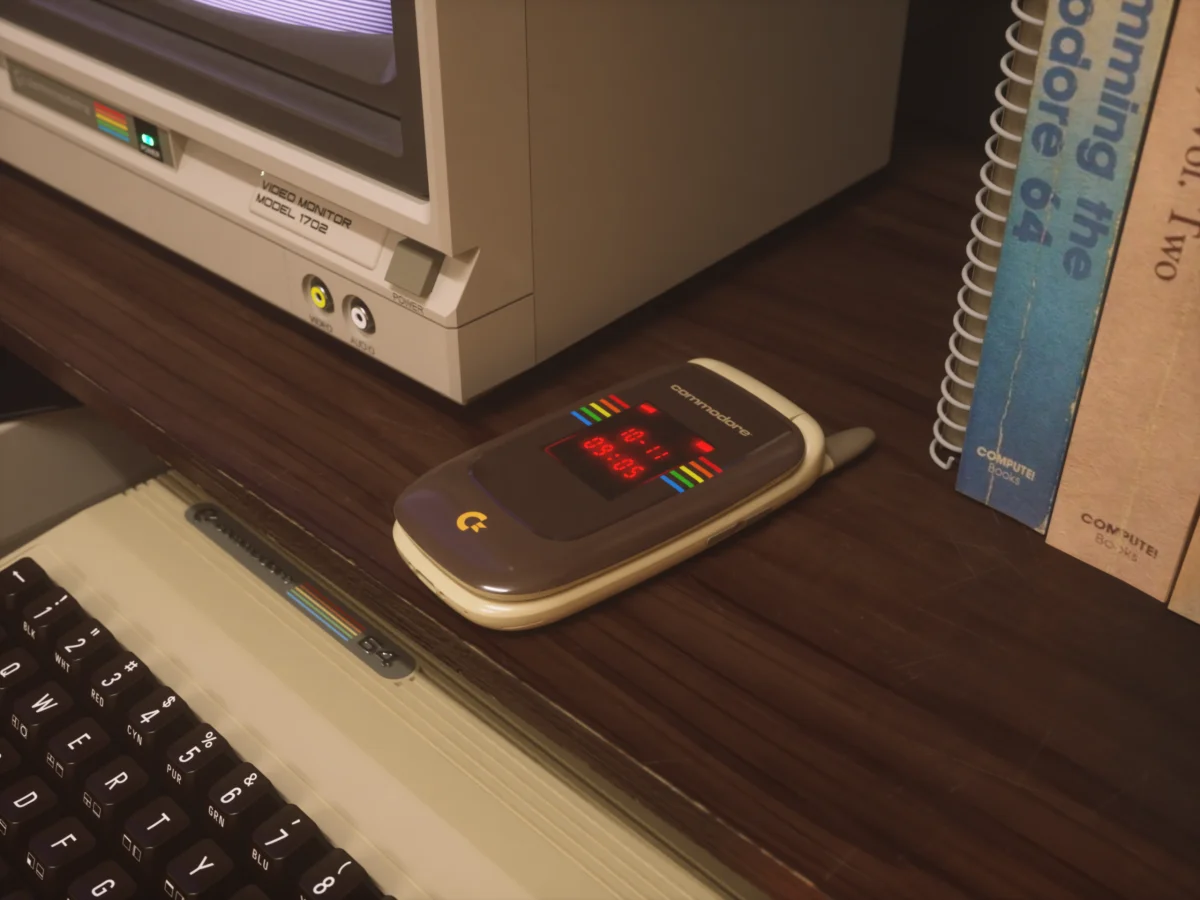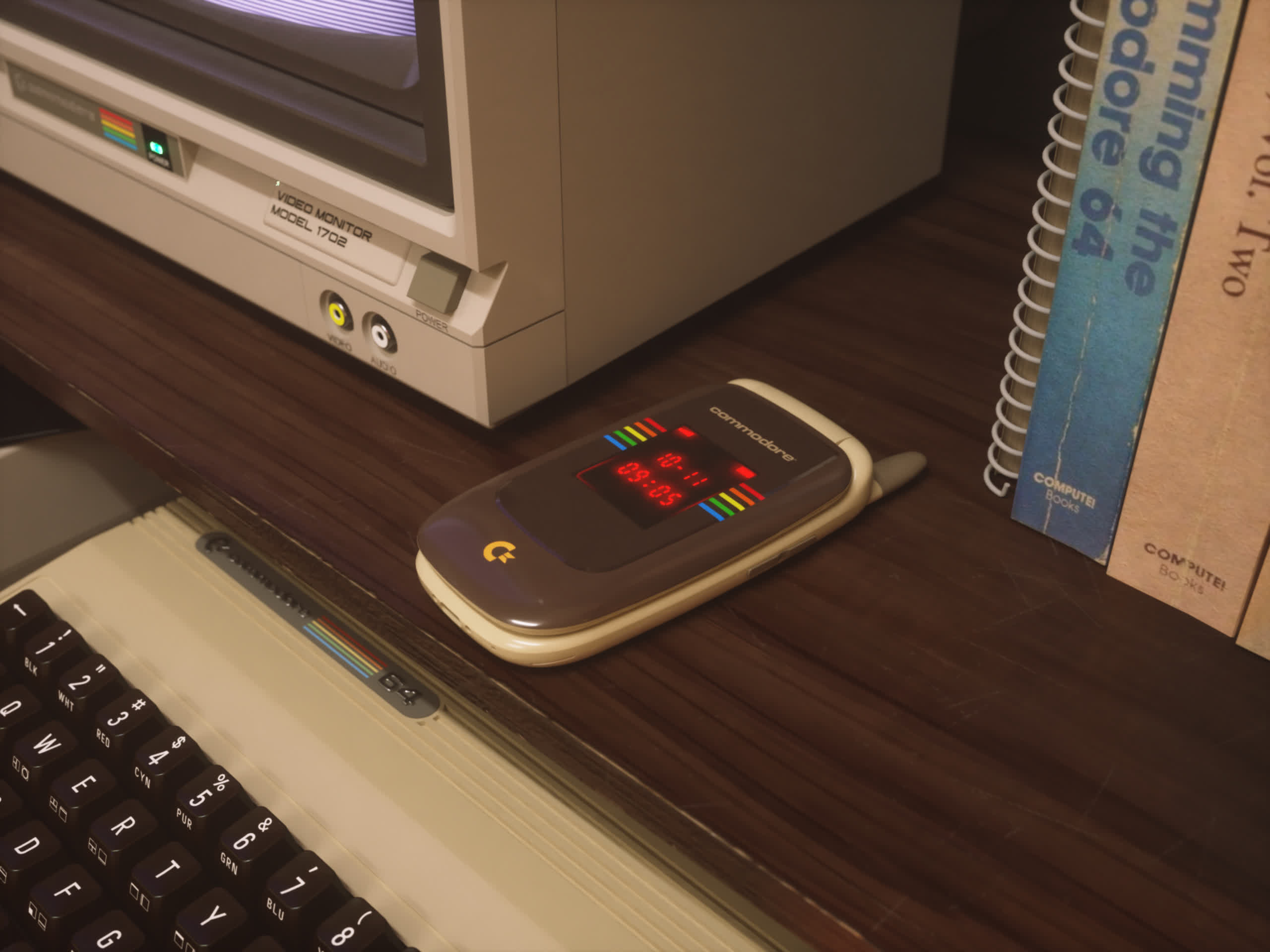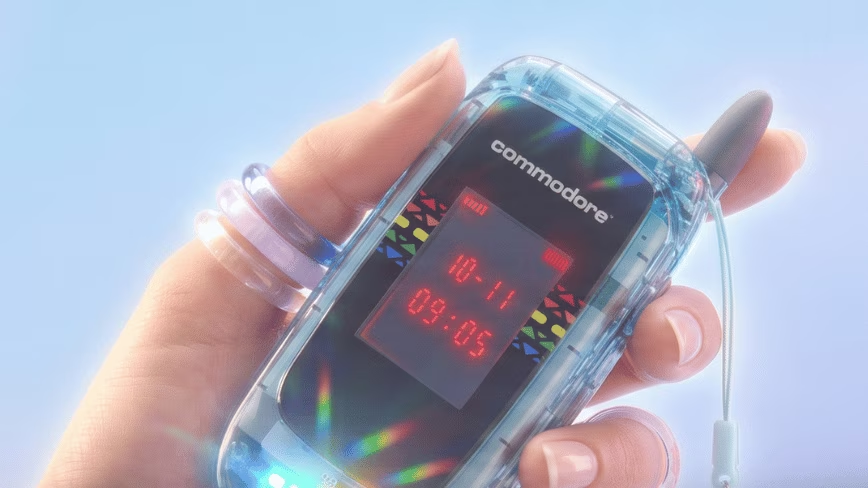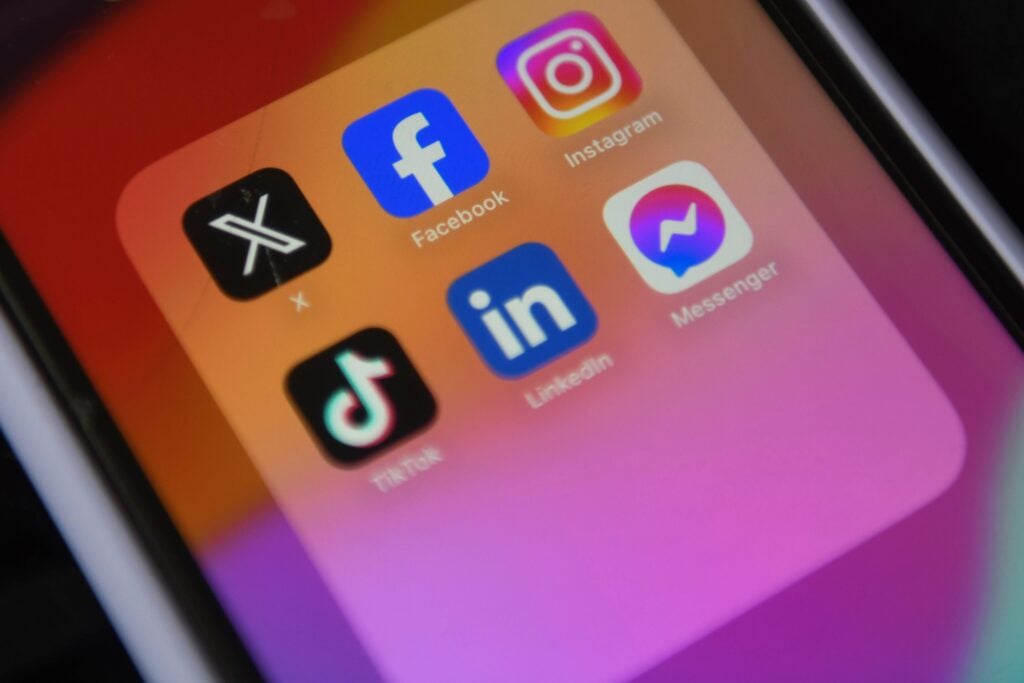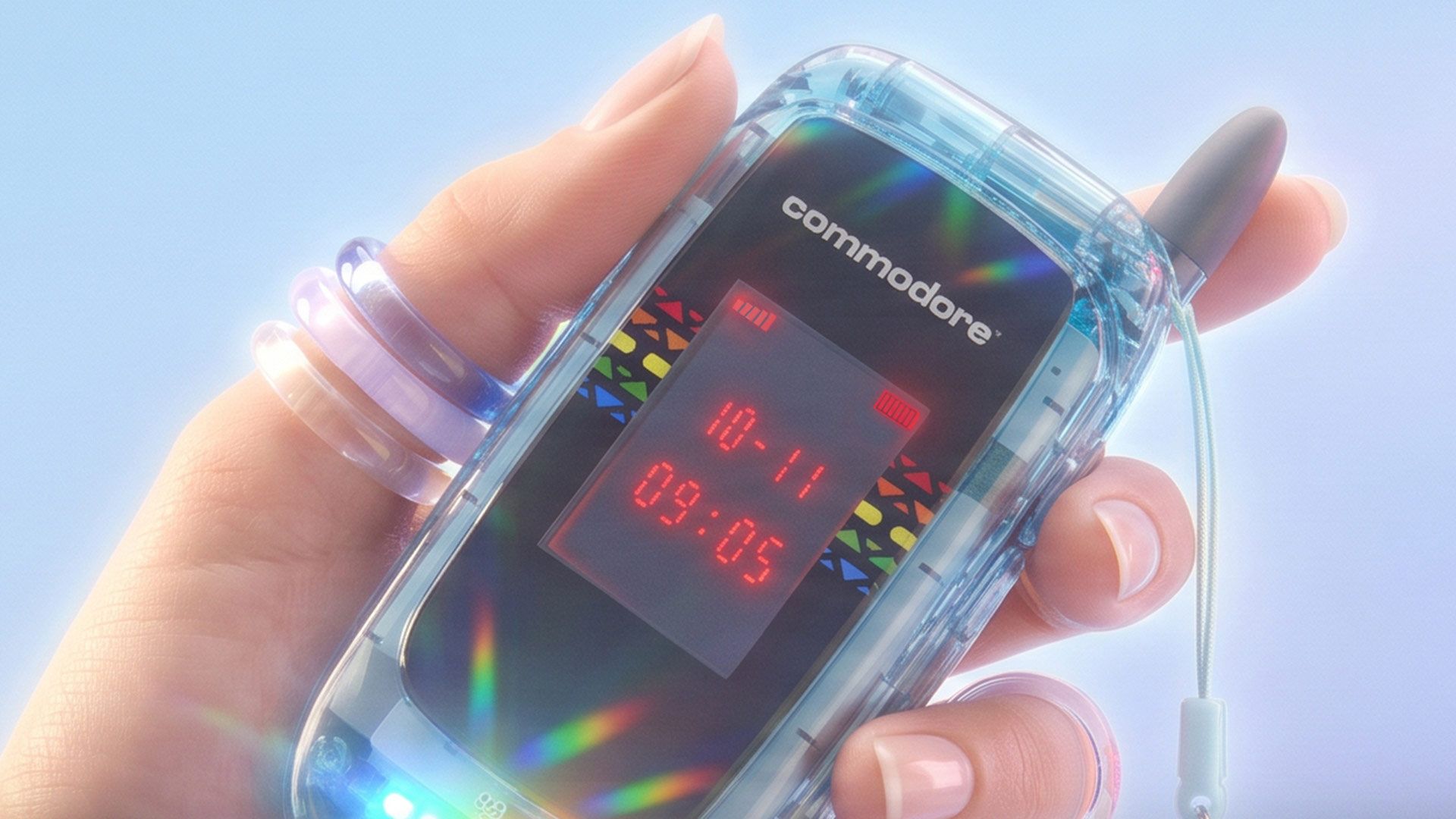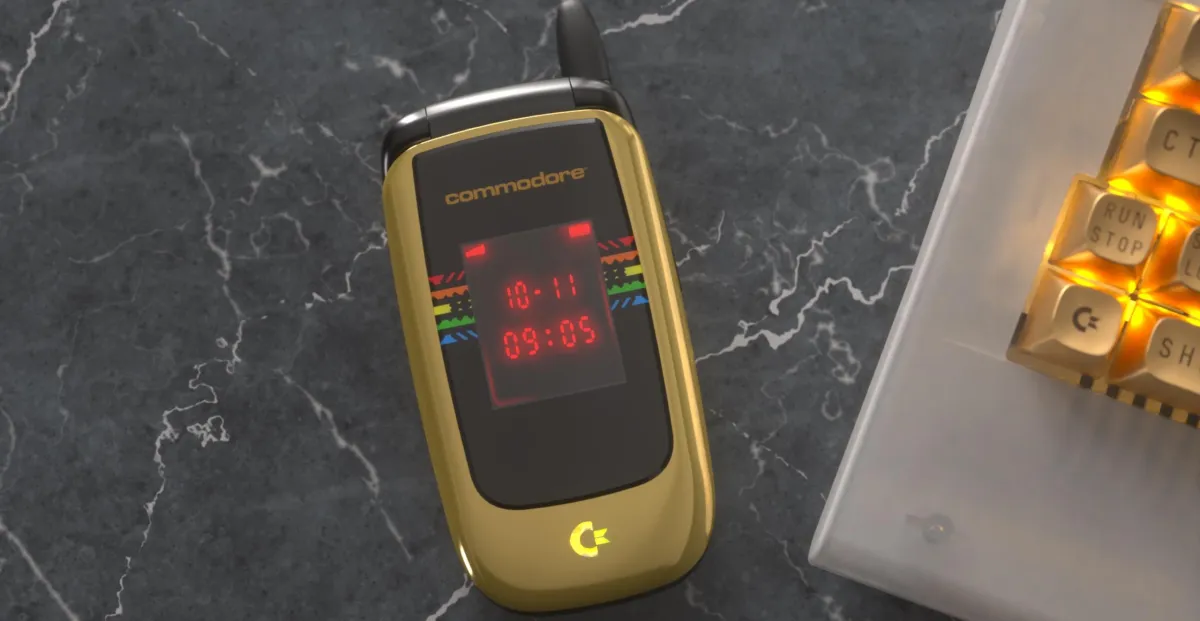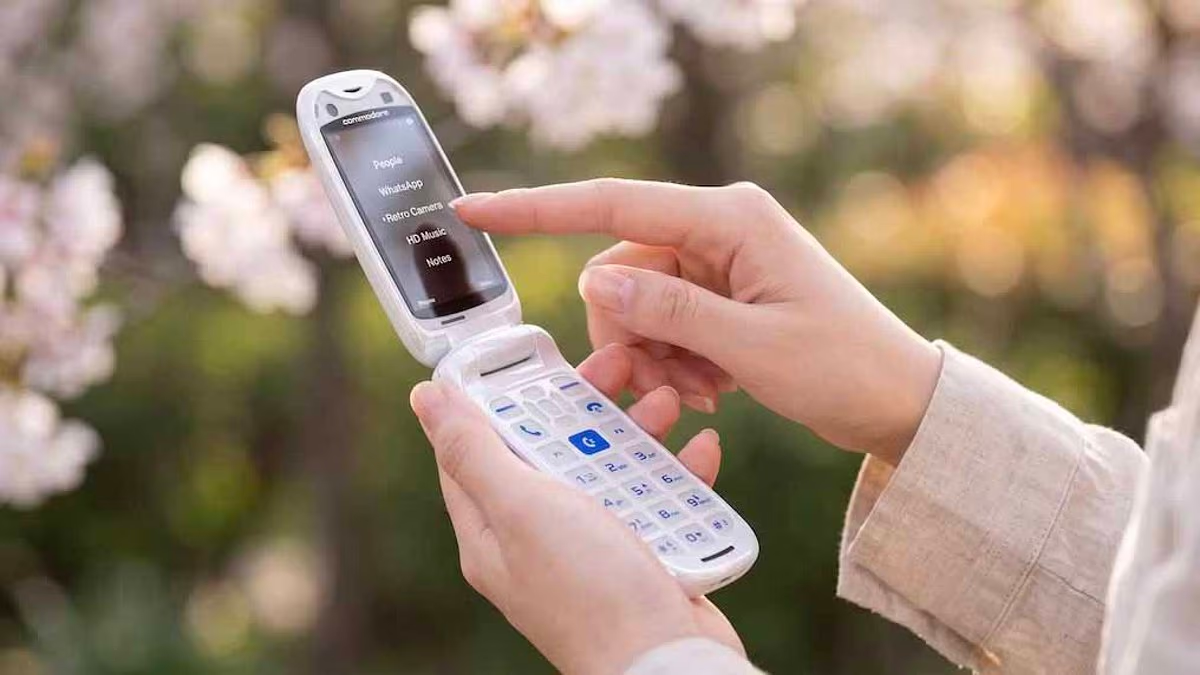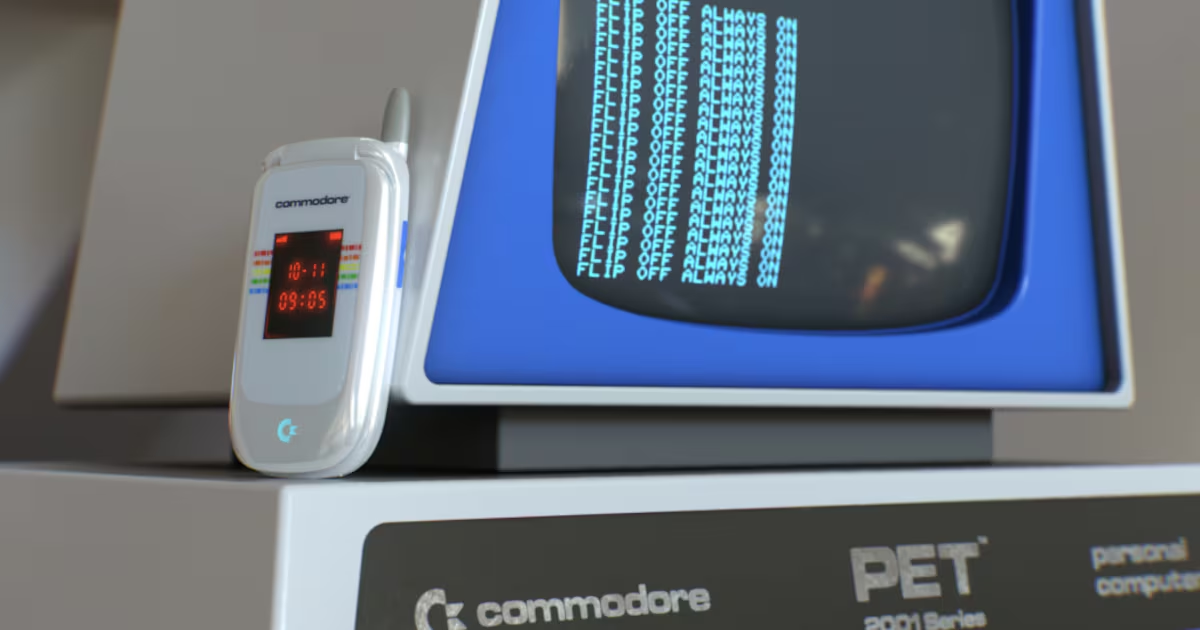
In a world of constant connectivity through smartphones and social media, a computer maker that became synonymous with 1980s tech has introduced a retro flip phone – the Callback, aimed at cashing in on the growing nostalgia for a less-connected time. It's not yet available for purchase, but its promotional videos and marketing materials show how Commodore is tapping into consumer desire for simplification. “Blocks social media and browsers,” a description of the company's forthcoming flip phone reads. Though Commodore says that the Callback will have touchscreen capabilities, there's some nuance involved. “It is disabled by default for a more mindful, nostalgic, keypad-first experience,” the company's website says. Peri Fractic, Commodore's chief executive, explained the genesis behind the company's decision to enter the ultra-competitive mobile device arena. He said that becoming a father caused him to examine how addicted he was to his smartphone. “Callback was born from that journey, and from my team asking two simple questions: what is the perfect middle ground between dumb and smart, and what should a Commodore phone be today?” Mr Fractic said, referring to what some have described as a “dumbphone renaissance”. ▶Commodore's website indicates that when available, it will be sold for $499, with the company offering $100 off for customers who sign up for a wait-list. Pre-orders will begin June 30. “Disconnect from the cloud and reconnect with the crowd,” the website reads. Commodore's feature list shows that the flip phone will be compatible with wireless networks around the world, and that it also has Wi-Fi capabilities. Its operating system is Linux-based. The Callback is designed to wean users away from staring at screens. Photo: CommodoreInfoBeyond the surprise of the introduction of an anti-smartphone, this particular product is being introduced by a technology firm that had previously been sitting in the dustbin of corporate history. The company, once famous for its Commodore 64 and Amiga PCs, was considered to be a threat to IBM and Apple before ultimately declaring bankruptcy in 1994. A devoted fanbase kept the brand alive, however. In 2025, Leonard Tramiel, son of Commodore founder Jack Tramiel, announced that all of the company's assets that had previously been licensed, spun off and in some instances sold, were finally back under one umbrella. “Many of the original team are back as advisers, including myself,” he wrote in an Instagram post. “The Commodore 64 Ultimate follows suit,” he added, referring to a revamped version of the company's flagship Commodore 64 personal computer that sold millions of units throughout the 1980s and early 1990s. In the months that followed Mr Tramiel's message to customers, the relaunched Commodore has introduced two models of its classic offering, selling for $299. Commodore's marketing of the computers, as well as its recently announced flip phone, promote a simplified experience and a return to the company's original goals. “Welcome to the future we were promised,” a caption reads in part on one of Commodore's social media posts.
Commodore is back and has high hopes for its flip phone | The National
Company's device aimed at customers who want 'digital minimalism'
491 words~2 min read