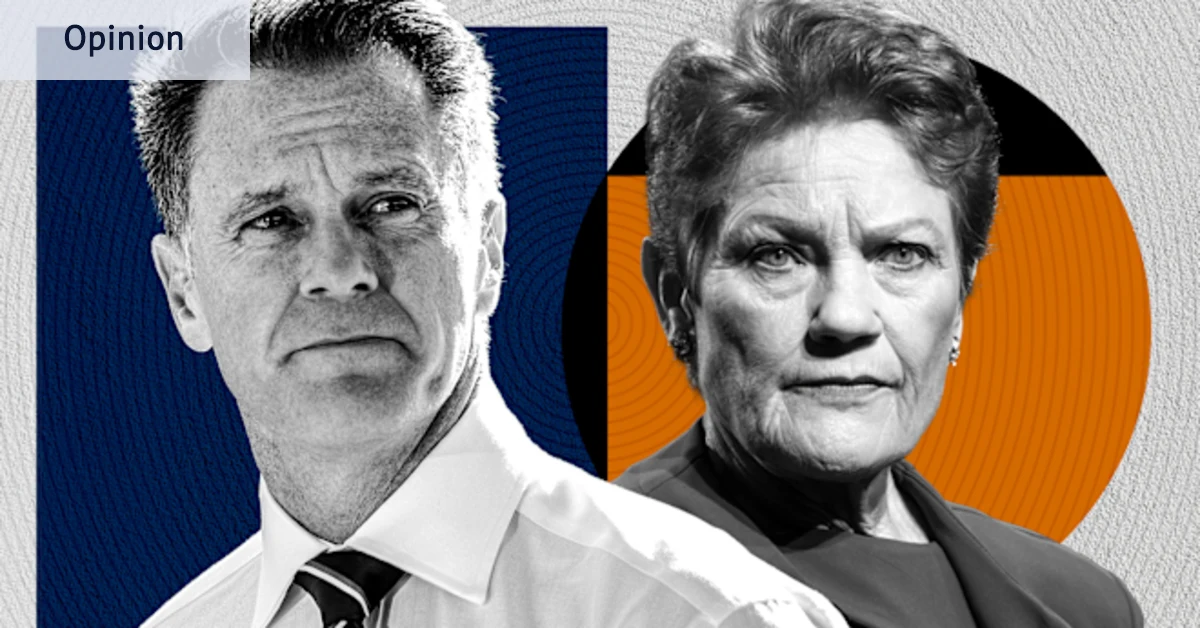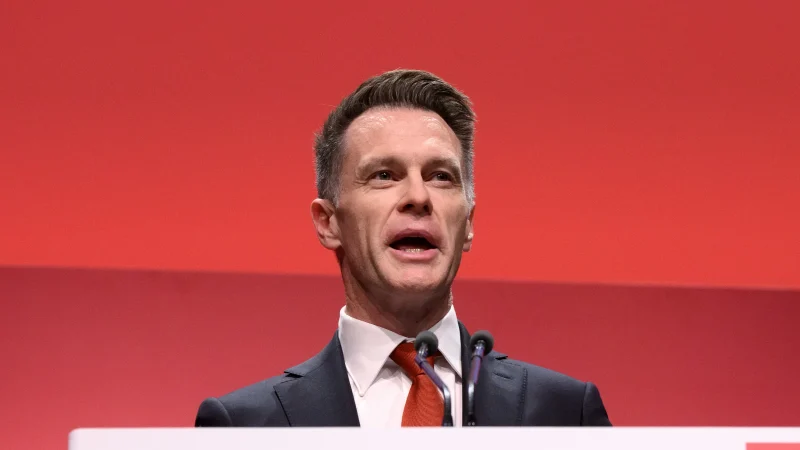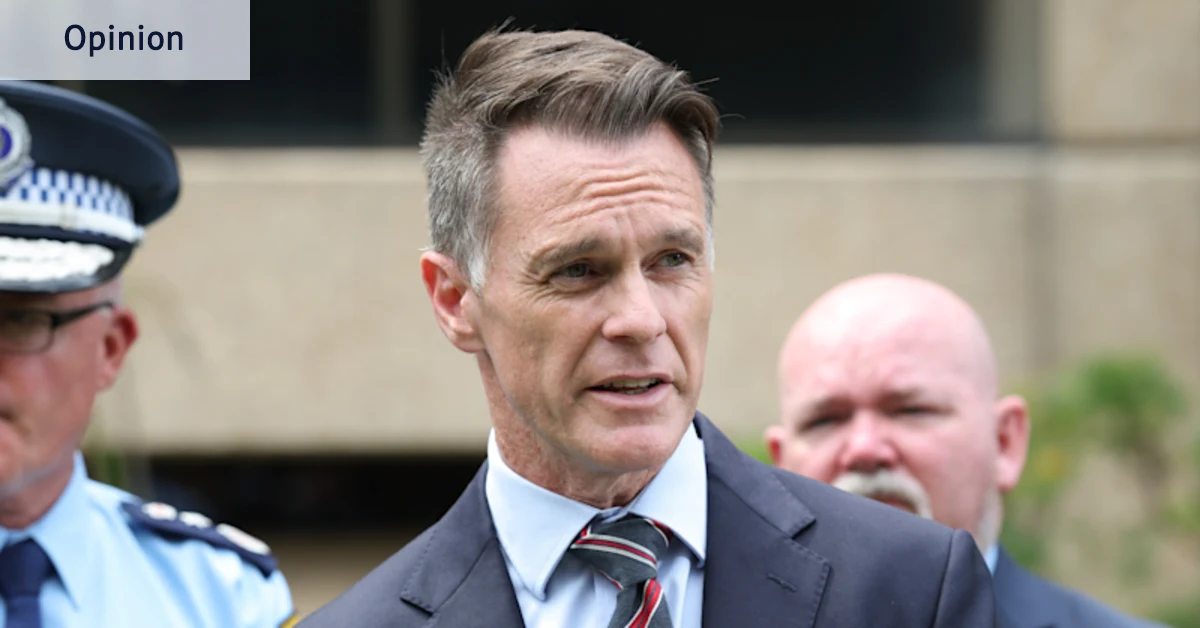
OpinionJune 18, 2026 — 5:00amIf NSW Treasurer Daniel Mookhey had given any thought to a big, brazen pre-election budget splurge next week, the sight of his federal counterparts still trapped in the backlash to their capital gains tax changes would probably have given him more than a moment of pause.Chris Minns: “I go to the football or the cricket with my mates, half of whom would never vote for me, and it’s not the most important thing in your life”.
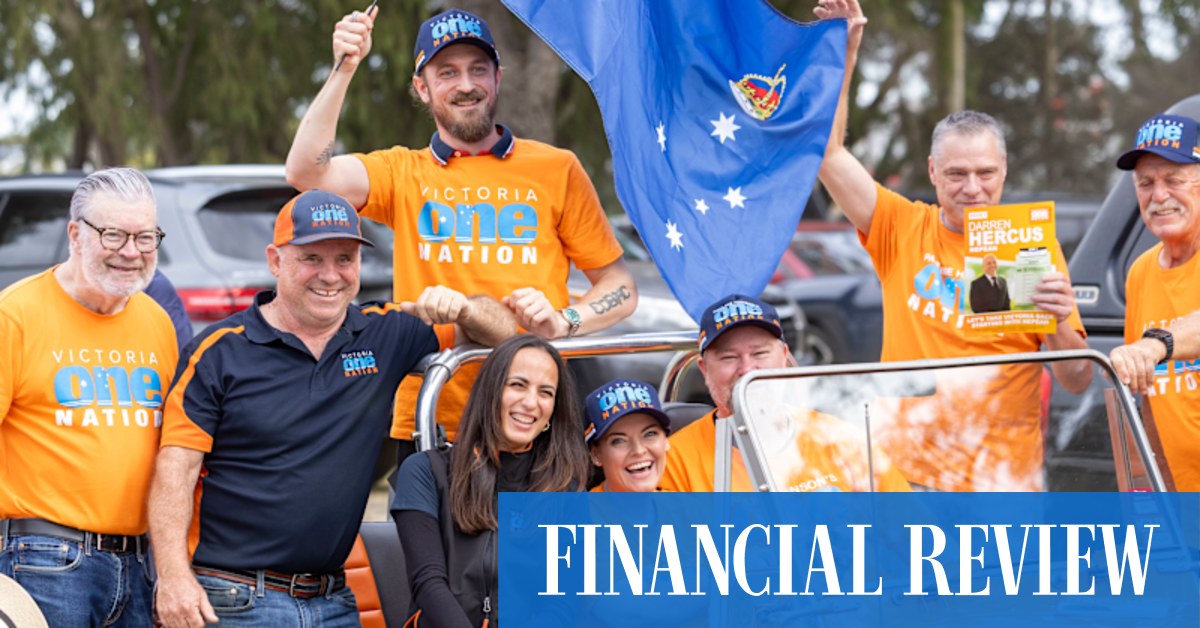
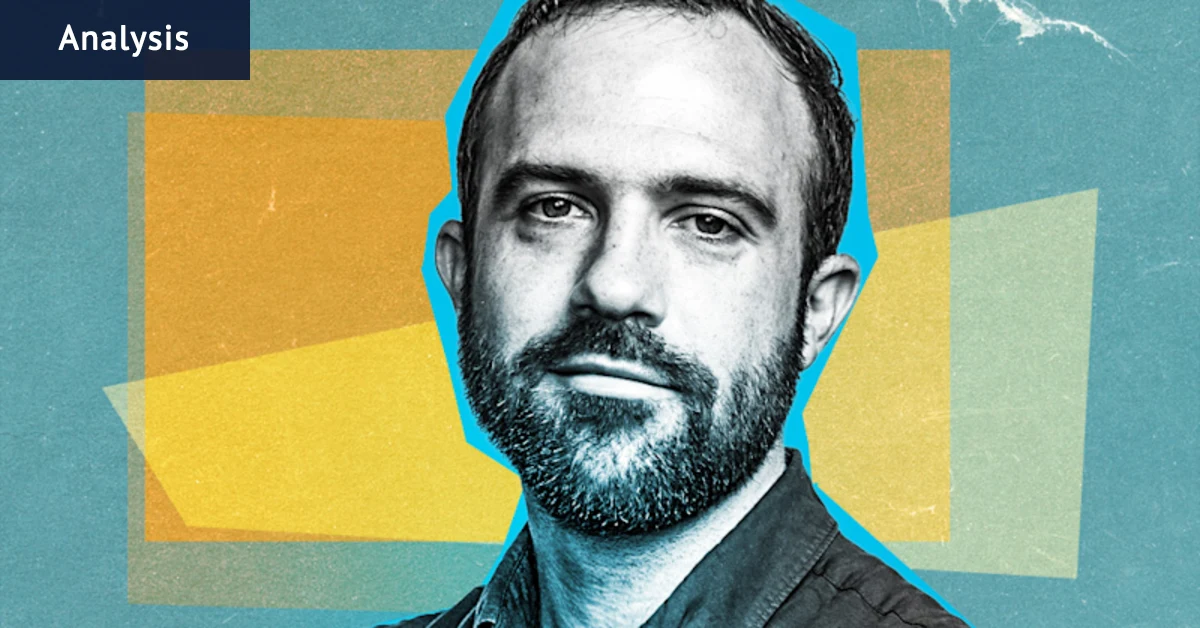
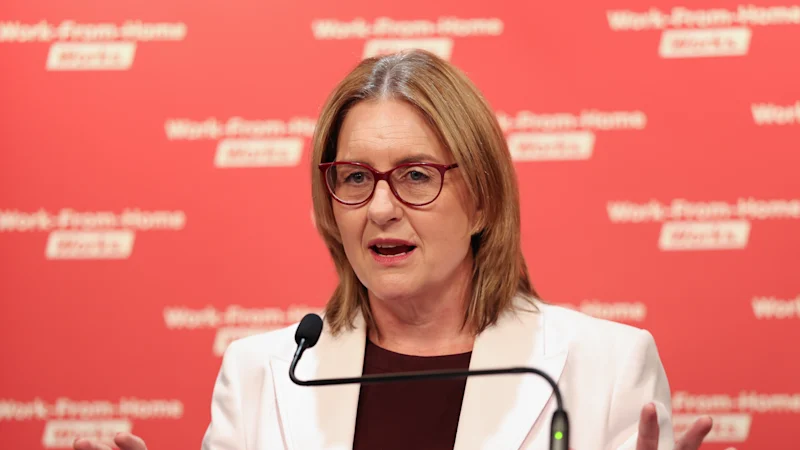
Sitthixay DitthavongNot that Mookhey – or the Minns government generally – was ever likely to have taken that path. Let me give you a world exclusive: next week’s budget, like the three Mookhey has delivered before it, will not be a barn burner. If Chris Minns, a Bulldogs fan, was ever to follow Lachlan Galvin and get an aphorism tattooed on his bicep, it would say “no surprises”.On balance, it’s probably a good thing. As much as we might all want a new metro to our doorstep, big new infrastructure spending in the current context of high inflation would carry significant budget risks.Here’s a comparator, not with the feds, but Victoria. My colleagues at The Age noted after Victoria’s budget in May that their state government expects to be paying $7.85 billion servicing interest on debt over the next year. That’s not totally unexpected, given the amount of debt all Australian states are carrying post-COVID, and the inflation environment. The most recent half-yearly budget update in December forecast NSW would pay slightly more in 2026-27: about $8.1 billion.However, while forecasts may have changed given recent events (Middle East war, oil shocks, interest rate rises), the two states appear to be trending in different directions.While Victoria expects to be paying $10.6 billion in interest in 2028-29, NSW was forecasting $9.1 billion, and is paying about half a billion less per year than was projected in the lead-up to the last election. Victoria’s net debt is higher than NSW’s, and we are paying far less as a portion of our gross state product. The government in NSW has also overseen low expense growth compared with the rest of the nation (NSW projects its expenses to grow at about 2.6 per cent per annum between 2024-25, compared with 3.9 per cent federally, for example).Those are just a few indicators, obviously, and doesn’t make the government perfect.But winding down infrastructure spending and paying down debt in a high-inflation environment, while not sexy, is responsible. It’s cautious. It’s also how this government plans to win the next election.Pre-election budgets, traditionally, are about big spending. The Victorian Labor government, unpopular and desperately trying to cling on after 1000 years in power, followed the script, dolling out cash on public transport discounts and car registration rebates. It’s fair to say it hasn’t helped much. The One Nation vote in Victoria is such that as the November election looms, even Premier Jacinta Allan’s seat in Bendigo East could be in trouble.The Mookhey budget will contain cost-of-living measures, but it won’t do it at the expense of the government’s “steady as she goes” mantra. I’ll be shocked if it includes any big new infrastructure projects.Unlike its spendthrift southern cousins, Labor in NSW doesn’t really need to. After one term, it remains fairly popular, so doesn’t feel the need to buy off voters. And after watching the national mental breakdown which Jim Chalmers prompted when he suggested rich people who make windfall gains should receive slightly less in tax breaks, how could it not conclude that, much as we might say we want big and bold reform, there isn’t much to be gained by swinging for the fences?The interesting thing is how the “adult in the room” approach works in fighting off One Nation come March.Until recently, the One Nation surge has largely been viewed through the lens of its impact on the Liberal Party, for obvious reasons. But the electoral calculus in NSW means Labor is certainly not immune. Labor seats in both the Hunter Valley and western Sydney will be prime One Nation targets.Camden, for example, is held by Labor on a 3 per cent margin. One Nation polled almost 14 per cent there in 2023 when its statewide vote was less than 2 per cent. Other Labor-held seats such as Cessnock, where One Nation polled 15 per cent in 2023, South Coast, Monaro, Riverstone and Penrith would all be in danger on the current polling trajectory.Here is the question, though, that I don’t have an answer for: if voters drifting to One Nation aren’t buying the Allan government’s big spending, and turned on Anthony Albanese for his tax reforms, is being the steady hand on the tiller going to be the answer to combatting a party which, notionally at least, is about disruption?Curiously, Minns’ plain-speaking persona might be Labor’s best asset at fighting off the far-right One Nation. The premier has focused to a fault on winning over the centre of NSW politics and is one of the few of the current crop from either side of politics able to strike the right chord with disaffected voters.In a recent interview, when asked about One Nation’s rise, he didn’t offer the usual, hollow-sounding “we know people are doing it tough”. Instead, he conceded there had been a “sea-change in politics” before digressing to add: “Does anyone sort of sit back and say, you know, the problem with Australia is we should have more US-style politics?“I go to the football or the cricket with my mates, half of whom would never vote for me,” Minns said, “and it’s not the most important thing in your life. I’m in politics, and it’s not the most important thing.”He sounded, well, normal. Or, as one political observer put it to me recently: “He doesn’t sound like a patronising dickhead.”Michael McGowan is state political editor.Get a weekly wrap of views that will challenge, champion and inform your own. Sign up for our Opinion newsletter.More:NSW State ParliamentOpinionFor subscribersOne NationChris MinnsJacinta AllanDaniel MookheyFrom our partners