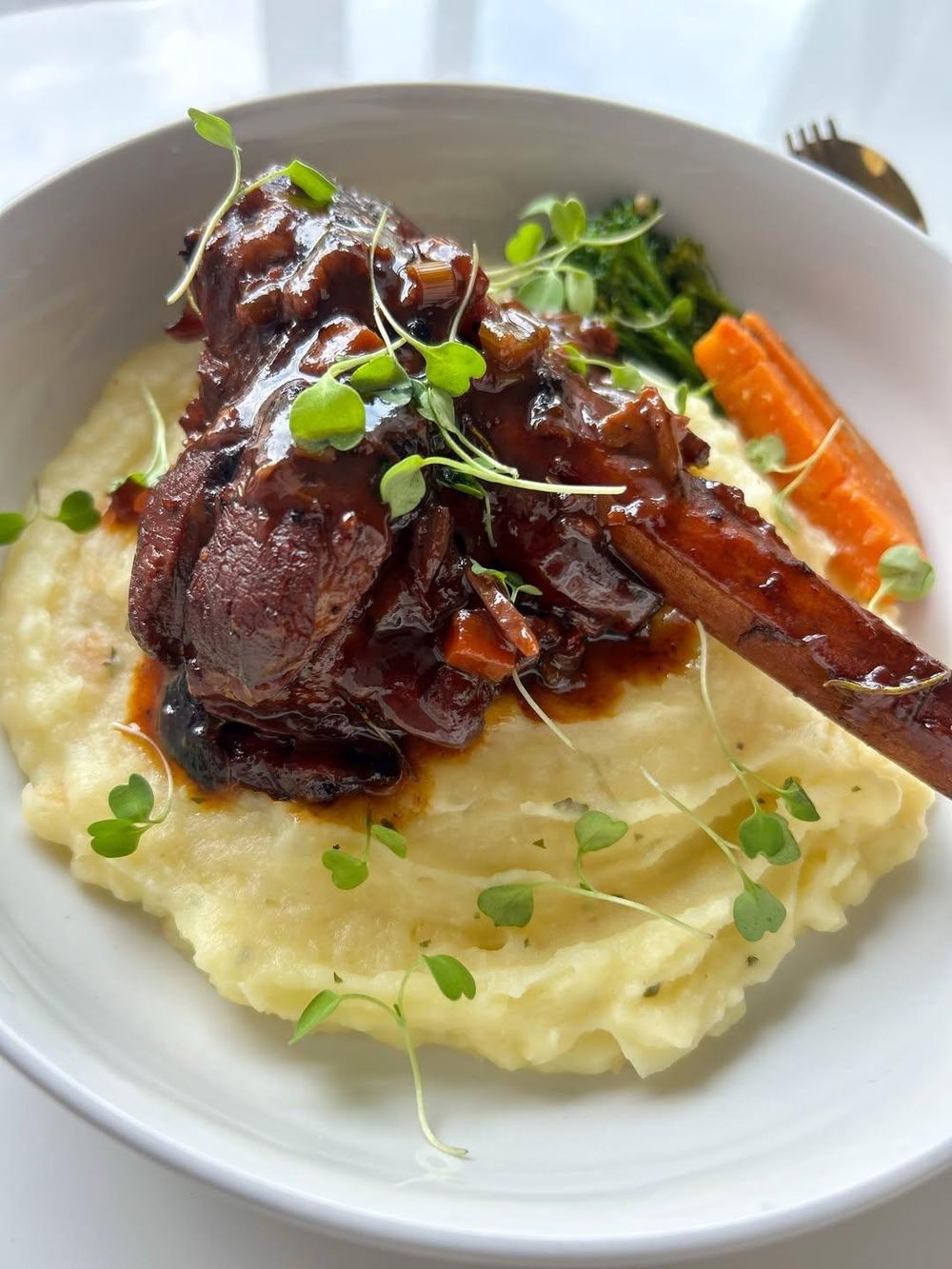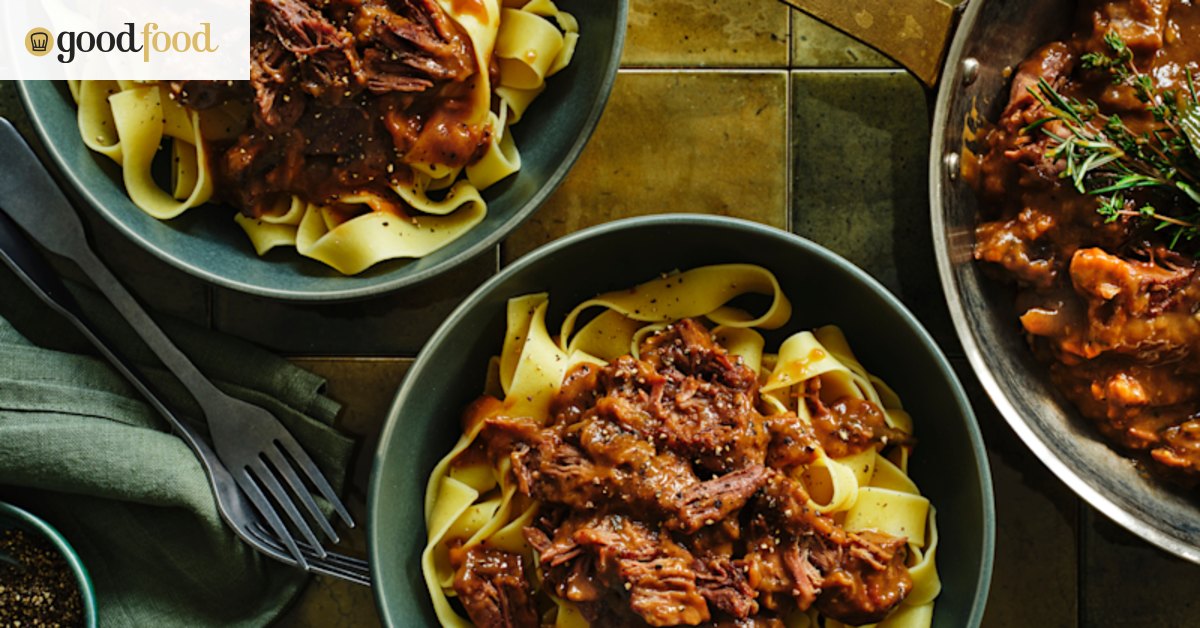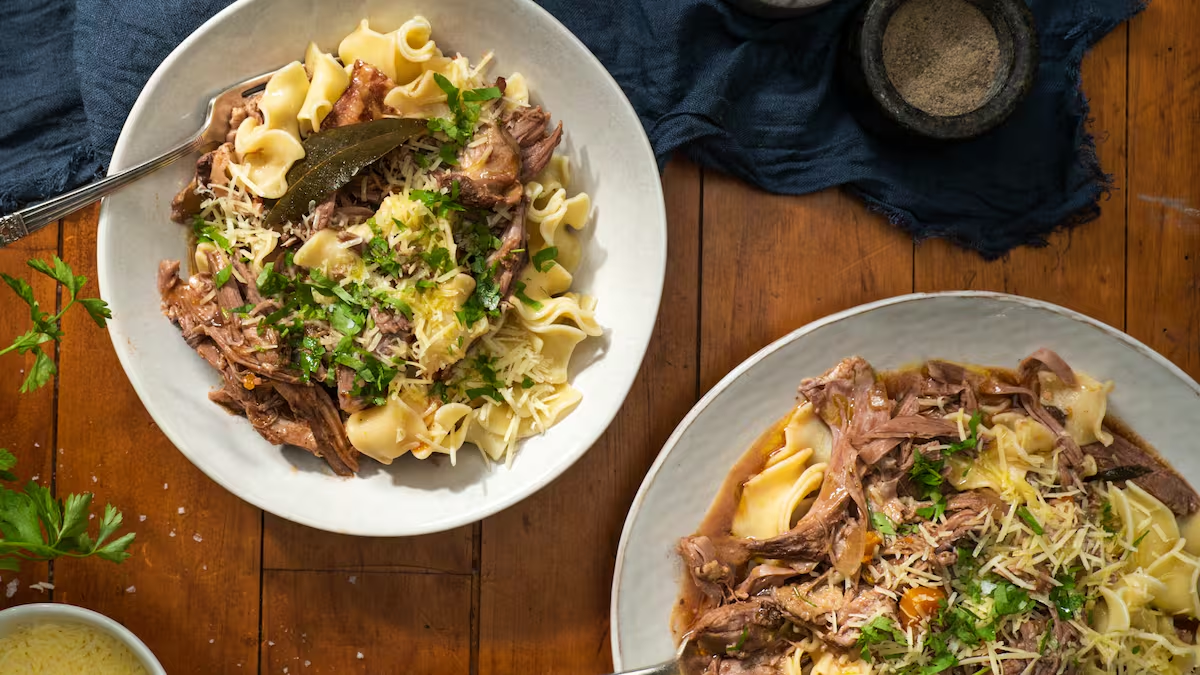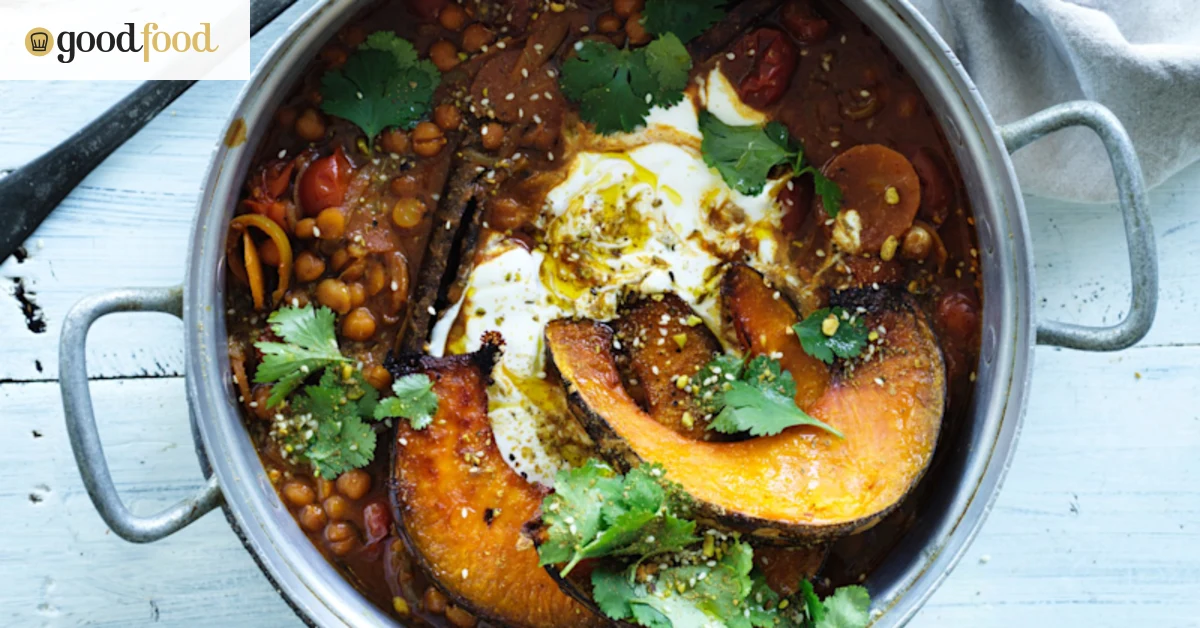
Call them a braise, a stew, a casserole or even the fancy-sounding daube – slow-cooked meat dishes make winter better in myriad ways. We could spend time telling you that braises – and all their alter egos – are affordable, easy, nourishing, flexible and delicious … but you’ve probably already got the pot out. To ensure you’re on the fast track to slow-cooked heaven, we’ve extracted the essential tips from two experts, author Lucy Tweed, who has written a new braising bible called Tender, and Victor Liong, chef and owner of two-hatted Lee Ho Fook restaurants in Melbourne and Sydney, who is currently cosily ensconced in his braising era. Drum casserolllllllle, please!Lee Ho Fook’s Victor Liong.Choose your cutWith braises, we are generally speaking of beef, lamb and pork, though chicken can work, too, and venison and goat are rampant species we should consider in our kitchens. “Braises are best with secondary cuts, those hard-working muscles with connective tissue, tendons and fat running through them,” says Liong. “The idea with braising is to cook the meat long enough so it breaks down.” The best recipes from Australia's leading chefs straight to your inbox.Sign upKaren Martini’s veal ossobuco with ’nduja, rosemary, white wine and butter beans.William MeppemTweed leans to bone-in cuts. “Think of those muscles that do lots of work, add a bone, and you’ve got it made,” she says. “If it’s a cheaper cut of meat, that can be a great indication it’s a braising cut, though that’s changing a bit because everyone’s really getting into those fattier cuts people used to veer away from.” The best cuts for braising include veal or beef shin (also called ossobuco, pictured above), lamb shanks, lamb and pork shoulder, beef or pork rib, lamb neck, beef chuck and brisket. When in doubt, ask your butcher. Because chicken is smaller, it’s less of a braising beauty, but you can definitely use bone-in thighs, drumsticks and Marylands for lovely chicken casseroles.Choose a heavy-based pot you can transfer from stovetop to oven, such as this Le Creuset classic.Pick your potYou want something with a lid that you can transfer from stovetop to oven. Beyond that, look for something heavy that conducts heat and holds it. “You can braise in anything,” says Tweed. “But a heavy-based enamel pot is a fantastic investment.” Classic brands include Le Creuset and Chasseur, but Kmart’s Anko brand is about one-tenth of the price and cooks just as well. Locally produced Solidteknics pots are not cheap, but they are instant heirlooms and do an amazing job with braises. You can braise solely on the stove, but most recipes suggest searing over heat, then slow-cooking in the oven. “When the heat is coming from every direction, it coaxes it along a bit better,” says Liong.Knives downIf you get casserole beef from the supermarket, it will usually be cut into 3cm cubes. That’s fine, but you can also keep your meat in larger pieces. “Then you get to carve it up like a steak,” says Liong. “You can put it on the table and celebrate the secondary cut as a centrepiece.” It’s also easier to brown larger pieces of meat before you start stewing.RecipeTin Eats' super tender lamb shanks in red wine sauce.Nagi MaehashiSear-iously?Browning your meat before building a stew will add flavour. “Lovely caramelised meat gives you that layer of umami,” says Tweed. But getting meat to a nice dark brown takes a long time, partly because you can’t achieve it in a crowded pan, and it’s best done over a medium-high heat rather than cranking it right up. If you don’t have the time or patience to stand over the stove, Tweed has shortcuts. “You can do a few pieces, or just do one side,” she says. “Let go of that pressure because it’s all going to relax anyway. Even if you’re just browning one or two pieces, you’ll get flavour in there. And if you don’t have the time, you can get away without it.”Lucy Tweed seasons her stew. Dion GeorgopoulosSeason at every step“Season when you brown the meat, season when you cook the vegetables, season once you add all the liquids,” says Liong. Adding salt doesn’t make your stew salty. “It just needs to taste like it’s got something in it. Then you cover it and cook it slowly.”Take stockYou can stew with water. Stock and wine are lovely. “But there’ll be enough flavour in whatever you’re cooking for it to come alive after a long time braising,” says Tweed.Lucy Tweed likes to stay hands-on during a long cook.Dion GeorgopoulosStay involvedOn the one hand, the genius of braising is that you can let it do its thing. “But the beauty of stewing is that you can also be involved throughout the process,” says Tweed. “It’s not like a cake where you put it in the oven and can’t touch it again. With a stew, you can correct, adjust, add oomph. “If you didn’t sear the meat, or not for long enough, you can add that umami layer later, whether it be a tomato, a whack of soy sauce, even Vegemite. The same goes for adding acidity: you can add a splash of vinegar if you’re feeling like it’s rich but bland.” Tweed loves the involvement without the urgency. “Compare it to a stir-fry: it’s so hard and fast, the pleasure of the cooking is over quickly. With something low, slow and meaty, I feel like I’m getting quality food and quality time.”Trust yourselfTweed calls her ethos “permission-slip cooking”. “I don’t think there are enough reminders out there that something’s only as good as you think it is,” she says. “It’s your palate, so if you want to add parsnips and cumin and fenugreek, you can do it. You’re allowed to follow your cravings. There’s no dictatorship. There really aren’t too many barriers to looking like a bit of a genius when it comes to braising.”Neil Perry's classic beef bourguignon.William MeppemAvoid dry meatBraising boo-boos are normally about moisture management. “Either the meat isn’t soft enough because it’s not cooked long enough, or it gets dry because there’s not enough liquid,” says Liong. When transferring a pot to the oven, it is a good idea to cover the braise inside with a cartouche. This is simply a piece of baking paper sitting lightly on the surface of the dish, so the liquid doesn’t evaporate too quickly. Ensure the cooking medium – water, stock, wine or a combination – is boiling before transferring the pot to the oven. “Heating water in the oven can take three times as long as on the stove; use the stovetop and the oven for the things they’re best at,” says Liong. Follow the meat, not the recipe: if your timer goes off after three hours but the meat is still tough, continue cooking until it slumps to tender surrender.Kashgari spiced braised lamb shoulder, chilli bean eggplant and fennel, on the winter menu at Victor Liong's Lee Ho Fook.Parker BlainMake more than you needEven if you’re cooking for one or two, go big with a braise. “Leftovers are good,” says Tweed.“They freeze and reheat really well. Your basic braise can become a curry, a ragu, a pie. You might not eat a lot of it on day one, but two weeks later, you’re buggered, it’s raining, you come home, and you’re like, what are we having for dinner? If there’s a beautiful bag of stewed meat in the freezer, and you’ve got two tins of tomatoes and a packet of spaghetti, your problems are solved.”
How to stew meat properly
Experts Lucy Tweed and Victor Liong share their foolproof tips for cooking the best braised meat of your life.
1,256 words~6 min read