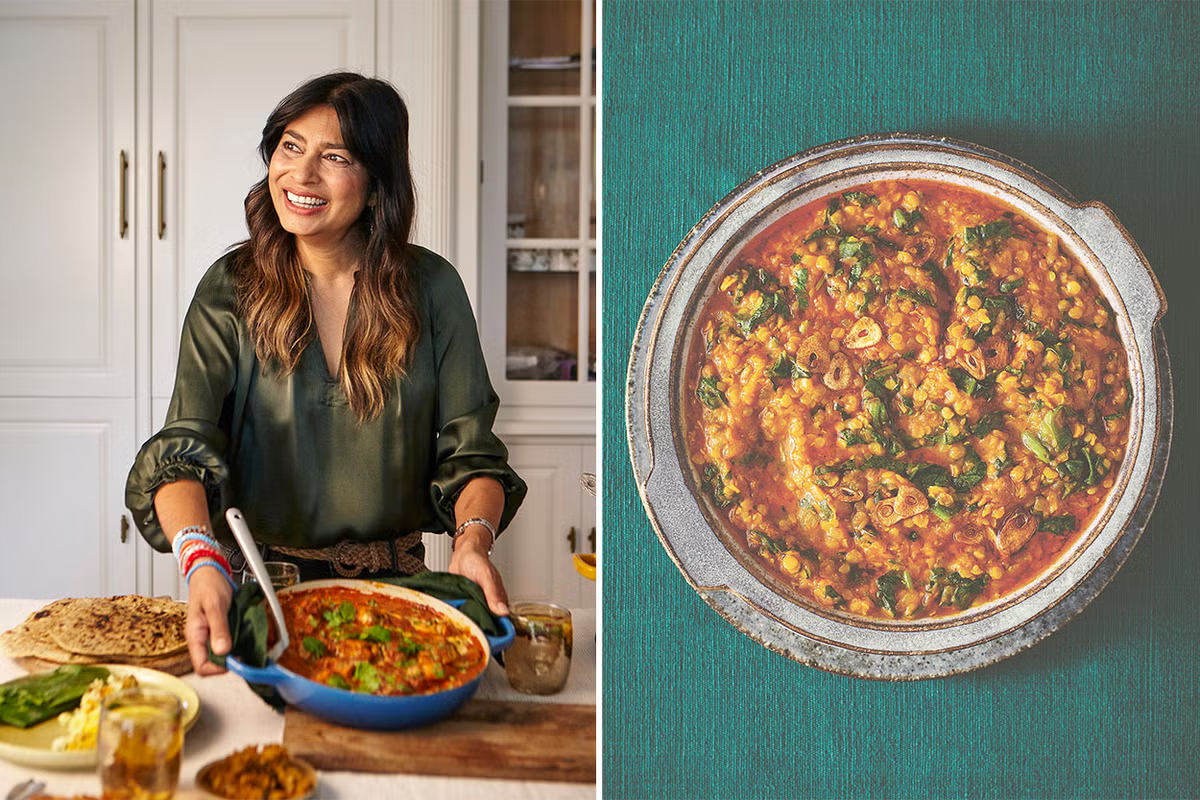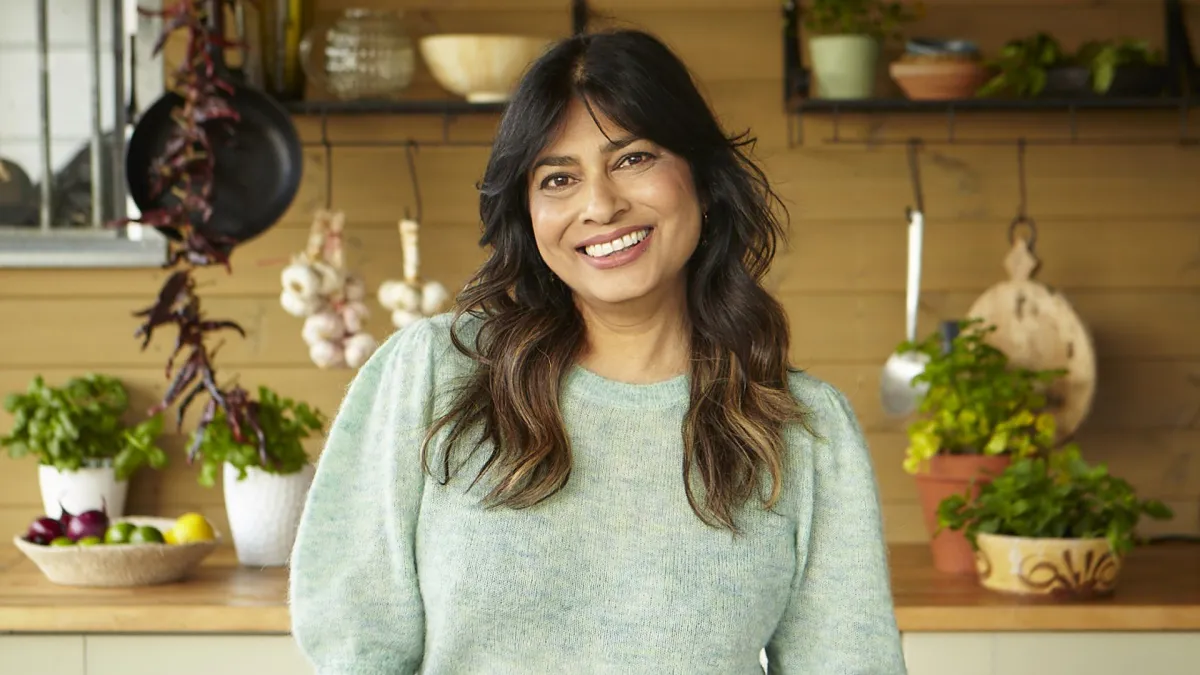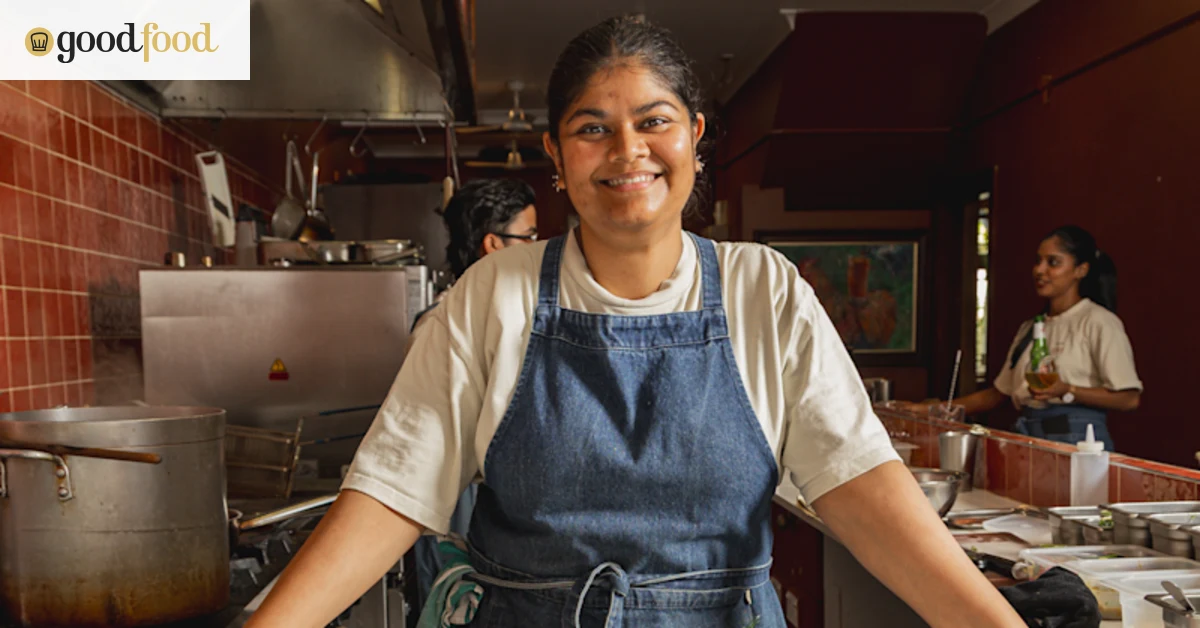
OpinionThis Sydney chef knows it makes better economic sense to serve the beloved curry, but she wants to stay true to her heritage – and her mum. “It’s my only tether to my identity.”Ahana DuttJune 18, 2026 — 5:00amWhen I first opened Kolkata Social in Newtown, I was determined to stick to the food of my heritage and run a Bengali restaurant. Diners had other expectations. Just over a year later, I’ve learnt that even though it would be easier if I put butter chicken on the menu, I’m not about to start.Why, I hear you ask? In Australia, the most famous Indian dish is, undoubtedly, butter chicken with naan, and we often get asked why we don’t serve either. To be honest, I didn’t try butter chicken until I moved to India’s largest city, Mumbai, at the age of 18 – it just didn’t form part of my food journey. Don’t get me wrong, butter chicken done right is exceptional, and there’s comfort in familiarity. But India is such a massive country with huge diversity, it feels like a cop-out to represent the food of the country by serving this one dish.I’m not saying Sydney’s Indian food scene isn’t diverse; it is. Harris Park is the centre of the expatt community. But outside of suburbs known for their Indian cuisine, some diners only want familiar dishes. Yet even though I know all of this – that it makes better economic sense to go the safe route, especially in this economy – I’ve decided to stick with my Bengali restaurant, and that’s solely because of my mother. Restaurant reviews, news and the hottest openings served to your inbox.Sign upAhana Dutt at Kolkata Social.I was born and raised in Kolkata, and food is integral to being a Bengali. Respect for farmers and ingredients, eating the entire vegetable and fish, and building relationships with producers are things I learnt from my regular Sunday bajar (market) runs.Bengali food has nuance and depth that should be celebrated. Jhal muri is a classic Bengali street snack of puffed rice with chilli pickle oil and toasted peanuts. At Kolkata Social, we serve it as tuna tartare. We also have khichuri, a slow-cooked spiced rice and lentils, that we eat when it rains (I don’t know who started this custom, but it is a very Bengali thing). In the restaurant, we do a claypot version with pan-fried Flinders Island scallops. Importantly, most of the dishes we serve are rooted in memory, and they’re dishes my grandmother used to make, my mum makes, and now I make.Ma, who is my only family and a truly remarkable woman, taught me my love of cooking. She single-handedly raised me, and I am who I am today because of her. I am very proudly my mother’s daughter. (I also get my audacity from her.)Sadly, she is living with cancer, and death is inevitable. I am terrified that if I lose her, I will lose my only connection to my heritage, which is why this restaurant is so important to me. It’s my only other tether to my identity – a place where our memories, language and stories live outside just the two of us.Begun and bori is a classic Bengali sweet and sour dish with fried eggplant. Rhett WymanI believe that’s a shared human sentiment and is the whole point of creating. It’s why compromising feels like losing a part of myself. Yes, I am trying to create my legacy, but I am also carrying hers. I think cooking Bengali food is a beautiful way to honour my heritage and my story.It’s why taking complete ownership of Kolkata Social came as the natural next step.I started working with Shaun Christie-David’s Plate it Forward a year ago, and we’ve been on a journey since then for me to take ownership of the restaurant.Shaun set up his social hospitality enterprise in 2019, and its bigger purpose is autonomy and to give a leg-up to asylum seekers and other people facing barriers to employment. In the year the restaurant has been open, we’ve trained young women to not only work in a professional restaurant setting, but to take charge. These are transferable life skills. (Plate it Forward also runs Colombo Social in Enmore, CBD’s Kabul Social and Chippendale’s Kyiv Social.)At Kolkata Social, I’ve seen the young women flourish and stand with pride in their identity. They’ve not just learnt new skills, but developed a sense of self, and tell the story of who they are through their cooking. They’re not apologetic and don’t feel the need to assimilate to be accepted. That’s priceless to me, and I’m very excited to continue to foster that environment. Kolkata Social opening night in Newtown with the then-owner Shaun Christie-David, Ahana Dutt and staff. Edwina PicklesSomeone said to me, “You took such a big step leaving the world of hospitality to join a social enterprise.” (Before I worked as head chef at KS, I helped Potts Point restaurantRaja get a hat, and was at acclaimed Surry Hills’ eatery Firedoor.) People said that as a compliment, but I was offended. It was as if deciding to work at a social enterprise was a step down, as if purpose dilutes.I don’t know what the coming year will bring. What I do know is I will keep showing up, even if I have a menty-b. I will create aggressively and intentionally, hold my ground on things that matter and build something honest.At the same time, the team and I will work harder to make sure we’re telling the story of our heritage, providing history behind the dishes, and why they mean something to us in the kitchen.Kolkata Social is nothing if not for the stories we get to tell, and the people who tell them.Ahana Dutt is head chef and now owner of Kolkata Social. The Newtown restaurant is a Good Food Guide Critics’ Pick. From our partners
I’d be more successful if I put butter chicken on the menu, but I refuse to
Serving the beloved curry makes economic sense, but this Sydney chef is staying true to her heritage and her mum: “It’s my only tether to my identity.”
987 words~4 min read