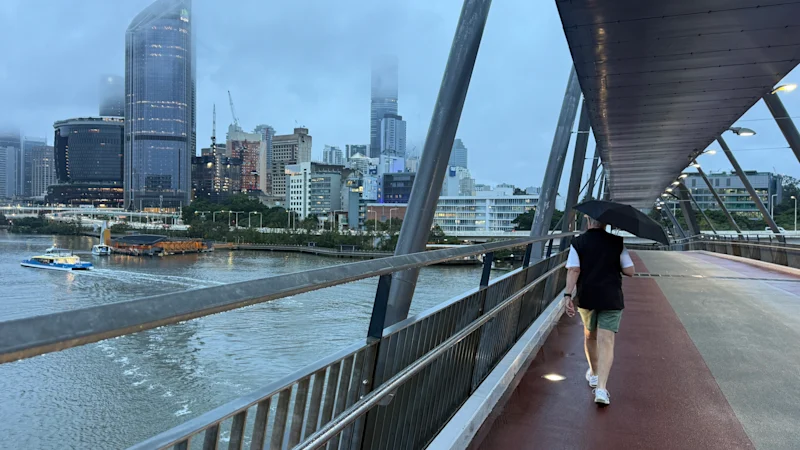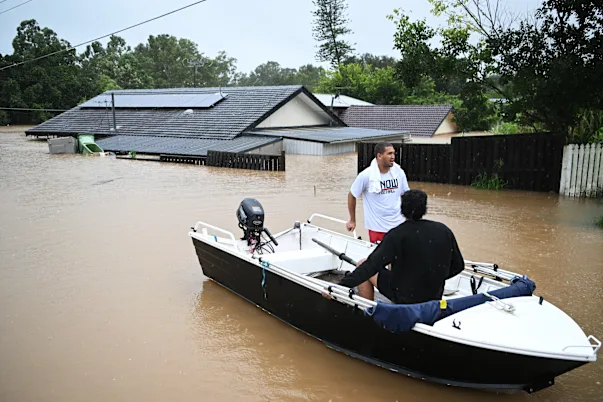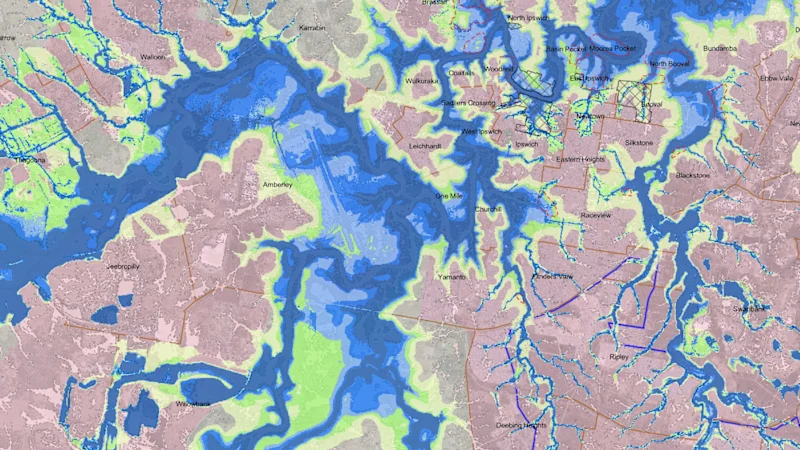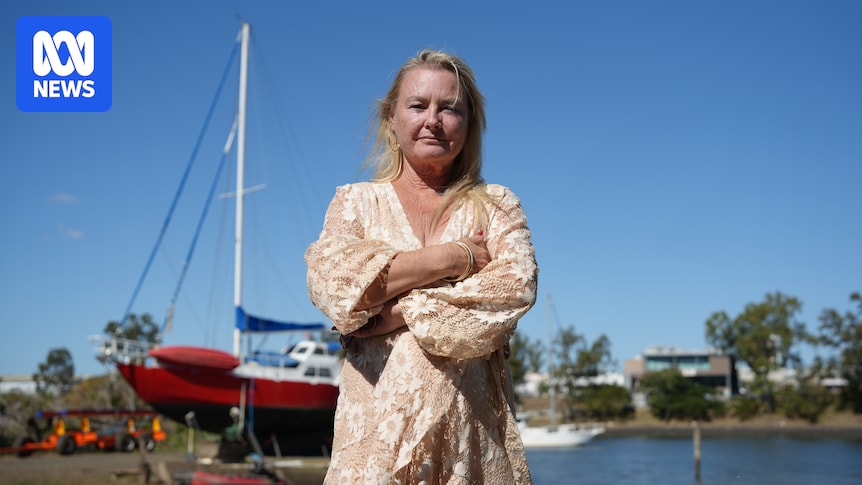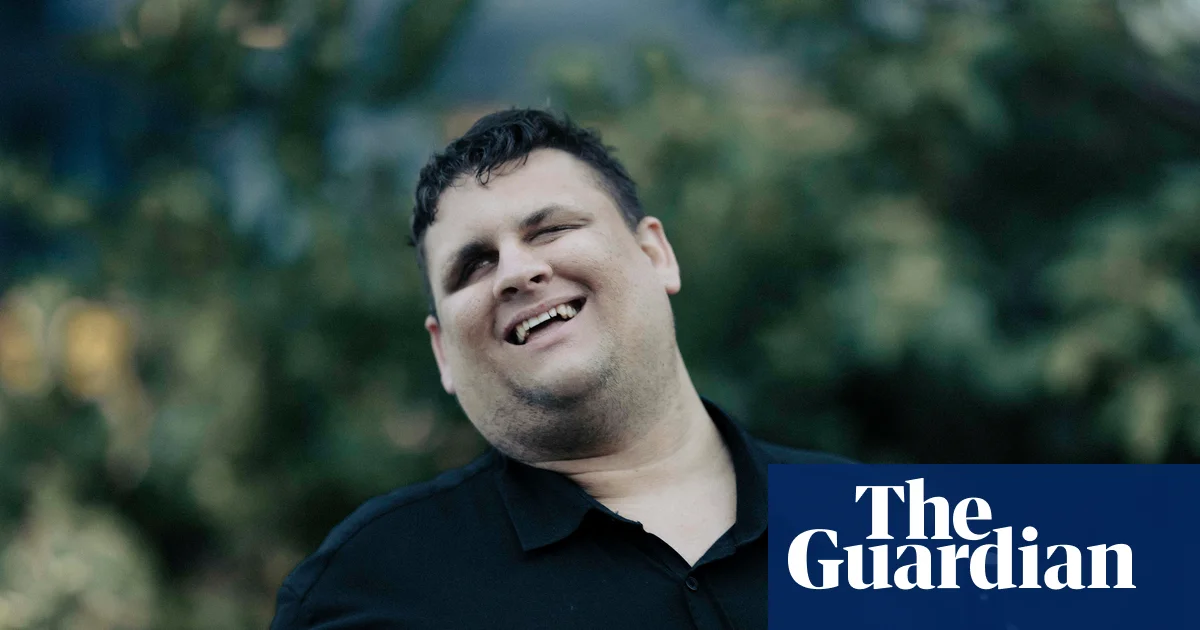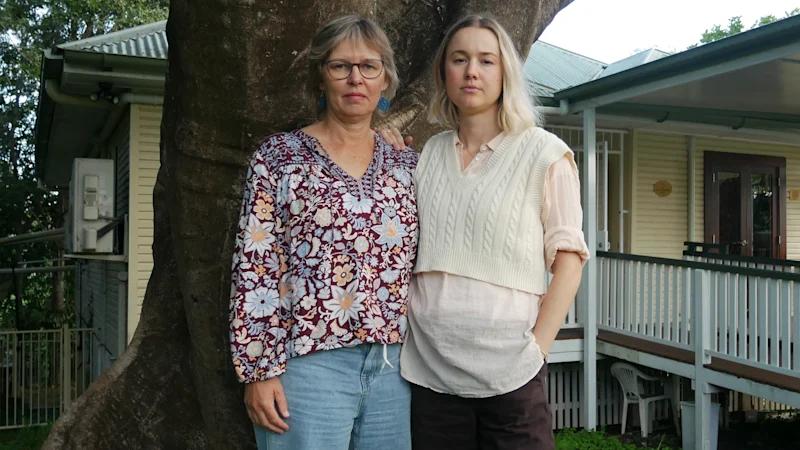
June 18, 2026 — 5:00amGraceville is one of those Brisbane suburbs that floods.Long, grassy parks stretch around its wide streets, connecting football fields and large blocks of netball courts. If you know this city, you know these places go under water every time.Sandiellen Black and Dr Paula Hardie are at the front line of preparing the community in this flood-prone part of the world for the next deluge.Sandiellen Black and Dr Paula Hardie say their funding is precarious. Julius DennisTheir headquarters are a humble neighbourhood centre called Benarrawa. The word is the Indigenous name for the creek a few blocks away – better known as Oxley Creek – which lapped at the centre’s door in 2022, and well up over its windows in 2011.Black works 12 hours a week as a community development co-ordinator, and Hardie is employed two days a week as a neighbourhood resilience worker.Together, they help seven neighbourhoods develop disaster plans, but the work doesn’t come easy.Benarrawa Neighbourhood Centre and the Graceville Community Gardens almost went under in 2022.“Piecemeal” is how Black describes the money the centre receives, adding that Hardie is on a 12-month contract funded through three separate streams.Under the formal framework for disaster management, councils oversee local planning. But Hardie says this is a problem because Benarrawa’s LGA – the Brisbane City Council – is massive.In 2024, the Benarrawa team knocked on Jessica Tovey’s door – upstream in the suburb of Oxley – looking for volunteers.“I’m pretty much all in now,” Tovey told this masthead this week.The Oxley area is one of the most flood prone in Brisbane. Raw.ExposedShe has since set up the Oxley Creek Flood Action Group, which meets once a month, and has surveyed the neighbourhood, finding out what people will need when it floods, and what they can offer to the community.She now has a list of “who has chainsaws, who has spare bedrooms and can accommodate people, who has space on their land for cars on higher ground, [and] who has skills we can put to use so we’ll be able to match people together”.Tovey introduces herself to any new people moving into the area, survey in hand – and is surprised how often people say they don’t know it floods.Australian Rivers Institute researcher Margaret Cook.Griffith University“Either they don’t know or they don’t know the extent, so I make sure I get around to everybody in the neighbourhood who either buys or rents,” she said.Margaret Cook – a research fellow at Griffith University’s Australian Rivers Institute and the author of A River with a City Problem – says groups like Benarrawa and their networks are integral to ensuring the city is ready for the next flood.“They keep an eye on their community. They learn who’s vulnerable. They learn who is getting older. They learn who has a disability. And that’s an ongoing responsibility,” she said.Cook is studying the relationship between community groups and the government in relation to flood resilience.She said the phrase “shared responsibility” often appears in government literature but isn’t reflected in the way neighbourhood centres are supported to do their work.Sandiellen Black works at Benarrawa on disaster resilience 12 hours a week. Julius DennisThat’s something Natasha Odgers from Neighbourhood Centres Queensland is hoping to change.“We’ve been approaching all kinds of various funders and decision makers in the disaster management sphere to highlight the need for long-term funding positions,” she said.“Right now, they are very much based on a specific disaster event, typically for short periods of time.”The biggest pot of grant money is in the federal Disaster Ready Fund, which Black and Hardie have applied for.“We’re hoping to partner up with three other neighbourhood centres alongside eight resident-led resilience groups,” Hardie said, noting the south side of Brisbane has the most such groups of anywhere in the state.“We’re hopeful, but this process is extremely stressful and short … it’s unlikely, but we’re optimistic.”The DRF has dropped from $200 million in its first three rounds to $142 million this year, and will focus largely on infrastructure projects.A spokesperson for the Queensland Reconstruction Authority, which helps deliver state and federal funds and is an industry partner for Cook’s work, said it has liaison workers dedicated to helping NGOs with their resilience work and funding applications.Queensland’s Disaster Recovery Minister Ann Leahy would not answer questions about whether the state government intended to support neighbourhood centres more directly.Instead, she pointed to a controversial proposal for a 50/50 federal-state split of disaster funding to suggest there would be even less money for neighbourhood centres in future.Start the day with a summary of the day’s most important and interesting stories, analysis and insights. Sign up for our Morning Edition newsletter.More:FloodsFor subscribersCity councilGracevilleQueensland governmentBrisbane RiverFrom our partners
With ‘piecemeal’ funding, these workers are preparing Brisbane for the next flood
Grassroots workers are prepping high-risk Brisbane suburbs for the next deluge, but warn a lack of funding leaves vulnerable communities exposed.
784 words~4 min read