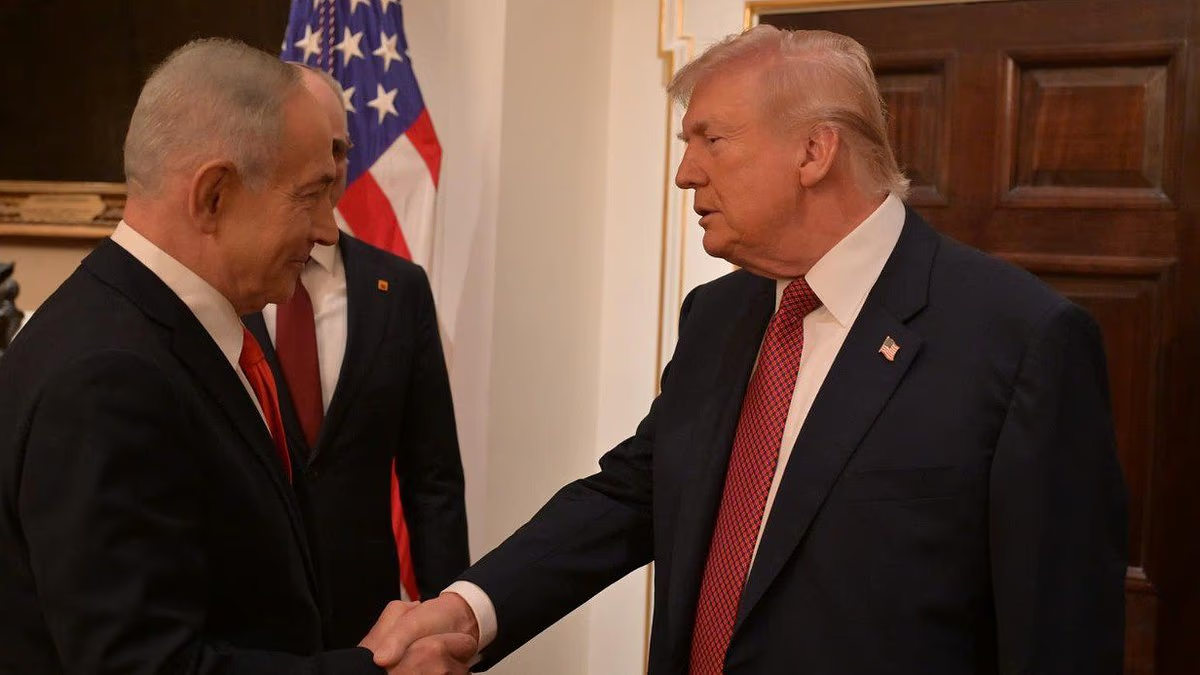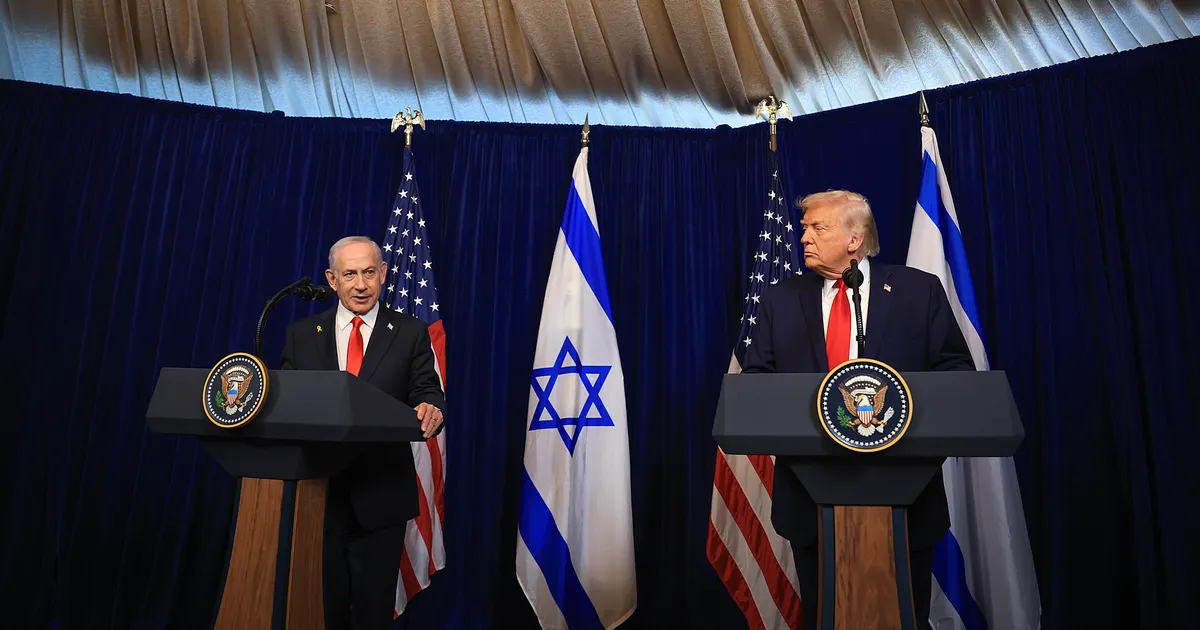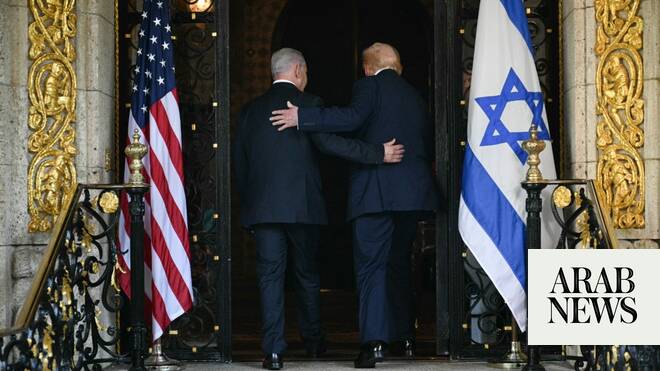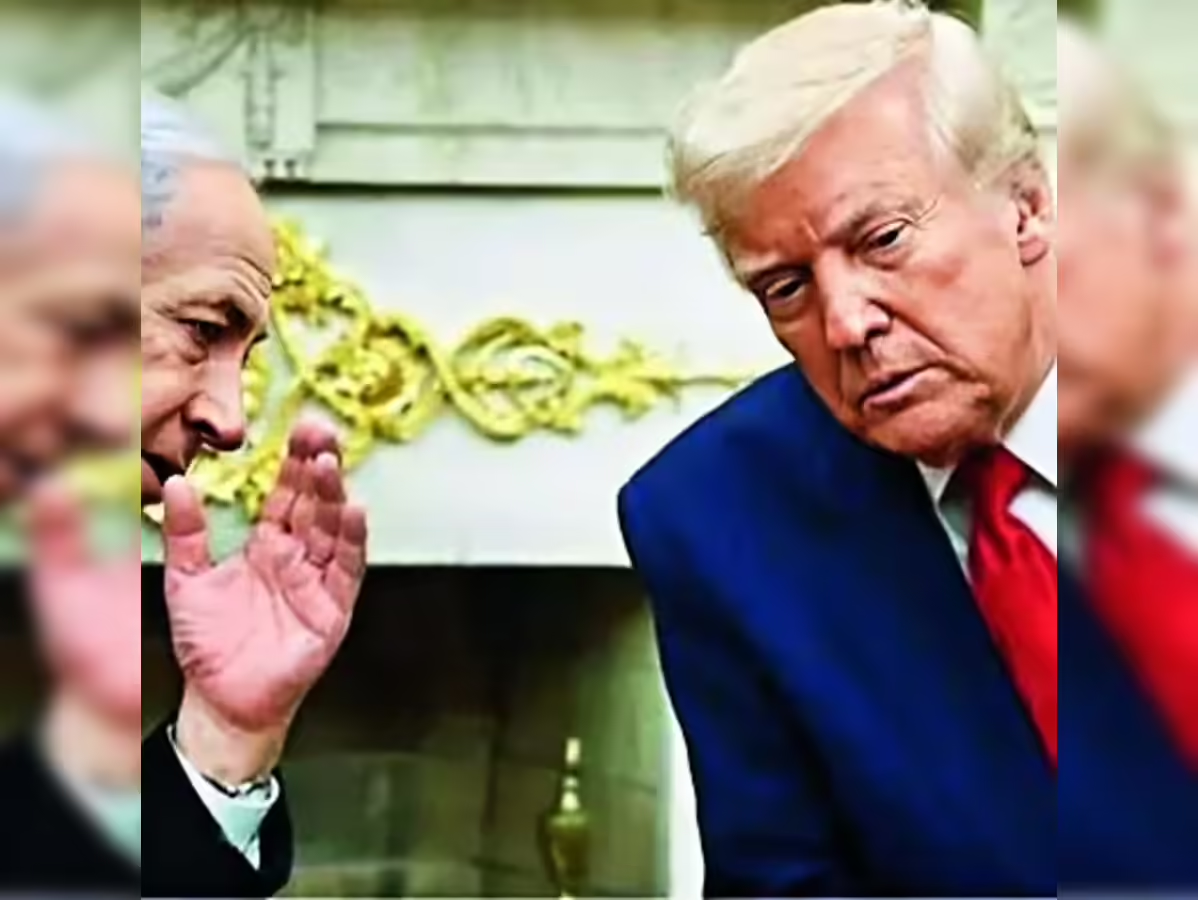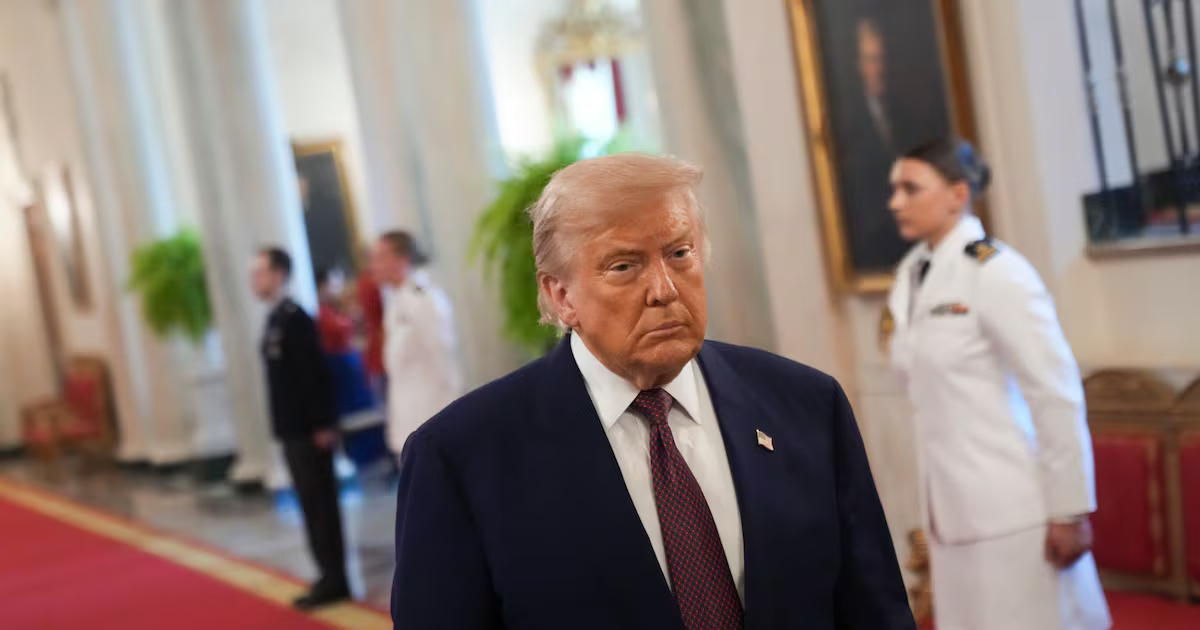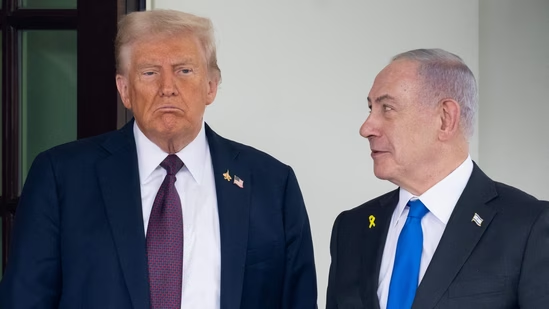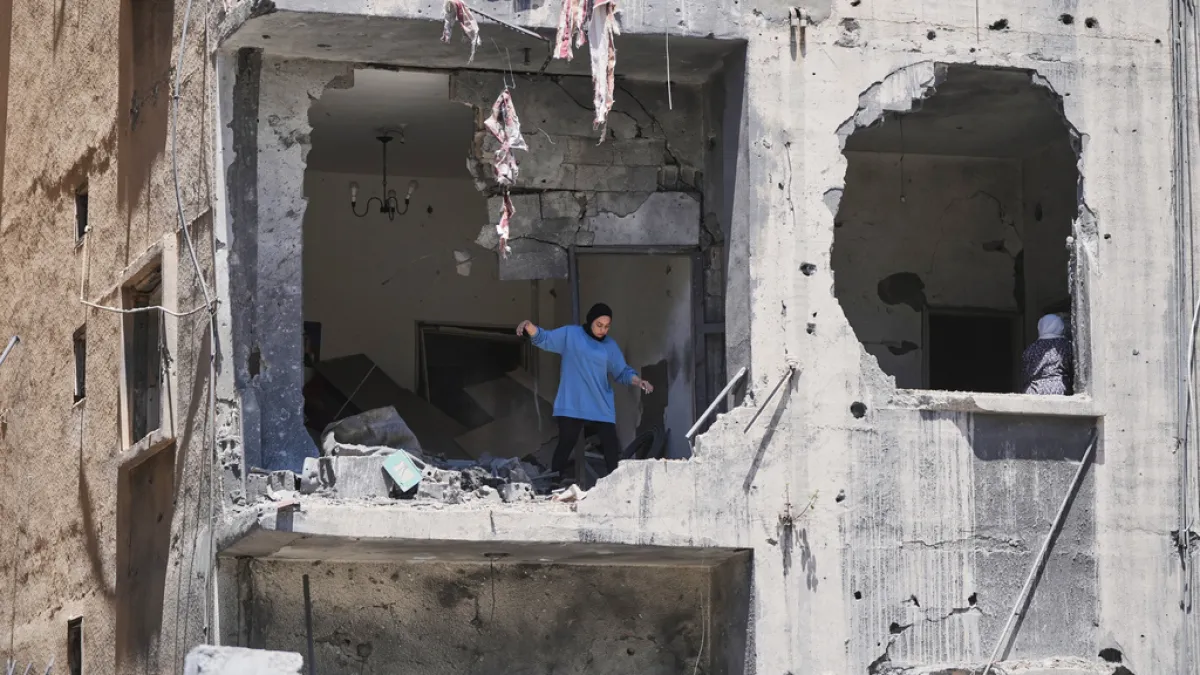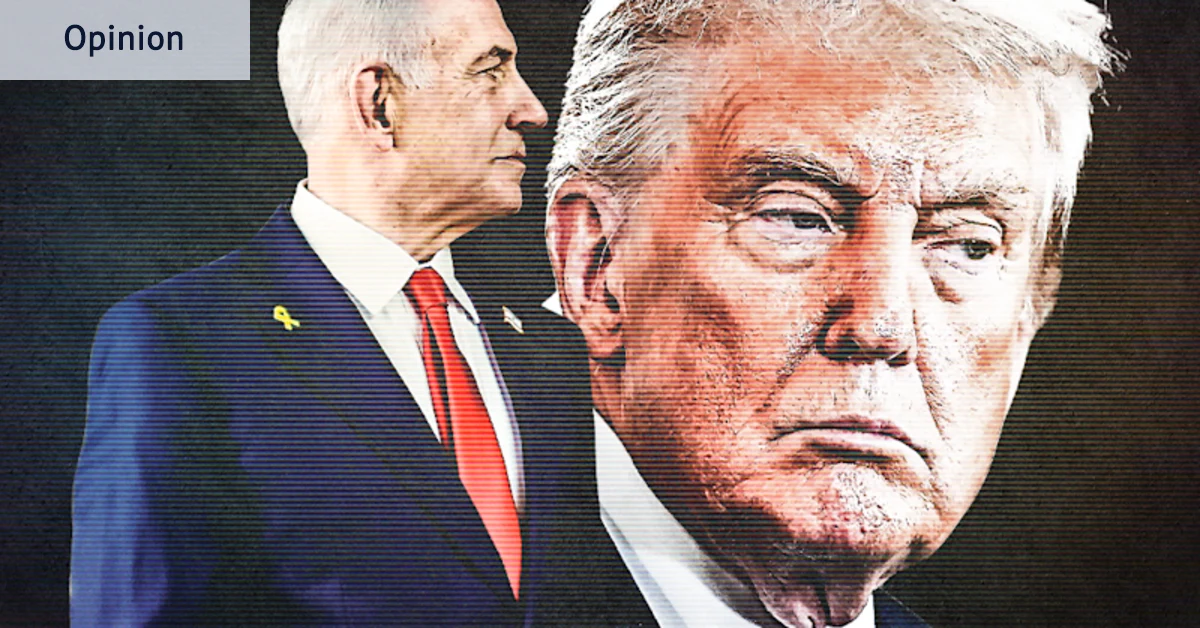
OpinionJune 18, 2026 — 5:00amThe most consequential relationship in the Middle East has entered uncharted territory. Israel is deeply disappointed by what it has heard about the US-Iran negotiations. Israeli Prime Minister Benjamin Netanyahu does not want a peace deal with Iran that allows it to retain its nuclear capabilities. He continues to bomb Lebanon despite Donald Trump ordering him to stop. If disappointment turns to defiance of US wishes, Israel may learn a harsh lesson in realpolitik: a local enforcer cannot defy the boss.The Memorandum of Understanding that Iran and the US will sign in Geneva on Friday formalises a ceasefire and kicks off 60 days of negotiations. The agreement could well be renewed at the end of the 60 days, perhaps many times without a final deal. It achieves Trump’s core goal – lower petrol prices before the midterm elections because the Strait of Hormuz will be reopened. The US president sees this deal as his hard-won, signature accomplishment. He is in no mood to tolerate Israel undermining it. Iran’s foreign minister says that further Israeli strikes in Lebanon would do just that. Photo: Illustration: Marija ErcegovacBut Netanyahu, who faces an election as soon as October, is under intense pressure from within his governing coalition to resist the deal. This coalition includes far-right cabinet figures such as Itamar Ben-Gvir and Bezalel Smotrich, whose ideological views run contrary to their country’s strategic realities. They would prefer that Netanyahu tells the US that Israel is a sovereign country that will act as it wishes, regardless of Washington’s directives. They are deeply mistaken.Netanyahu’s goal was “to remove the existential threats” to Israel. That meant destroying Iran’s stockpile of highly enriched uranium, the end of its ballistic missile program, and the end of Iran’s support for Hezbollah in Lebanon and the Houthis in Yemen. None of these goals has been met.Israel cannot attack Iran’s nuclear facilities on its own. Iran’s main nuclear facilities are more than 1500 kilometres away. Flying there and back would involve the whole of Israel’s aerial refuelling capability, and allows little or no room for operational errors. Iran has rebuilt its air defences, meaning that Israeli bombers would require protection by fighter jets. Israel would have to act on its own to put together a strike package totalling about 100 aircraft, which means potentially risking almost a third of its 350-odd combat-capable aircraft. Even then, only one conventional weapon can plausibly destroy Iran’s fortified stockpile – the precision-guided GBU-57A/B Massive Ordnance Penetrator. It is about 6 metres long and weighs 15 tonnes. But Israel would have to get that bomb from the US, as well as a B-2 Spirit strategic bomber to deliver it. Its own F-15, F-16 and F-35 fighters cannot deliver it. If it were to receive it – a non-starter right now – then its C-130J transport aircraft could “ramp drop” it from its cargo doors. However, none of this is on Trump’s agenda.Nor can Israel conduct sustained operations in Lebanon without US support. It gets the majority of its arms imports from the US. Its three major defence groups – Israel Aerospace Industries, Rafael Advanced Defence Systems and Elbit Systems have a strong US presence. The US allows Israel to use a portion of the US’ foreign military financing to buy equipment from Israeli defence firms - other countries that get such aid must spend the funds with US arms companies. US legislation requires the US government to preserve Israel’s regional military supremacy. Known as a Qualitative Military Edge, it means any US weapons sales to the Middle East require certification by the US Defence Security Co-operation Agency that the “proposed sale will not alter the basic military balance in the region”. It therefore always sells more lethal weapons to Israel than to any other Middle East country. Israeli defiance would come at a massive cost to it. Even before October 7, 2023, US government funds accounted for 20 per cent of Israel’s defence budget. The Israel-Hamas war has made Israel even more reliant on the US. No other country can replace it.Trump drove home this point brutally. “Without the US, there would be no Israel. Without me, there would be no Israel because no other president was willing to do what I did,” he said. “I have had a great relationship with Bibi. Now Bibi has to be more responsible with respect to Lebanon.” He has floated the idea that the new Syrian government led by President Ahmed al-Sharaa – who was previously associated with al-Qaeda – can be empowered to handle Hezbollah in Lebanon “because, to be honest with you, I think they’d do a better job of doing it.” This is an unprecedented situation, akin to a manager benching his best player and replacing him with an untested substitute.So keen is Trump to end this conflict that he has kept secret the details of the MOU. He is probably trying to circumvent the Iran Nuclear Agreement Review Act (INARA), passed by Congress to constrain the president’s power to offer economic relief through presidential sanctions waivers. He wants to issue waivers unilaterally and effectively dare Congress to intervene and risk re-starting the war.The bottom line is that Trump and his donors want the Republican Party to win the midterm elections and Israel will be punished if it gets in the way.Despite Israel’s current frustrations, it will remain vital to US objectives in the region. It is that rare phenomenon in the Middle East – a country where three-quarters of the population consistently hold positive views of the US. In many countries in the region, those sentiments are more prevalent among leadership elements, meaning that a military coup or a popular revolution would imperil the United States’ ability to project power. Ideological factors also motivate support for Israel; Christian Zionism is an important intellectual current, with its conception of biblical promises being realised.Israel has an advanced economy that is competitive in aviation, communications, computer-aided design and manufactures, medical electronics and fibre optics. Its proficiency in surveillance technology can help friendlier Arab regimes stay in power by improving their ability to monitor and control their populations. And Israel probably retains considerable covert capabilities inside Iran, meaning that the US will still need it to impose costs if Iran threatens to walk away from negotiations. No other country can uphold US power like Israel. As former president Joe Biden said, “If there were not an Israel, we would have to invent one to make sure our interests were preserved.”Professor Clinton Fernandes is in the Future Operations Research Group at UNSW. His latest book is Turbulence: Australian Foreign Policy in the Trump Era.The Opinion newsletter is a weekly wrap of views that will challenge, champion and inform your own. Sign up here.From our partners
Trump’s taunting of Netanyahu is a warning: a local enforcer cannot deny the boss
The US president’s escalating verbal attacks on Israeli President Benjamin Netanyahu suggests that the Middle East’s most consequential relationship has entered uncharted territory.
1,128 words~5 min read