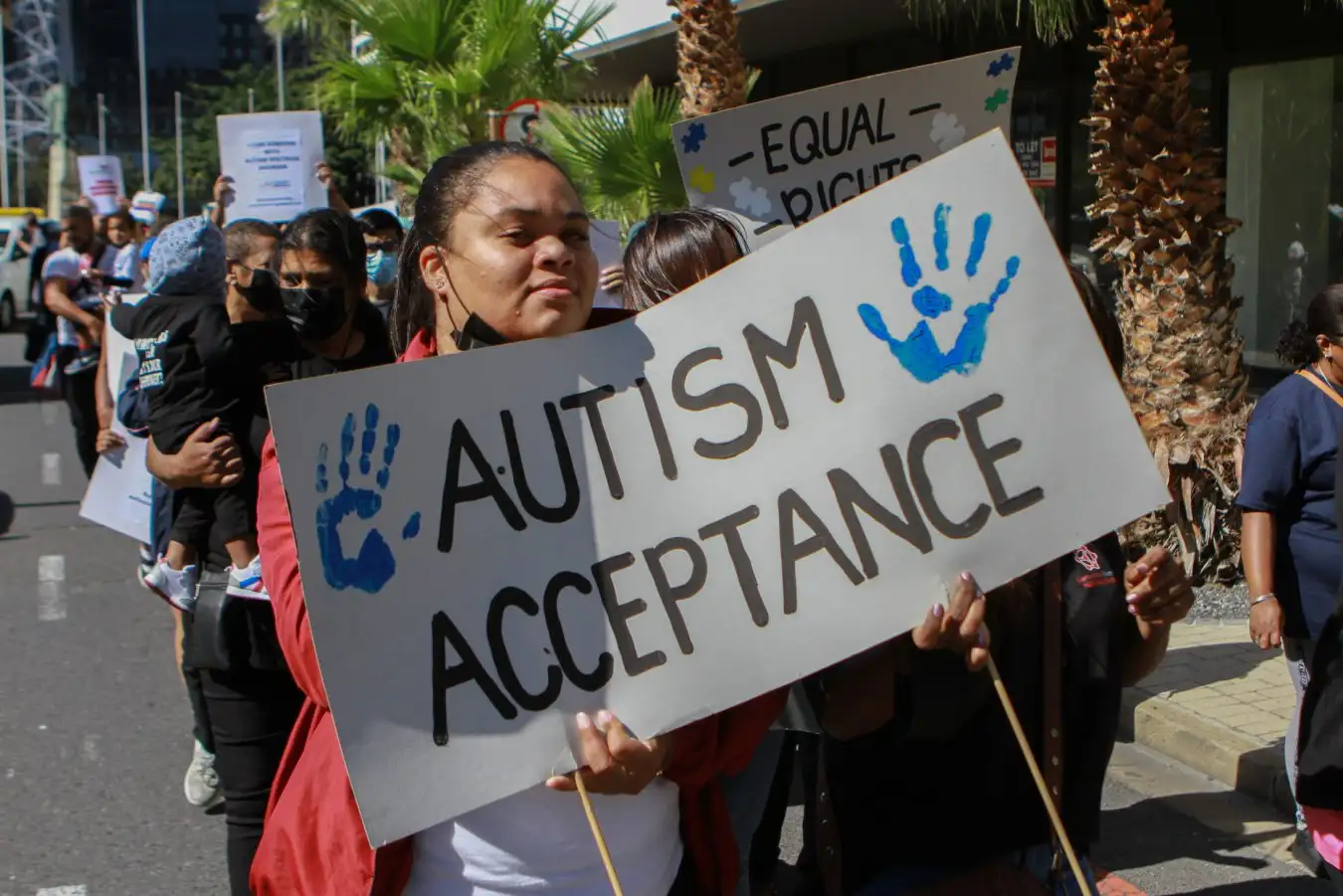
Better awareness and reduced stigma around autism and ADHD may also be behind the recent rise in diagnosesZiyaad Douglas/Gallo Images/Getty
We may be beginning to understand what is behind the recent explosion in diagnoses of ADHD and autism. A study of 140,000 people in Denmark reveals that those recently diagnosed with ADHD or autism have fewer genetic variations associated with them than people diagnosed a decade earlier. This suggests that a broadening of the diagnostic criteria is behind the rise, but it doesn’t support claims that ADHD and autism are being overdiagnosed.
Diagnoses for autism and ADHD have risen up to tenfold around the world over the past two decades, particularly among girls and adults. Several possibilities have been put forward to explain this, including better awareness and understanding, a broadening of the diagnostic criteria, and even the commercial interests of pharmaceutical companies and private diagnostic clinics. Others point to changes in the environment, such as increasing screen use and unfounded claims about childhood vaccinations and prenatal exposure to paracetamol (acetaminophen).
Another known factor is genetics. ADHD and autism are highly heritable, and research has recently identified thousands of common gene variants, each of which slightly increases the likelihood of developing core traits.