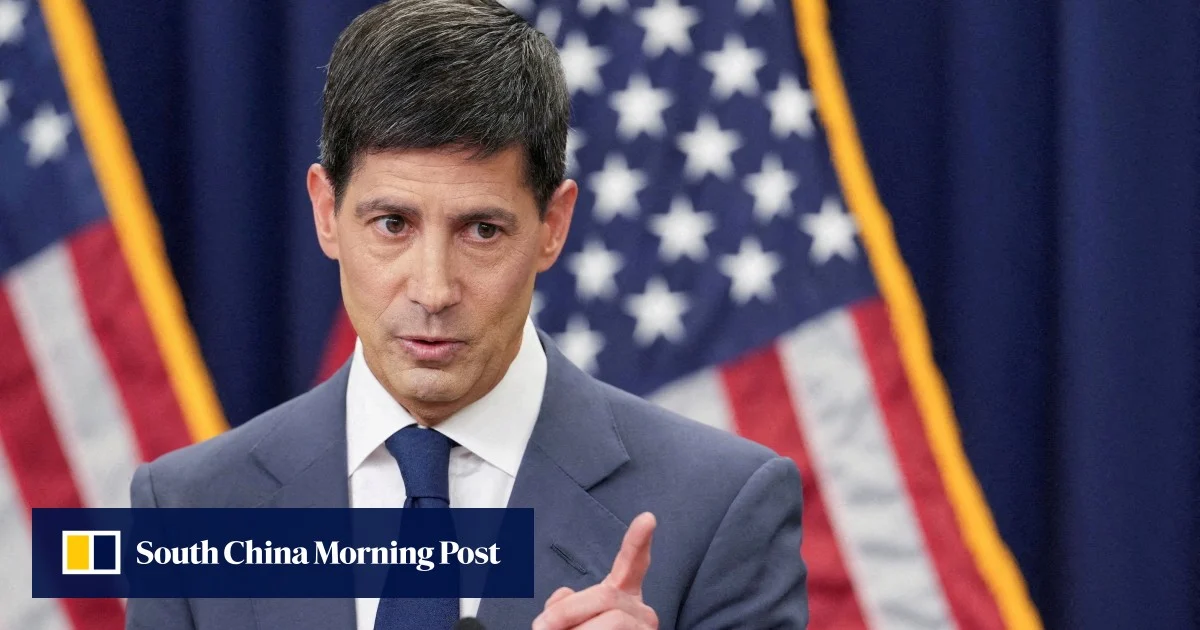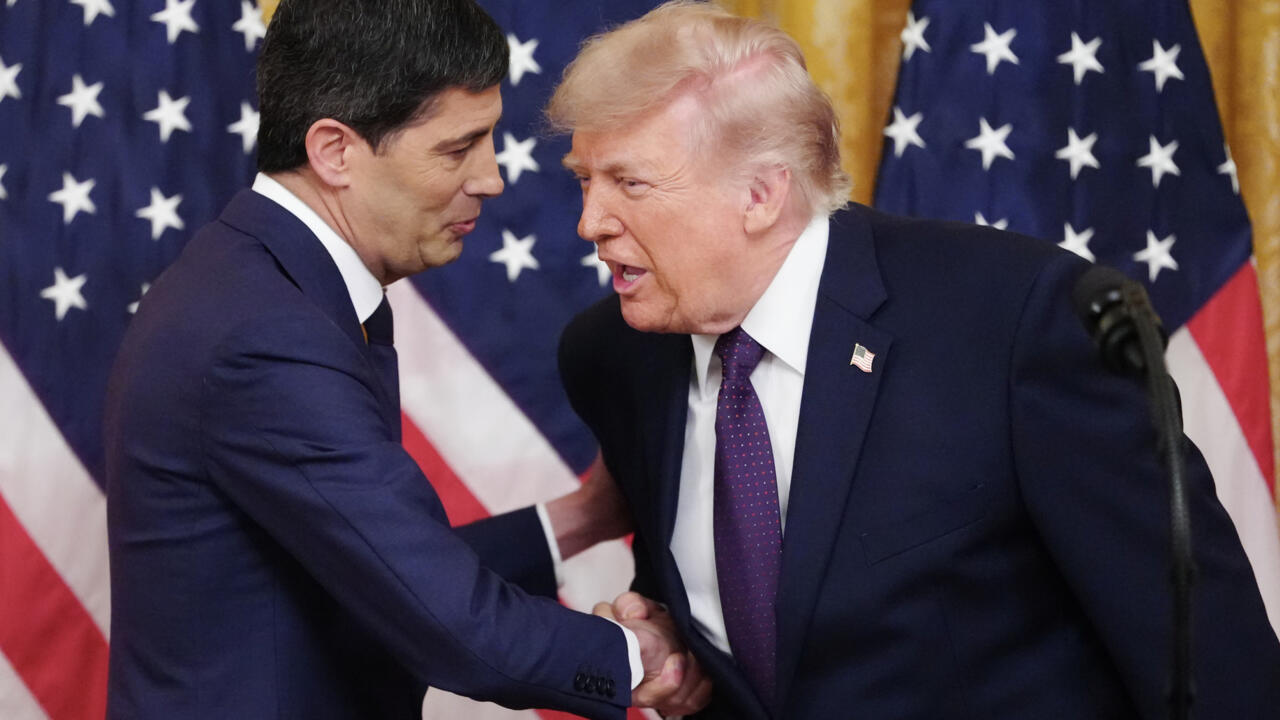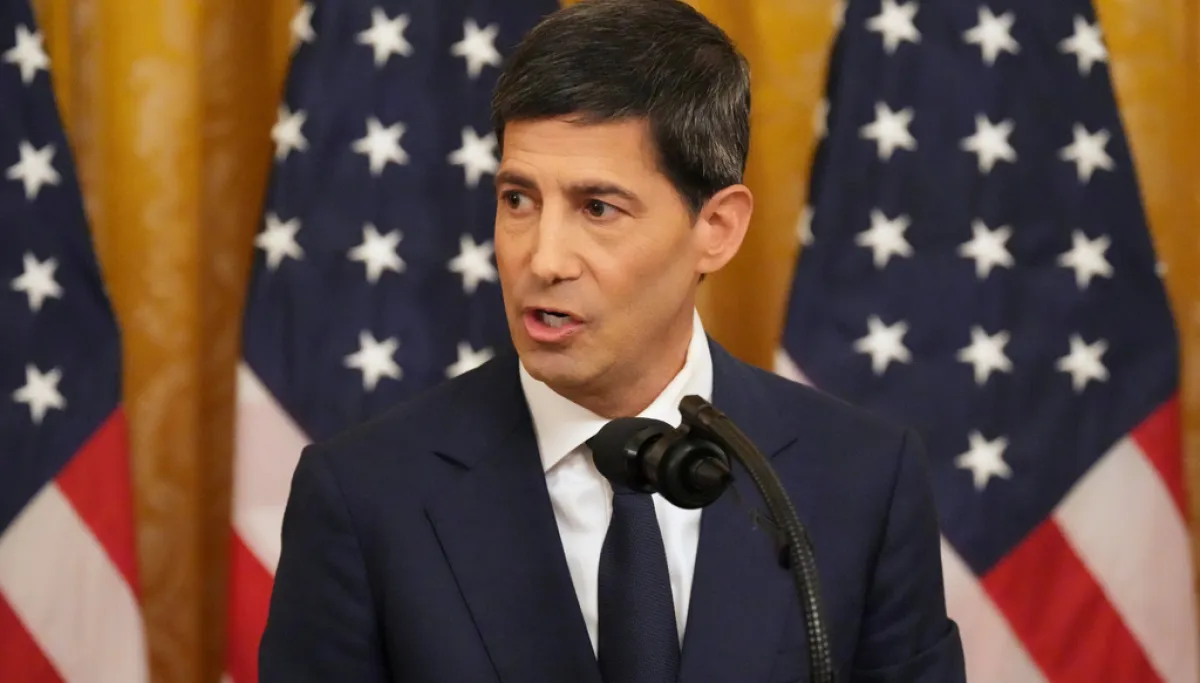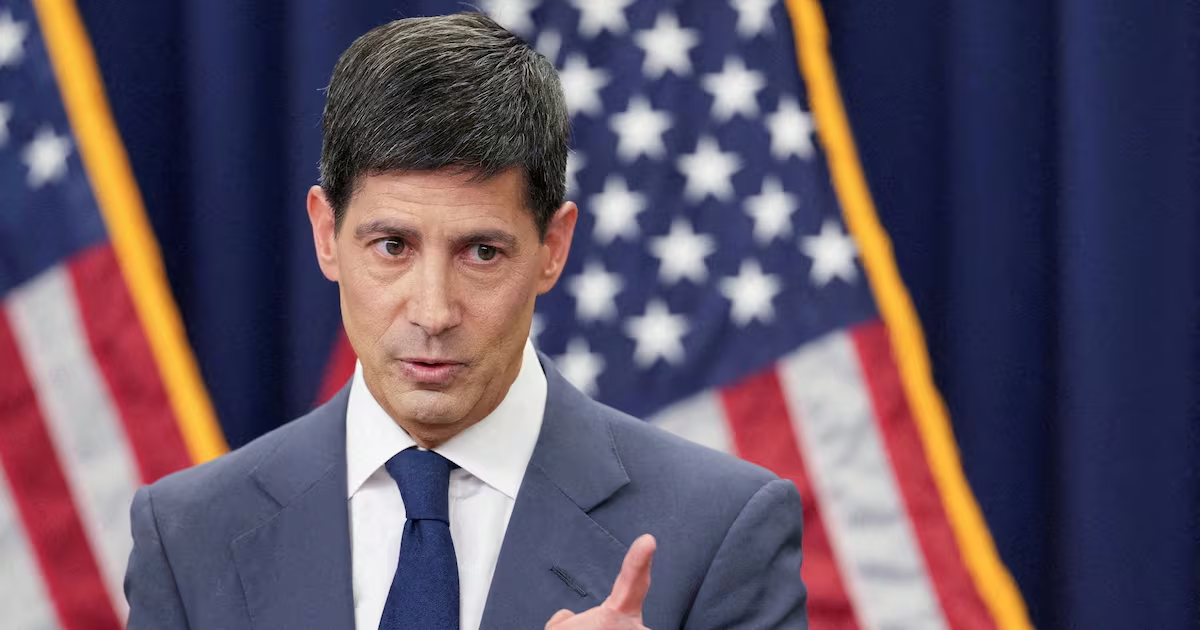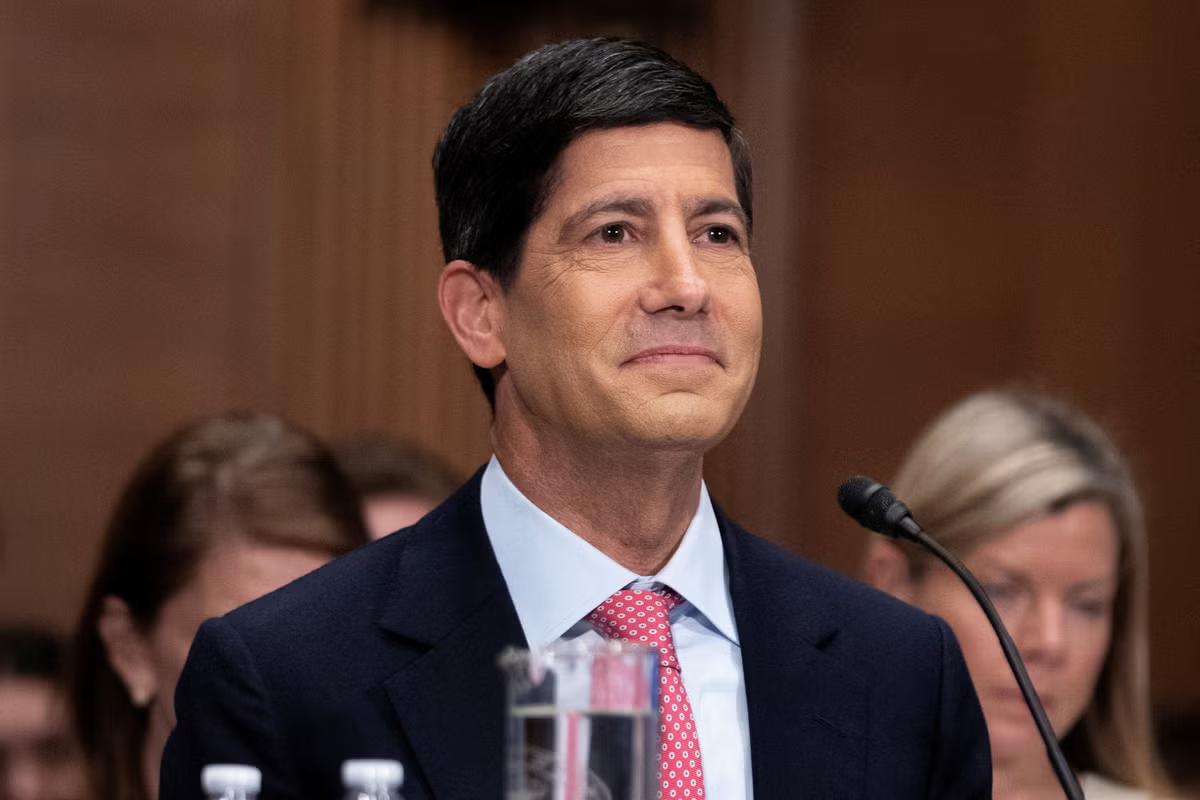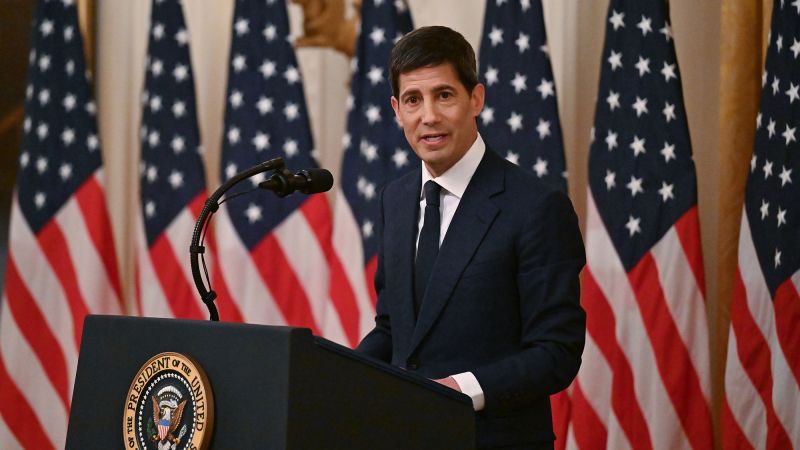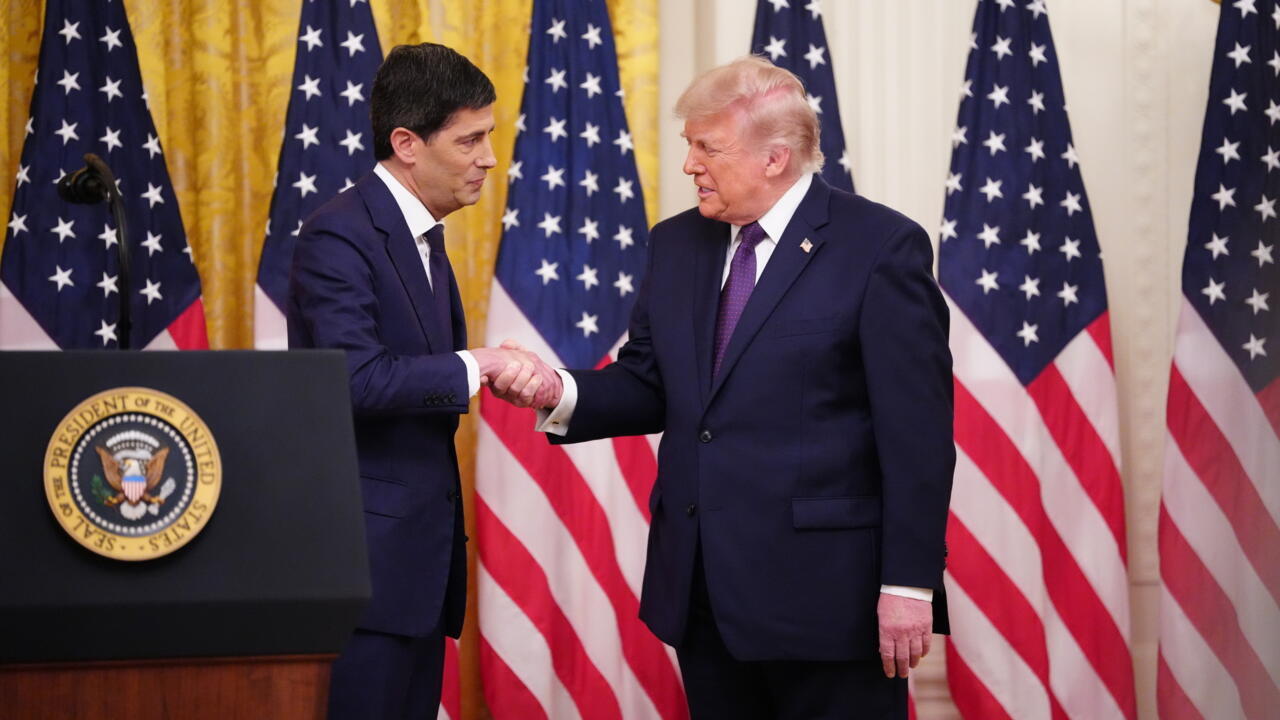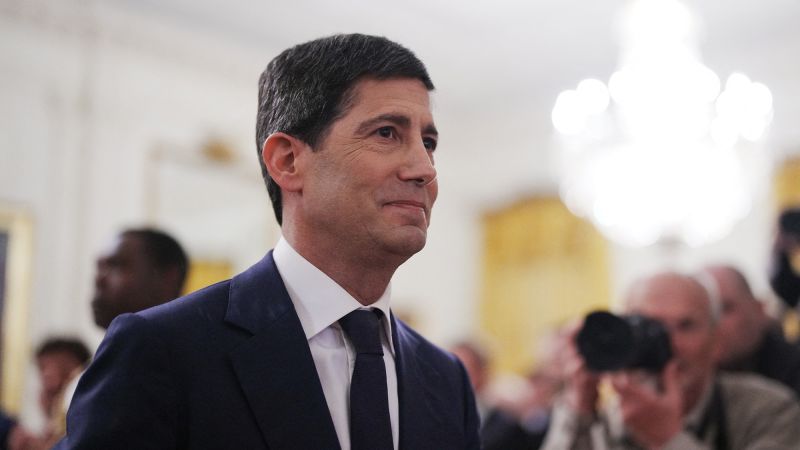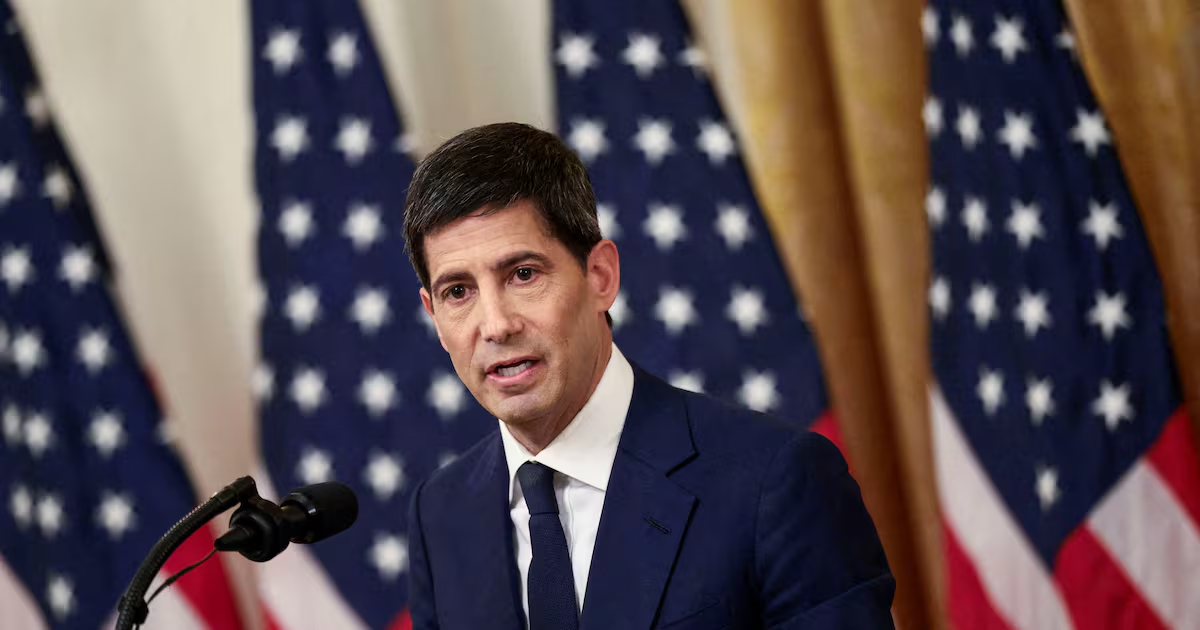
The US Federal Reserve held interest rates steady on Wednesday, as new chairman Kevin Warsh took the reins of an increasingly hawkish committee that is concerned with rising inflation exacerbated by the Iran war."Economic activity is expanding at a solid pace despite elevated uncertainty that owes, in part, to the conflict in the Middle East," the committee said in a statement.The decision marks the fourth consecutive time the US central bank has held its benchmark target range at 3.50 to 3.75 per cent as it continues to monitor inflationary effects from the conflict. The UAE Central Bank, which follows Fed decisions because of the dirham's peg to the dollar, also held its base rate steady at 3.65 per cent.Updated quarterly forecasts from the Fed also showed the central bank anticipates it will the federal funds rate will sit at roughly 3.8 per cent later this year, underscoring the committee's hawkish pivot on rising energy costs associated with the regional conflict. Policymakers previously projected it would cut rates once this year.Mr Warsh, who served on the Fed's board of governors from 2006 to 2011 before joining the Hoover Institution, succeeded Jerome Powell as Fed chair last month after an audition process during which US President Donald Trump publicly demanded lower interest rates to help boost economic growth and pay off American national debt.However, recent data shows that inflation has accelerated since the Iran war began on February 28. US inflation rose 4.2 per cent on an annual basis in May – its highest level in three years – mostly as a result of higher petrol prices. The Fed typically raises interest rates to fight inflation.Mr Trump has said in recent weeks that he wants Mr Warsh to be independent, but has also said the Fed should not raise interest rates despite higher inflation.Oil prices have retreated since Mr Trump on Sunday announced a framework peace agreement with Tehran that could reopen the Strait of Hormuz, a vital chokepoint for global energy supplies, with Brent crude trading at about $80 a barrel. A signing ceremony is expected to be held in Switzerland on Friday.But officials and executives have said it could take months to return production to prewar levels, with higher costs passed on to consumers. The International Monetary Fund's Port Watch tool showed that tanker traffic through Hormuz remained lower than prewar levels.“Under these conditions, another rate increase later this year remains a credible possibility,” said Noureldeen Al Hammoury, head of market insights and community engagement at Equity Group in Dubai.While Mr Warsh has said AI could help to reduce inflation, data also suggests the costs associated with building data centres are contributing to an inflationary bump, at least in the short term.Updated forecasts showed the Fed anticipates its preferred inflation metric to increase 3.6 per cent on an annual basis this year, compared to its March projection of 2.7 per cent. Stripping away food and energy, the Fed anticipates inflation to come in at 3.3 per cent versus its March forecast of 2.7 per cent.Mr Warsh's accession has also raised questions over his vision for how the Fed will operate. The new chair has said he wants a reform-orientated central bank with less focus on communications and forward guidance such as the “dot plot”, and is also seeking changes to the Fed's balance sheet.“The main risk is therefore not the interest-rate decision itself, but an unclear communication strategy. A press conference that fails to establish a credible policy direction could increase volatility in Treasury yields, the US dollar and equity markets, even if rates remain unchanged,” Mr Al Hammoury said.Wednesday's meeting also marked a rare moment in which a current and former Fed chair attended a policy meeting. Although he stepped down as chair last month, Mr Powell has said he intends to continue to serve as one of the Fed's seven governors for a “period of time”, owing to what he called “unprecedented” attempts by the Trump administration to place the central bank's independence in doubt.Mr Powell had faced criminal investigation over remarks he made about cost overruns at the Fed headquarters in Washington. The case was dropped after a US judge tossed out the Justice Department's subpoenas.
US Fed holds interest rates on Iran war inflation bump | The National
New chair Kevin Warsh oversees first meeting with rate-setting committee
699 words~3 min read