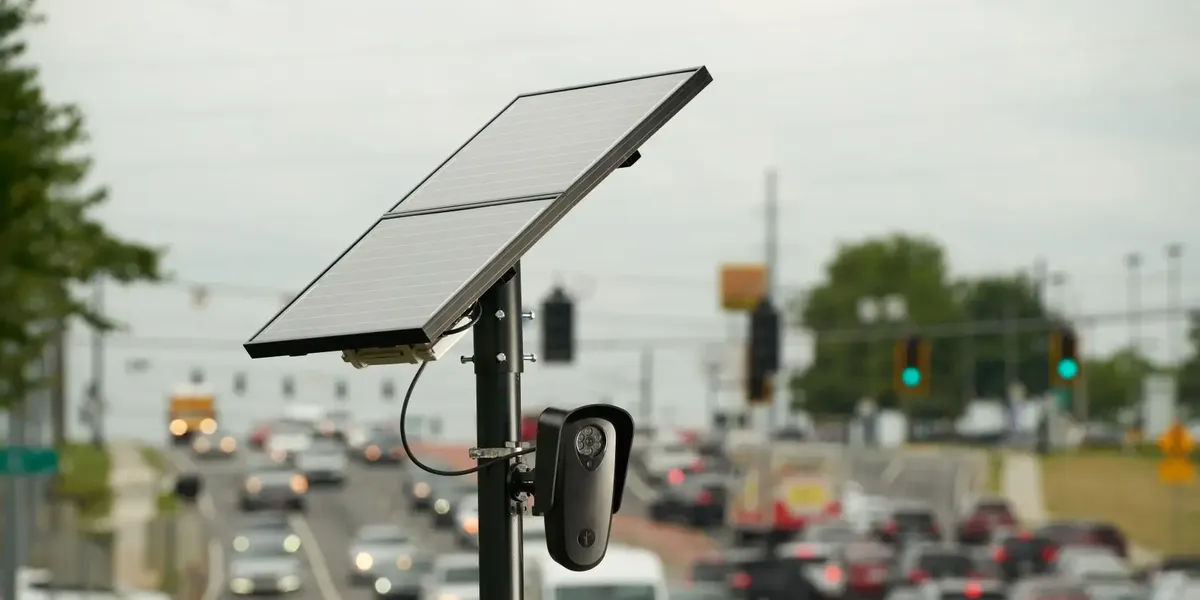
The Institute for Justice's analysis, published in late April and the subject of a 263-point Hacker News thread on May 1, identifies fourteen documented cases of US police officers using automated license-plate-reader networks to track romantic interests, ex-partners, or strangers they had personally fixed on. The bulk of the cases occurred since 2024. Most of the officers named in the analysis were criminally charged. Most lost their jobs by either resigning or being fired.
The IJ analysis is careful about its own scope. "The 14 cases listed below are almost certainly an undercount," the report notes, listing reasons: not all police misconduct gets detected; some cases get resolved quietly; "Officers frequently cite vague or inaccurate reasons for their searches in ALPR systems, sometimes to evade detection of misconduct." Most of the cases that did surface, the IJ analysis observes, surfaced "only after victims reported the officers' behavior to the police, typically in the context of a broader stalking allegation."
What follows is what is publicly known. The list is short; the structural facts behind it are what the rest of this article is about.
Four names
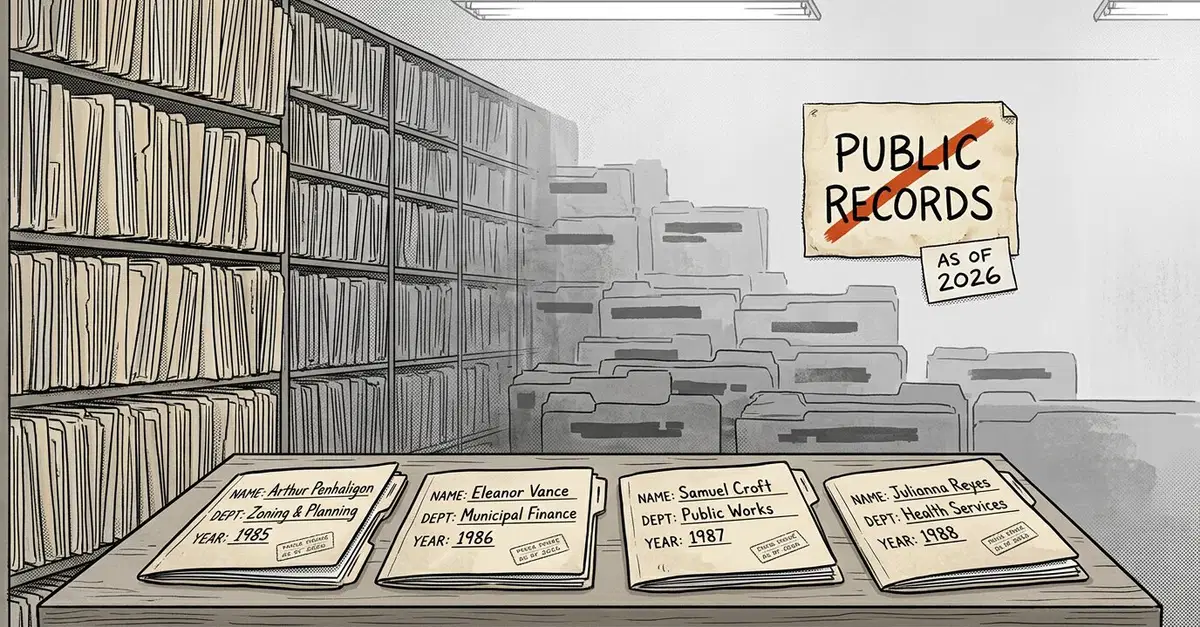
The IJ analysis names individual officers, departments, dates, and outcomes. The four cases below are representative of the fourteen, and each has been independently corroborated through the cited reporting.