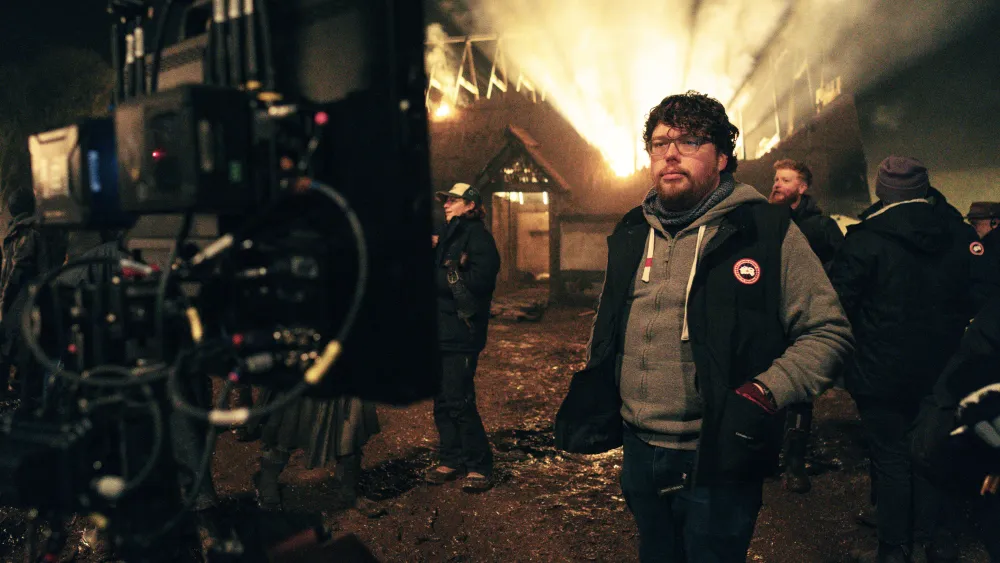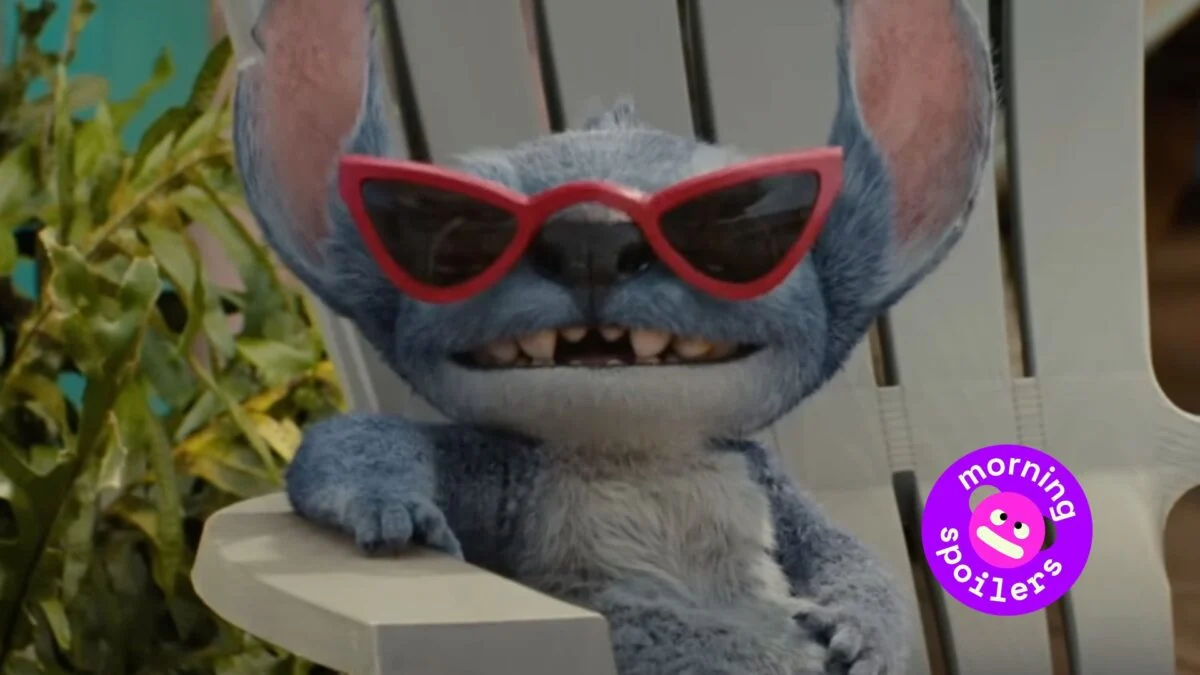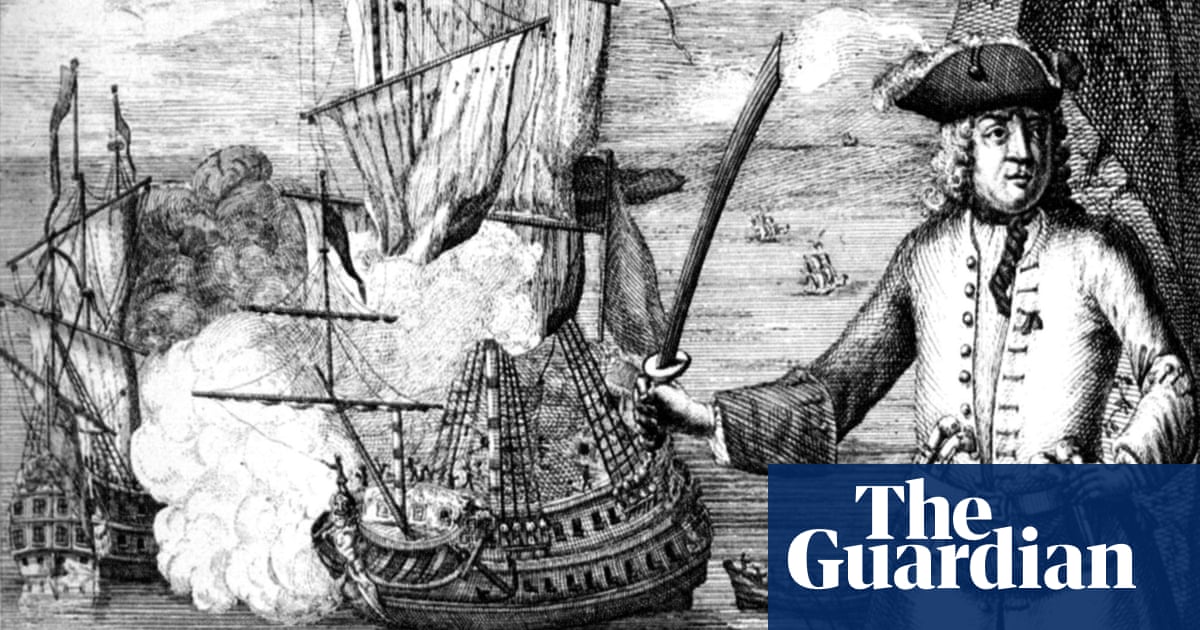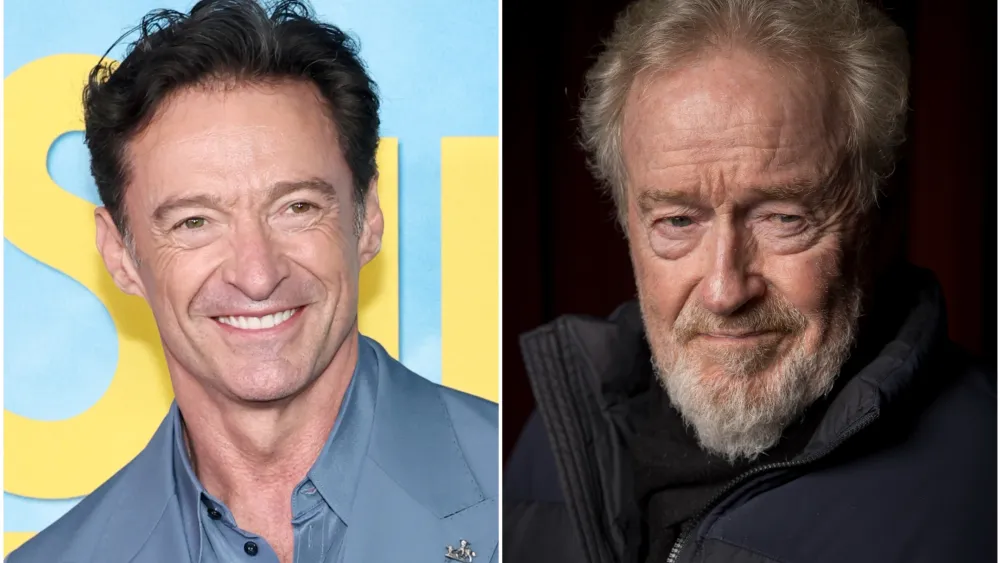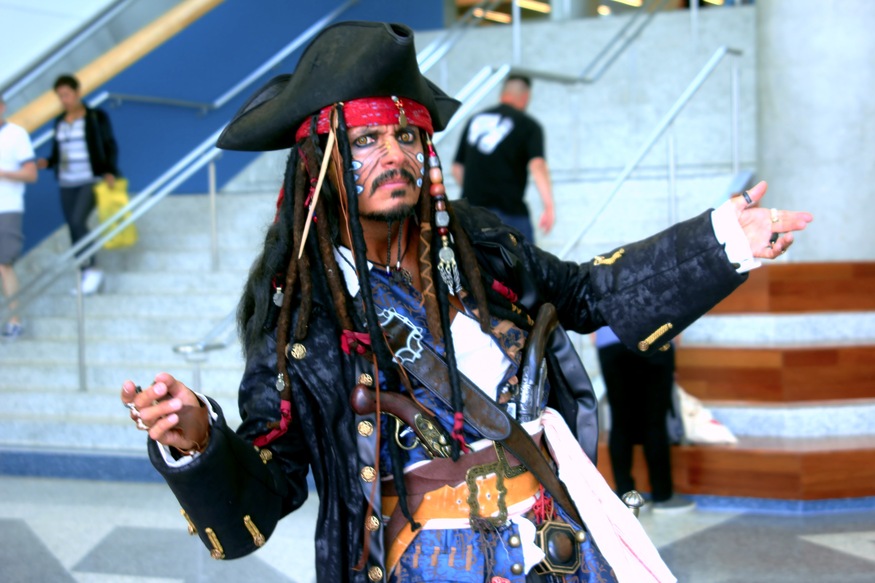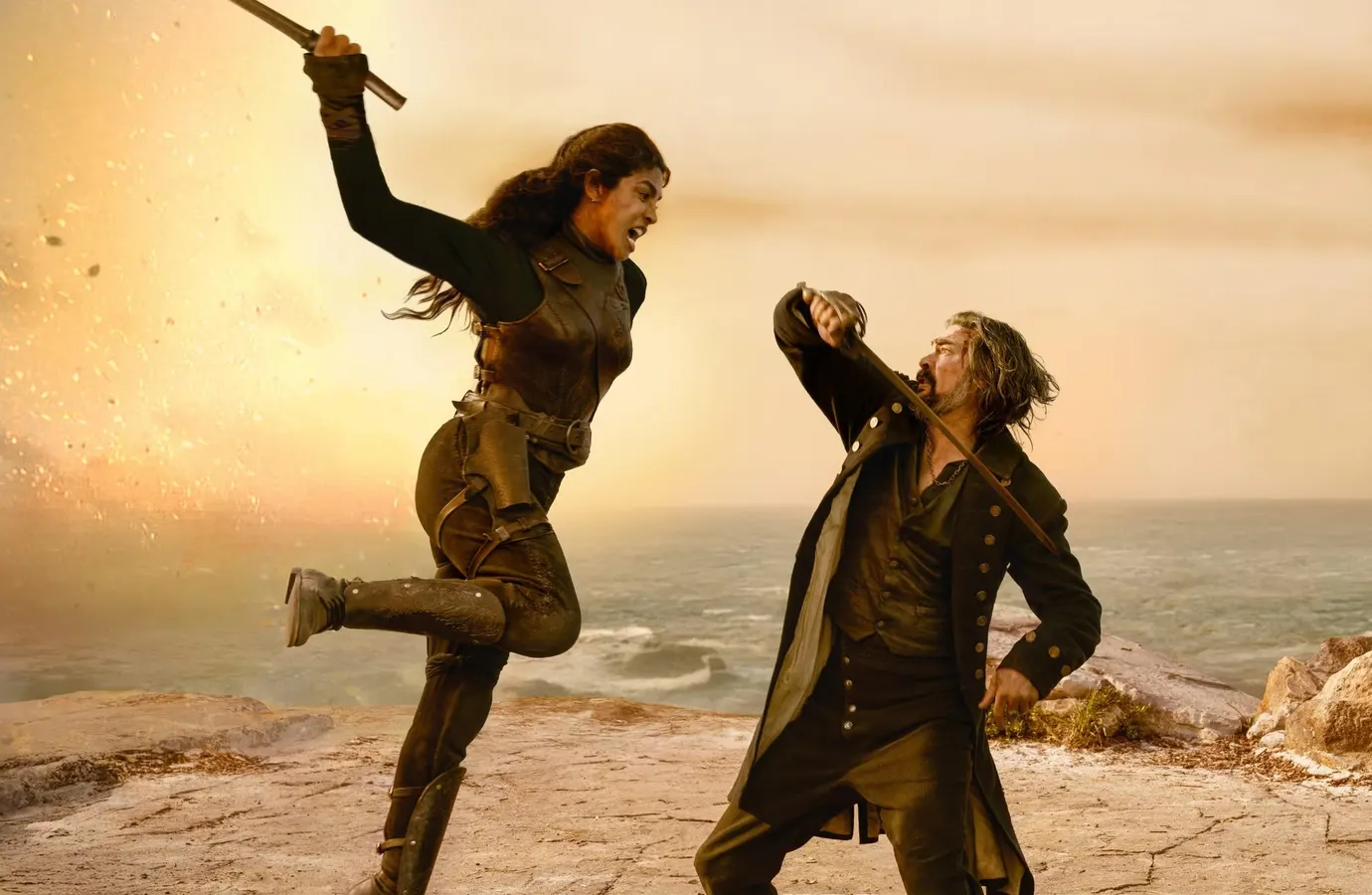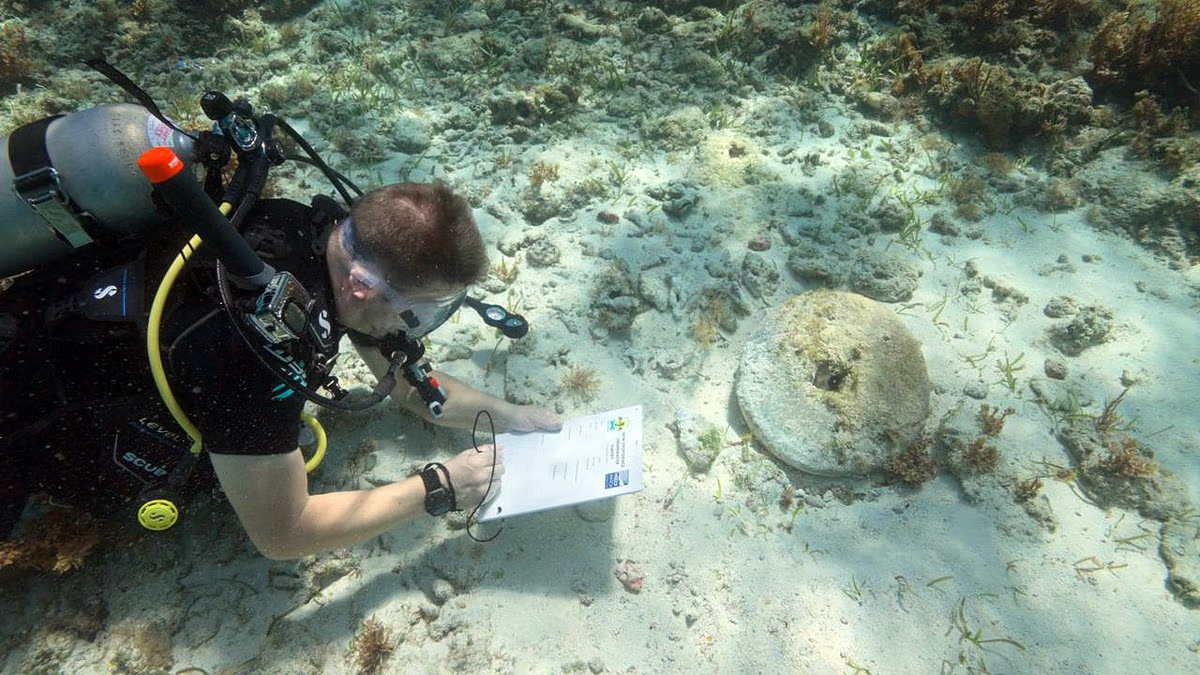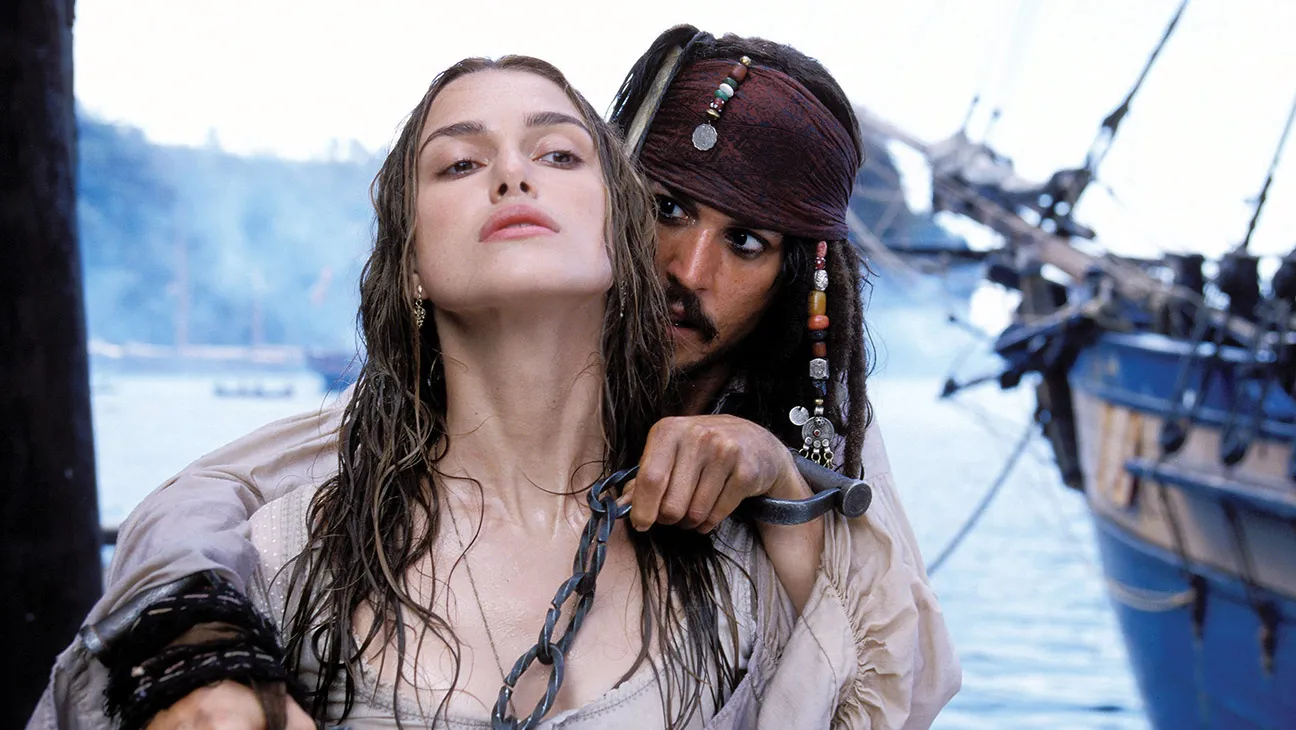
The pirate dream just won’t die. Buzz around a sixth installment of Disney’s Pirates of the Caribbean is relentless. This year, 1.6 billion watched the premiere of the second series of Netflix’s One Piece, about the search for the Pirate King’s treasure. And last week, Ridley Scott announced that he would be directing a new spin on Robert Louis Stevenson’s Treasure Island, starring Hugh Jackman as Long John Silver, the swaggering eye-patched buccaneer who launched a thousand clichés. With more than fifty film and television adaptations, the 1883 novel is a jewel of inspiration. But how close to the three centuries-old pirate reality is the Hollywood take? I’m a marine archaeologist and the editor of Wreckwatch magazine. Last year, when I dived into the Caribbean waters of the Bahamas, time flipped. Images of Errol Flynn sword-fighting in Captain Blood in 1935, and Johnny Depp swinging down rigging rope with wrist chains in Curse of the Black Pearl of 2003,raced through my mind. Diving isn’t swashbuckling, but it is adventure. And these seas have seen more adventure than most. “It was in Nassau that the legend of the pirates of the Caribbean was born,” says adventurer Chris Atkins, fresh from exploring and filming Mystery of the Pirate King’s Treasure in the Bahamas, “and the legend of Henry Avery, the real pirate king who brought $149 million of gold, silver and precious gems here in 1696.” The notorious Flying Gang outlaws — Blackbeard, Calico Jack Rackham, Anne Bonny and many more — lived in this pirate paradise in the 1710s, plotting attacks and enjoying the spoils of plunder. Along with Dr. Michael Pateman and Atkins, we’d been given the first permission to dive these seas in search of the forgotten shipwrecks of the real pirates of the Caribbean. Not the fantasies. We had scrutinized primary sources and, alongside 3D model makers and an AI studio, reconstructed life in what was once the baddest town on Earth, helping us distinguish the truth from on-screen fiction. And we hit the jackpot. “Not one pirate ship or prize had ever been found in these waters,” says Atkins. “In menacing hurricane season, our dive team discovered six wrecks, three from the first half of the eighteenth century linked to piracy: iron cannons, musket balls, scattered crates of tobacco pipes, glass wine bottles and an actual wooden hull burned to the waterline, a favorite pirate ploy to get rid of evidence of their crimes.”
Does Hollywood Get Pirates Right? An Explorer Dives Deep.
From Captain Blood to Jack Sparrow to an upcoming Ridley Scott take on ‘Treasure Island,’ onscreen swashbucklers have often been box-office gold. But how much is true? Researchers in the Bahamas tracked down answers.
1,949 words~9 min read