The models powering today’s agents are remarkably capable. They can reason across complex problems, plan multi-step workflows, and generate nuanced responses. But most agents are operating well below that potential. The gap isn’t intelligence. It’s access to the right context and feedback.
A customer service agent tasked with answering a question about your company’s refund policy can’t help if it can’t reach the document in SharePoint where that policy lives. A research agent building a market brief delivers an incomplete picture if it can’t access current information beyond its training data. A financial advisor agent returns a second-best recommendation if the real-time market data it needs sits behind a paywall it can’t get through. And across all of these, most teams have no systematic way to know whether their agents are getting better or worse once deployed.
A capable model is only the starting point. What makes an agent perform in production is access to everything it needs to do the full job: the right knowledge, the resources to act, and the feedback loops to keep improving.
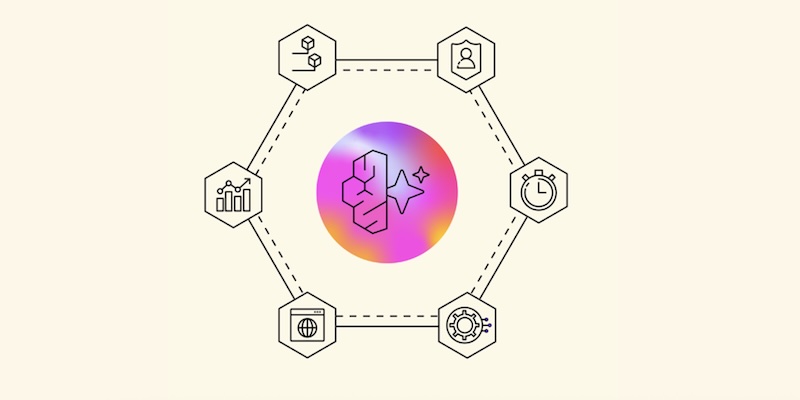
Today we’re introducing new capabilities on Amazon Bedrock AgentCore, the platform to build, connect, and optimize agents. In this post, we cover how these capabilities close each gap: connecting agents to organizational, web, and paid knowledge; helping teams find and fix what’s going wrong in production; and enforcing controls that scale as agents grow more capable. Together, they help you build more capable agents faster, govern them with controls that scale, and improve them continuously.

 aws.amazon.com