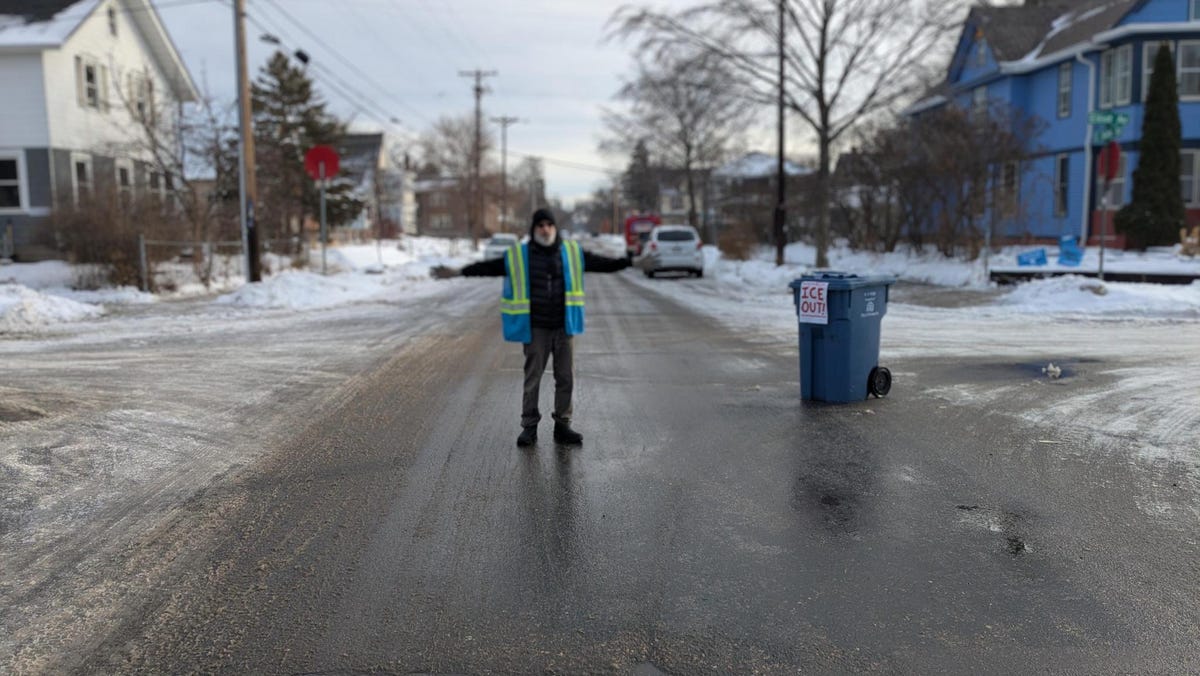
When anti-ICE activists rallied against the Trump administration’s deportation campaign in Minneapolis, many relied on the encrypted messaging app Signal for secure communications. In activist chats and quickly established ICE-tracking groups, locals used Signal to keep tabs on federal agents patrolling their communities.
When the Department of Homeland Security announced this week the arrest of 15 alleged “anti-ICE rioters” in Minnesota, it pointed directly at their Signal chats.
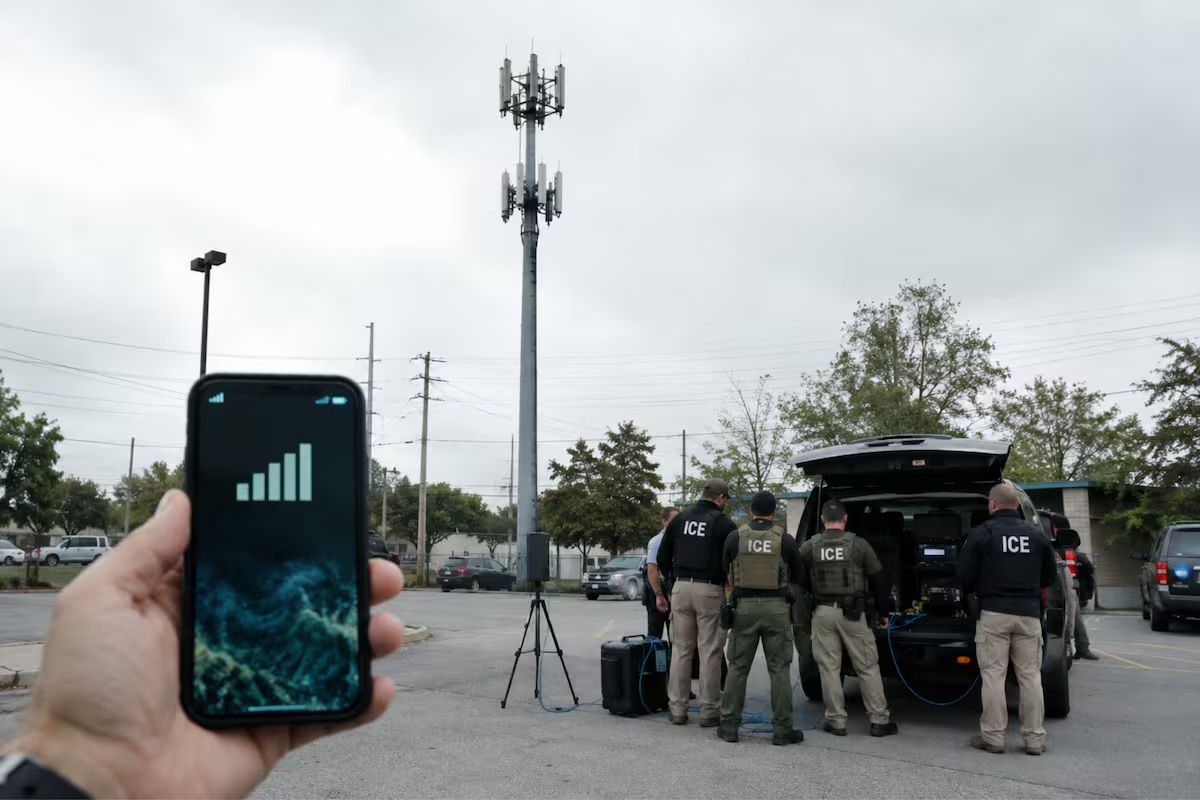
The indictment is in large part built upon on conversations from more than a dozen Signal groups, citing more than 100 specific messages. The case is a stark reminder that using an encrypted messaging platform like Signal is not in and of itself a magic bullet to safeguard communications. It also raises the question: How did Immigration and Customs Enforcement’s Homeland Security Investigations unit gain access to all of these communications in the first place?
The indictment doesn’t provide a clear answer. But sprinkled throughout the document are clues that suggest that law enforcement may have gained access to the physical devices of some of those indicted.
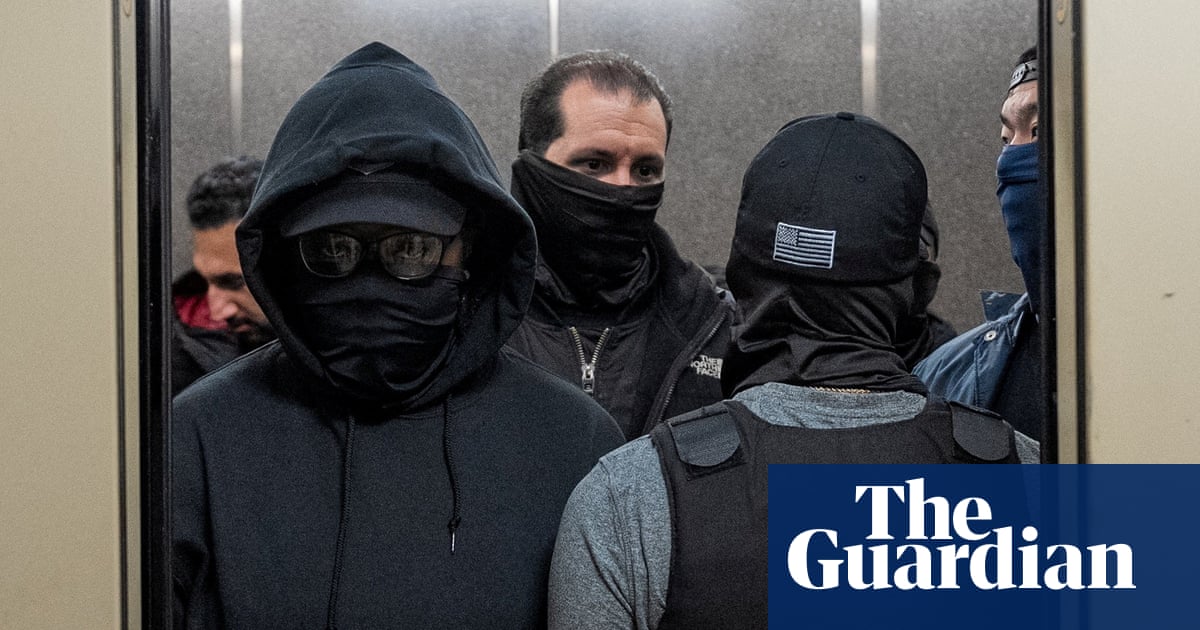
The indictment singles out its targets for their alleged participation in local ICE rapid response networks, where volunteers monitor and report the presence of federal agents in their communities by flagging details such as the license plate numbers of vehicles used by immigration authorities. ICE watchers in Minnesota have been met with intimidation from immigration authorities amid the national outcry following the killings of Alex Pretti and Renee Good as they observed the actions of immigration authorities.