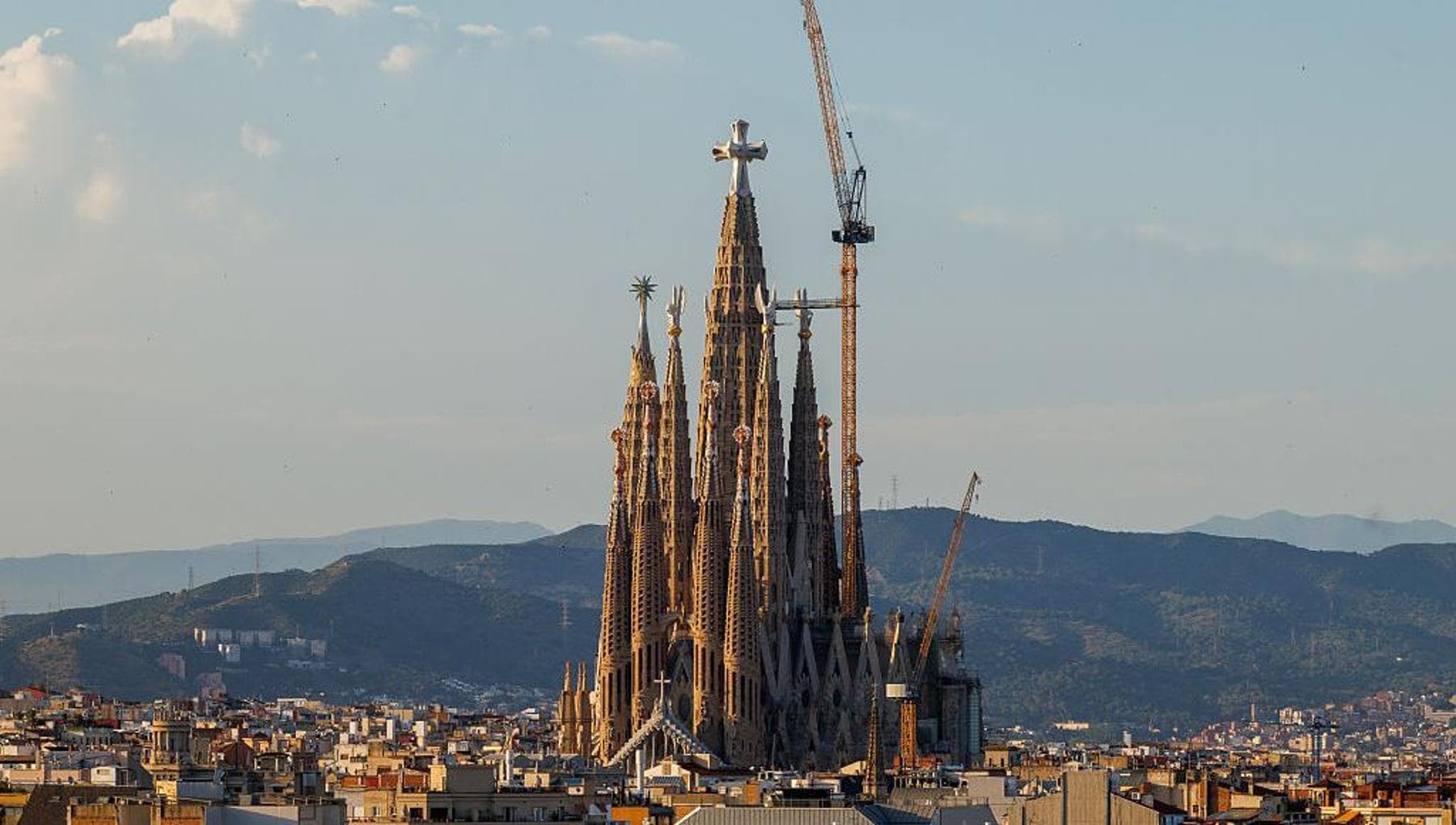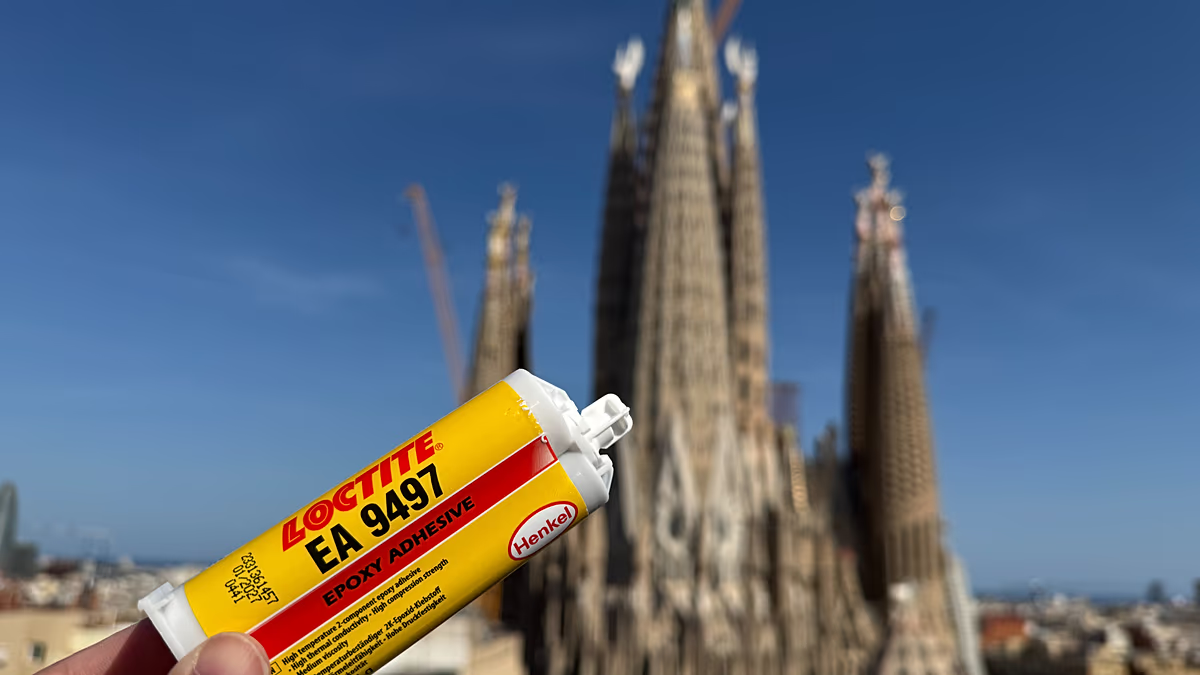
For Antoni Gaudí, finishing the Sagrada Familia was always a question of time, not imagination. He knew exactly what the six central towers should look like. What he did not know was that, more than a century later, technology would prove him right.
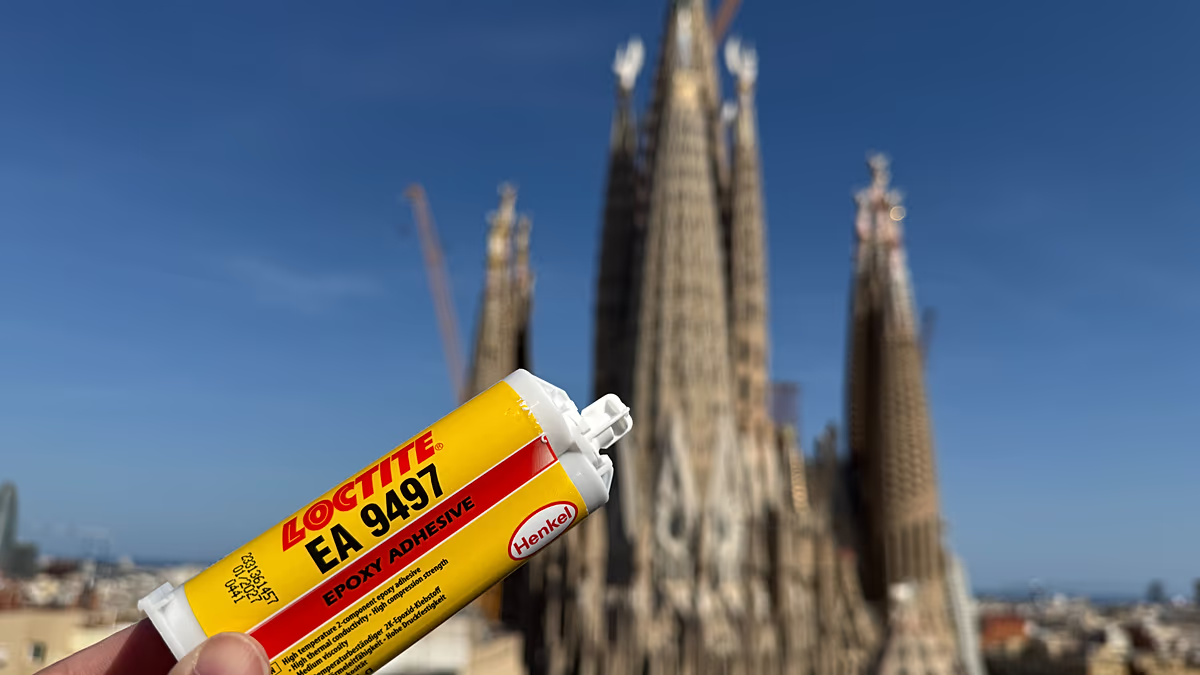
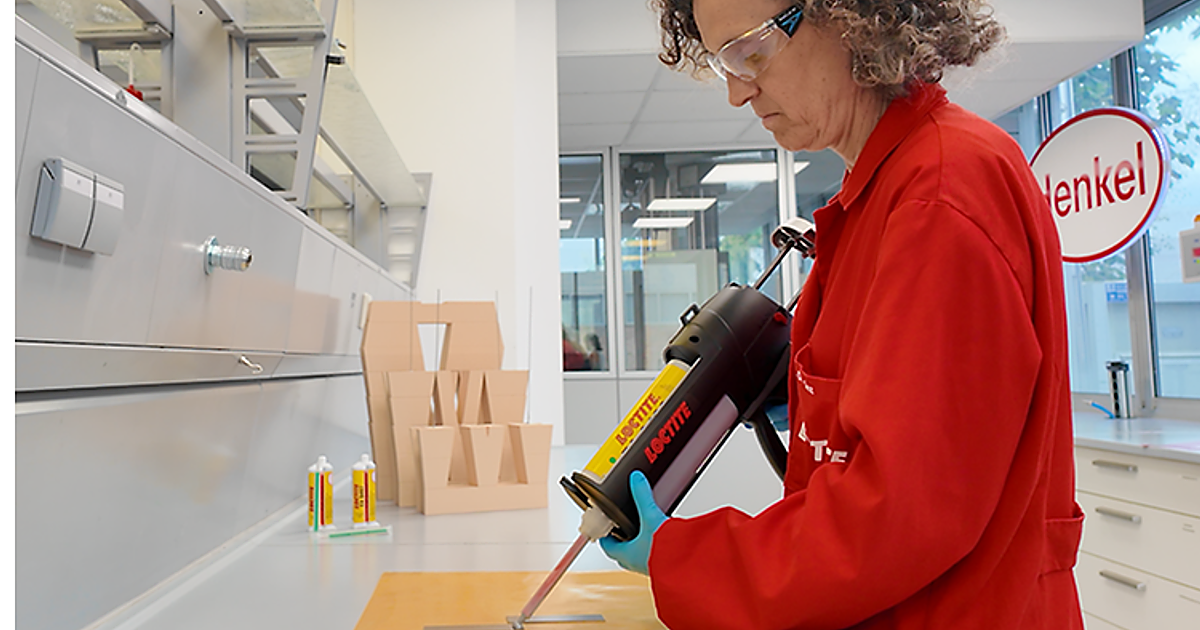
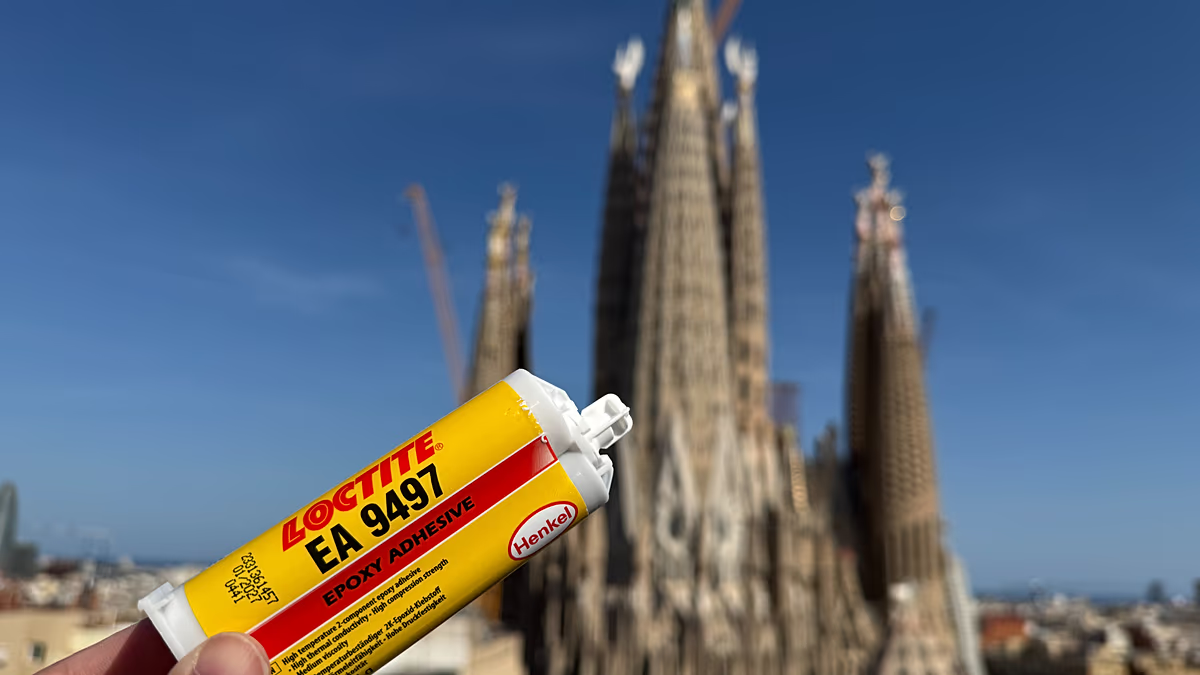
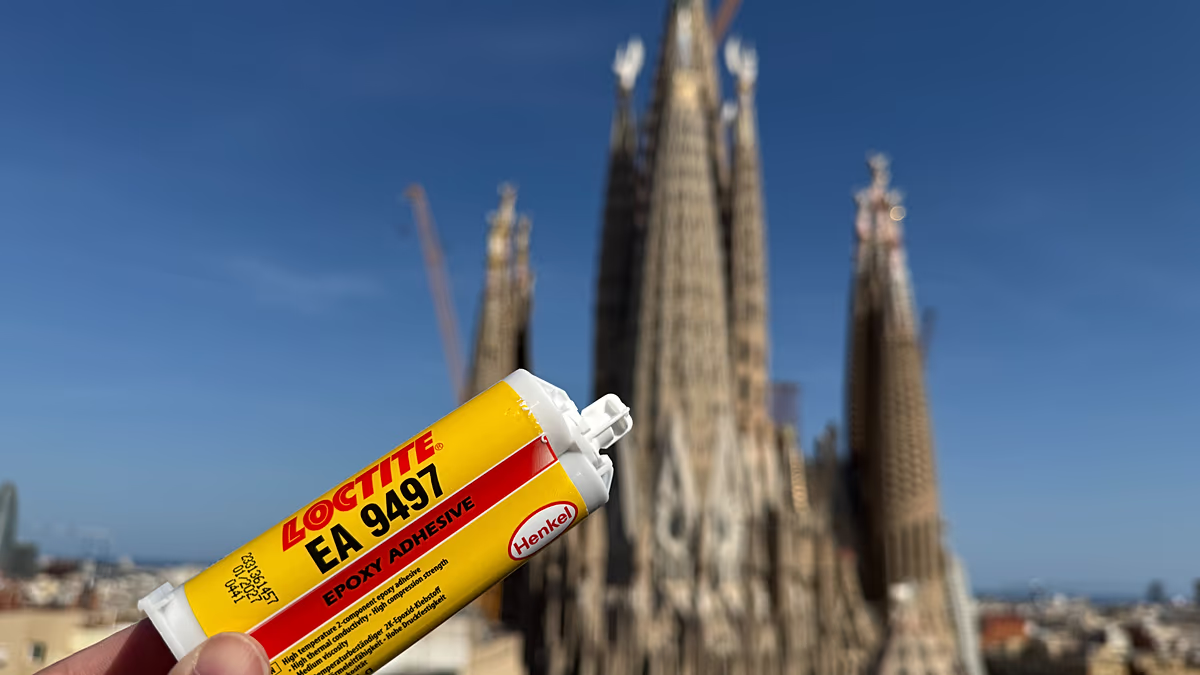
The towers have now been completed, just in time for the centenary of the architect’s death. But behind this visual milestone there is a protagonist no one expects to find in a cathedral of such scale: an adhesive. Specifically, Loctite EA 9497 from Henkel (source in Spanish), the element that has made it possible for stone and steel to behave as a single material.
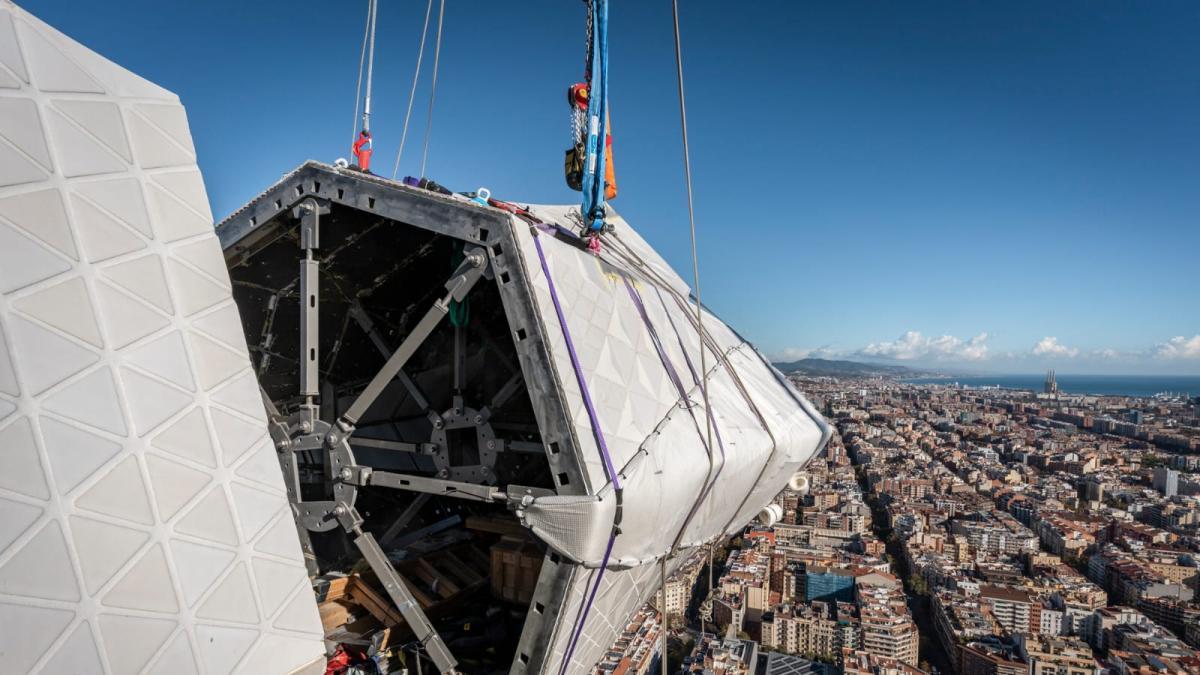
The challenge was enormous. The towers have been built using a modular system of prestressed stone panels, 826 in total, incorporating more than 2,100 stone elements joined to metal structures. Each panel requires around 30 kilos of adhesive. In all, 24 tonnes applied in liquid form, able to fill every cavity and secure the joint before a curing process of around 24 hours begins.
Up to 100,000 people per square metre
The result is not only aesthetic, but structural as well. The bond withstands loads equivalent to 100,000 people per square metre, the full capacity of a stadium such as Camp Nou, or the weight of 1,600 African elephants. A figure that explains why the Tower of Jesus Christ, the tallest in the complex, can support the large cross that crowns it without compromising a single millimetre of stability.