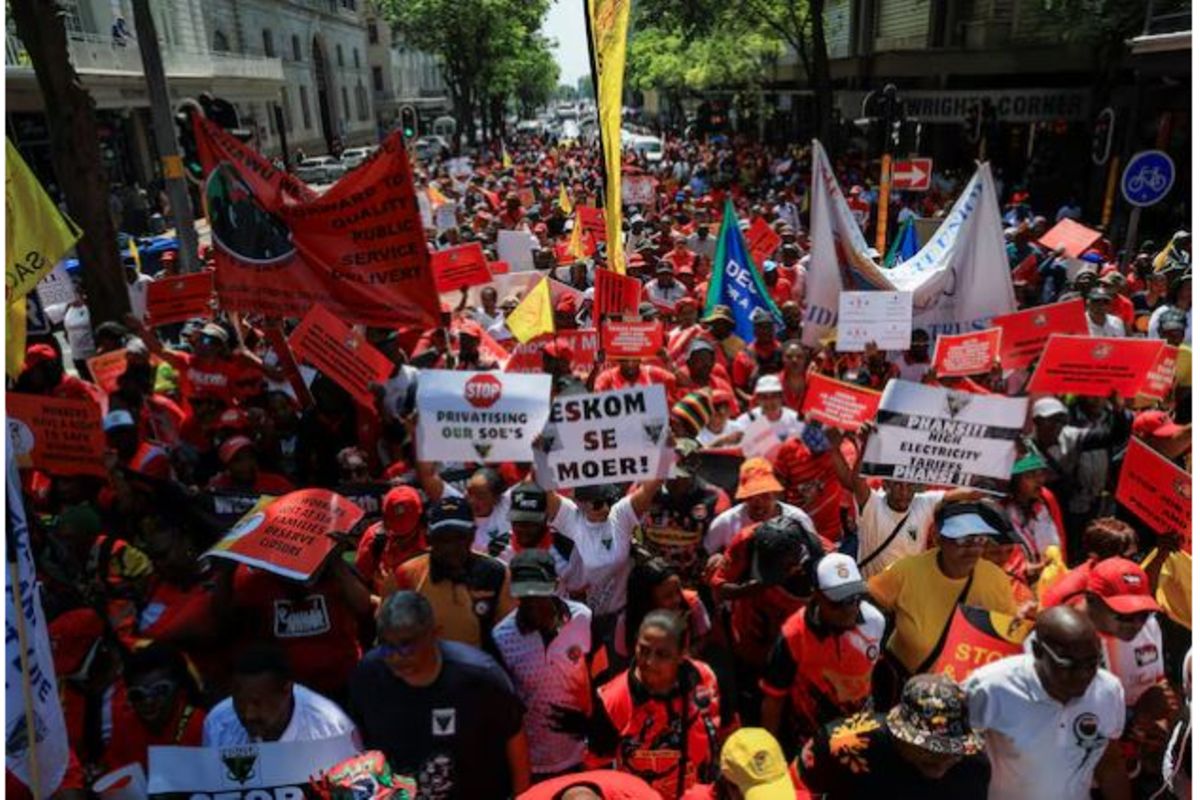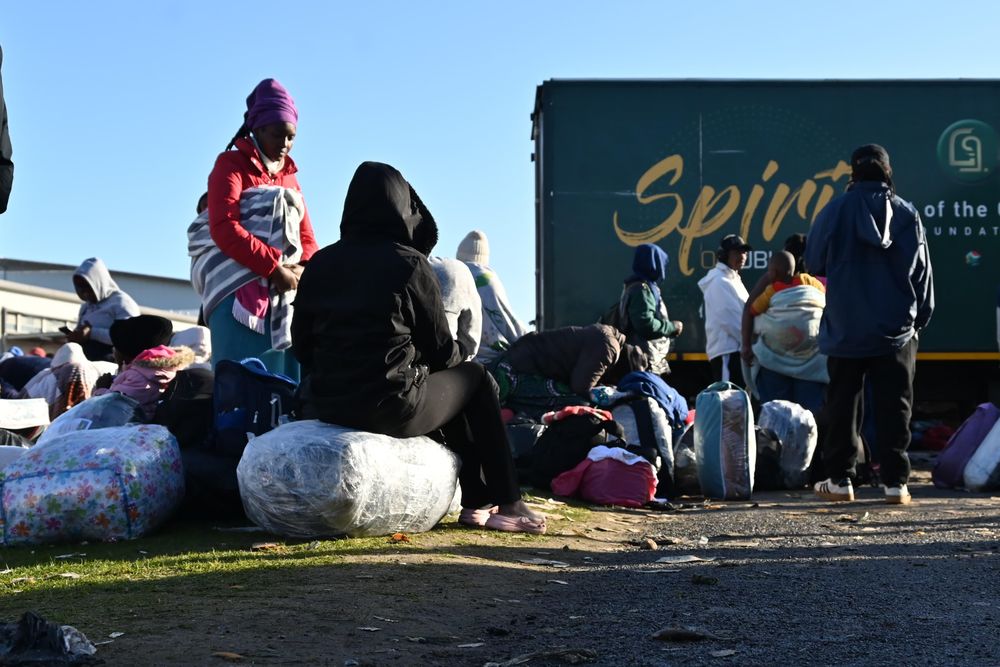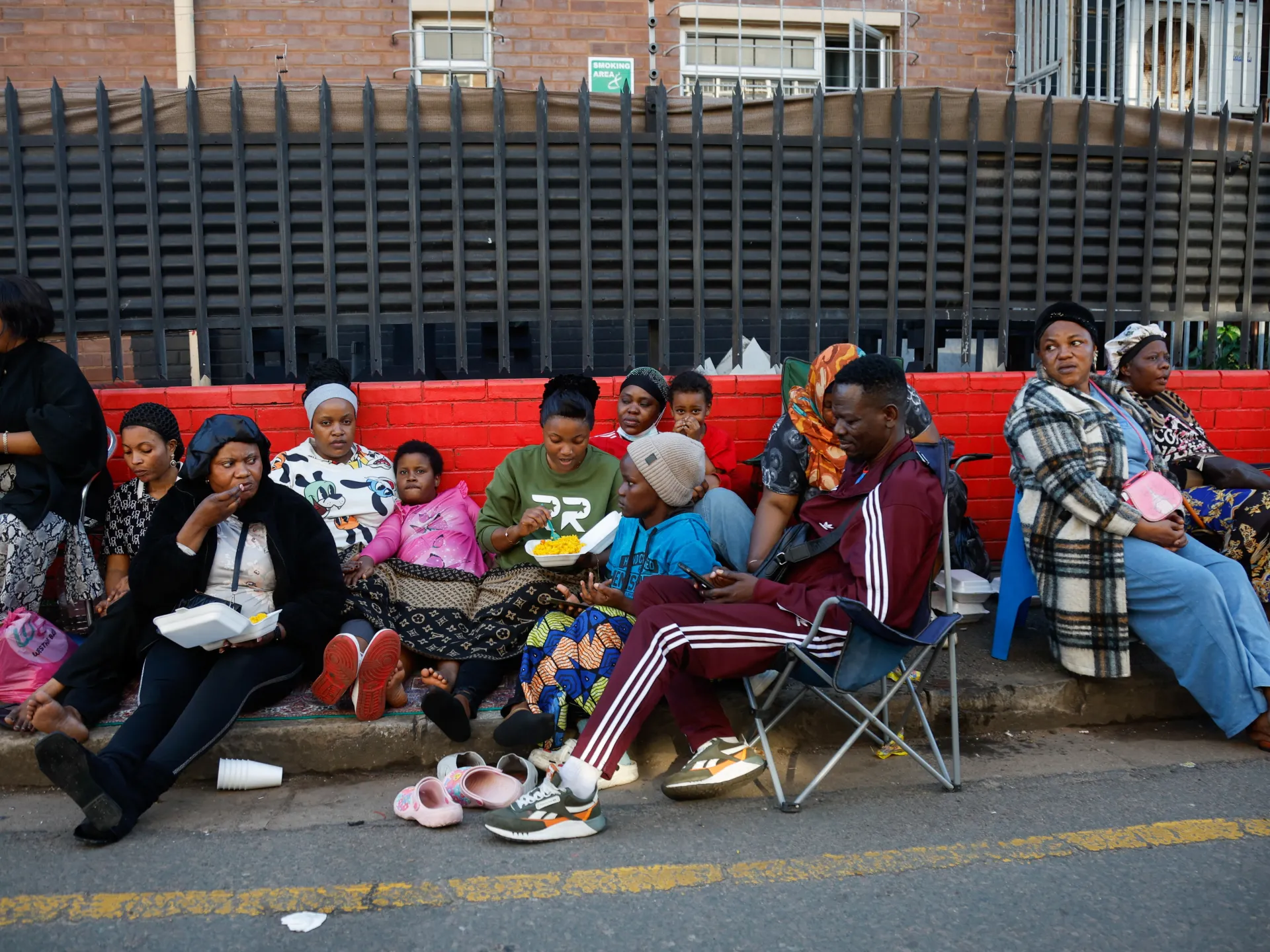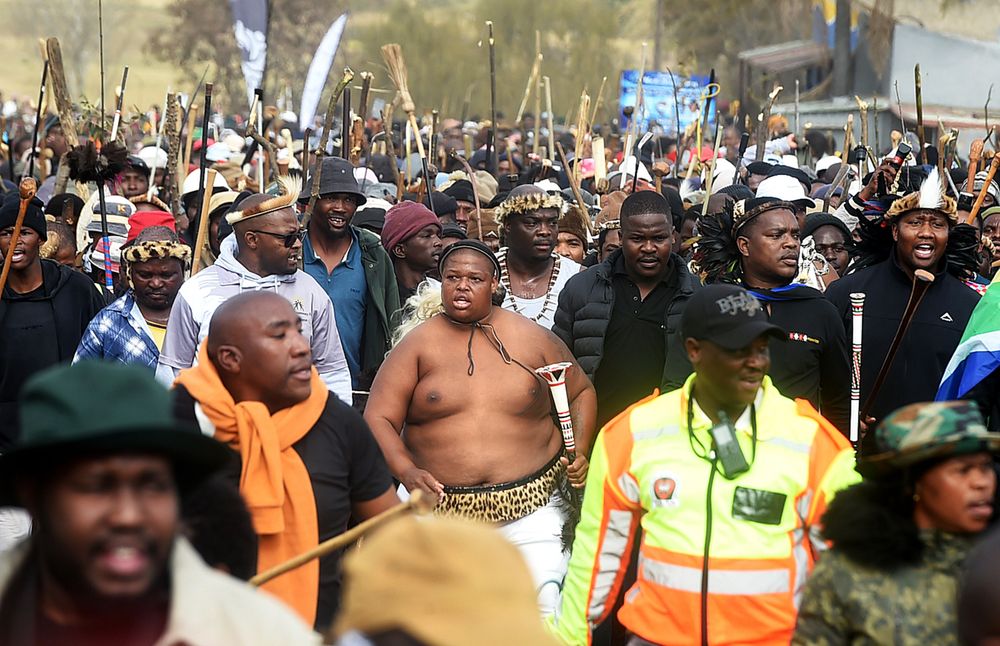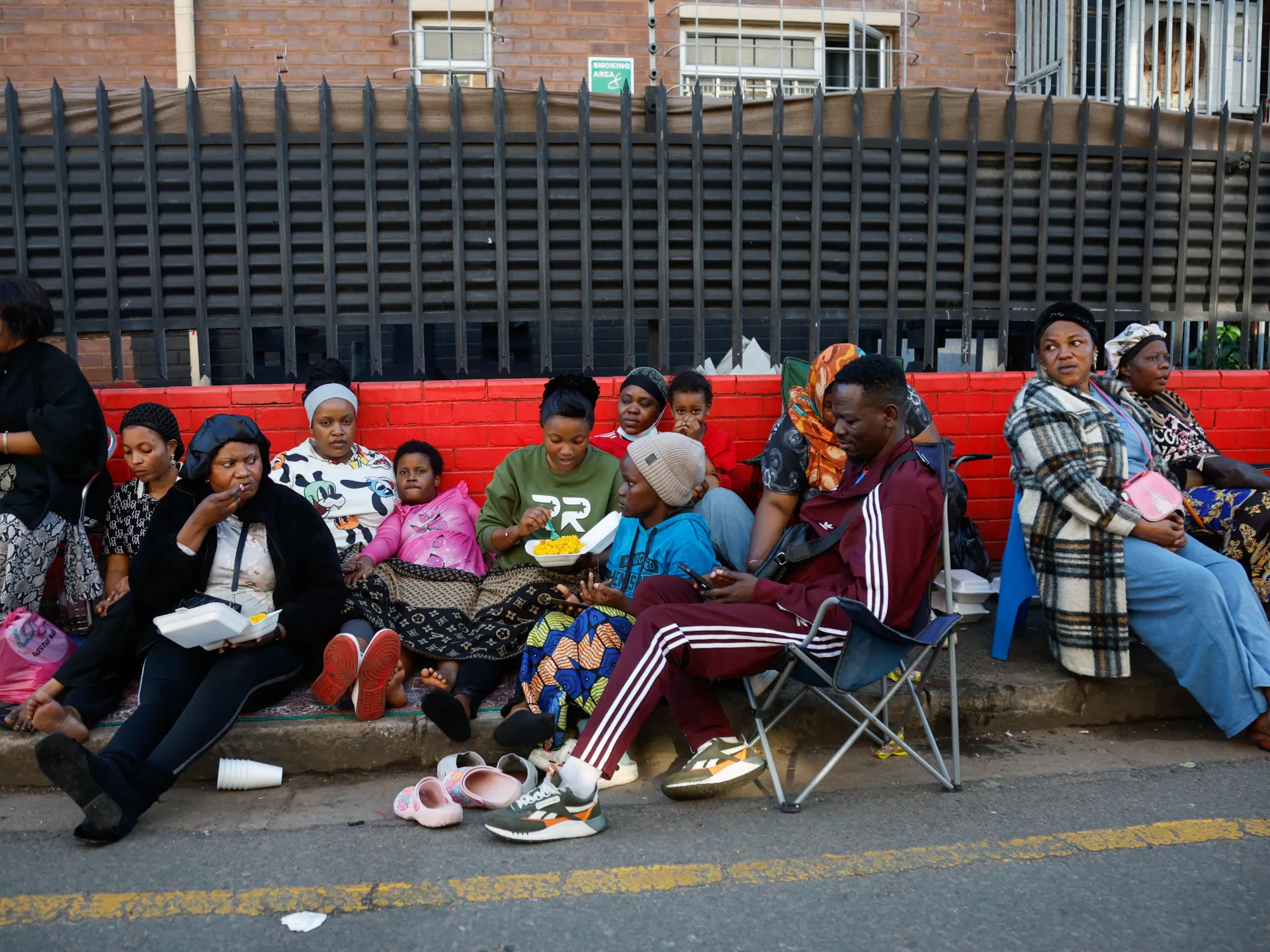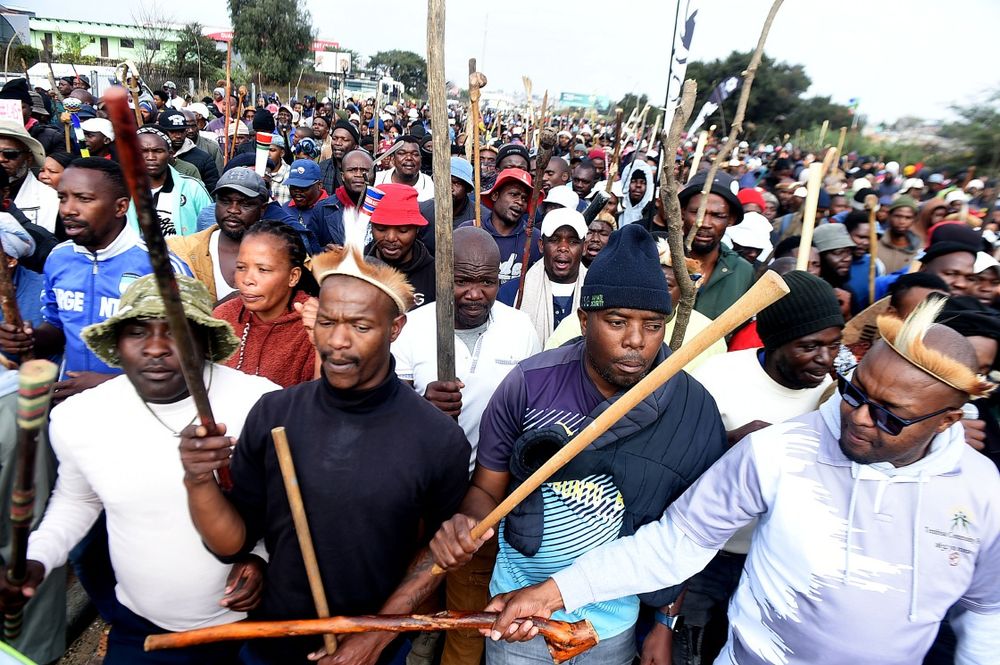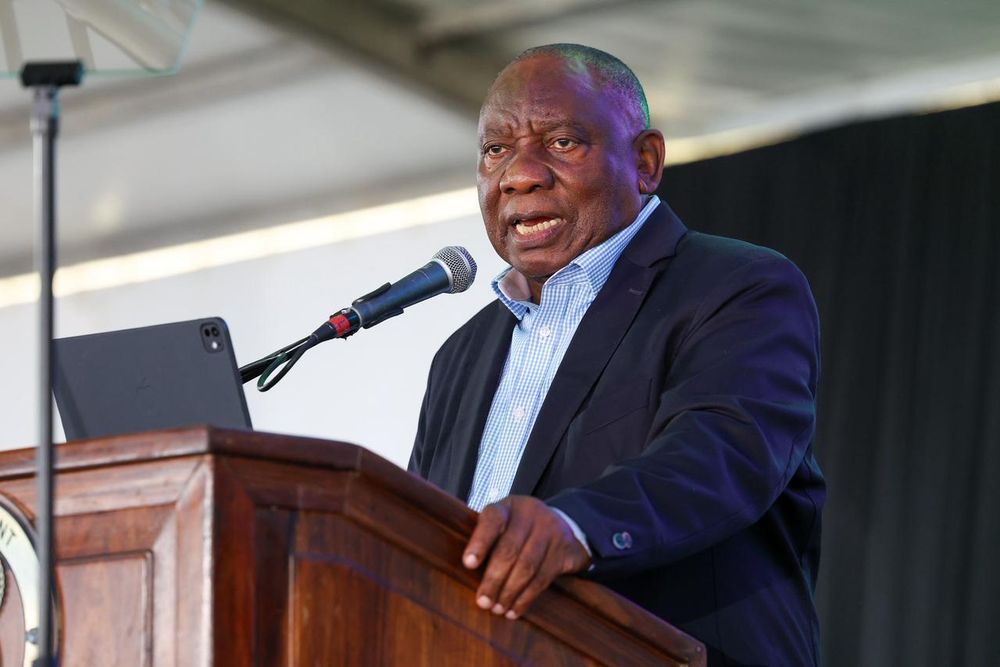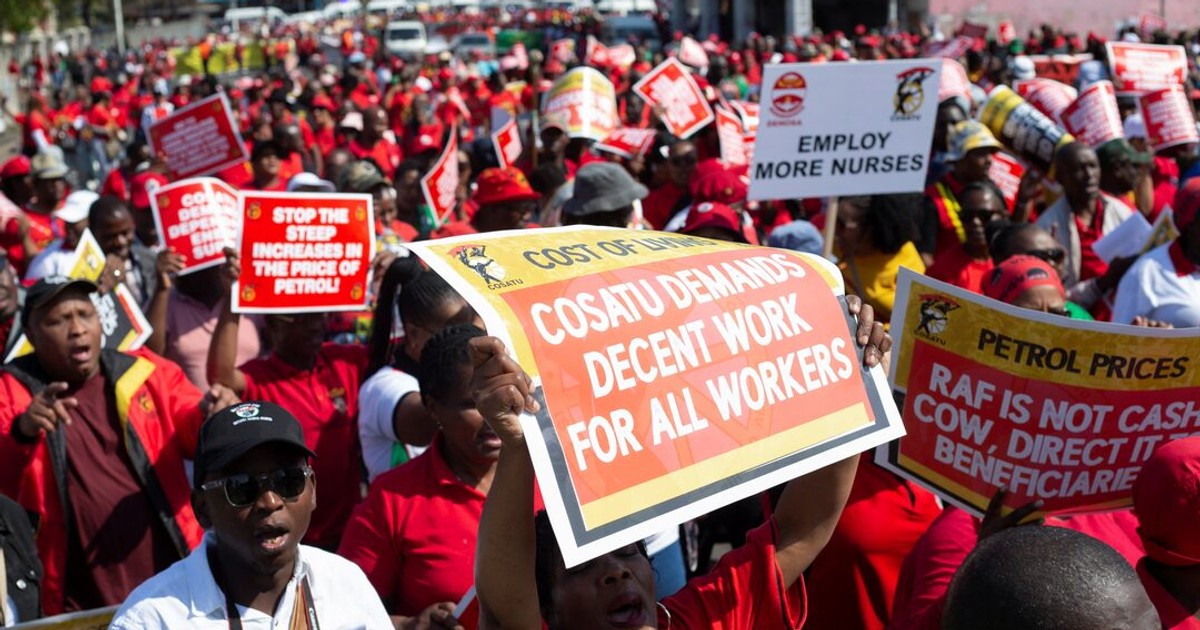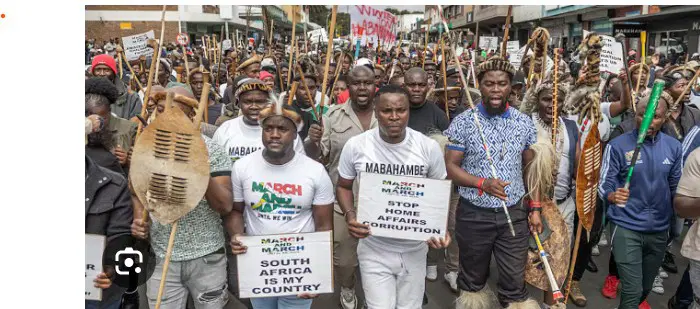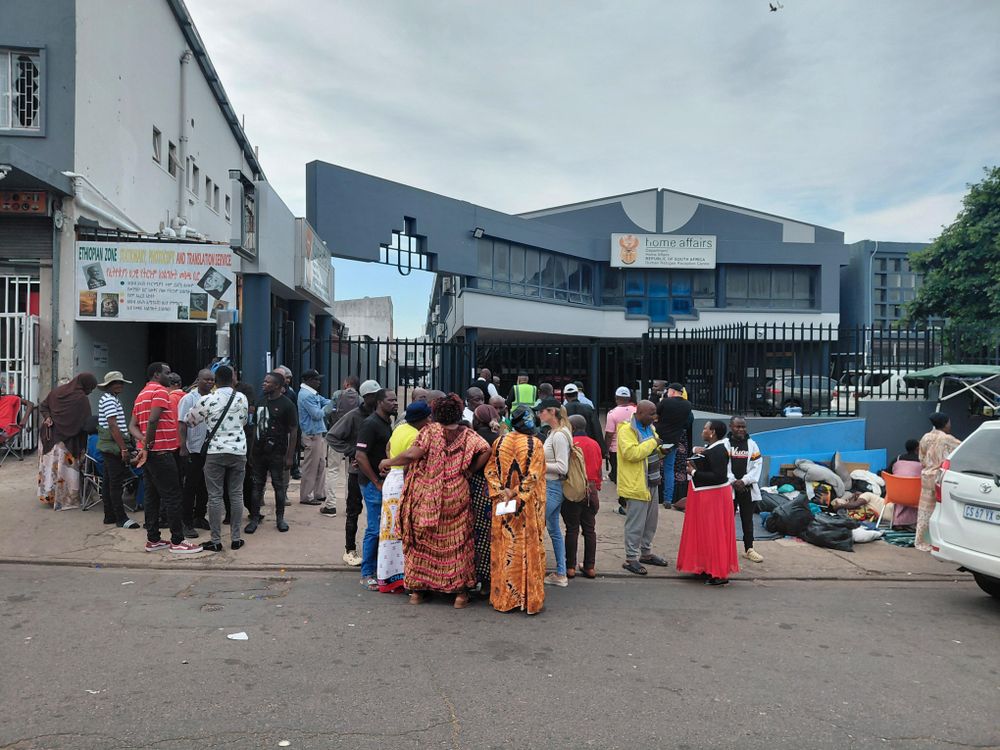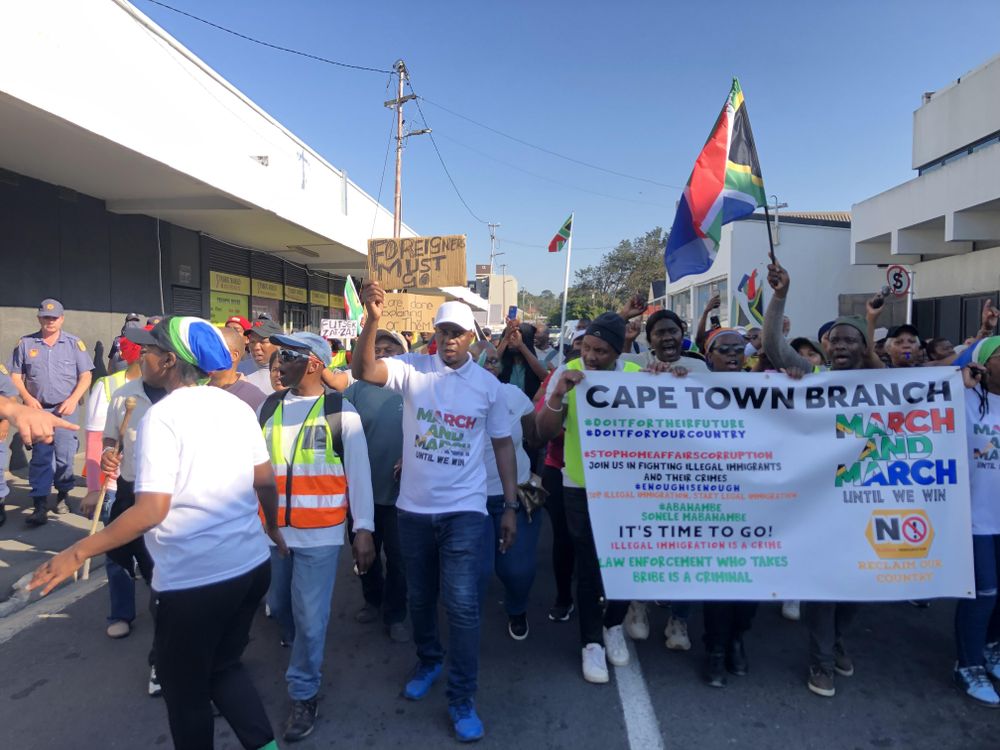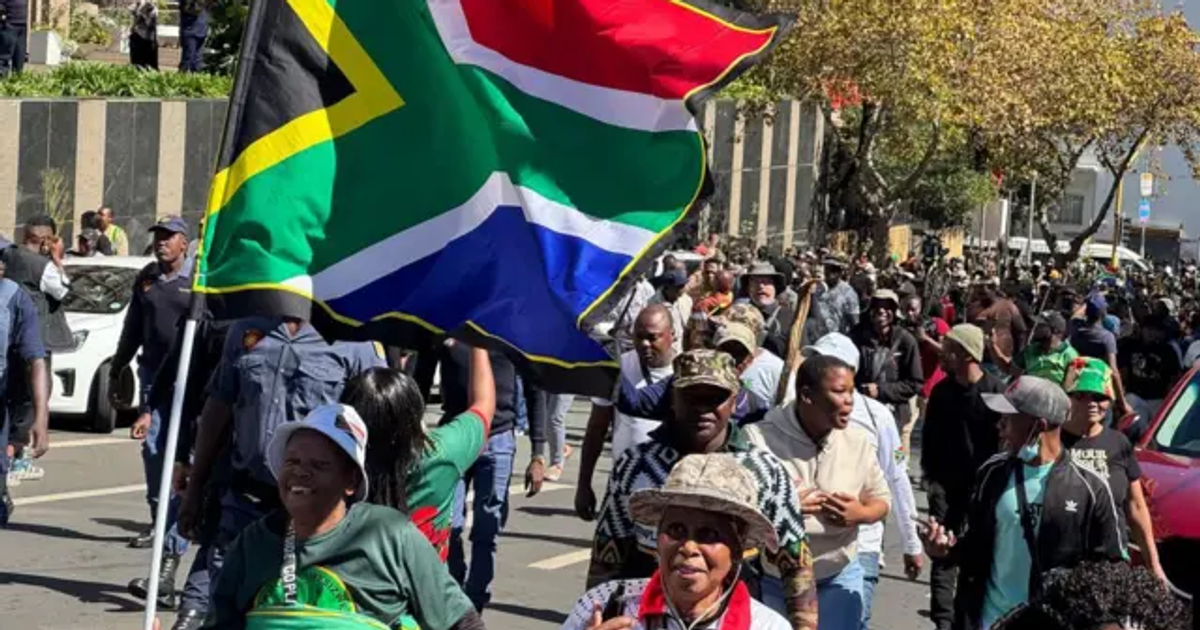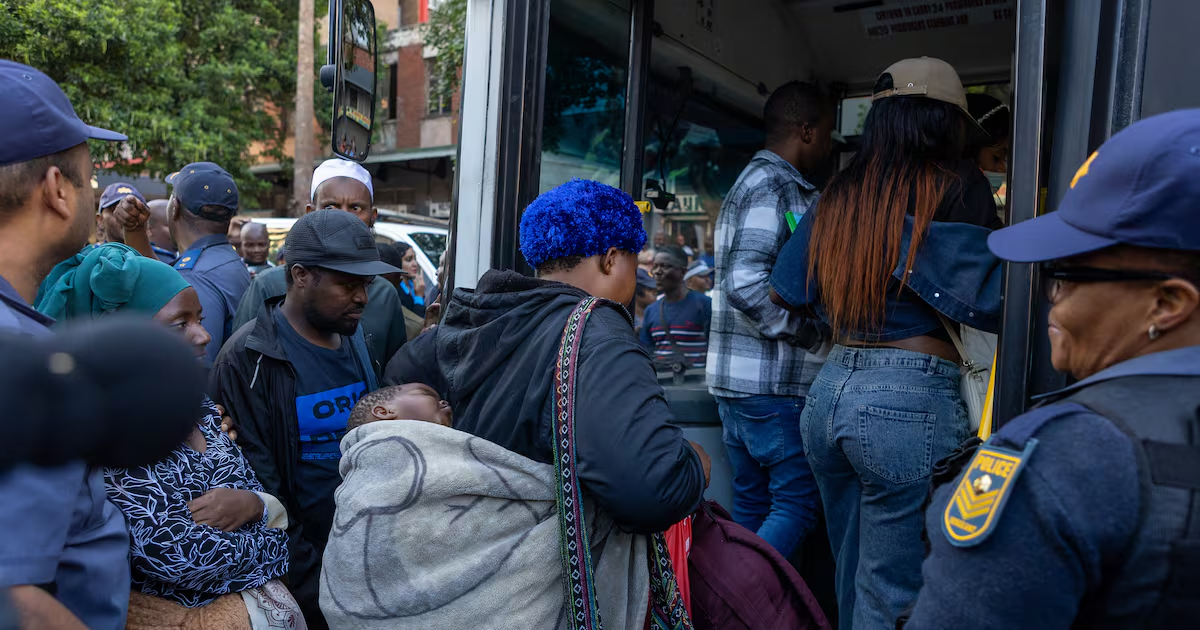
Organised labour has rallied behind foreigners, saying they were not to blame for the socio-economic crises blighting South Africa and has intensified calls by anti-migration groups that those in the country illegally leave by June 30. In a media briefing at the National Economic Development and Labour Council (Nedlac) in Joburg on Wednesday, the leaders of Cosatu, Saftu, Fedusa and Nactu said they recognised the deep frustration millions of South Africans facing unemployment, poverty, inequality, crime and deteriorating public services. “These are real and legitimate grievances. However, South Africa’s economic crisis was not created by migrants. It is rooted in economic stagnation, deindustrialisation, mass unemployment, corruption, austerity, weak governance and the failure to build an economy that serves the majority,” Saftu general secretary Zwelinzima Vavi said, reading from a joint statement. “Migrants must not be made scapegoats for failures they did not create. Removing foreign nationals from workplaces, communities or public spaces will not reopen factories, repair municipalities, strengthen public healthcare or create sustainable jobs.” Vavi said the frustrations of local communities must be addressed by fixing the economy, creating decent work and rebuilding the state. This comes as the governments of Nigeria, Ghana, and Malawi have been repatriating their citizens ahead of the deadline set by anti-migration activists Ngizwe Mchunu, Nkosikhona “Phakelumthakathi” Ndabandaba, and March and March leader Jacinta Ngobese, citing “xenophobic violence”. These leaders, who have held anti-migration marches across the country, accuse foreigners of taking their jobs and having to compete with them over access to scant basic services such as healthcare and education. Ghana and Nigeria had summoned the South African high commissioners to account for the marches. In his Youth Day address on Tuesday, Ramaphosa said more than 4.7-million young people are unemployed, and that the youth unemployment rate stands at 46%In his address at the special meeting with faith-based organisations at the Union Buildings on Wednesday, President Cyril Ramaphosa said concerns about migration, and illegal immigration in particular, were real and needed to be addressed. “These concerns arise in conditions of persistently high unemployment, poverty and hardship. They arise in communities that are plagued by crime, violence and corruption, and where there is increasing pressure on public services,” Ramaphosa said. “Yet illegal immigration is not the cause of our social and economic difficulties. To tackle the challenges our country faces, we need faster and more inclusive growth, investment and the creation of jobs. We need to strengthen our efforts to tackle poverty and hunger.” In his Youth Day address on Tuesday, Ramaphosa said more than 4.7-million young people are unemployed, and that the youth unemployment rate stands at 46%. “Faced with these challenges, there are some who blame the problems of unemployment, crime and poor service delivery on foreign nationals. Even as we recognise the challenge of illegal immigration – which we are taking decisive action to address – our problems are our own. And which we have a responsibility to fix ourselves. Addressing these challenges requires practical solutions, not the scapegoating of vulnerable people,” Ramaphosa said. He had warned during his recent address to the nation, however, that illegal migration, if unchecked, poses a risk to South Africa’s security, stability and economic progress. Ramaphosa said the government had put forward a number of government interventions to address illegal immigration, and these include: a phased relocation of refugee reception centres to border posts; setting up dedicated courts to fast-track the deportation of undocumented migrants; and discontinuing the green ID book. Vavi said organised labour was deeply concerned that the current surge in anti-migrant sentiment and mobilisation “appears increasingly coordinated and politically orchestrated”. “Its purpose seems not only to divide the working class and redirect legitimate anger away from the real causes of poverty, unemployment, inequality and collapsing public services, but also to portray South Africa as a nation consumed by xenophobia and prone to barbaric acts of black-on-black violence in order to portray us in the most negative light in the eyes of the international community,” Vavi said. “We also note calls for national action on June 30. This action has not been called by the recognised labour federations and does not constitute a protected strike. Workers who stay away from work will not enjoy the protections afforded to participants in a protected strike,” he said, urging workers to report for duty and not place their employment at risk. Meanwhile, Cosatu deputy general secretary and overall convenor of organised labour at Nedlac, Gerald Thwala, called on Ramaphosa to put the Compensation Fund and the Unemployment Insurance Fund under administration, citing allegations of “systemic and serious corruption” at both entities.“By 2025 the Compensation Fund had received disclaimer audit opinions for 12 consecutive years, according to the auditor-general,” Thwala said.A disclaimer means an auditor could not obtain enough evidence to verify an organisation’s financial records. This indicates a company’s accounts cannot be trusted, suggesting it is in a serious or collapsed financial state.Business Day
Labour federations defend migrants, reject June 30 ultimatum
Workers must report for duty on June 30 and not place their ‘employment at risk’
818 words~4 min read