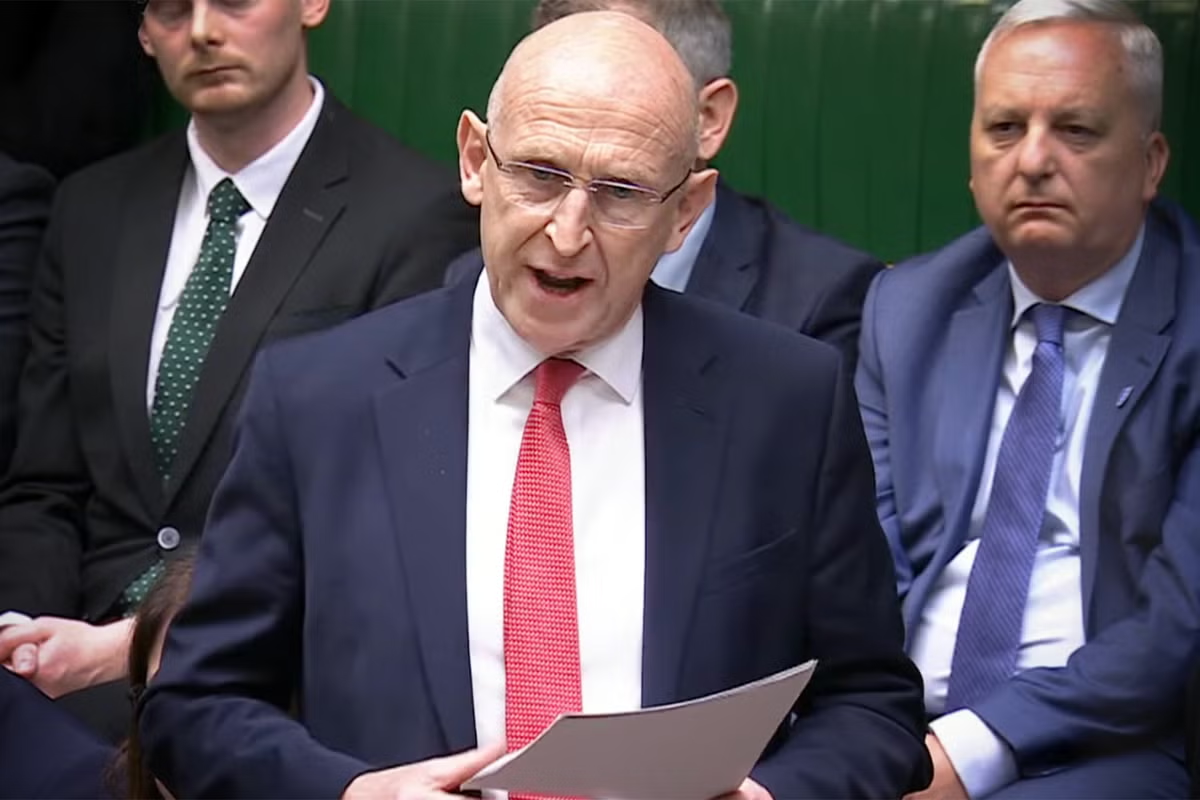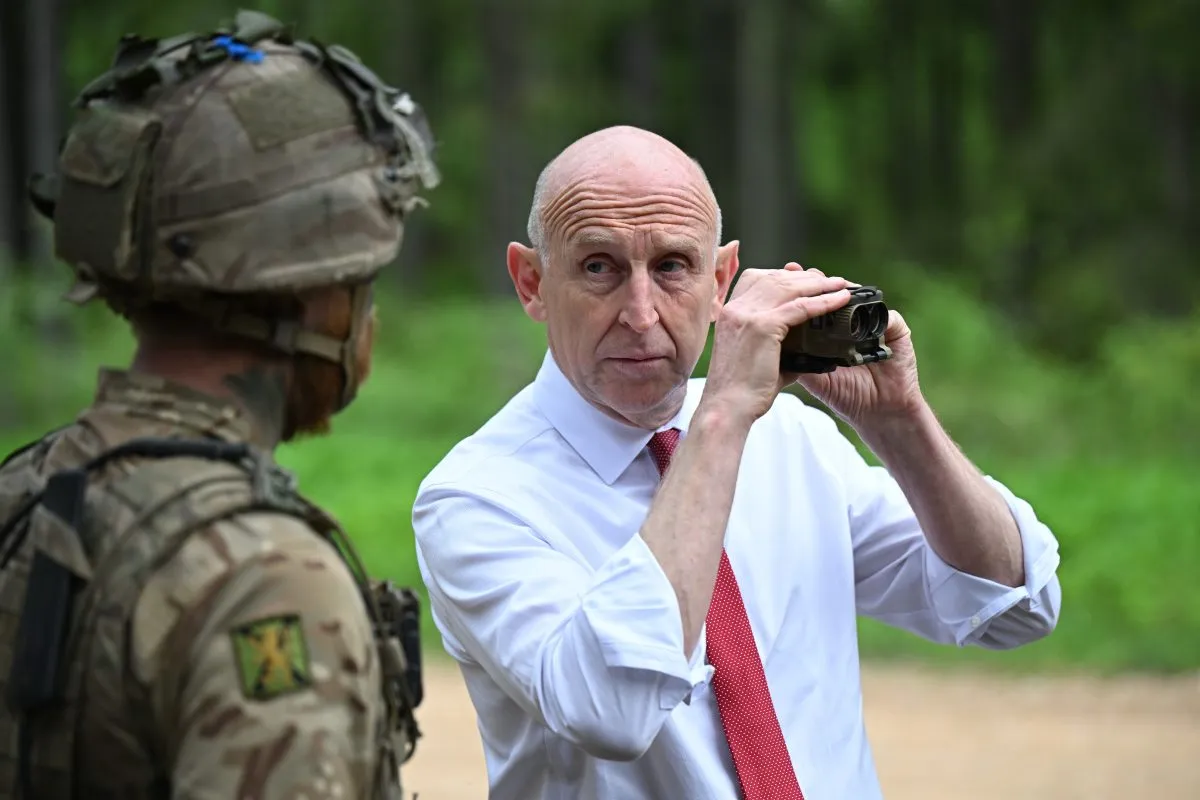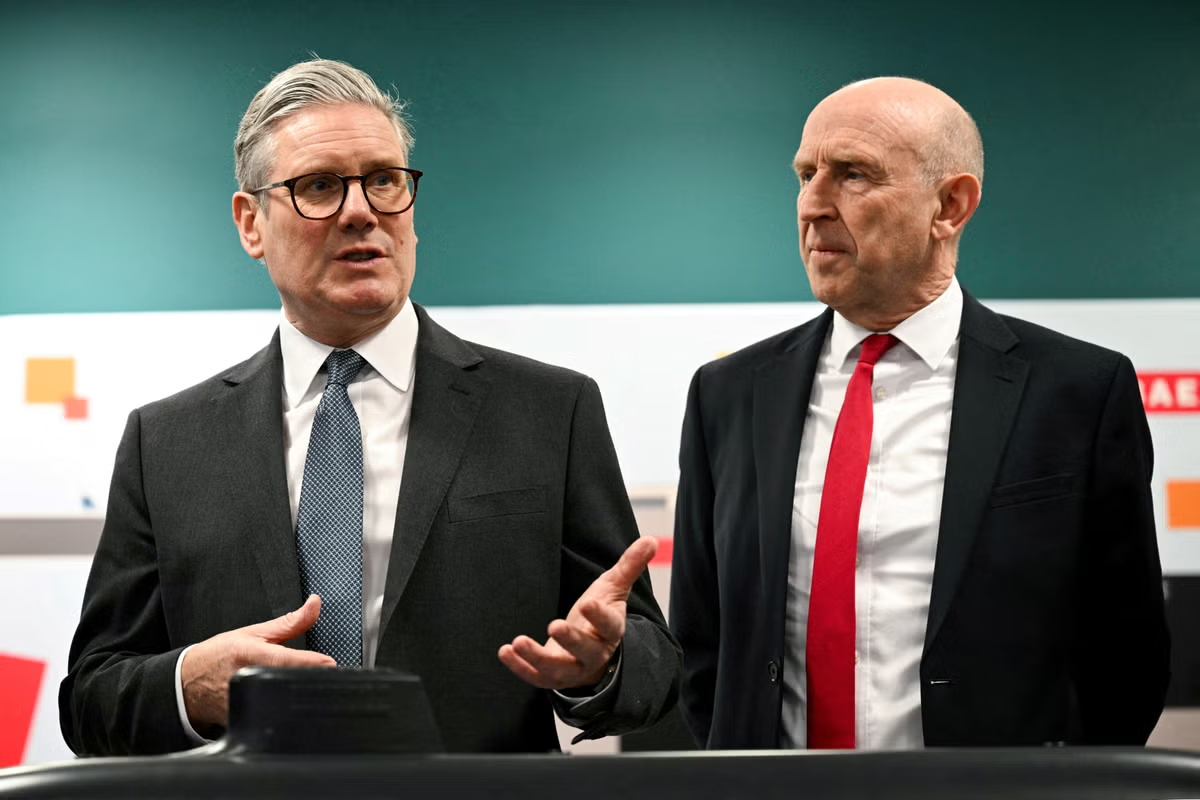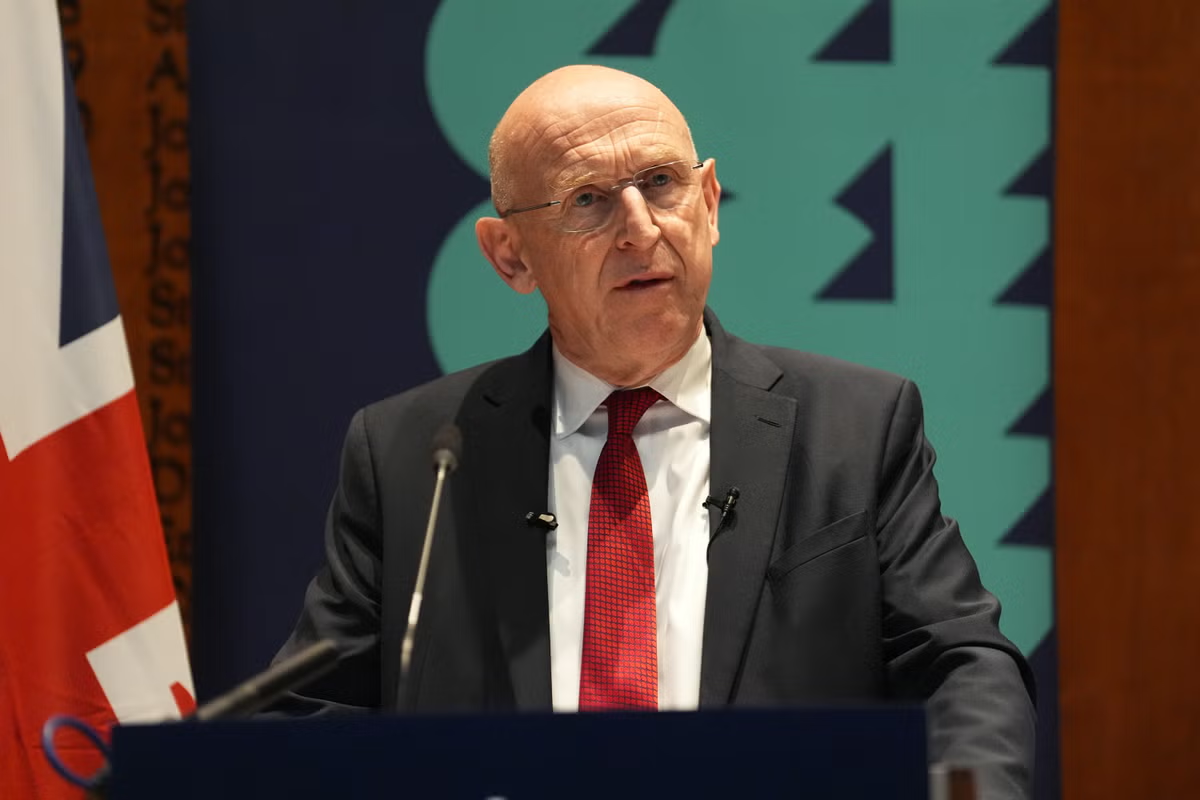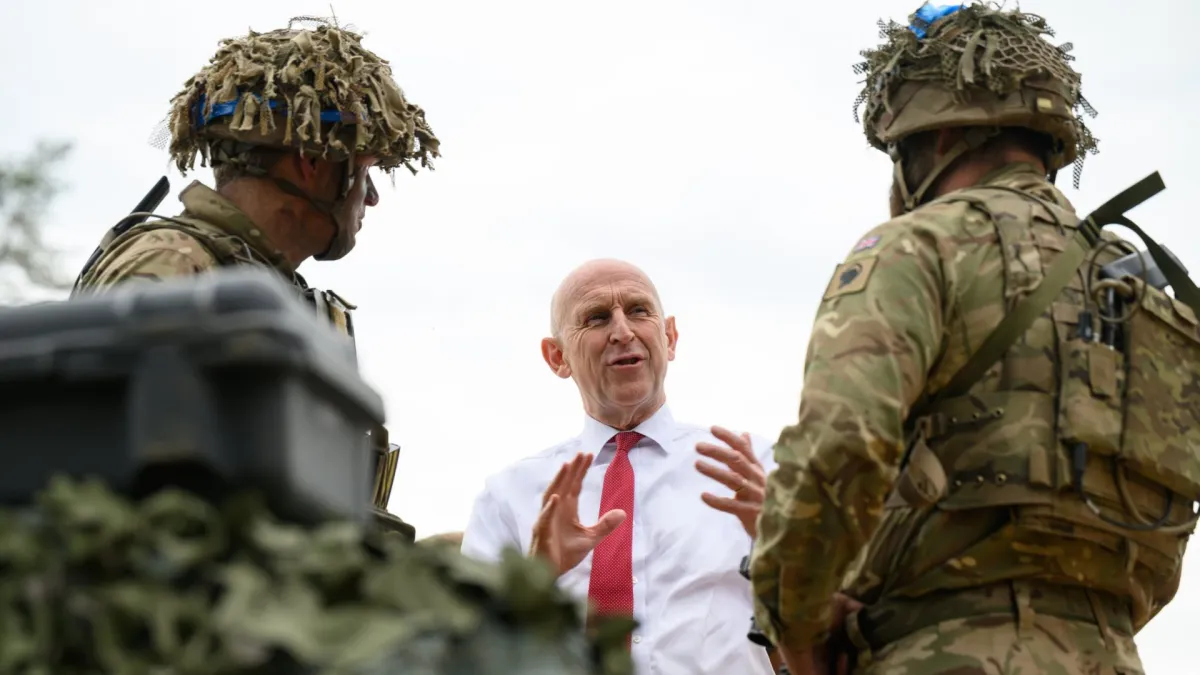
In a telling exchange on Radio 4 last week, during the furore following John Healey’s resignation, Debbie Abrahams, the Labour MP and chair of the work and pensions committee, was asked about funding for defence. She said that she supported the target of spending 3.5 per cent of GDP by 2035, but was unconvinced of the need to accelerate that rise and certainly not at the expense of what she later described, in a Facebook post, as ‘arbitrary cuts to social welfare’. She was, she told the BBC’s Evan Davis, an ‘evidenced-based politician’. Abrahams’s implication was that she did not accept that we needed to accelerate our spending on defence.
Most popular
Will the Iran deal destroy J.D. Vance?
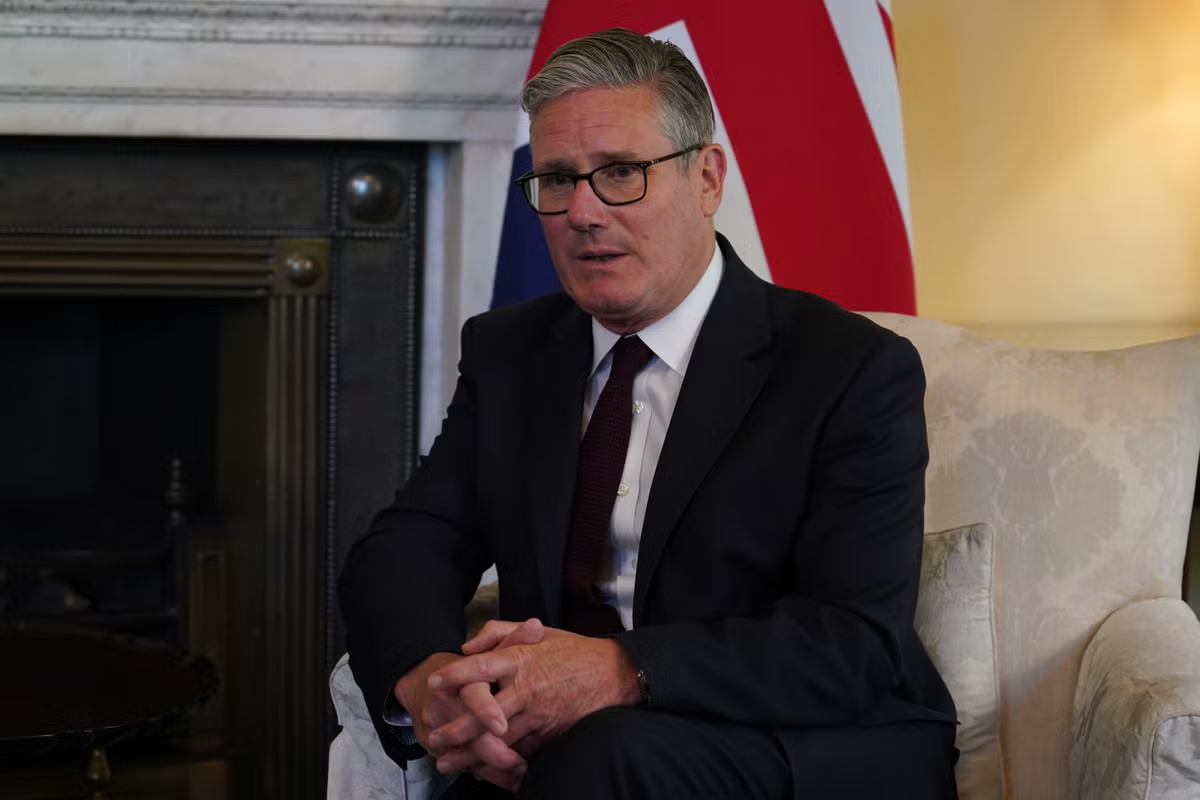
This is a misunderstanding that could prove catastrophic for Britain. Say what you like about the malign influence of Zack Polanski or Jeremy Corbyn, or about Prime Minister Keir Starmer’s systemic weakness, but the blame for miscommunicating the need for Britain to spend more on defence lies squarely, and fairly, with the Ministry of Defence. Starmer could barely scrape almost an accounting error of defence uplift, some £13bn over four years, one hundredth of the annual total UK government expenditure, which shows just how unconvinced his Cabinet were.