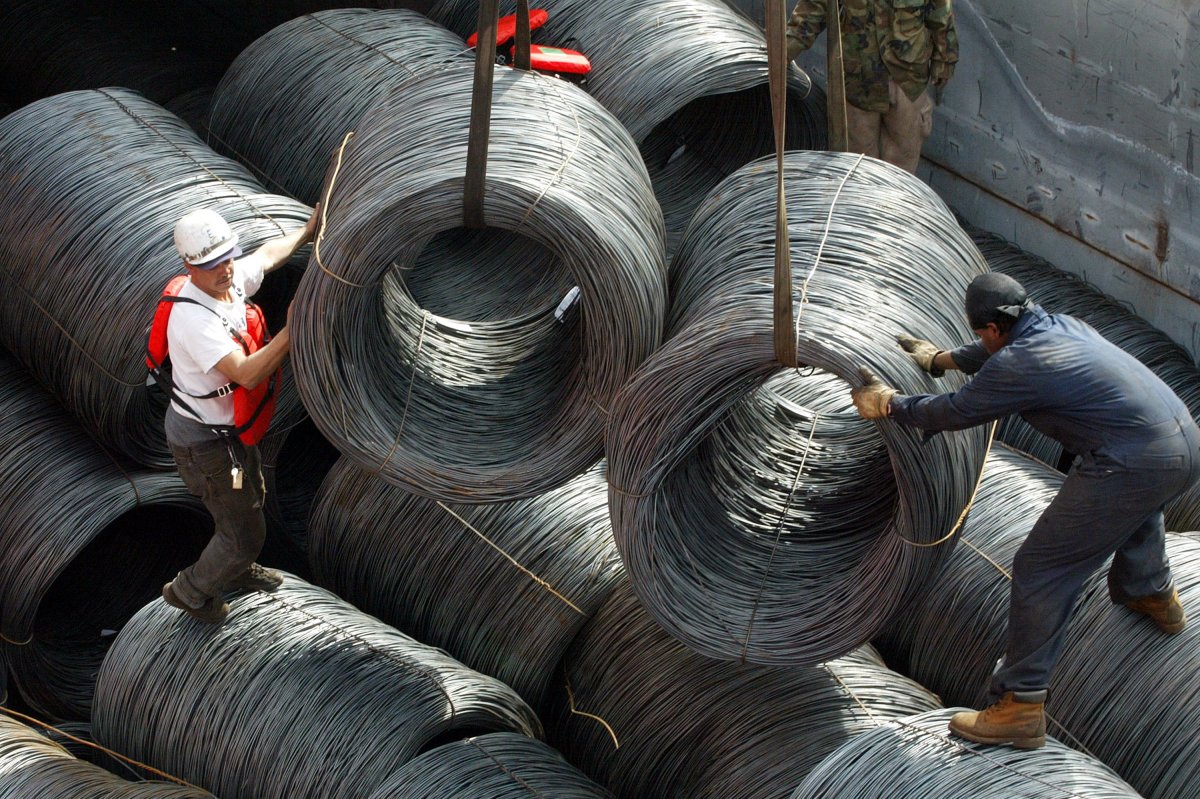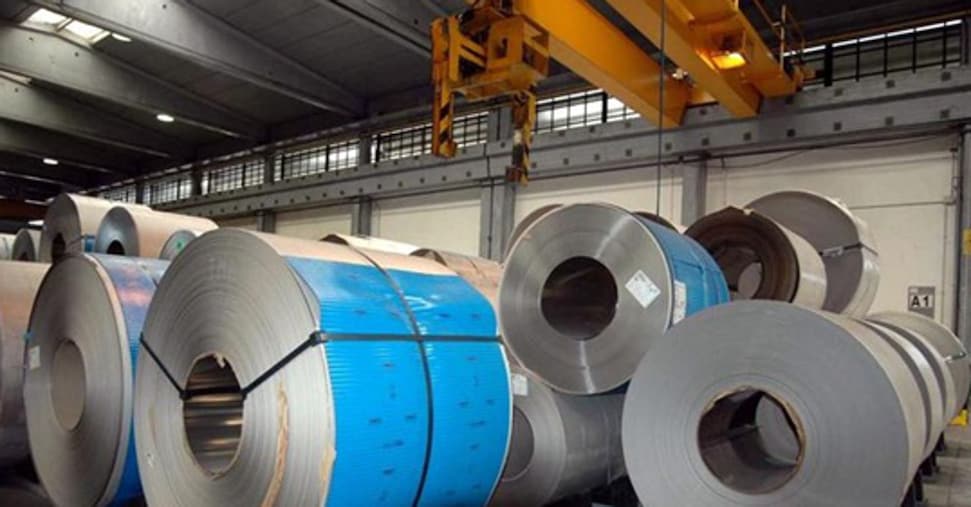
The government has imposed a 52.34% tariff on imports of steel used for roofing, a material relied on largely by township residents, brushing aside concerns that the measure will drive up prices to the detriment of poor households.The tariff will be set at 52.34% in the first year, declining to 37.34% in the second and 22.34% in the third. The first-year measure is already in force.The anti-dumping tariff on corrosion-resistant steel coil (thin gauge), following an application by ArcelorMittal South Africa (Amsa), will particularly hit imports from China — which account for more than 90% of imports of the material.The International Trade Administration Commission (Itac), South Africa’s statutory body established to enforce international trade laws, said concerns about Amsa using the anti-dumping duties to raise prices were taken note of and measures put in place so that this does not happen.“To safeguard the interests of downstream industries, the Commission determined that the pricing behaviour of the applicant (Amsa) will be closely monitored following the imposition of the safeguard measures,” Itac said on Monday.“This step is aimed at preventing any unwarranted price increases that could negatively impact downstream users.”Itac was responding to concerns raised during its investigations. Parties that pushed back against Amsa’s application argued that rising housing costs in South Africa, especially due to higher prices for roofing materials, would harm low-income households. The trade watchdog was further warned that if steel roofing becomes too expensive, many low-income households may be forced to use cheaper alternatives like fibreglass or plastic, which offer less protection and durability.Thin gauge metal roofing sheets are predominantly used in informal settlements and low-cost housing, where more than 80% of structures use corrugated iron and wood.Amsa argued before the Itac that the cheap imports were a danger to the low-income households the critics of its application sought to shield from higher prices.The JSE-listed steel major argued that the flood of imports priced below raw material costs “raises grave concerns about substandard quality as these products enter the market without testing, with the consumer often unaware of the difference”.It pointed to the more than 5,000 fires that have occurred in informal settlements, for which it said studies showed that combustible building materials exacerbate fire severity.Amsa also argued the alleged inferior quality of imported products means consumers are often required to replace damaged and degraded roofs more frequently — increasing households’ financial burden.Itac in its final report said it considered both the views of Amsa and opposing parties. “The commission is of the view that the procedural requirement to consider public interest has been met. In the short to medium term, the introduction of safeguard duties may lead to an increase in the domestic price of the subject product,” the Itac report reads.“However, from a long-term economic-welfare perspective, the costs of not intervening are far more substantial.”“Continued import surges risk eroding domestic productive capacity, triggering firm closures, job losses and a contraction in domestic output, all of which ultimately depress aggregate demand and reduce overall economic welfare.”The latest tariff on imports of corrosion-resistant steel coil — thin gauge — forms part of a far-reaching clampdown on steel product imports.In March, Itac imposed anti-dumping tariffs on structural steel from China and Thailand in a bid to protect the embattled local industry.The move saw imports from China attract a 74.98% tariff, while those from Thailand were slapped with a 20.32% duty.The Itac investigation on imports of structural steel, used in big infrastructure projects, showed that imports surged 19-fold in the 2023/24 financial year, with China accounting for 65% of the imports.South Africa has also stepped up quality checks on imports from China, its key trade partner and BRICS ally.South Africa will from September require many unregulated imports from China to meet local safety standards under a directive issued by trade minister Parks Tau in March.The directive is to implement a pre-export verification of conformity programme (PVOC) on unregulated Chinese imports.The directive is aimed at protecting local industries and consumers.Some of the products targeted for tighter quality controls include skin-lightening creams, sanitary towels, napkins, hair relaxers, hair conditioners, non-stick pans, plastic utensils, aluminium cookware and cooking pots.The PVOC will also include office chairs, office desks, wardrobes, cupboards, children’s cots, bicycles, basic home fitness equipment, sports protective gear, plastic toys, fuel generators, photovoltaic panels, gas stoves, plumbing components, firefighting equipment and building and construction materials.PVOC programmes are generally instituted to protect consumers from dangerous, substandard, or counterfeit products and to shield the domestic industry from unfair competition from non-compliant goods.
Steel tariff of 52% imposed despite warnings over township housing costs
New steel duties take effect despite concerns over higher roofing costs for the poor
748 words~3 min read