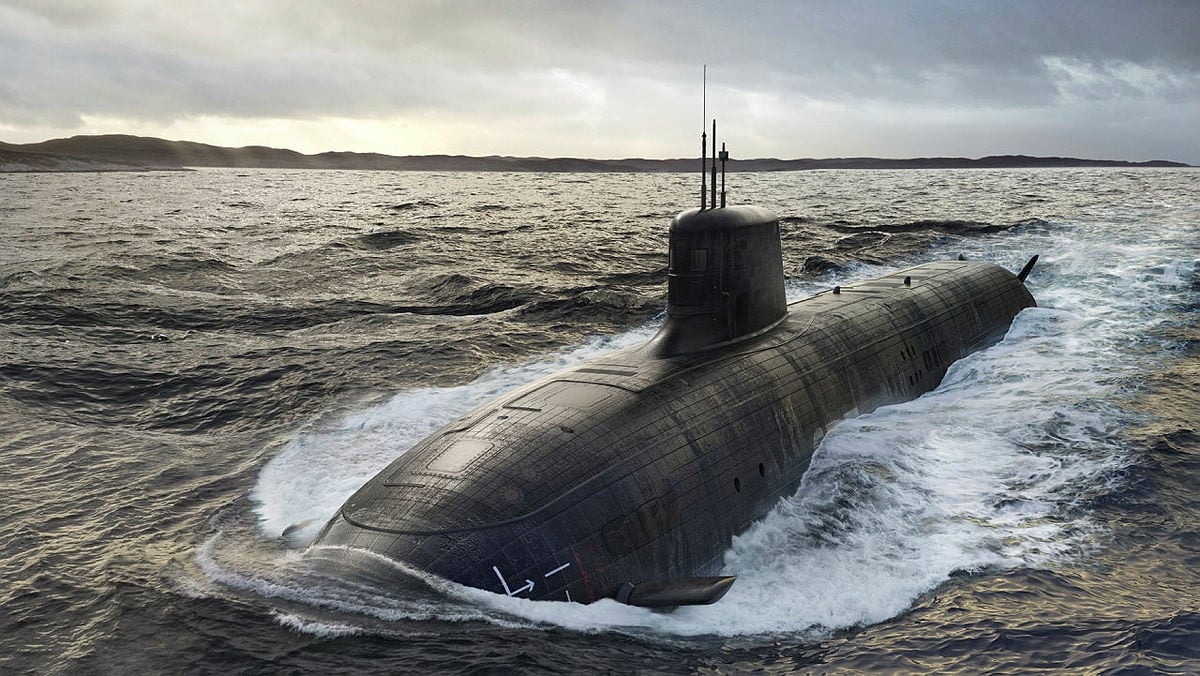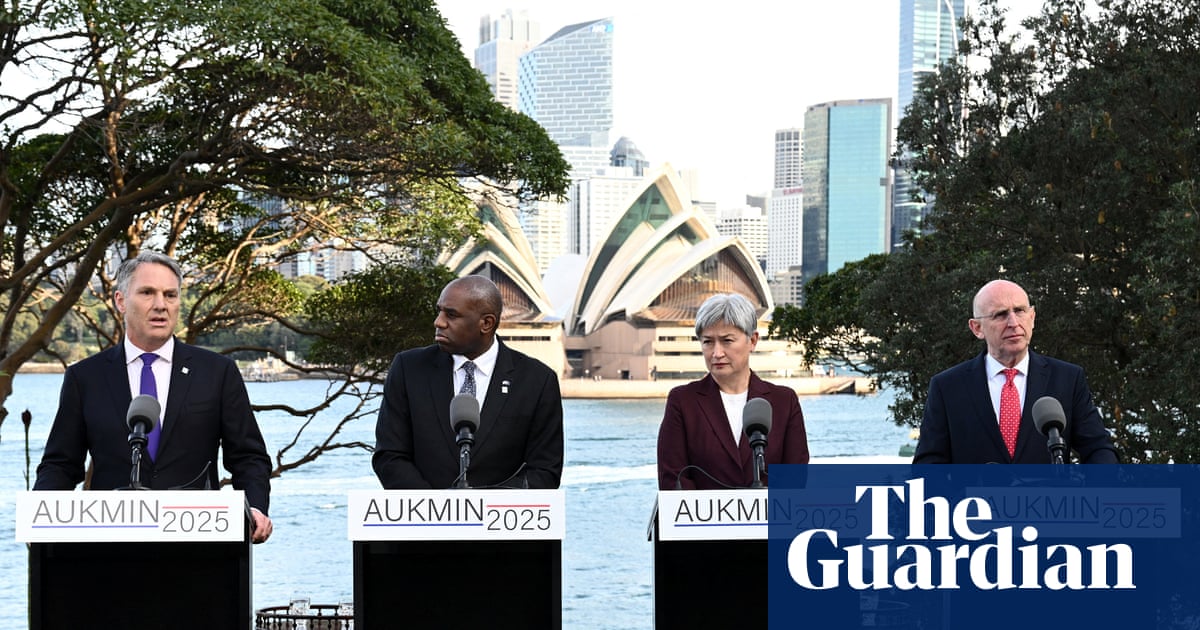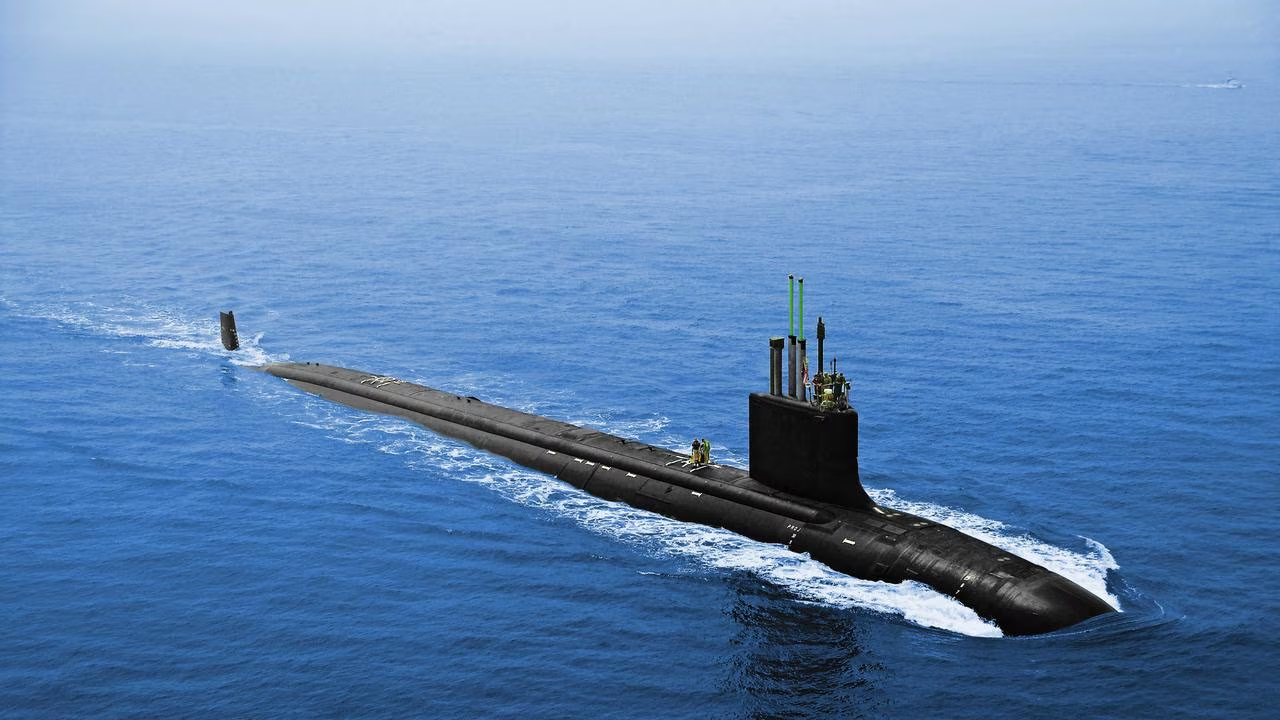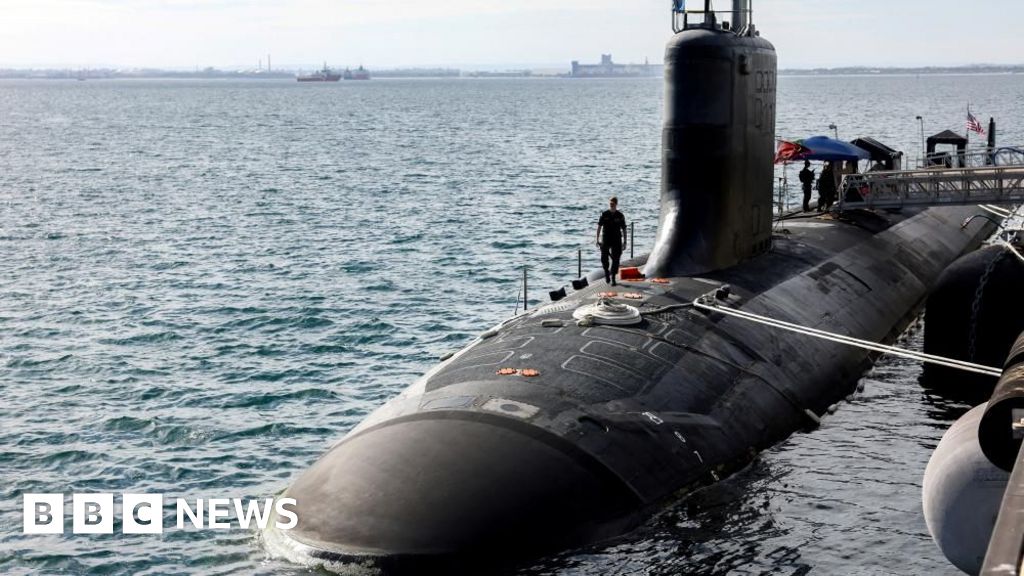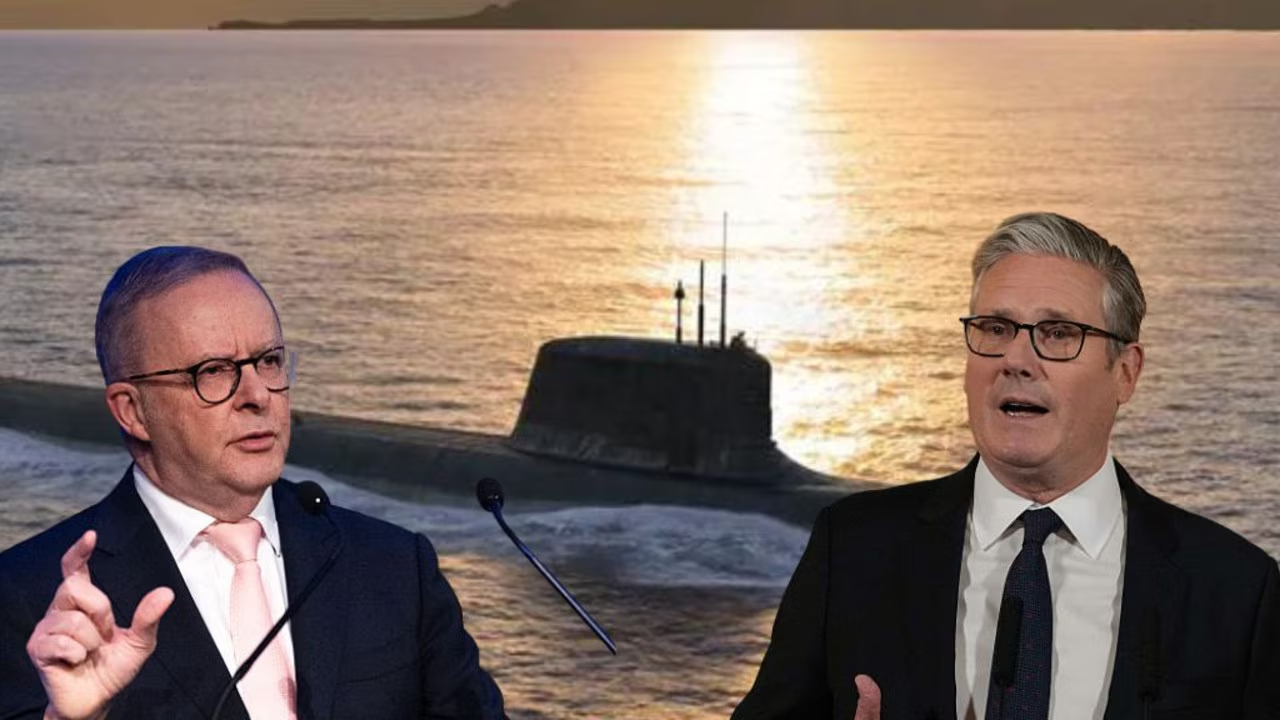
Australia may have to rethink how to get nuclear-powered submarines by the 2030s and beyond after serious questions were raised about the UK providing the high-tech kit under the AUKUS agreement, a military academic has warned.Dr Malcolm Davis from the Australian Strategic Policy Institute said the UK is experiencing a “significant amount of trouble”, both financial and political, that jeopardises the delivery of state-of-the-art nuclear subs.The defence treaty, struck between the US, UK and Australia – much to the chagrin of France – promised Canberra eight state-of-the-art nuclear-powered submarines, called SSN-AUKUS, by the late 2030s. Some would be built in Australian shipyards.“I hope they can get out of the situation in a year or more but like us they need to spend more on defence,” the professor said at the Australian Space Summit and Exhibition in Sydney on Wednesday (June 17).“But if they don’t then we need to think of another option, like buying Virginia Class (nuclear) submarines [from the US]. We need options beyond just buying three submarines.”Dr Davis’ stirring comments come as the UK’s chief of defence staff warned British armed forces would have to “dial back” training and operations if they do not receive more funding than is currently being offered. Last week, the country’s defence minister and a junior arrangement.In a searing letter to UK Prime Minister Keir Starmer, former defence minister John Healey said the lacklustre £13bn ($22bn AUD) package would make Britain “less safe”.The resignation has reignited concerns about the UK’s commitment to the AUKUS defence pact.Dr Davis said London needed to boost defence spending soon if it hopes to build SSN AUKUS submarines. He said Australia also needed to increase defence spending but stressed it was on track to meet it own commitments under the pact.This includes building the Osborne naval shipyard in South Australia and preparing HMAS Stirling in Western Australia for troop deployments.“The UK does have an urgent need for its own nuclear submarine capabilities and SSN AUKUS is a big part of that,” he exclusively told news.com.au.“At a certain point they will come out of that crisis and begin preparing for that process.”Fellow panellist Rodrigo Praino from the Jeff Bleich Centre for Democracy and Disruptive Technologies said Canberra needed to do everything it can to boost submarine production in Australia. Mel French, whose firm L3Harris Technology is working on the new Golden Dome project in the US, said the agreement was bound to meet choppy waters.“This is going to be a team sport with everyone off the bench. We need to focus on capability across the three nations. We are all partners.”The new Golden Dome is a $175 billion defence project is a nod to Israel’s Iron Dome that has intercepted thousands of short-range rockets since 2011. But the US defence system would intercept much bigger intercontinental threats.Mr Healey’s resignation weakens Starmer’s authority at a precarious moment, a week before a by-election that could prompt a bid to replace him.“You have been unable, and the Treasury has been unwilling, to commit the resources that the nation needs to defend the country at this time of rising threats,” Healey wrote in a resignation letter to Starmer posted on his X account.“After explaining to you that I would not be able to accept a DIP settlement that does not give our Forces the resources they need, I am now left with no other option than to submit my resignation.”The damning outlook comes as the UK parliament released a much-anticipated report on the 2021 defence pact after launching an inquiry last year.The House of Commons Defence Committee said Britain’s “financial commitment” to the pioneering pact had “already faltered” and warned delays would have “potentially severe consequences” for the UK, Europe and allies like Australia.Spiralling costs, lethargic investment, a lack of political will, and an increasingly unreliable US have cast serious doubt on the pact’s longevity.
Military expert issues warning after London’s AUKUS debacle
Australia may have to rethink how to get nuclear-powered submarines by the 2030s and beyond after serious questions were raised about the UK providing the high-tech kit under the AUKUS agreement, a military academic has warned.
642 words~3 min read