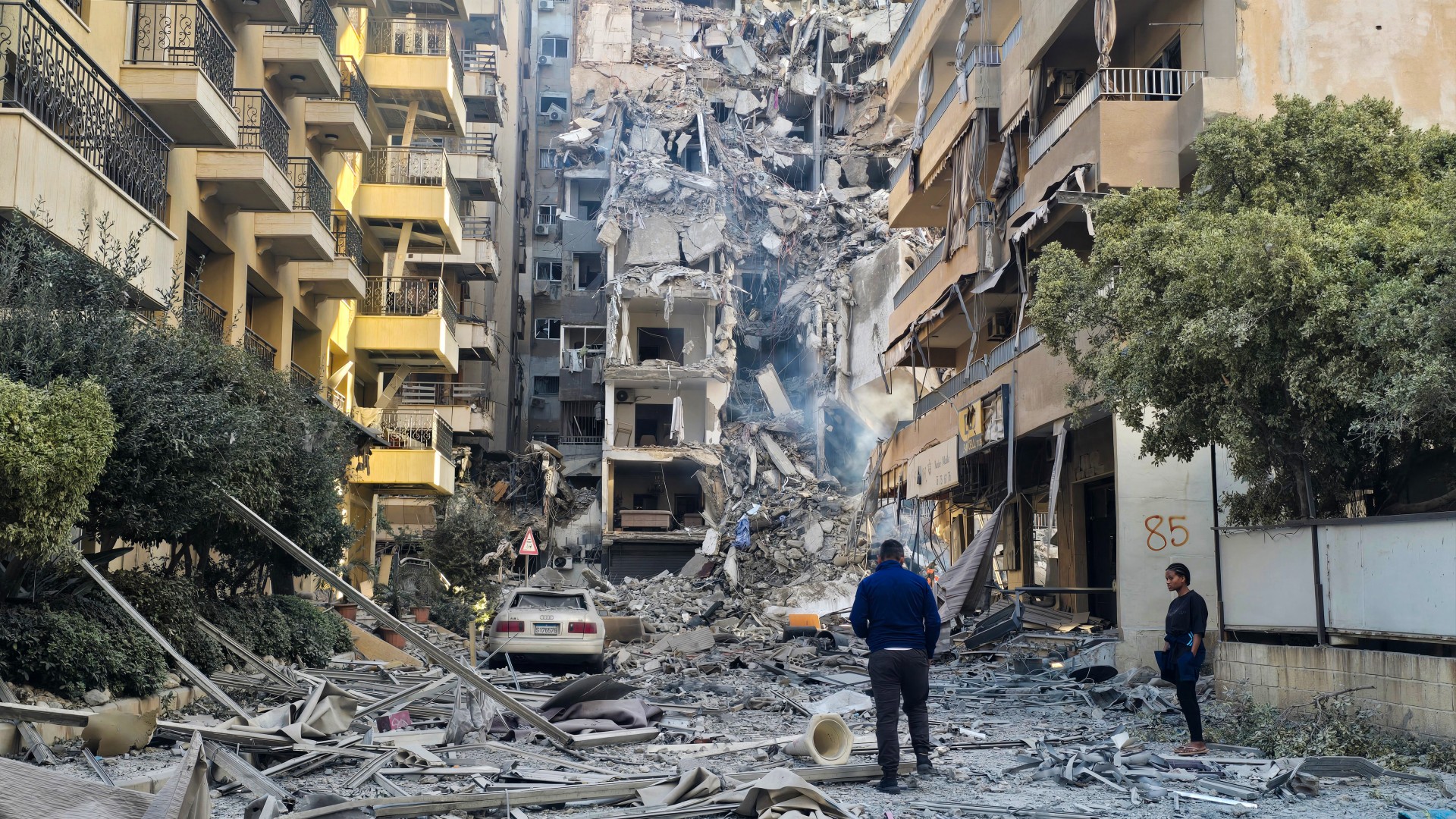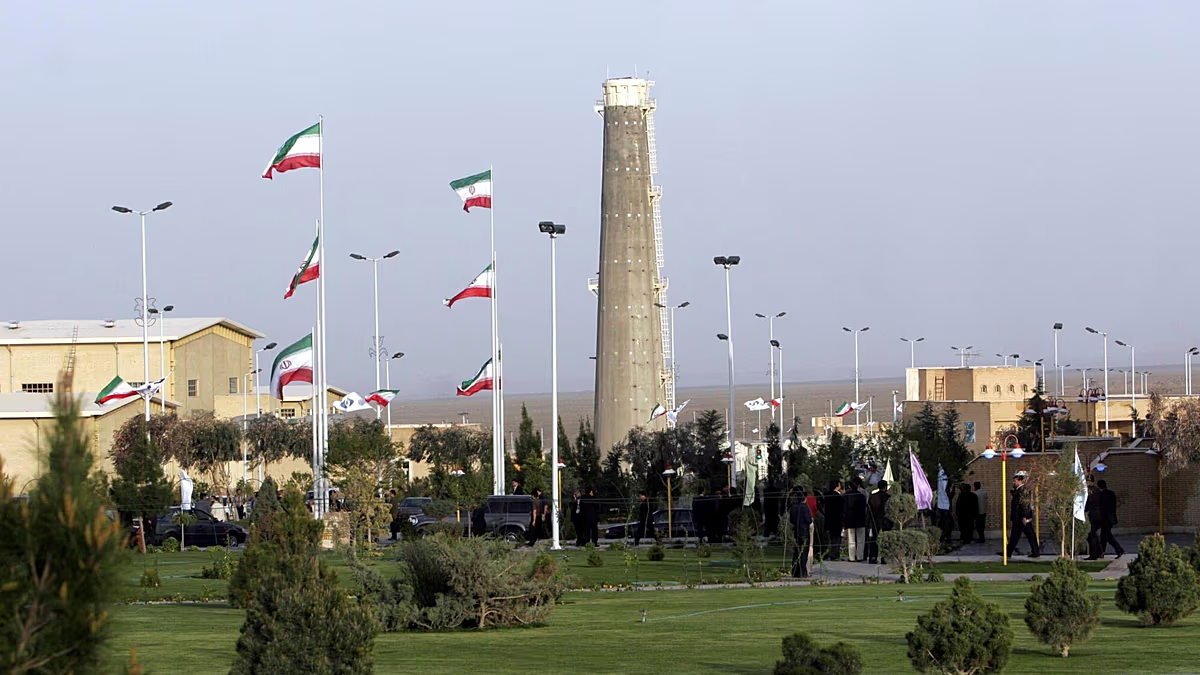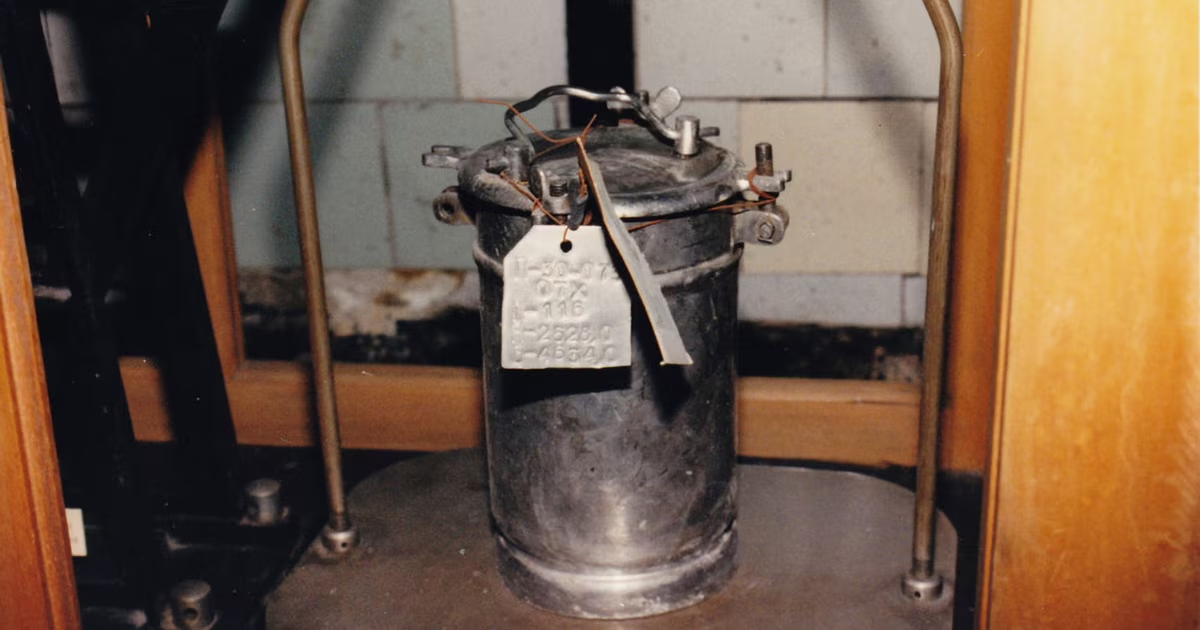
As negotiations over Iran's nuclear program continue, the fate of Tehran's stockpile of highly enriched uranium remains one of the most difficult issues to resolve.Before US and Israeli air strikes on Iranian nuclear facilities in June 2025, the International Atomic Energy Agency (IAEA) estimated that Iran possessed 440.9 kilograms of uranium enriched to 60 percent. While not weapons-grade, the material is significantly close to the 90 percent enrichment level generally associated with the production of nuclear weapons.The question now confronting negotiators is what should happen to that stockpile as part of a broader agreement between Tehran and Washington. In recent weeks, Kazakhstan has been mentioned as a possible third-party custodian.
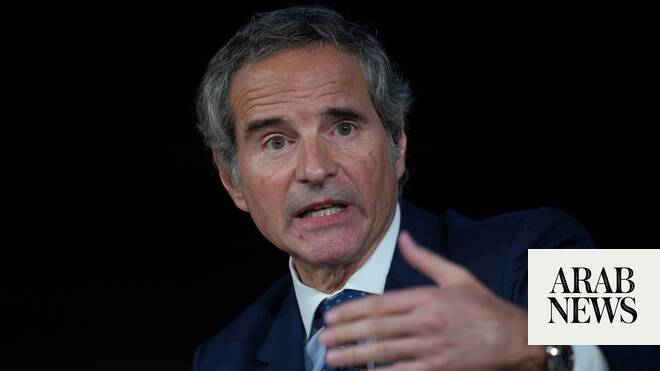
IAEA Director-General Rafael Grossi said last month that Kazakh President Qasym-Zhomart Toqaev was open to the idea of storing Iranian uranium, and Astana later confirmed its willingness."Several countries, including Kazakhstan, expressed readiness in a spirit of goodwill to provide technical assistance to resolve the issue, provided that relevant international agreements are reached between all parties involved and the matter moves into practical implementation," Kazakh Foreign Ministry spokesman Aibek Smadiyarov said on June 1.A week after this statement, Kazakhstan's ambassador to Iran met with Iranian Deputy Foreign Minister Kazem Gharibabadi. Neither side disclosed whether a uranium transfer was discussed.A Nuclear Middle GroundKazakhstan has strong nuclear credentials.Since 2019, it has hosted the world's only IAEA-owned low-enriched uranium bank, a 90-tonne facility backed by the United States, the European Union, Norway, Kuwait, and the United Arab Emirates (UAE). Astana also maintains relations with all major parties involved and has a long record in nuclear nonproliferation."Kazakhstan is actually a very interesting and good choice," said John Roberts, an energy expert at the Atlantic Council. "It has an established nuclear industry and has been involved in nuclear power station construction."Yet technical qualifications may not be the decisive factor.Ali Vaez, a leading nonproliferation expert and director of the Iran Project at the International Crisis Group, points out that the central obstacle is not logistics, but trust.Tehran is unlikely to view the uranium solely as nuclear material that needs secure storage: It is also a source of leverage in negotiations."Given Tehran's deep-seated mistrust toward the US, it is unlikely to ship out all of its material or at once," Vaez said. "It would prefer to down-blend some of it at home to maintain leverage and ensure that Washington delivers on its end of the bargain."The Trust Deficit and Diplomatic BottleneckThat mistrust could complicate Kazakhstan's chances of becoming a custodian. For Iran, the destination country would need to be one that could guarantee the stockpile's return if an agreement falls apart."The destination for shipping out the material should be to a country that Iran could trust would repatriate the stockpile to Iran in case the US reneges on its commitments," Vaez said. "The only options for this purpose are Russia and China."Yet those are precisely the options Washington has publicly rejected. US President Donald Trump publicly ruled out Russia and China as potential custodians of Iran's enriched uranium, telling reporters during a Cabinet meeting on May 27 that he would not be "comfortable" with either country taking control of the stockpile as part of a future agreement.