READ MORE: Definitive guide to the best fat jab (or pill) for YOUSee more Daily Mail on Google - save us as a Preferred SourceBy MARTI STELLING, HEALTH REPORTER Published: 12:05 BST, 17 June 2026 | Updated: 12:05 BST, 17 June 2026
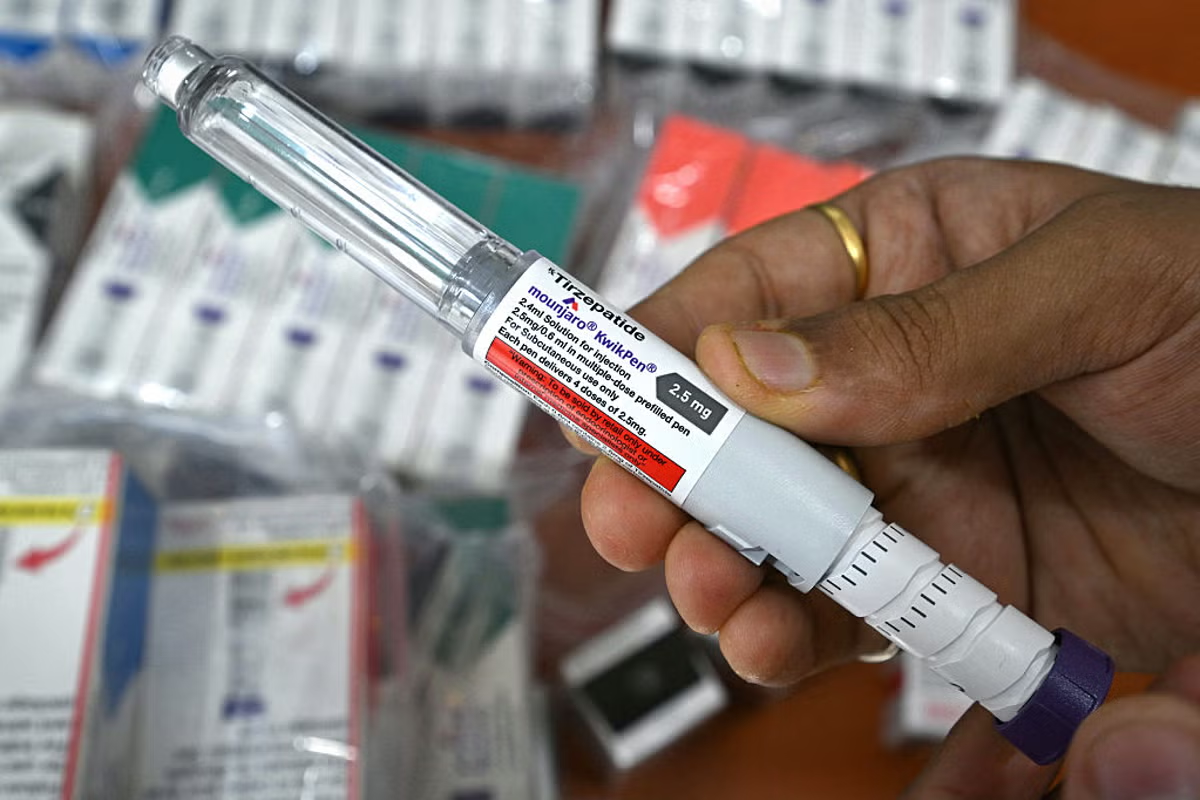
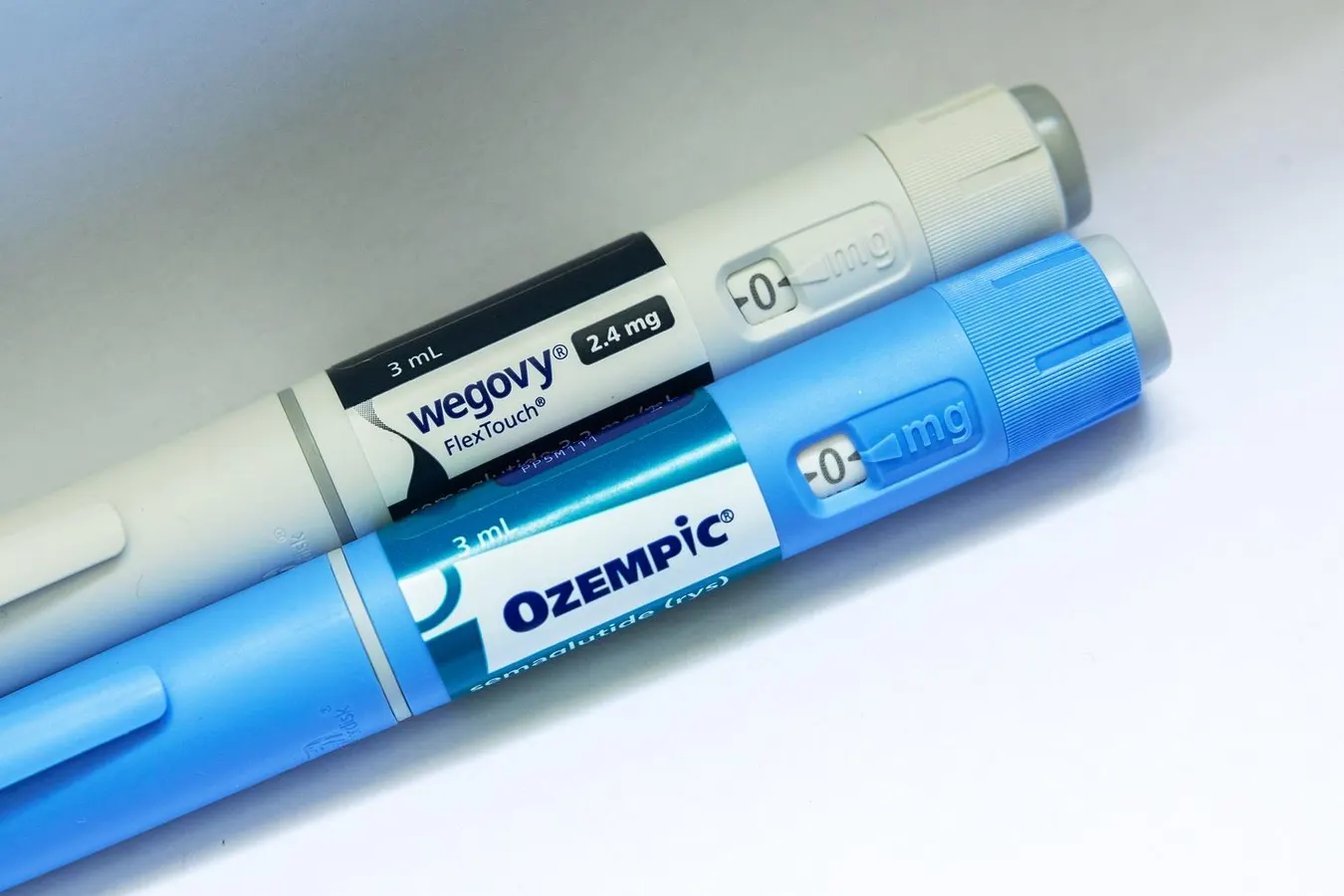
They've been credited with quieting food noise, lowering the risk of heart attacks, strokes and heart disease, as well as helping people shed impressive amounts of weight.And now, early research has indicated that GLP-1 medications such as Wegovy and Ozempic could reduce the risk of a person committing a violent crime. The new study, published in the journal Criminology, found that higher impulsivity and alcohol use were strongly associated with violent behaviour overall - but those relationships were significantly weaker among people who used weight loss drugs.So even when a GLP-1 user drinks or acts impulsively, the situation is less likely to escalate into engaging in violent criminality, the study suggests.This finding was especially consistent with impulsivity - but less so with alcohol use.'The strongest finding in the study was that the well-established link between impulsivity and violent behaviour was substantially weaker among current GLP-1 users compared to former users,' said Daniel Semenza, the lead author of the study.'As GLP-1 drugs become increasingly widespread, it is important to understand all of their potential behavioural effects, including those relevant to public safety.'Previous studies have suggested that semaglutide appears to affect addictive behaviours by mimicking the GLP-1 hormone, acting deep within the brain's reward circuitry. A new study has suggested that GLP-1s could reduce the risk of a person committing a crime Specifically, it targets structures which regulate dopamine signalling and motivation. By dampening the dopamine spikes caused by addictive substances, it essentially blunts the rewarding 'high,' mitigating cravings for alcohol, nicotine and food. In the latest study, US researchers from Rutgers University analysed data from a 2025 survey of 7,521 US adults, of which 821 individuals had ever used a GLP-1 medication. The study compared current GLP-1 users with former users and examined whether medication use changed the relationship between violent behaviour, impulsivity and alcohol use. Violent behaviour was self-reported using an 'offending scale' which assessed behaviours such as fighting, assault and robbery.The study found the correlation between impulsivity and violent behaviour was about 62 per cent weaker among people who currently used weight loss jabs in comparison to former users.The relationship between alcohol use and violent behaviour was about 52 per cent weaker among current users. The findings suggest that weight loss drugs may lessen the extent to which certain established risk factors translate into violent behaviour.'Our findings are consistent with these medications working like cognitive behavioural therapy, weakening the path from impulse to action rather than eliminating impulsivity itself,' said Christopher Thomas, an assistant professor at Rutgers University-Camden and the coauthor of the study. However, because the study was observational, more research is needed to determine whether GLP-1 drugs actually reduce the risk of violence and the mechanisms involved.