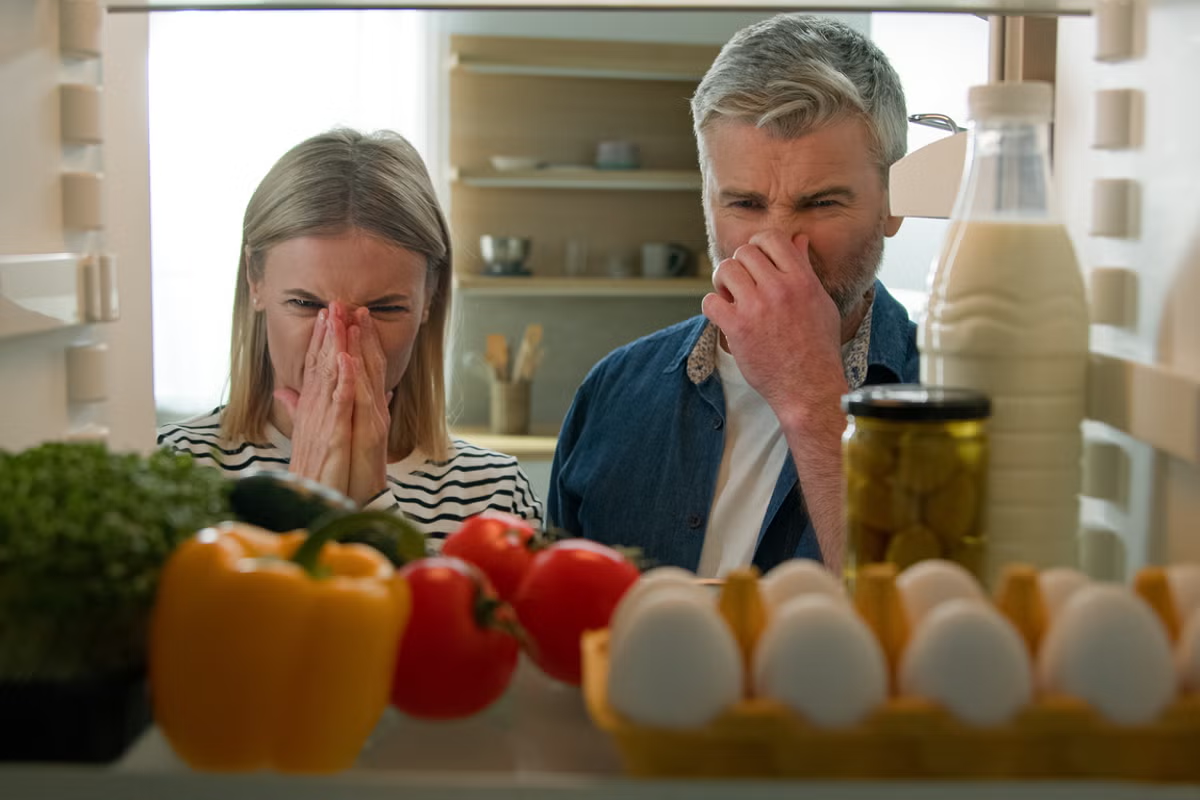
Stay up to date with notifications from The IndependentNotifications can be managed in browser preferences.AllNewsSportCultureLifestyleA study has looked into the impact of losing the senses of taste and smell (Getty/iStock)A study by the University of East Anglia (UEA) has revealed that losing one's sense of smell or taste can severely impact quality of life, comparable to serious chronic illnesses such as diabetes and stroke. These disorders, known as anosmia and ageusia, cause significant emotional, social, and psychological suffering, including a loss of pleasure in food and heightened anxiety about personal safety. The research found high rates of depression and social withdrawal among sufferers, with one in five experiencing moderate, severe, or extreme depression. Lead researcher Professor Carl Philpott noted that eating often becomes a purely functional act for those affected, leading to diminished enjoyment and potential weight changes. Despite the profound effects, smell and taste disorders have historically been underestimated and often dismissed by medical professionals, with limited specialist support available. In fullLosing sense of smell is as bad as Parkinson’s or a stroke, study findsThank you for registeringPlease refresh the page or navigate to another page on the site to be automatically logged inPlease refresh your browser to be logged in
Study finds losing sense of smell has hugely negative impact on life
Stay up to date with notifications from The IndependentNotifications can be managed in browser preferences.AllNewsSportCultureLifestyleA study has looked into the impact of losing the senses of taste and smell (Getty/iStock)A study by the University of East Anglia (UEA) has revealed that losing one's sense of smell or taste can severely impact quality of life, comparable to serious chronic illnesses such as diabetes and stroke. These disorders, known as anosmia and ageusia, cause significant emotional, social, and psychological suffering, including a loss of pleasure in food and heightened anxiety about personal safety. The research found high rates of depression and social withdrawal among sufferers, with one in five experiencing moderate, severe, or extreme depression. Lead researcher Professor Carl Philpott noted that eating often becomes a purely functional act for those affected, leading to diminished enjoyment and potential weight changes. Despite the profound effects, smell and taste disorders have historically been underestimated and often dismissed by medical professionals, with limited specialist support available. In fullLosing sense of smell is as bad as Parkinson’s or a stroke, study findsThank you for registeringPlease refresh the page or navigate to another page on the site to be automatically logged inPlease refresh your browser to be logged in