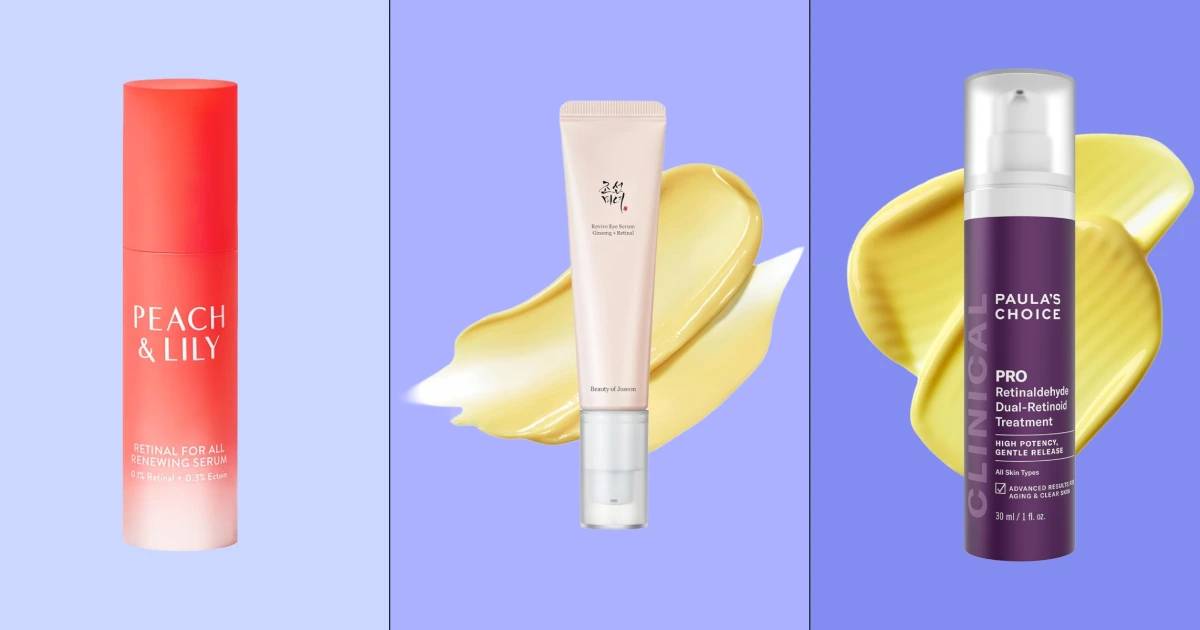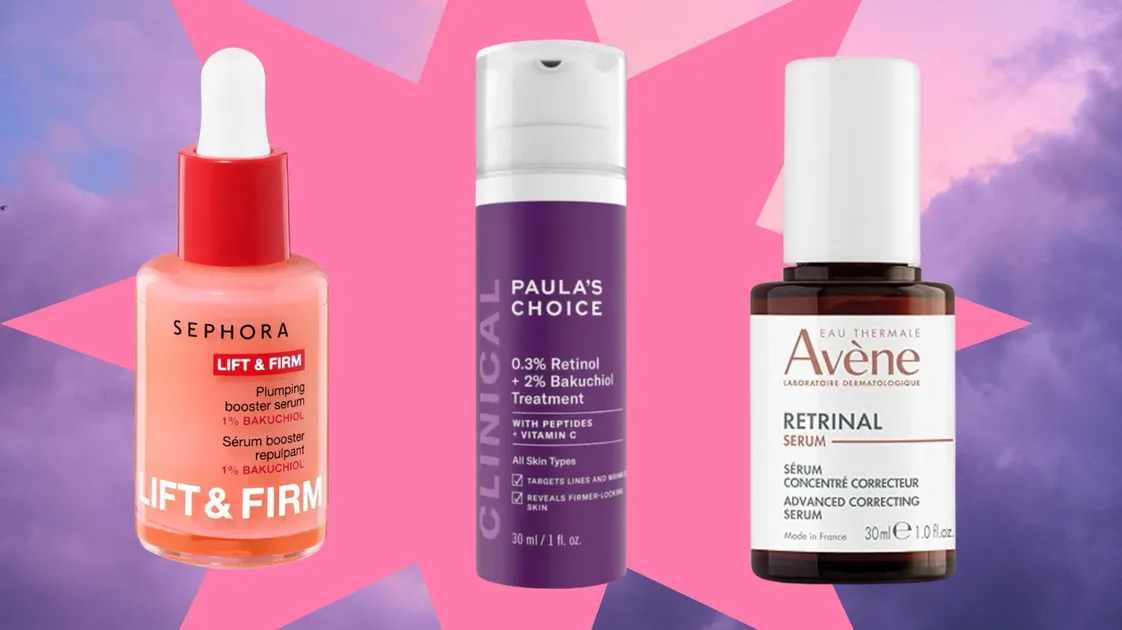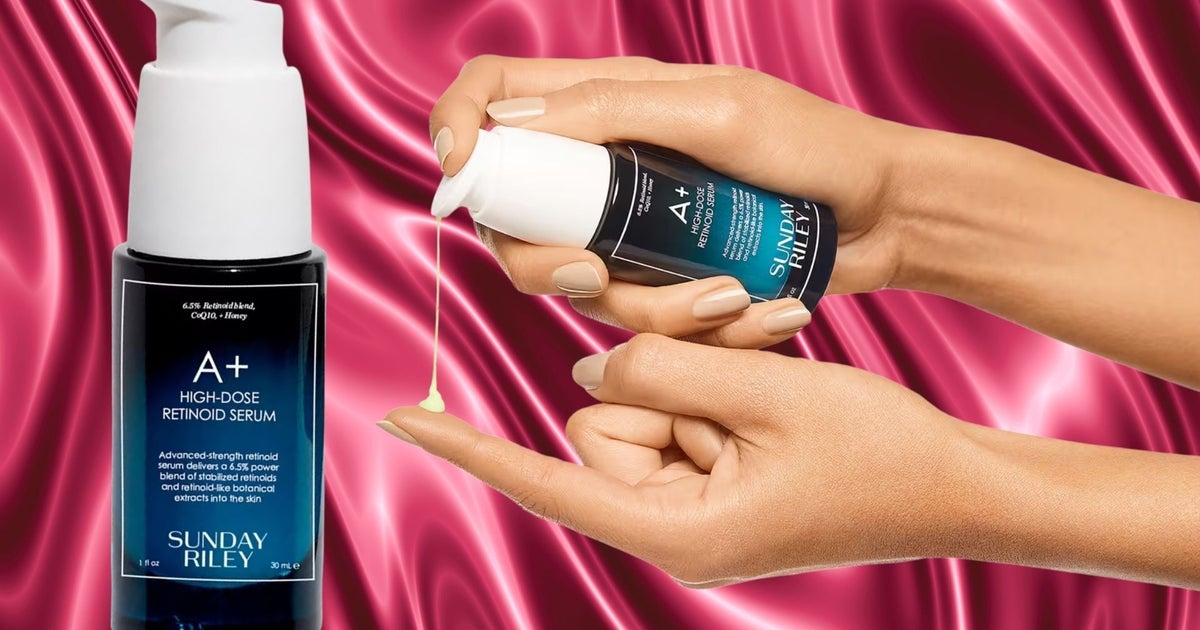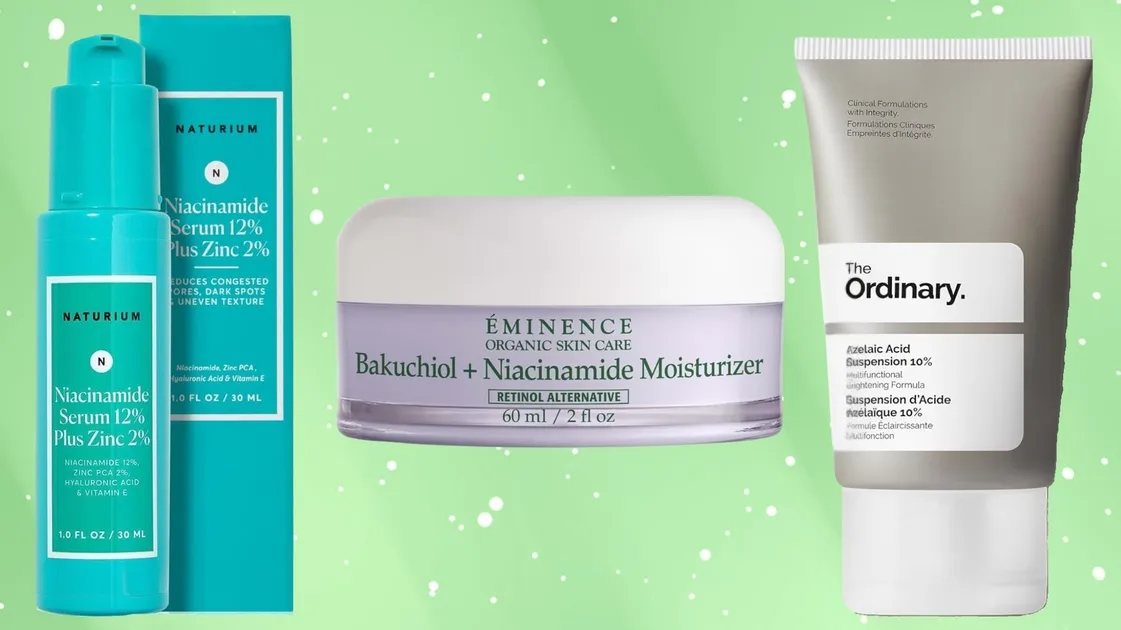
Retinol, retinal, and tretinoin all promise better skin, but a dermatologist says they are not interchangeable. Here's what you should know. Choosing between retinol, retinal, and tretinoin can be confusing, especially knowing that you need these for better skin health. While all these ingredients promise good skin, it is important to know the difference so that you can make the right choice. In an interview with HT Lifestyle, Dr Noopur Jain, founder and consultant dermatologist at Skinzest, decodes the difference between these popular skincare ingredients taking over the internet.Difference between retinol, retinal, and tretinoin. (Pexel)Also read | Dermatologist shares 7 simple ways to manage acne without overcomplicating your skincare routineWhat is Retinol?Dr Noopur said, “Retinoids are among the most effective ingredients in dermatology for treating acne, pigmentation, fine lines, and signs of ageing.” However, choosing between retinol, retinal, and tretinoin can be confusing, as they differ in strength, effectiveness, and tolerability.According to Dr Noopur, retinol is the mildest and most widely available form. Before it can work on the skin, it must undergo multiple conversion steps to become retinoic acid, the active form used by skin cells. This makes retinol gentler but also slower to deliver visible results. It is often a good choice for beginners, younger individuals, and those with sensitive skin.Retinal (retinaldehyde) is the next step closer to retinoic acid. (Pexel)What is Retinal?Retinal (retinaldehyde) is the next step closer to retinoic acid. It requires only one conversion step, making it more potent and effective than retinol while generally remaining well tolerated. Dr Noopur highlighted that retinal can be an excellent option for people seeking faster results for acne, pigmentation, or early signs of ageing without the higher irritation potential of prescription retinoids.What is Tretinoin?Tretinoin is pure retinoic acid and is available by prescription. Because it is already in its active form, it delivers the most powerful and well-studied results for acne, photoageing, and pigmentation. However, it can also cause dryness, peeling, redness, and irritation, especially during the initial weeks of use.Tretinoin is pure retinoic acid and is available by prescription. (Pexel)So, which one should you choose?According to Dr Noopur, the answer depends on your skin type, concerns, and tolerance. Beginners and those with sensitive skin may benefit from starting with retinol. Retinal offers a middle ground between efficacy and tolerability. For more significant acne or age-related concerns, tretinoin often provides the best results under dermatological guidance.The key is consistency rather than strength alone. The best retinoid is one that your skin can tolerate and use regularly over the long term.Note to readers: This article is for informational purposes only and not a substitute for professional medical advice. Always seek the advice of your doctor with any questions about a medical condition.Anukriti Srivastava thrives at the intersection of words and voice, where journalism meets storytelling. A digital editor and journalist with over 5 years of experience, she has written across lifestyle, women issues, relationships, entertainment, fashion, and travel. She did her Masters in Broadcast Journalism and has published more than 500+ lifestyle content pieces across platforms.
Dermatologist compares retinol, retinal, tretinoin: Know which is best for wrinkles, acne, pigmentation
Retinol, retinal, and tretinoin all promise better skin, but a dermatologist says they are not interchangeable. Here's what you should know. | Health
703 words~3 min read