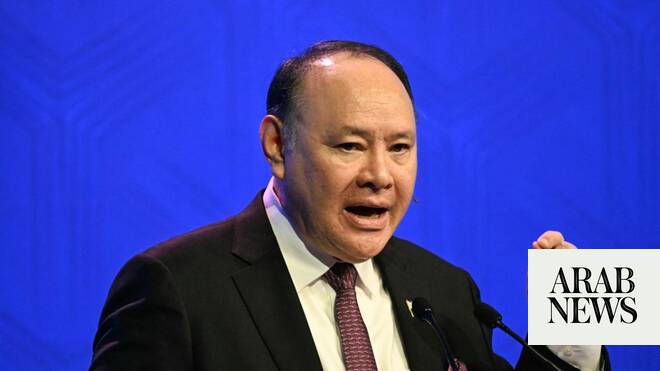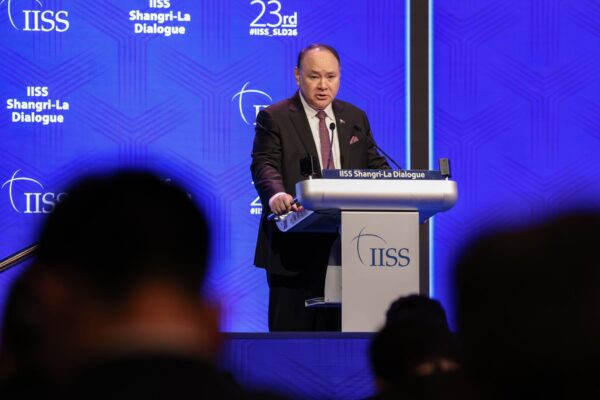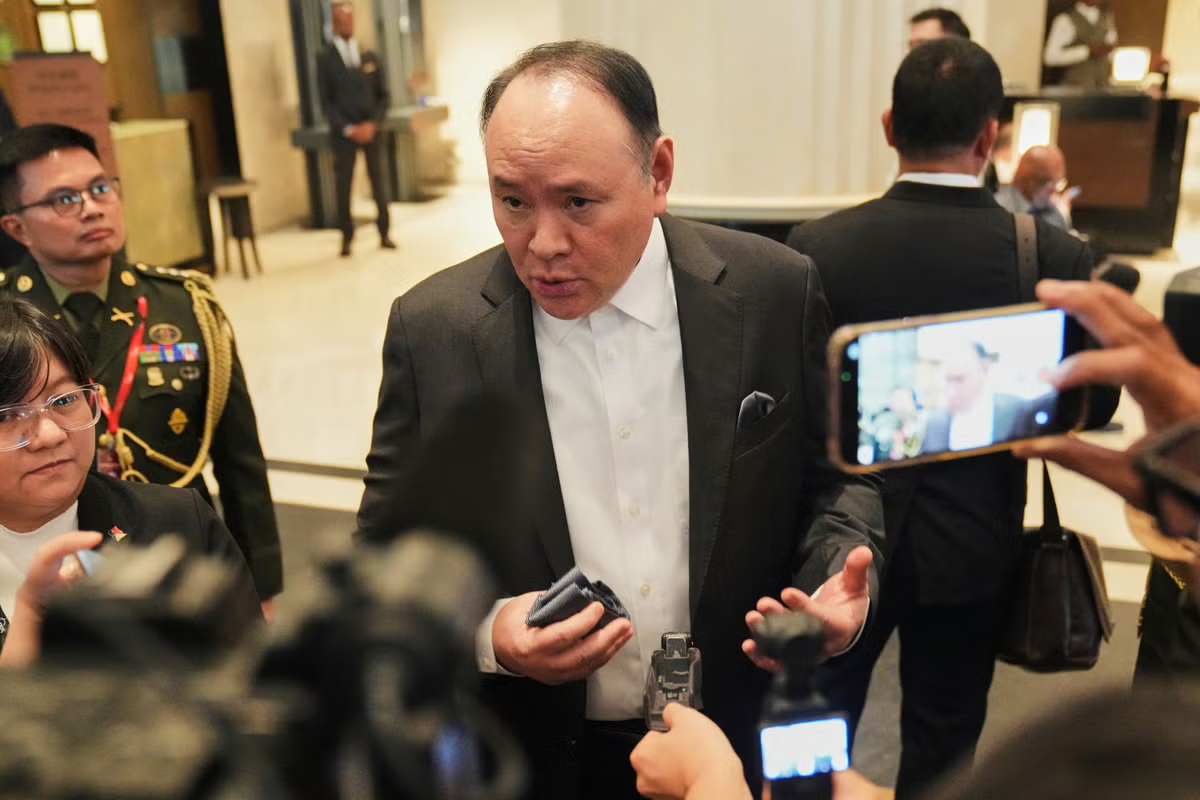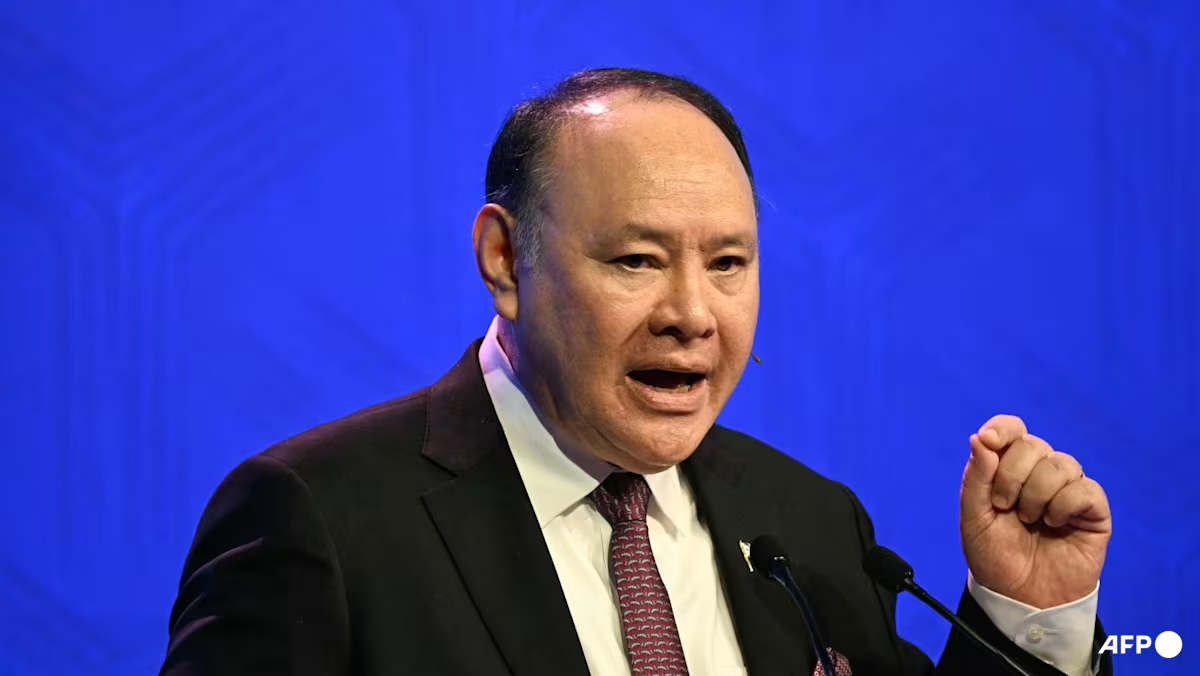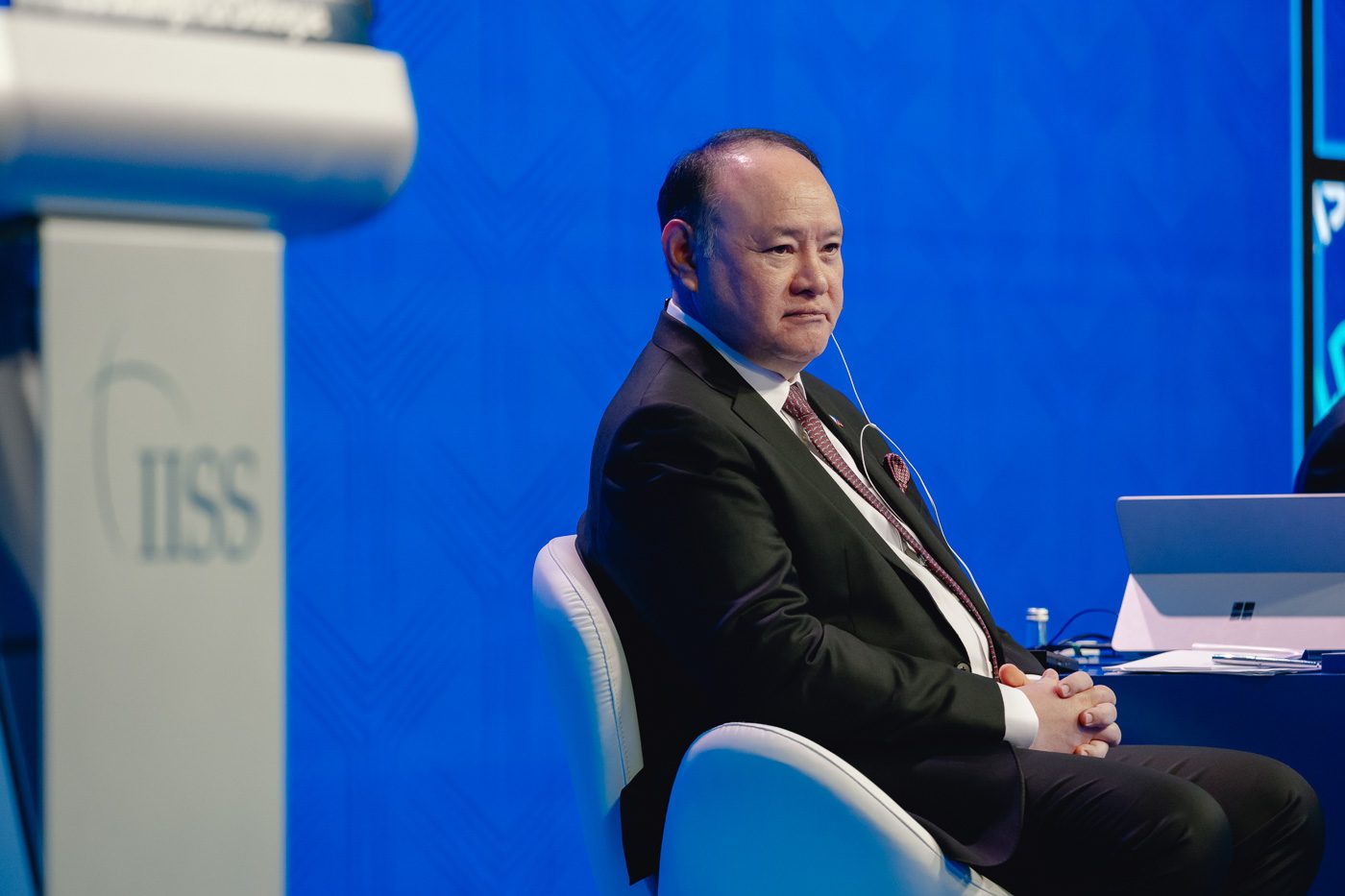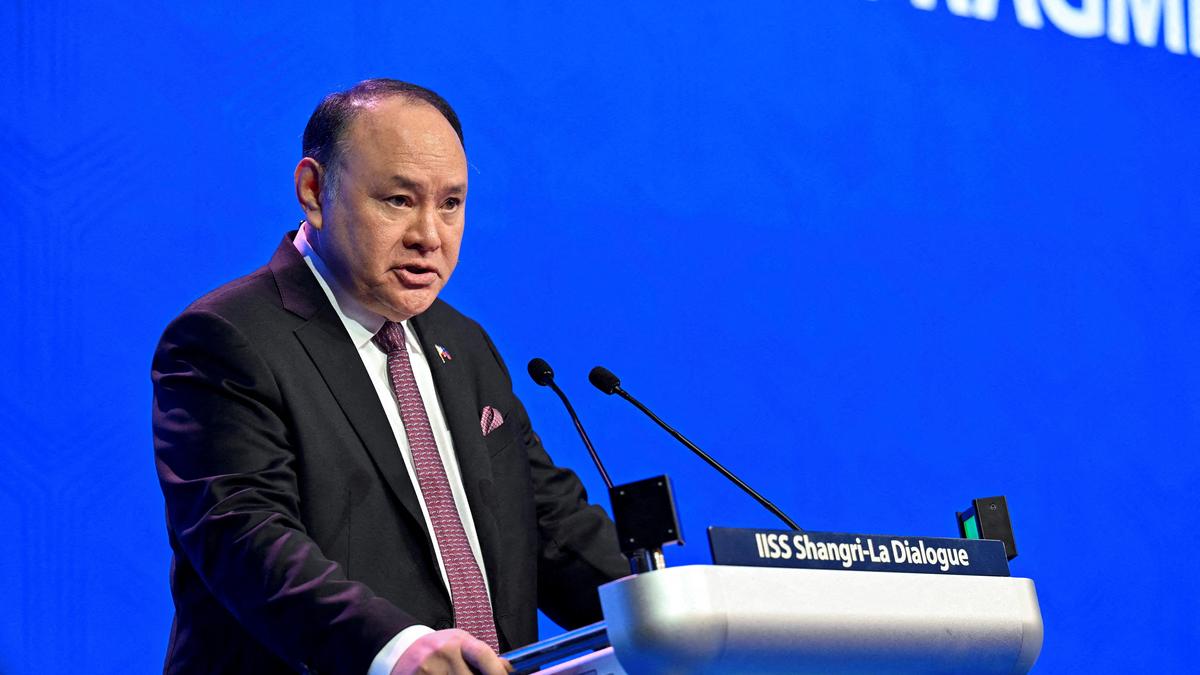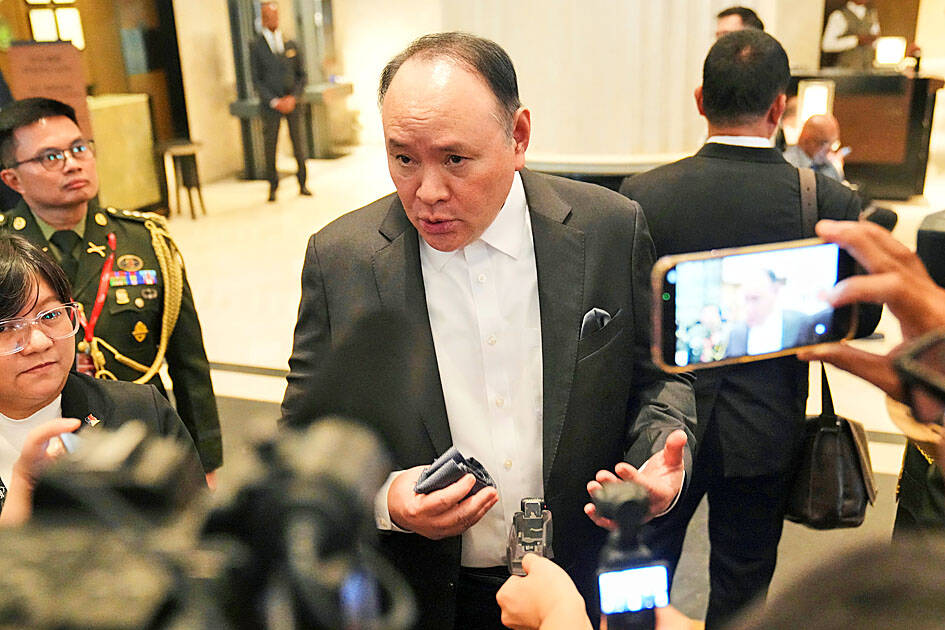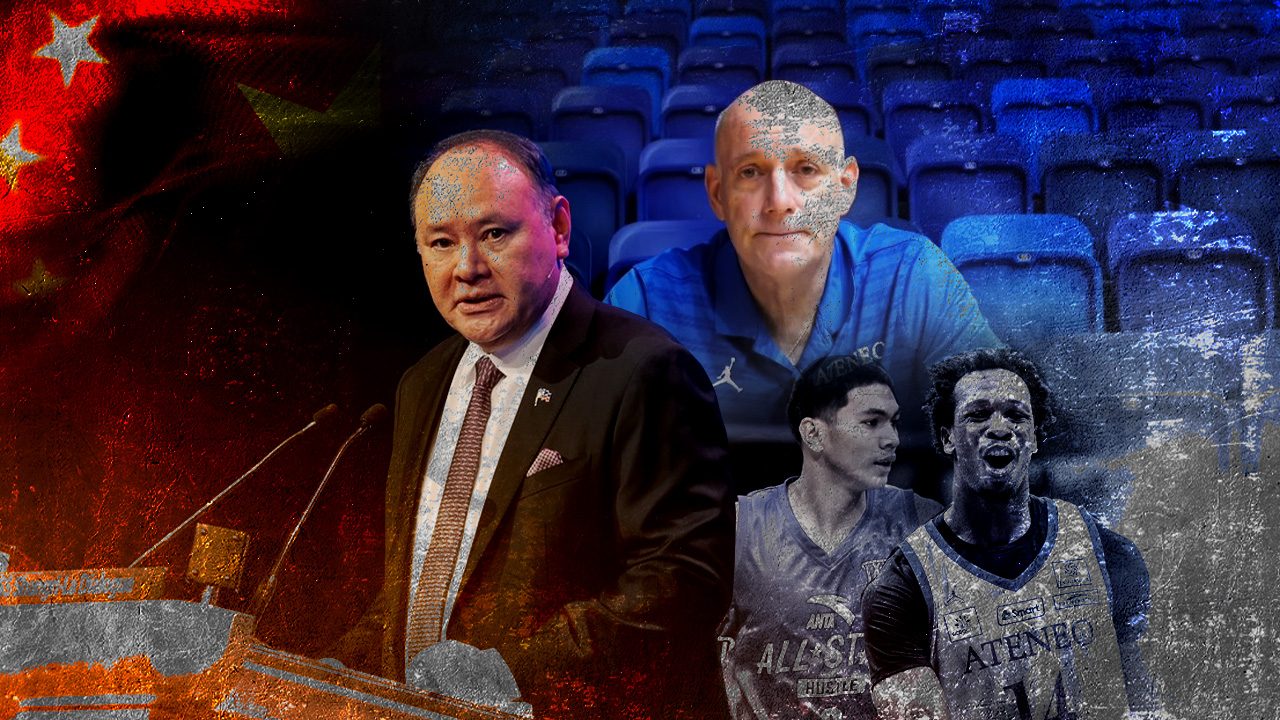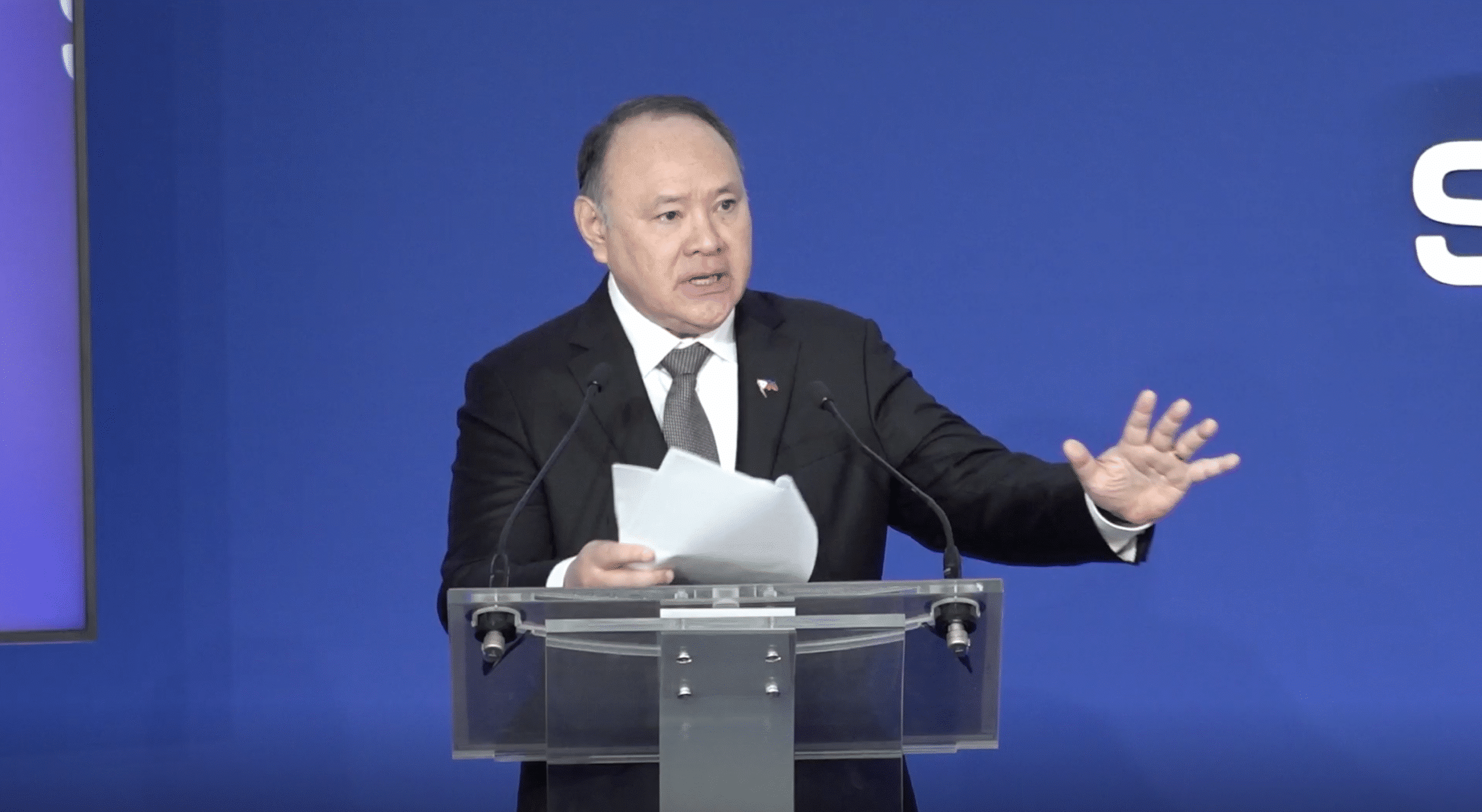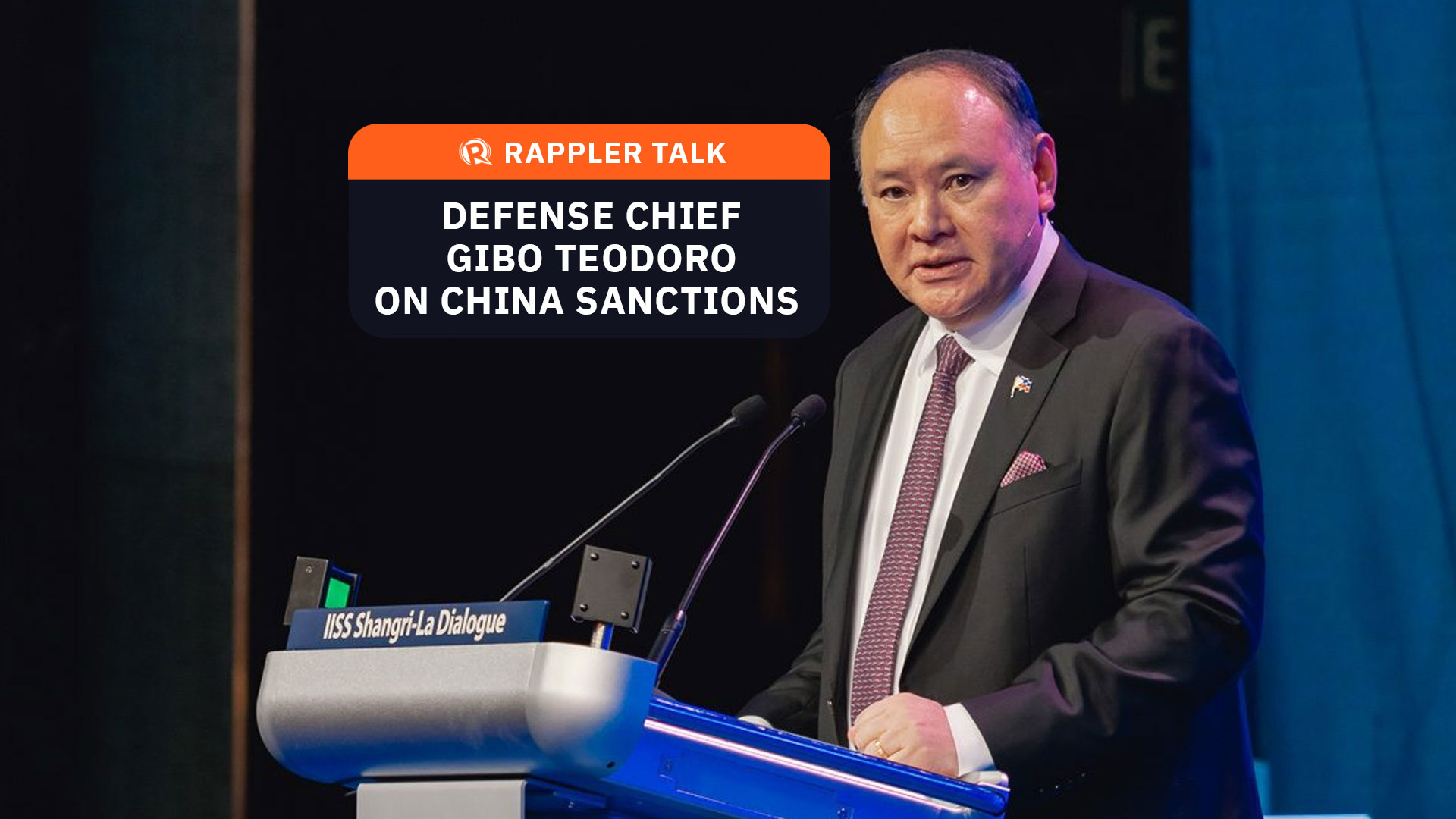
China recently raised eyebrows across the Indo-Pacific by slapping unilateral sanctions on Philippine Defense Secretary Gilberto Teodoro and his immediate family, citing his “erroneous remarks” against Beijing’s paramilitary activities in the South China Sea.The response from Manila was swift and defiant. “That is truly what they [China] do to those who speak the truth against their deception,” Teodoro stated on June 12, pledging to continue his duty to uphold his nation “in the face of the wickedness they are committing here and even in our seas.”This spat highlights a profound, structural irony: unilateral sanctions have long been demonized by Beijing as a Western tool for geopolitical punishment. Now, China is copying that exact playbook — albeit with “Chinese characteristics” — to coerce its neighbors.
TRUMP’S G7 MOMENT: END AMERICA’S DEPENDENCE ON FORCED LABOR SUPPLY CHAINS
But this raises a fundamental question of efficacy: What can such a sanction actually achieve? Teodoro is a minister of defense, not commerce. His primary duty is to safeguard the national security and territorial integrity of the Philippines. Attempting to intimidate a foreign defense chief through commercial blacklists is not merely bizarre and naive. It exposes a deeper, more systemic flaw in Beijing’s current foreign policy apparatus.