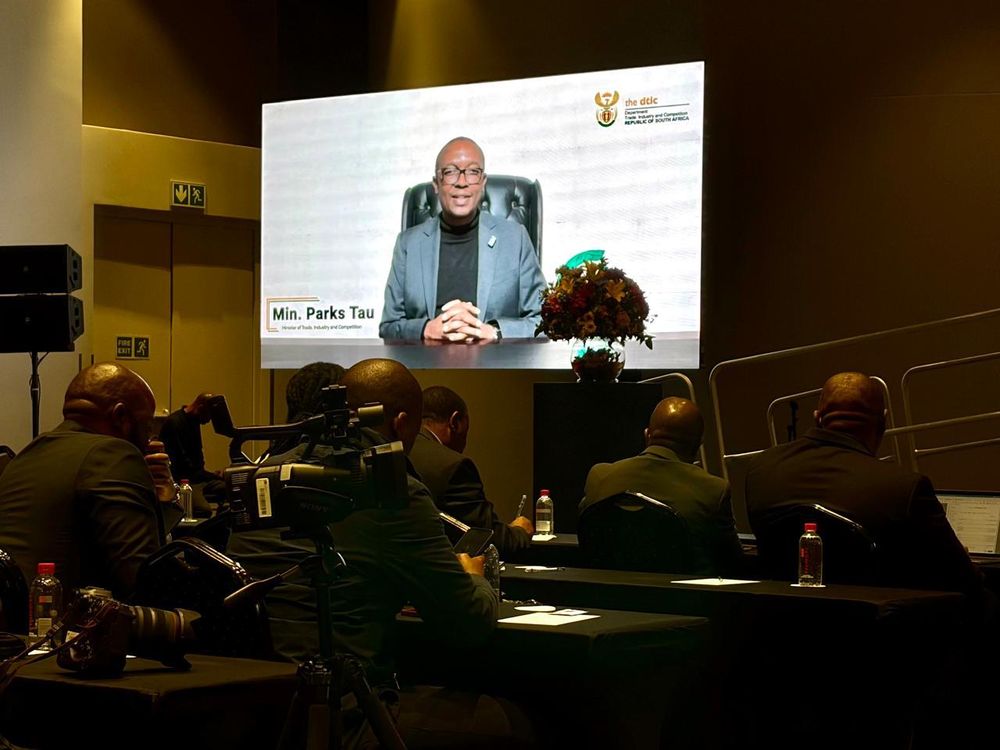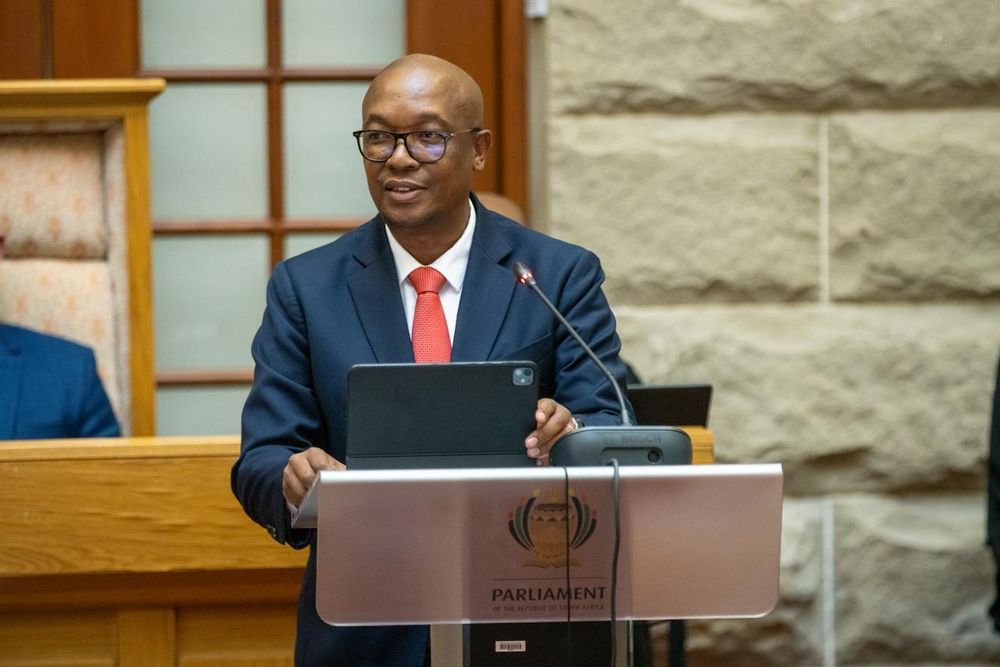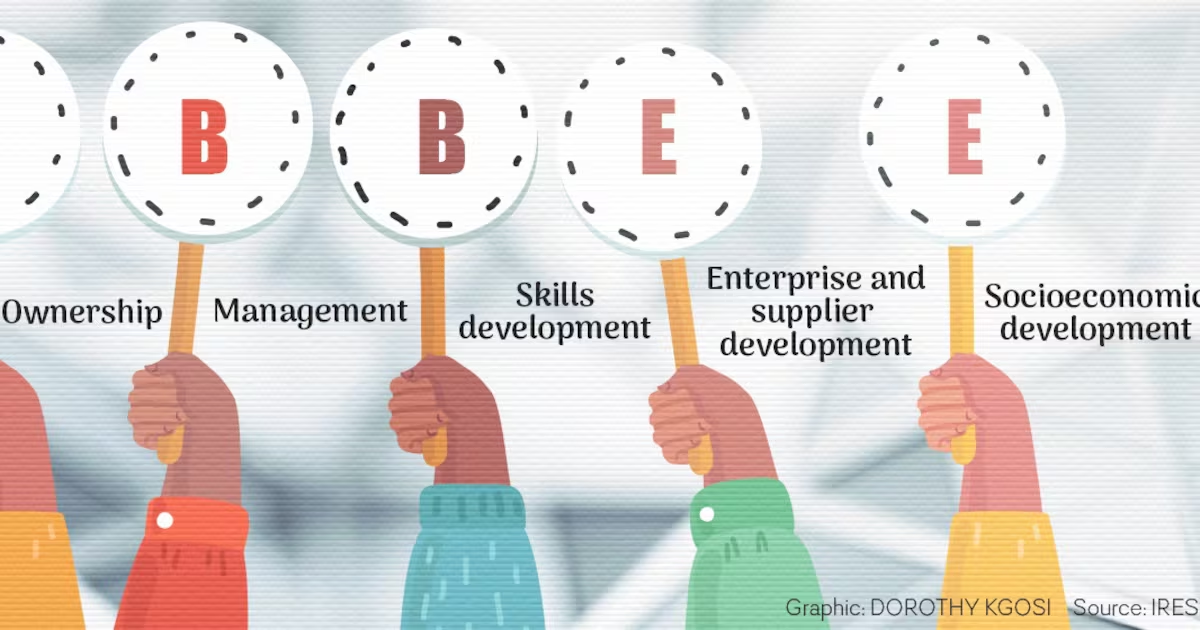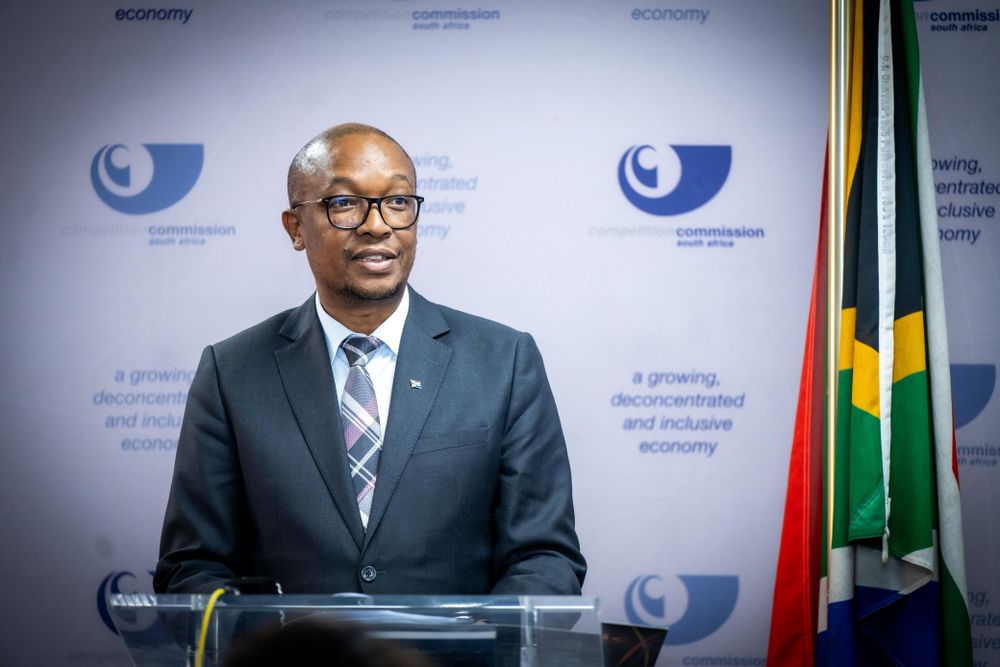
Trade, industry and competition minister Parks Tau has accused critics of BEE of acting in bad faith, saying the global backlash against affirmative action is a politically driven campaign by those who have long opposed economic redress. The remarks, delivered at the Nedbank Top Empowerment Conference on Wednesday, represent the government’s most direct pushback yet against growing pressure to roll back the transformation policy.Tau’s comments come as South Africa marks 25 years of B-BBEE legislation, a period that has produced measurable but uneven results. Black ownership on the JSE stands at just 31%. Black women’s ownership across the broader economy sits at about 12%, according to Tau.More than R600bn in transformation transactions have been recorded and more than R100bn spent on skills development in the past three years alone. “The critics of B-BBEE will tell you this gap is evidence that the policy has failed. Some call for it to be scrapped entirely. I want to be clear that the argument is not new, and it is not neutral. The global backlash against affirmative action is a politically driven campaign by those who have always opposed economic redress,” Tau said. The DA tabled its Economic Inclusion for All Bill in parliament in May, positioning it as a replacement for B-BBEE entirely. The bill shifts focus from compliance checklists and ownership deals toward measurable outcomes, with reform of the state’s R1.2-trillion procurement budget at its core. Internationally, Elon Musk has made South Africa’s empowerment laws a recurring target, publicly questioning why he cannot obtain an operating licence for his company Starlink because of the country’s empowerment laws, which the government has denied. The saga escalated in May when the Independent Communications Authority of South Africa (Icasa) effectively shut down communications and digital technologies minister Solly Malatsi’s plan to create an equity-equivalent workaround that would have allowed Starlink to operate without meeting the 30% black-ownership threshold required under the Electronic Communications Act.Tau said too much empowerment investment had been fragmented and poorly targeted, with companies identifying their own enterprise and supplier development (ESD) beneficiaries, producing inconsistency at scale. Some enterprises have used ESD as a compliance exercise, channelling funds towards entities that meet the threshold on paper without building real capacity, he said. “In February, we convened a session in Pretoria with all 11 B-BBEE Sector Charter Councils…. The agreement from that February session rests on three actions: fix the funding mechanisms so that transformation investment actually reaches black enterprises; optimise implementation within the current legal framework; and review the institutional architecture where it is producing the wrong outcomes,” Tau said. The minister confirmed that amendments published in January represent the most substantial changes to the B-BBEE Codes of Good Practice since 2013, part of a two-phase review he announced to parliament late last year. “The Legal Sector Code gazetted in September 2024 is instructive here. The legal profession spent decades under generic codes that were never designed for an industry where statutory restrictions on ownership structure are embedded in professional law. The new code creates a framework that fits the industry.”
Fight against BEE is politically charged globally, says Parks Tau
Trade minister says too much empowerment investment is fragmented and poorly targeted
510 words~2 min read