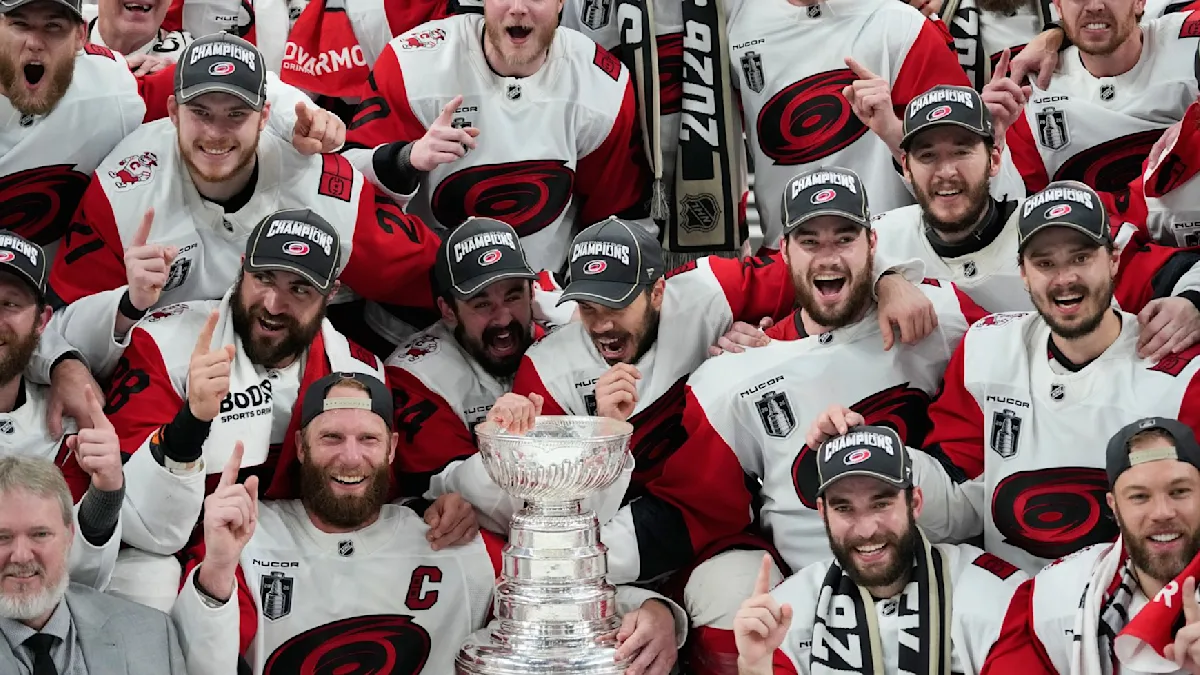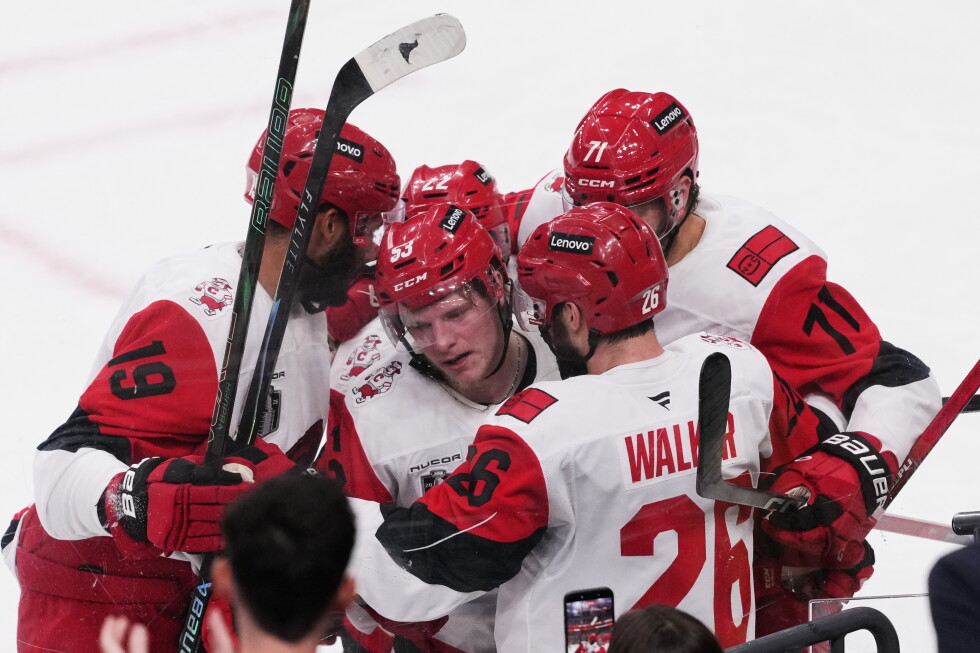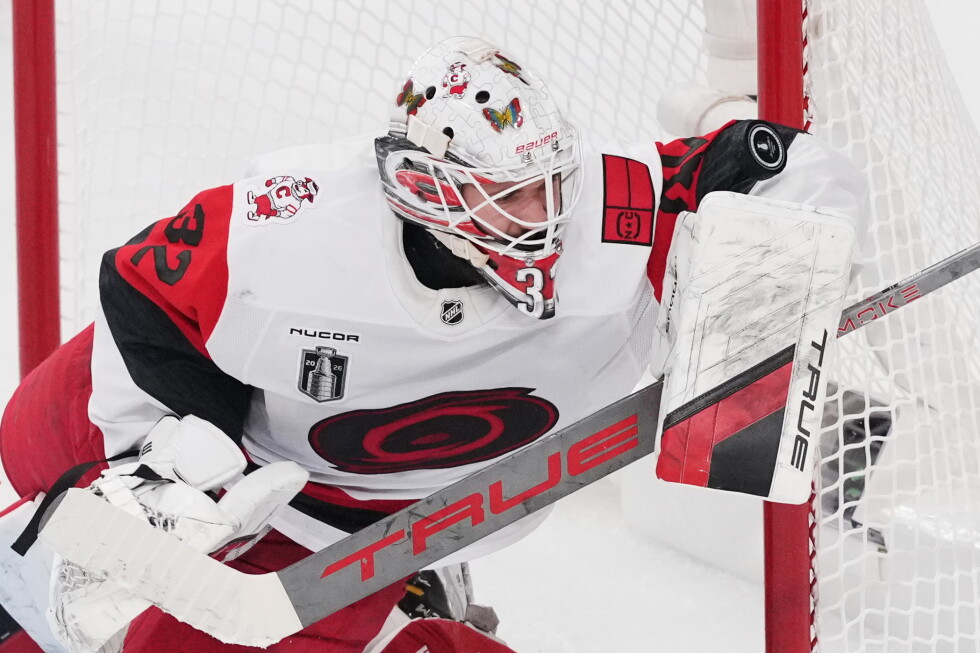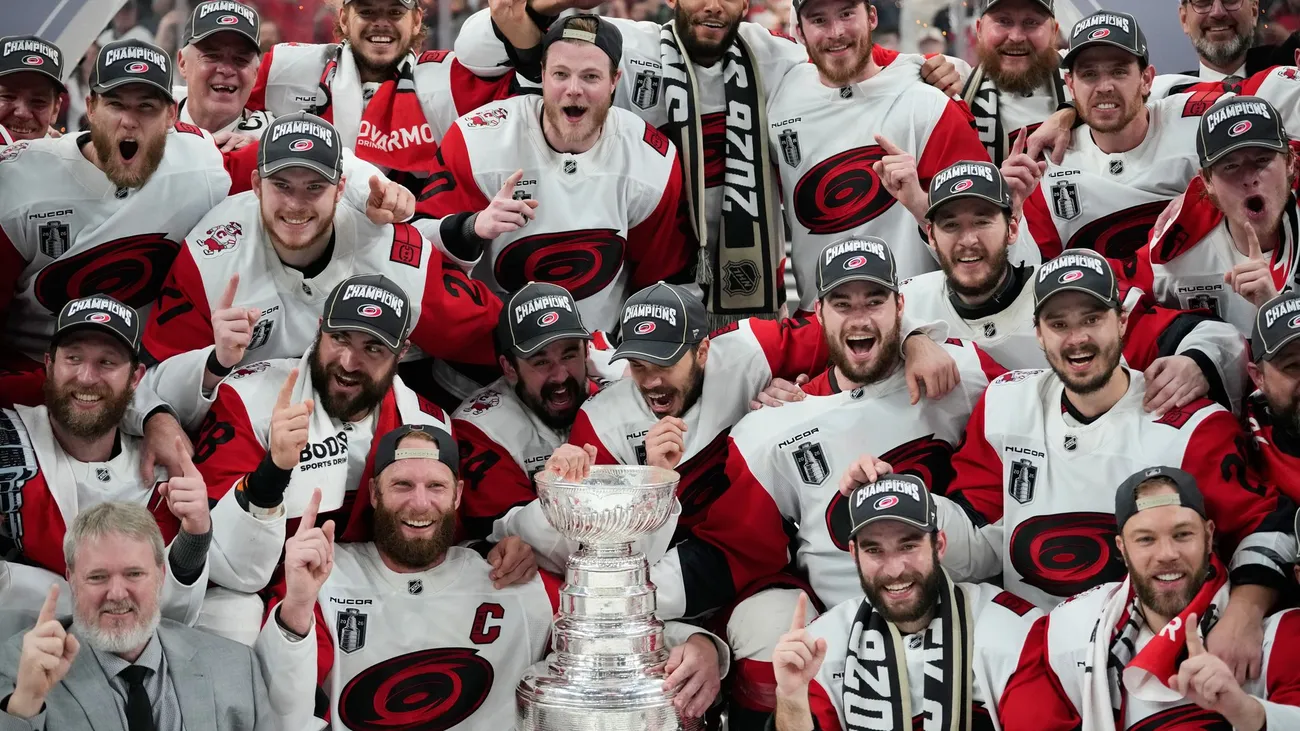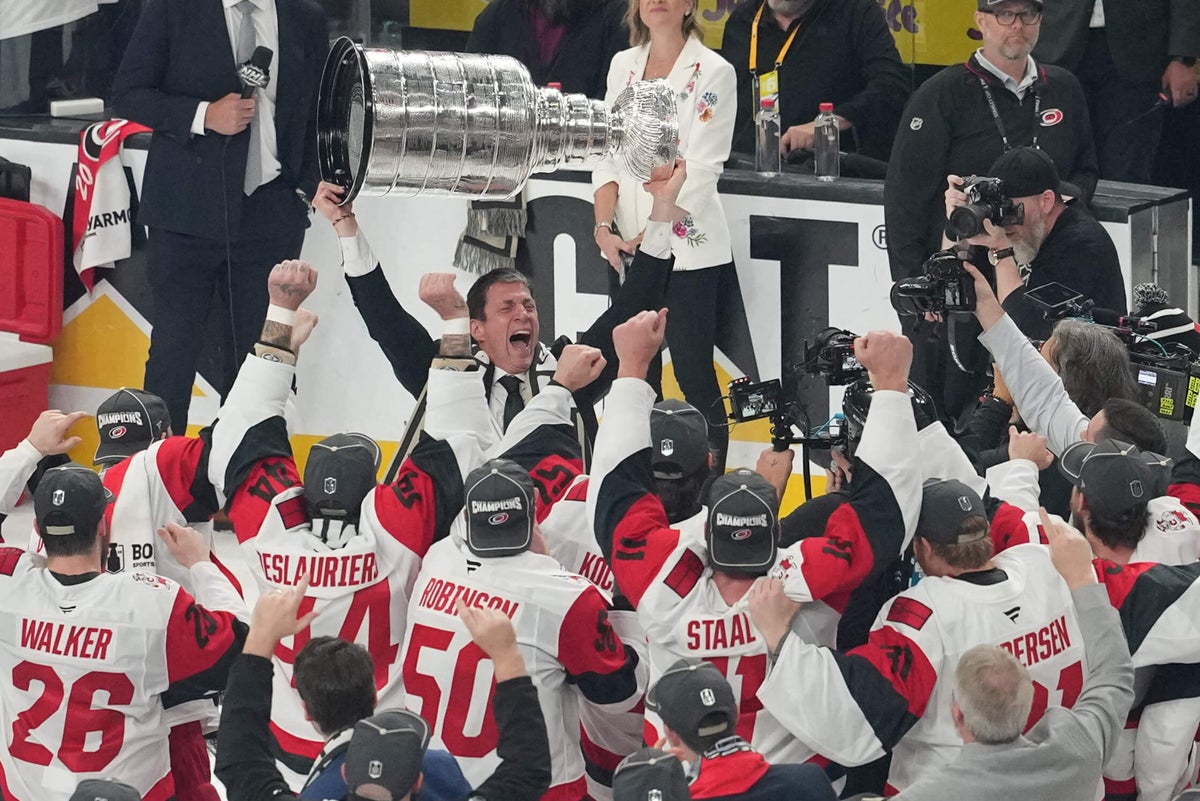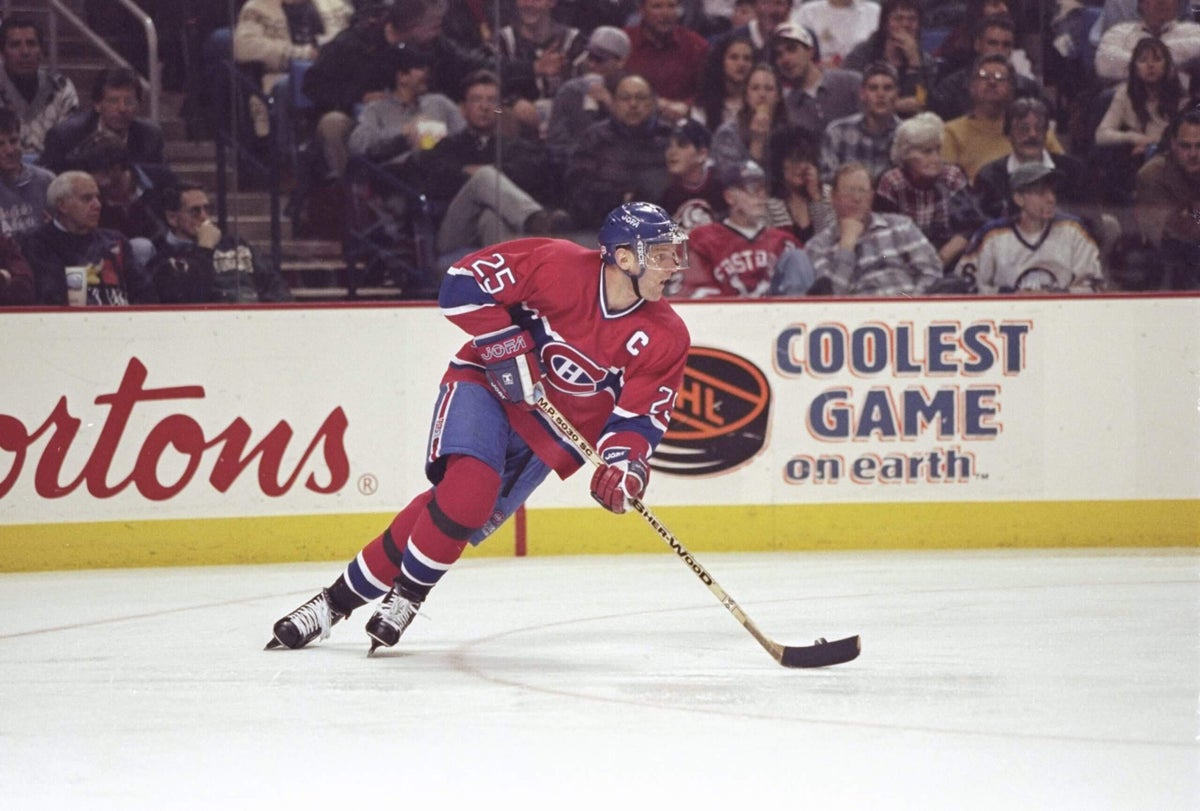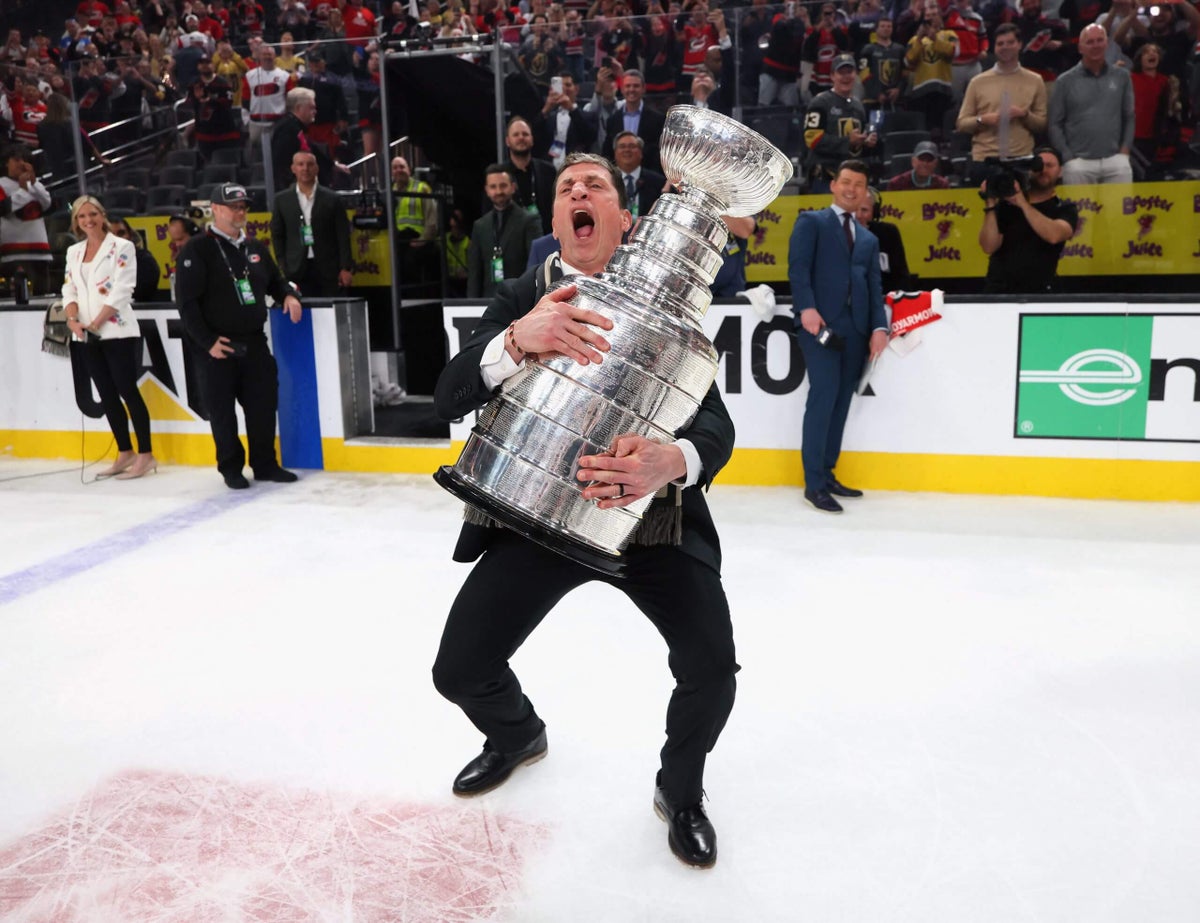
Rod Brind’Amour’s story is unlike anyone else’s in NHL history.A high pick, No. 9 in 1988, he debuts at 18 years old and immediately makes an impact as a hard-nosed, two-way center on some pretty good teams in St. Louis and Philadelphia. But it’s what happened more than a decade later that set Brind’Amour on his path to becoming an incredible folk figure in the league’s modern era.In January 2000, Brind’Amour was dealt in a midseason blockbuster from the Flyers, moving along with goalie prospect Jean-Marc Pelletier and a draft pick to the Carolina Hurricanes for Keith Primeau.At the time, the Hurricanes appeared to still be the old, hapless, recently relocated Hartford Whalers. They were struggling in the standings and the stands, with only 12,000 fans a game coming out to the recently opened rink in Raleigh, N.C. Within two years, however, Brind’Amour had helped lead them to the franchise’s first Stanley Cup Final. Three seasons later, with a 35-year-old Brind’Amour as their grizzled, chiseled captain, they won it all.Rod Brind’Amour is the Canes’ one true superstarMax Bultman and Shayna GoldmanBrind’Amour also twice earned the Selke Trophy as the league’s top defensive forward, in back-to-back seasons late in his career before he retired in 2010. A year later, he stepped behind the Hurricanes bench as an assistant coach. By 2018, he was their head coach, and the legend continued to grow.Now the Hurricanes are on top of the NHL again, 20 years later, with Brind’Amour once more front and center hoisting the Stanley Cup.The last time someone steered the same NHL franchise to championships as both a captain and a coach was Toe Blake, the Montreal Canadiens legend, in 1956. It’s not a path anyone walks in the modern game, and certainly not with the type of unbroken, all-in commitment Brind’Amour has shown to the same franchise for nearly 30 years.Which brings us to his case for the Hockey Hall of Fame, a topic perhaps being debated by its selection committee right now in advance of Monday’s announcement of the class of 2026. Based on the above introduction, Brind’Amour might feel like a no-brainer inductee. But his situation is actually fairly complicated, in part because of how the Hall of Fame elects candidates.Brind’Amour has been eligible for the Hall since 2013, three years after he retired from playing, but his absence hasn’t really been considered a big snub, especially with others out there waiting their turn — like Alexander Mogilny, who was finally inducted last year. In fact, most of the statistical analysis you’ll see on Brind’Amour’s candidacy as a player actually serves to explain why he shouldn’t get in: see here and here.Brind’Amour played in only one NHL All-Star Game, received Hart Trophy votes in only one season (2005-06, finishing 10th), and hit the 80-point mark just four times. Despite playing 1,484 games, which sits 29th all-time, he’s 66th in goals (452) and 57th in points (1,184), behind players like Pat Verbeek, Bernie Nicholls and Theo Fleury, among others, who aren’t getting in.
Rod Brind’Amour belongs in the Hockey Hall of Fame. Is it finally the Canes coach’s year?
A former two-way force for Carolina now leading from behind the bench, Brind'Amour makes a strong case for inclusion. But in what category?
1,240 words~6 min read