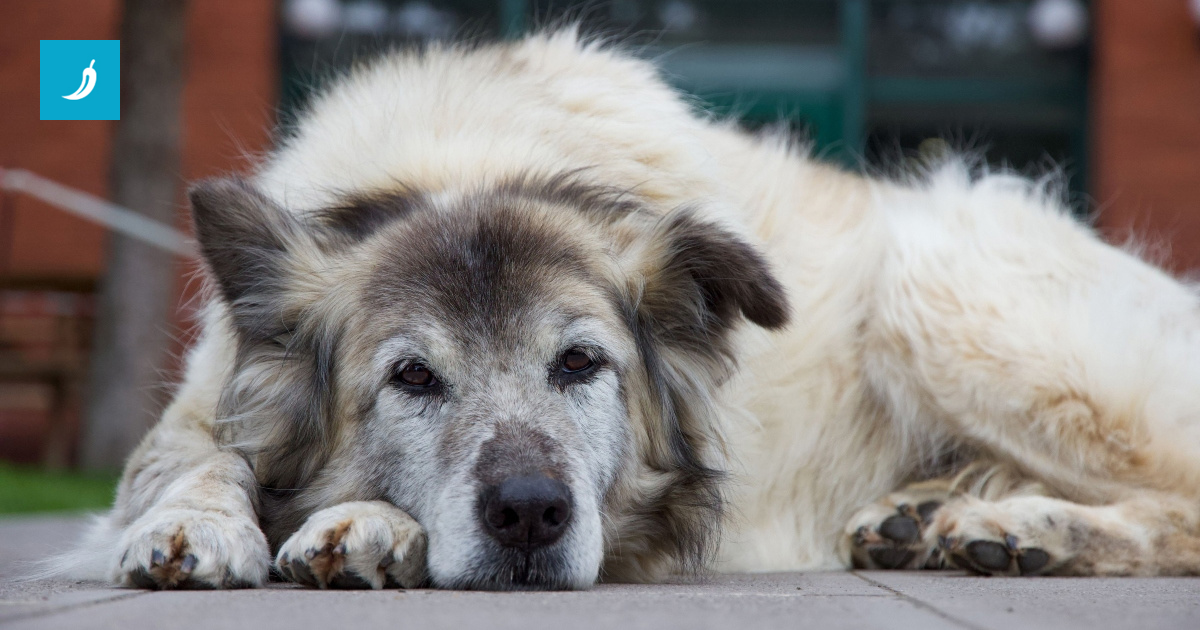
Cognitive Dysfunction Syndrome (CDS) in dogs is often referred to as "doggy dementia" and can be a heartbreaking diagnosis11:03, 17 Jun 2026One of the initial warning signs of "doggy dementia" is a disoriented pet. Dr Charlotte Rice, in-house vet at pet supplement brand YuMOVE, points out that Cognitive Dysfunction Syndrome (CDS) in dogs, similar to dementia in humans, is far more prevalent than most owners appreciate.The vet explained: "If your dog seems disoriented, it could be a warning sign." This might appear as the dog looking "lost or confused in familiar settings".If you spot this in your dog's behaviour, it shouldn't be dismissed. Another key behavioural transformation to monitor is heightened irritability or a change in how your dog engages with people and other animals."If your dog starts to interact in different ways than usual, such as being more snappy or nervous, this could be a sign of [doggy dementia]," said Dr Rice.A previously loving and calm dog might become detached, excessively reactive, or even anxious in situations where they were once comfortable.Cognitive Dysfunction Syndrome (CDS) can transform how dogs interpret their surroundings, resulting in surprising behavioural changes that can puzzle or distress their owners.Careful observation of your pet's body language is essential to identifying these subtle yet significant changes.Anxiety is another revealing indicator, especially if your dog starts appearing restless in circumstances that were once familiar.Pacing, whining, or shying away from physical touch can indicate they're feeling more exposed and susceptible to external triggers. "Dogs with 'dementia' can be more sensitive to different sights and sounds, which can make them feel stressed," says Dr Rice.Should your dog display signs of anxiety with no apparent cause, it's advisable to seek out a vet.Additional warning signs include memory loss, disturbed sleep patterns, and unexplained shifts in everyday activity levels.Dogs may lose previously mastered training, such as toilet habits or responding to basic commands. "If your well-house-trained dog is starting to 'go' in the house, please speak to your vet," advised Dr Rice.Sleepless nights, purposeless roaming, and vacant staring are all frequently observed in dogs suffering from the condition.Article continues belowAlthough there is no cure, Dr Rice urged pet owners to remain patient and compassionate."Be loving and understanding with your furry friend — and kind to yourself too," she said.Six signs of doggy dementiaAppears lost or confused in familiar settingsBecomes snappy or interacts differentlySeems anxiousMemory lossSleeping more (or changes to their sleep pattern)Your dog’s activity patterns are changing
Vet explains 6 signs your dog could have dementia and when to get help
Cognitive Dysfunction Syndrome (CDS) in dogs is often referred to as "doggy dementia" and can be a heartbreaking diagnosis
406 words~2 min read