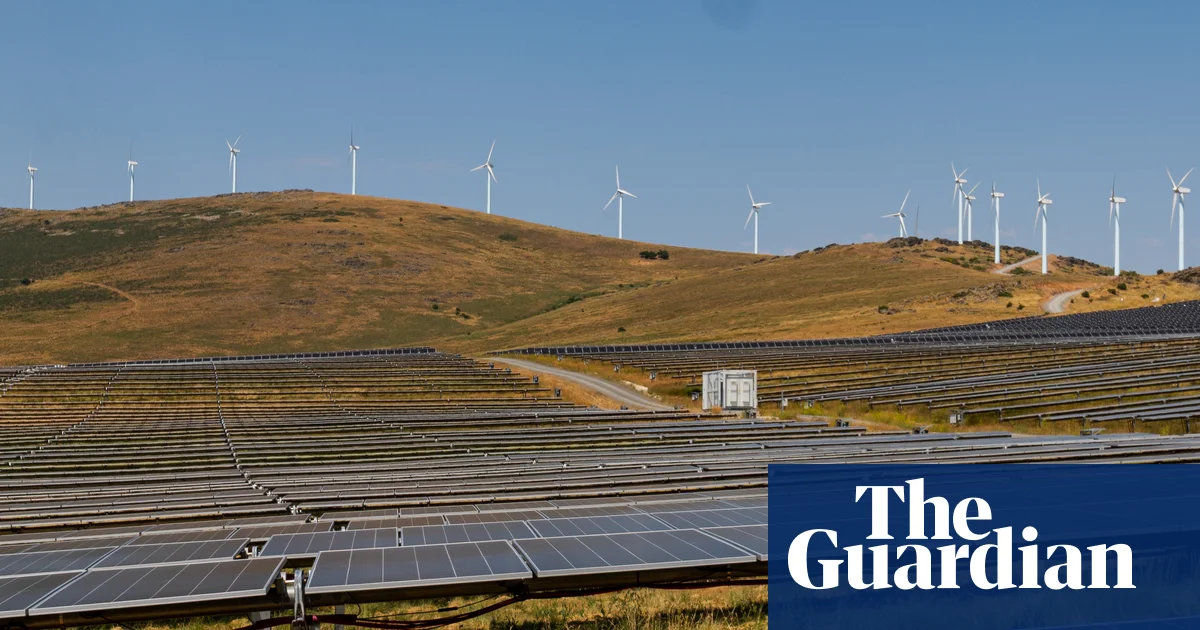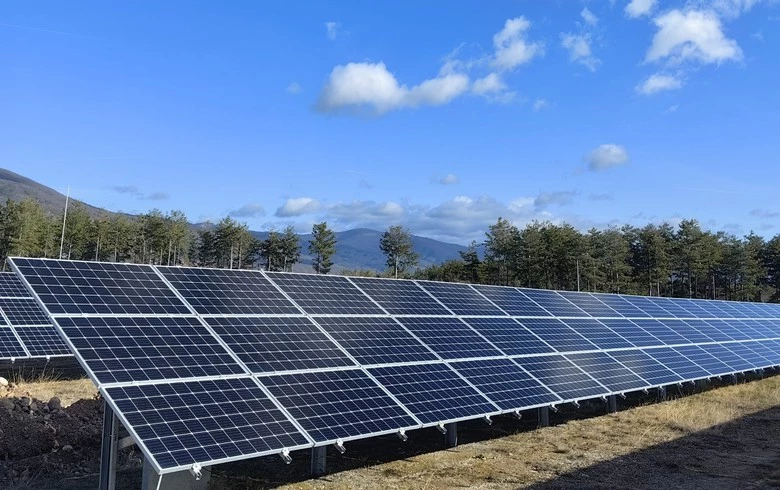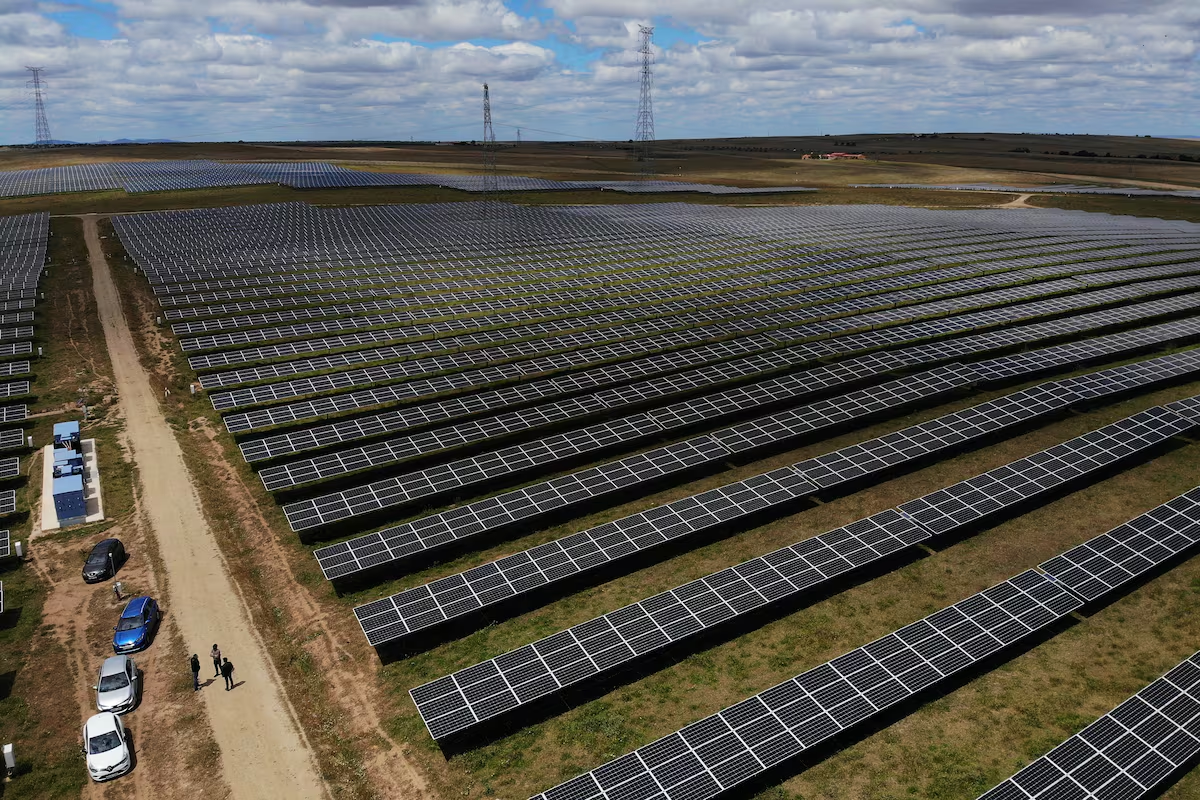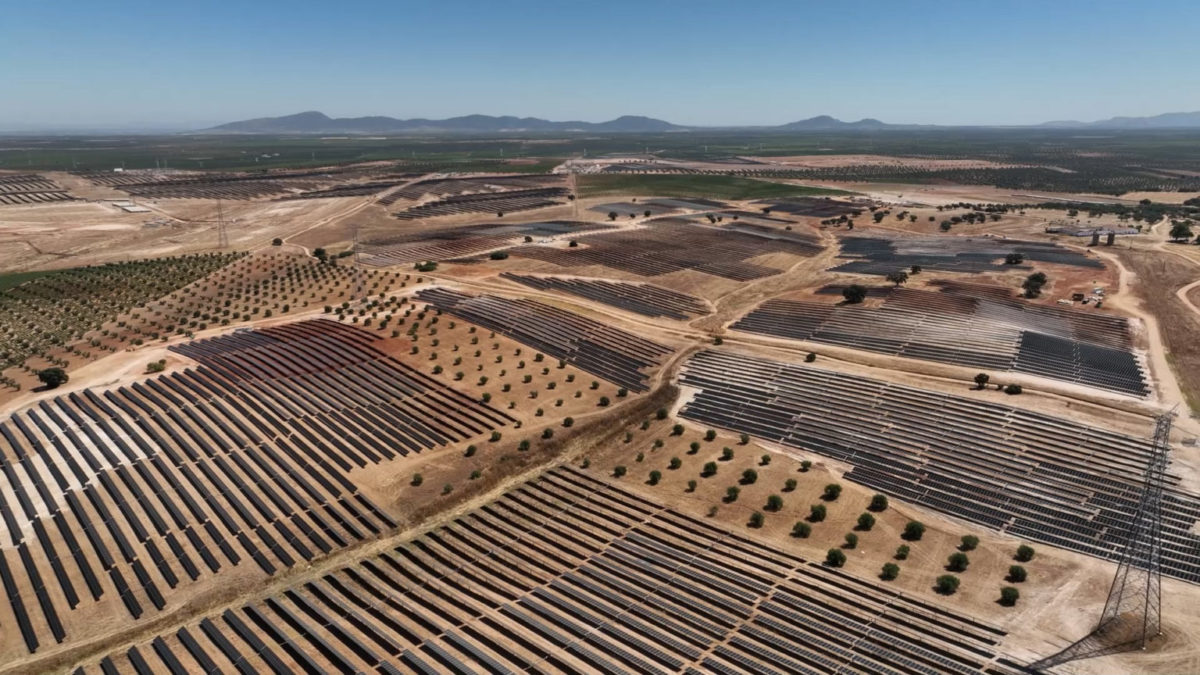
Spain faces a surge in negative electricity prices driven by rapid solar growth outpacing short-term demand, exposing vulnerabilities in merchant renewable projects. Spanish PV association UNEF argues the imbalance is temporary, as new electricity-intensive demand is expected to materialize within 3–5 years.
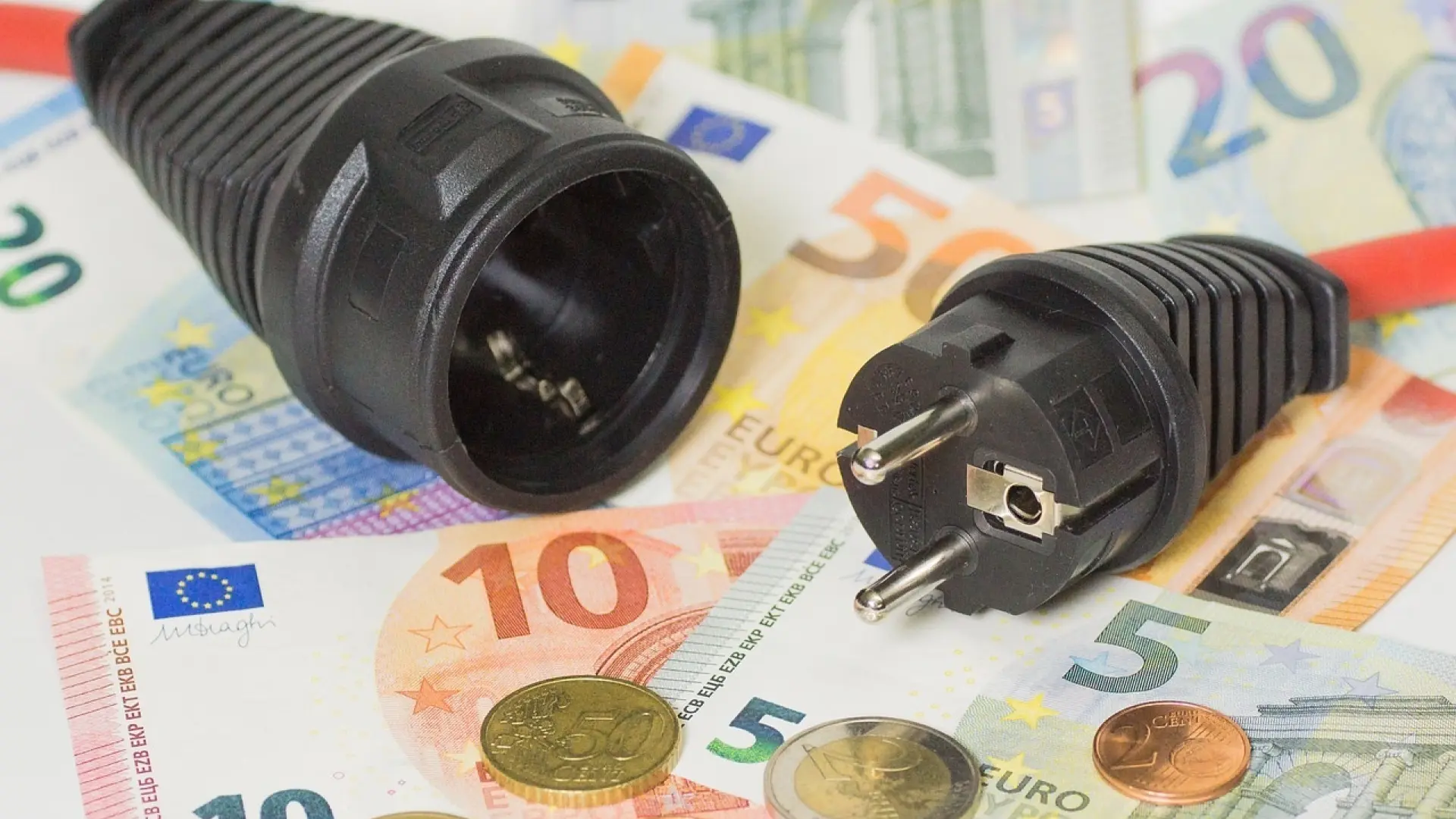
Spain recorded 397 hours of negative prices between January and March, a figure far exceeding the 48 hours logged in the same period in 2025 and approaching that year’s annual total of 555 hours. The surge in solar generation amid stagnant demand was the main driver of this trend, particularly during midday hours. A clear example occurred on February 21, when prices fell to -€58.60 (-$67.99)/MWh between 12:00 and 12:45 CET, coinciding with solar generation of 15.6 GW and demand of 24.6 GW. Without corrective measures, Spain’s progress in renewables could slow, as generators are forced to curtail output, accept negative pricing, or in some cases pay to feed electricity into the grid to avoid the technical costs of shutting down plants.
The situation is rooted in the design of the electricity market. The marginal pricing system sets the price for all electricity based on the cost of the last technology required to meet demand. Renewable technologies, however, have a distinct characteristic: once the initial investment is made, their marginal cost of production is close to zero.