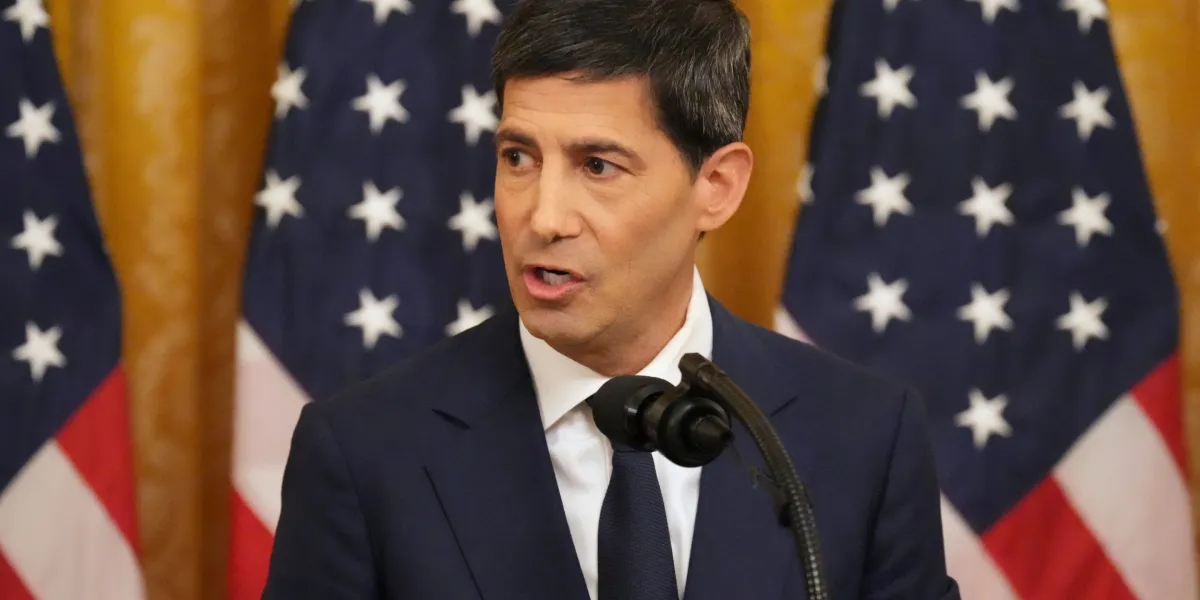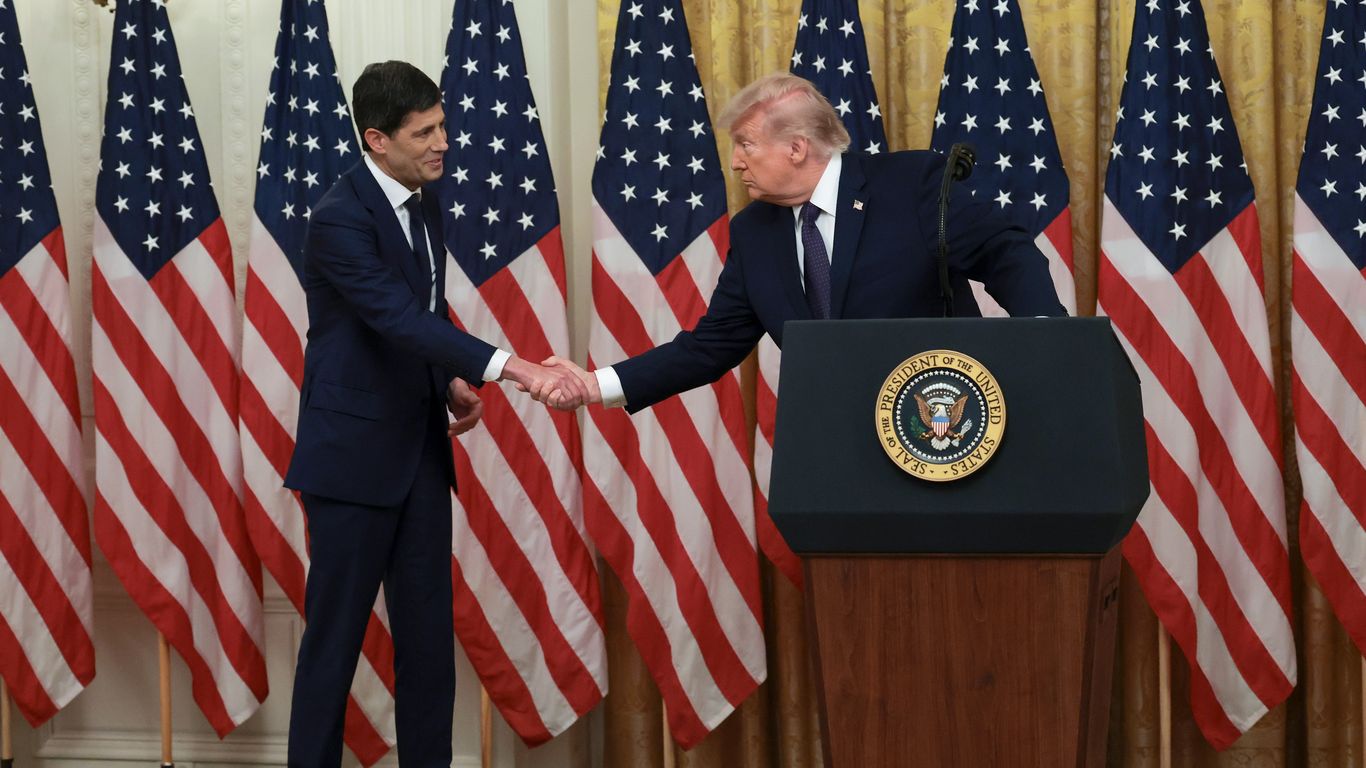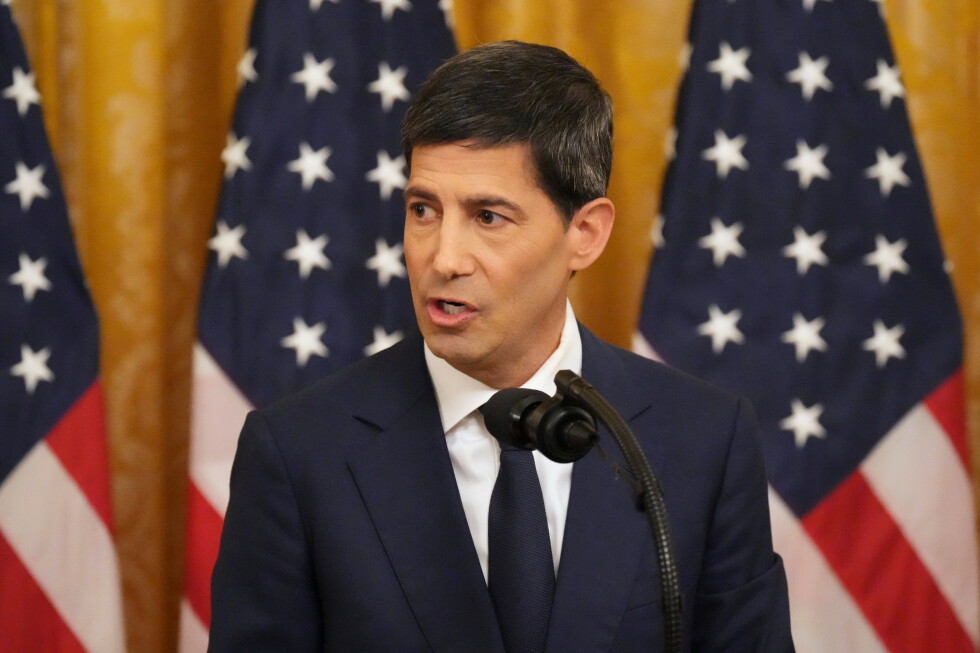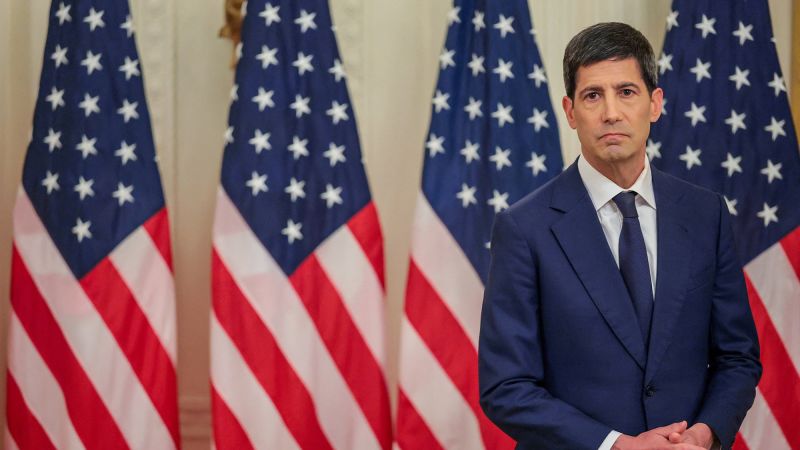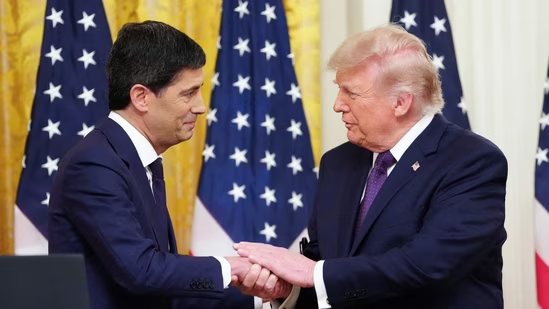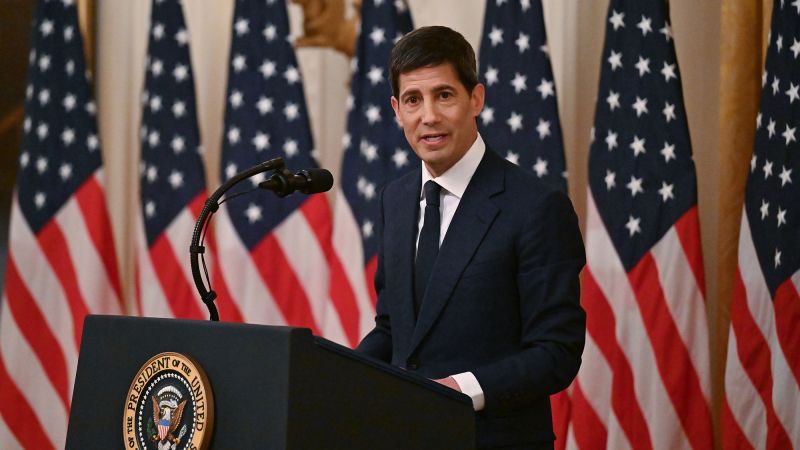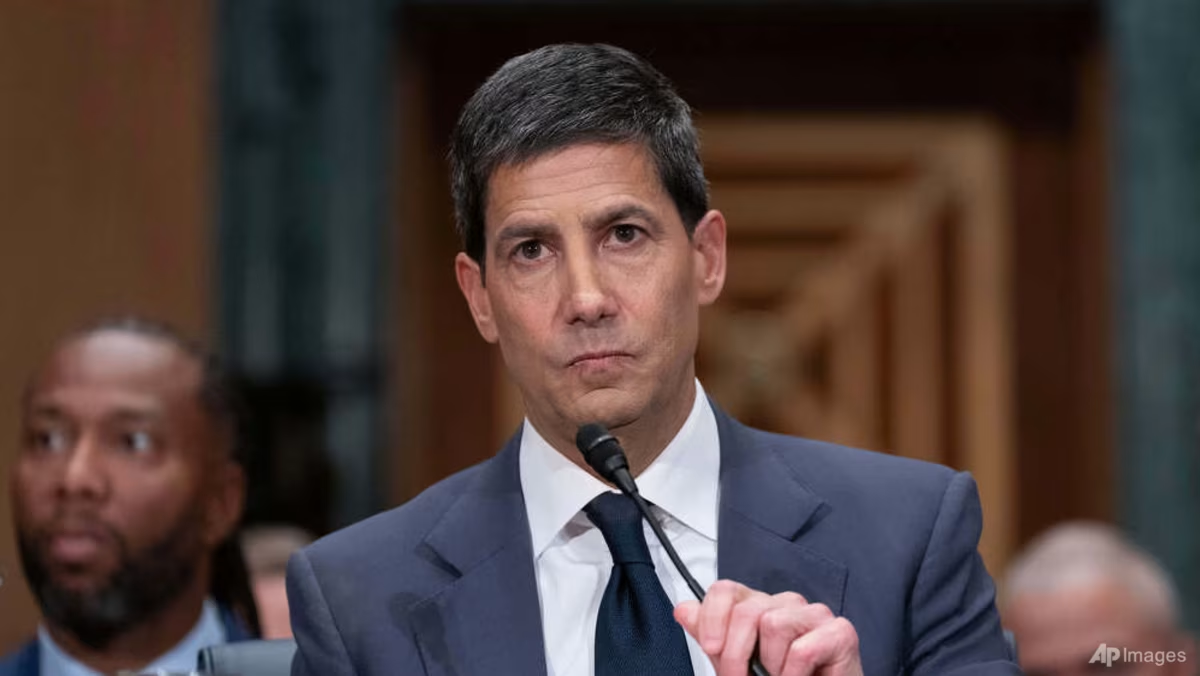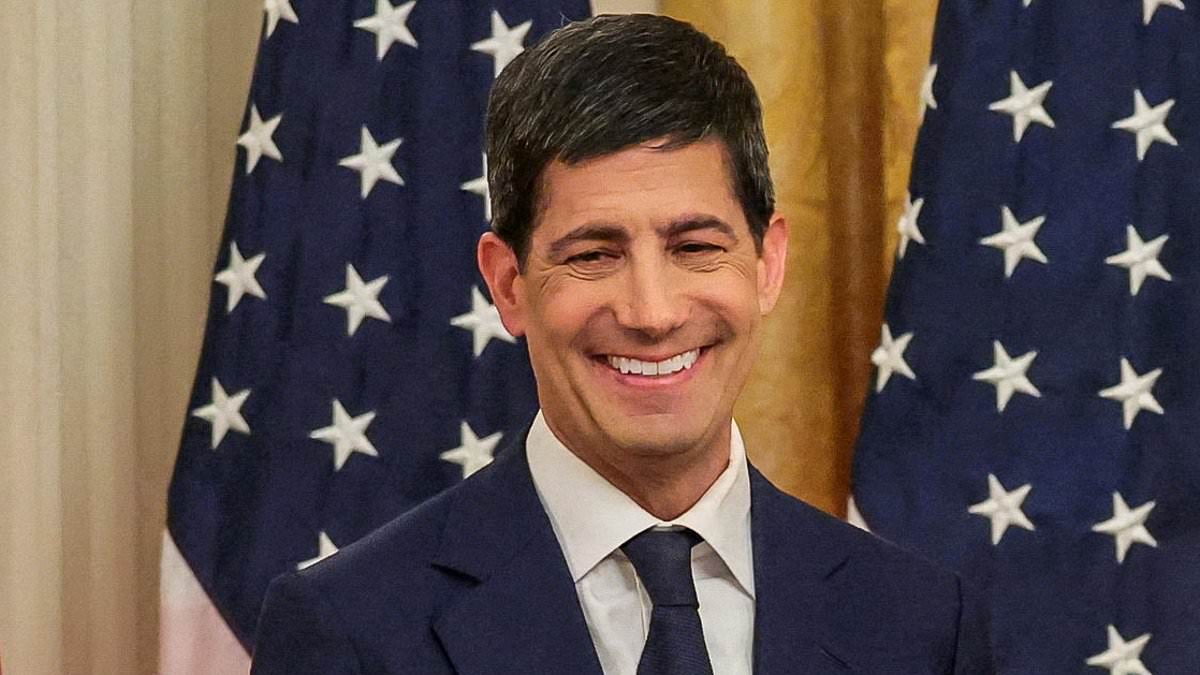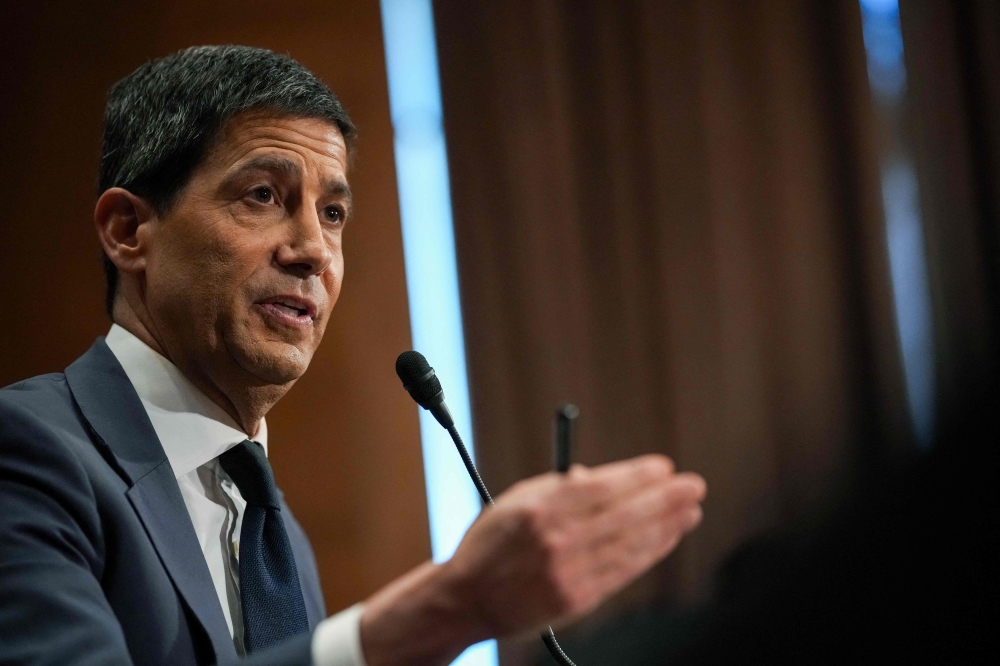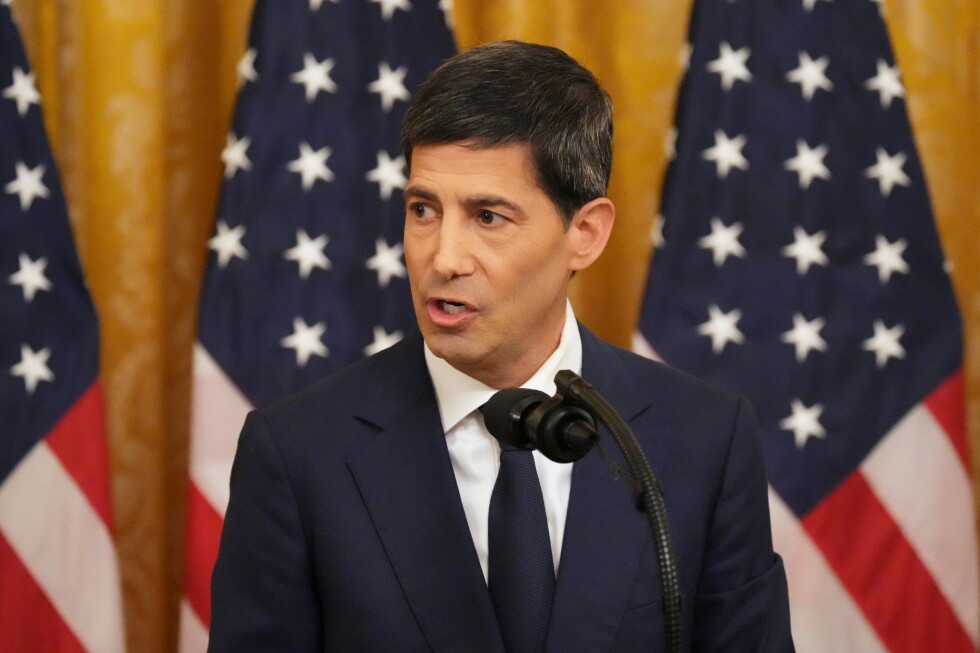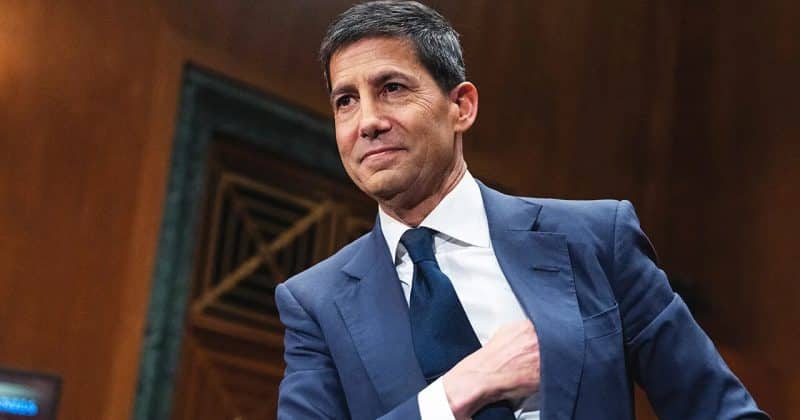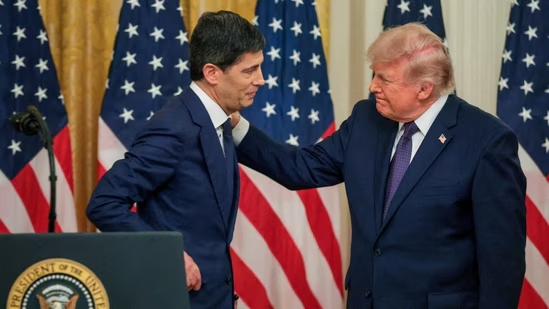
Kevin Warsh walks into his first meeting as Federal Reserve chairman this week in an awkward spot. He argued last year for interest-rate cuts and was chosen to deliver them. But the conversation at the Fed has shifted the other way—toward raising rates, not cutting them.President Trump congratulates Federal Reserve Chairman Kevin Warsh after he was sworn in last month.When President Trump picked Warsh in January, the Fed looked headed for lower rates—and the cheaper mortgages and loans that come with them. Investors expected several cuts this year, on top of three in late 2025, thanks in part to a wobbly job market that left officials worried that high rates were doing more harm than good. Inflation, meanwhile, looked like it might resume a decline toward the Fed’s 2% goal once the effects of tariffs faded.Four months later, almost none of that holds. Hiring has picked back up, and inflation is climbing instead of cooling. It’s now running above 3%.The forces behind the turn weren’t the ones the Fed had braced for. The AI build-out, once expected to tame inflation by lifting productivity, instead looks like a source of it—straining supplies of chips, electricity and the materials to build data centers in a way that smacks of a boom rather than a slump. Soaring tech stocks are adding fuel, leaving investors feeling flush and spending freely.And the war Trump launched in Iran sent gasoline and commodity prices higher. A deal to reopen the Strait of Hormuz will ease pressures, but slowly, and the economy that emerges won’t be the one that existed before the war. The case for cuts has gone with it.On Wednesday, the Fed is widely expected to hold its benchmark rate steady, between 3.5% and 3.75%. The turn will instead show up in two things the Fed’s rate-setting committee is expected to produce. The first is the wording of its statement. For months, it has carried a quiet signal—an “easing bias”—that the next move on rates was more likely to be down than up. That language is expected to come out, an acknowledgment that a cut is now no likelier than a hike.The second is the quarterly grid of rate projections that officials submit, the “dot plot,” which in March showed a dozen of them projecting at least one cut this year. This time, a majority are expected to show an extended hold through year-end, and the question is how many will pencil in an increase.Warsh has long criticized the Fed’s reliance on “forward guidance,” including tools like the dot plot. He could deflate the exercise by declining to submit a projection of his own and could strip such hints from the official statement. Either way, he could cast the changes not as a turn toward higher rates, but as housekeeping for a Fed that he wants to talk less.The distinction matters less to investors, who will read the substance either way, than to a president who wants lower rates.The officials around the table are usually sorted into “doves,” more worried about the job market and inclined to cut, and “hawks,” more worried about inflation and inclined to hike. The story of the past few months is doves turning into something closer to hawks.The doves have turnedNo one embodies how the ground has shifted under the committee more than Fed governor Christopher Waller. He spent last year worried the job market was the bigger risk and voted, against most of his colleagues, to cut rates in January.The recent data, he said last month, “just turned me the other way.” Now he is ready to drop the easing bias.While he thinks policy is still restrictive and oil prices could fall, he said he “can no longer rule out rate hikes further down the road.” Of cutting by September, he was blunt: “You can’t be serious as a central banker and talk about that.”The center gives wayIf Waller shows how far the doves have moved, Lisa Cook shows how the center has, too. The Fed governor, no hawk, said last month that holding rates steady was still the right call and that her baseline remained for inflation to ease on its own.She added a condition, however, that would have been unusual to hear from her a year ago. She said she is “prepared to raise rates” if that disinflation “does not appear in a timely manner.” The concern, after five years of above-target inflation, is that it gets baked into how businesses and workers set prices and wages.The hawks pressThe committee’s hawks were here first. Some of them dissented against the rate cuts the Fed made late last year, warning that the case for easing was already thin. In April, they pushed again. Cleveland’s Beth Hammack, Dallas’s Lorie Logan and Minneapolis’s Neel Kashkari voted against the Fed’s official statement, not because they opposed holding rates steady—but because the statement still hinted that the next move was more likely to be a cut. They wanted that hint gone, a signal that an increase was now just as possible.The data have since moved further their way. They are no longer just resisting cuts but talking openly about hikes. Hammack this month said that for now it is reasonable to hold, “but if recent trends continue, it may soon be appropriate to act.” Logan went further. “I am increasingly concerned that higher interest rates could be necessary later this year,” she said.Underlying their case is an argument that policy may not be holding the economy back as much as anticipated. As inflation has risen this year, the inflation-adjusted or “real” interest rate has fallen, leaving the Fed less restrictive. If that is the case, simply holding rates steady can itself be a form of easing.The concern runs across the committee, and a steady job market has freed officials to train their attention on the side of the Fed’s dual mandate that isn’t behaving. “Right now we have a pretty significant inflation problem developing, but the job market has been mostly stable,” Chicago Fed President Austan Goolsbee said last month.The result: There is almost no one left on the committee arguing for a cut. All of which leaves Warsh presiding, at his first meeting, over the loudest signal in years that the Fed’s next move could be up—through a forecasting ritual he has long disdained, issued by a committee he didn’t pick, in a direction the president who appointed him doesn’t want to go.Write to Nick Timiraos at Nick.Timiraos@wsj.com
Trump Picked Warsh to Cut Rates. His Committee Is Talking About Hikes.
Kevin Warsh walks into his first meeting this week in an awkward spot. He argued for rate cuts. The conversation at the Fed has shifted the other way. | World News
1,076 words~5 min read