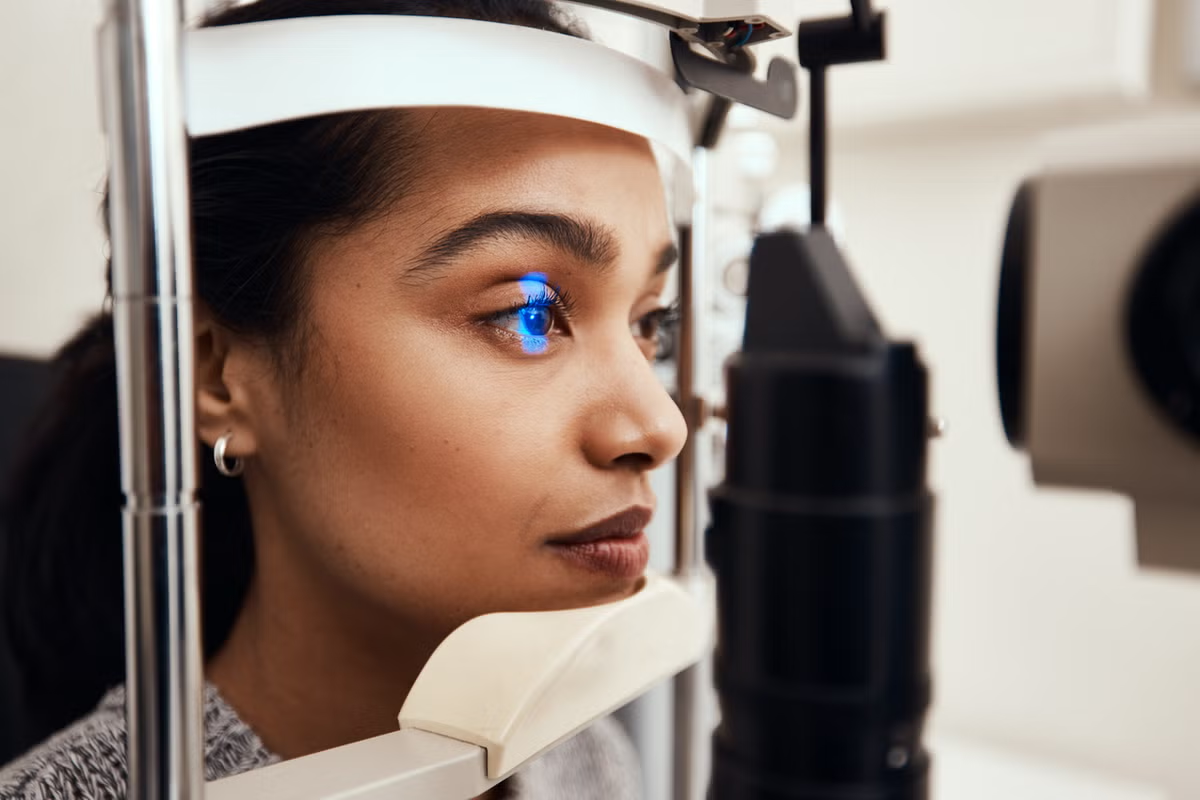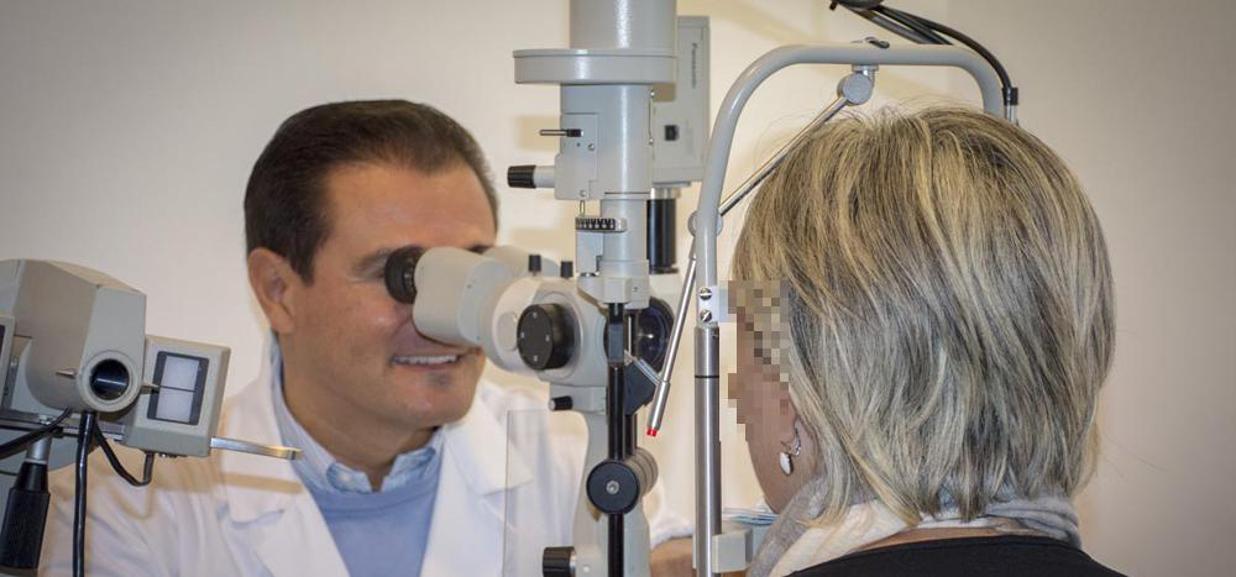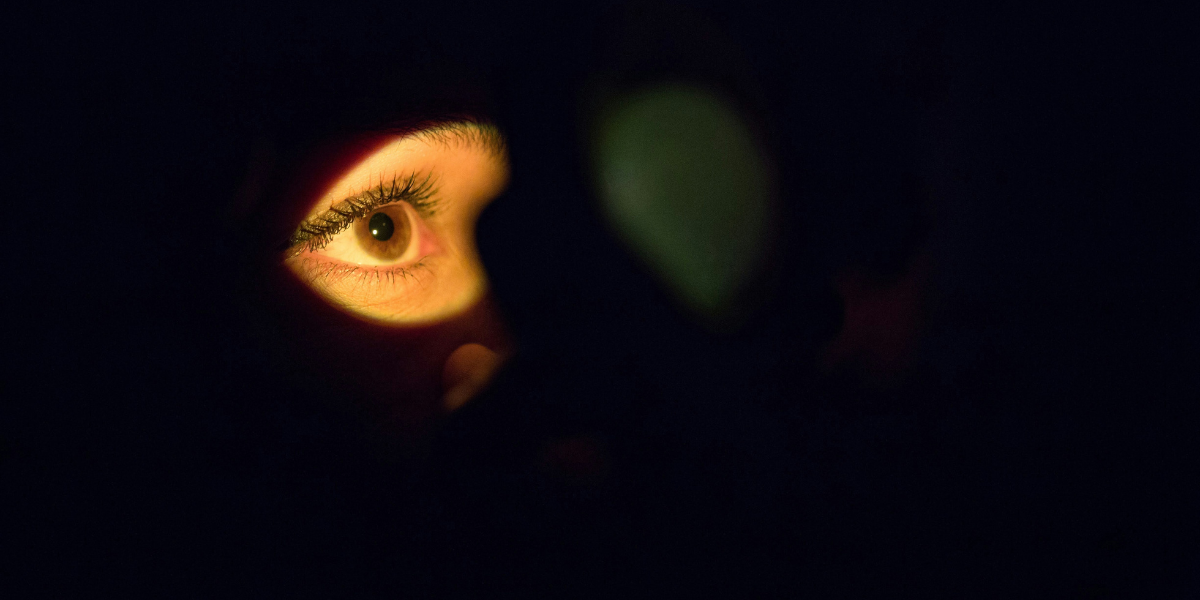
The letter that my eye doctor had sent to the state’s agency included diagnosis and prognosis, and it described my functional limitations: some trouble reading print and computer text, more trouble finding landmarks when walking and identifying obstacles in my path.Article continues after advertisement
By the time the social worker called to schedule her meeting with me, Paul had gone back to California. He and I never did get around to talking about my new legally blind status. I didn’t bring it up. Paul had a lot on his mind as he prepped for his classes and did his research. I could guess how that conversation would have gone. He would have asked me what this new label meant for our life together and how it might impact him. I wouldn’t have had an answer.
All I knew was that my vision had been getting noticeably worse for more than five years. If I hadn’t been avoiding eye doctors for longer than that, I might have been labeled legally blind sooner. I gave up regular ophthalmologist appointments once I became an adult. I’d had enough of that as a child. Growing up, I’d gone to the ophthalmologist four times a year. When I learned how to make graphs, I imagined the results of these quarterly examinations as a downward progression, with plateaus between drop-offs. Sometimes there were steep drops. All the visits resulted in stronger eyeglass prescriptions that helped for a little while, but the overall trajectory never changed.