The inspiration to write a novel or story usually comes to me as a vague inkling that some image, situation, or statement (often a paradox) might open a doorway to a world rich in emotional and philosophical mystery. But in the case of my new novel, We Want So Much to Be Ourselves, inspiration came via something like an ambush. During the summer of 2016, I was driving to an artists’ residency where, after having devoted six years to a 600-page novel, I intended to work exclusively on short fiction.Article continues after advertisement
At some point along the way, I started contemplating story possibilities. Almost instantly, an anecdote popped into my head that had been told to me decades earlier by a dear friend—a German Jew who had been born in Berlin early in the twentieth century. Sometime in the 1930s, while she and her mother were waiting on a dock in Italy to board a ship to Palestine, her mother suddenly declared, “No. I can’t do this! I’m German. I have to go home.” My friend boarded the ship alone, and her mother returned to Berlin, where she met the fate the Nazis had arranged for her.
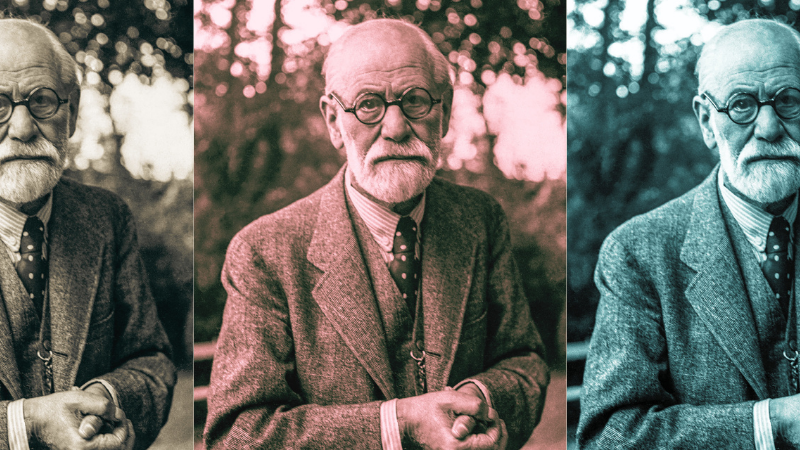
Although hearing that my friend had suffered such an experience moved and shocked me, as a story it was simply too familiar to amount to the evocative and thought-provoking fiction I hoped to write. I might never have given it another thought, had not, only seconds later, two ideas come to me almost simultaneously. The first was that, if I wrote a story based on what my friend had told me, the father of the protagonist would be a psychoanalyst. The second was that whatever the story’s characters believed about themselves would ultimately be revealed as false.