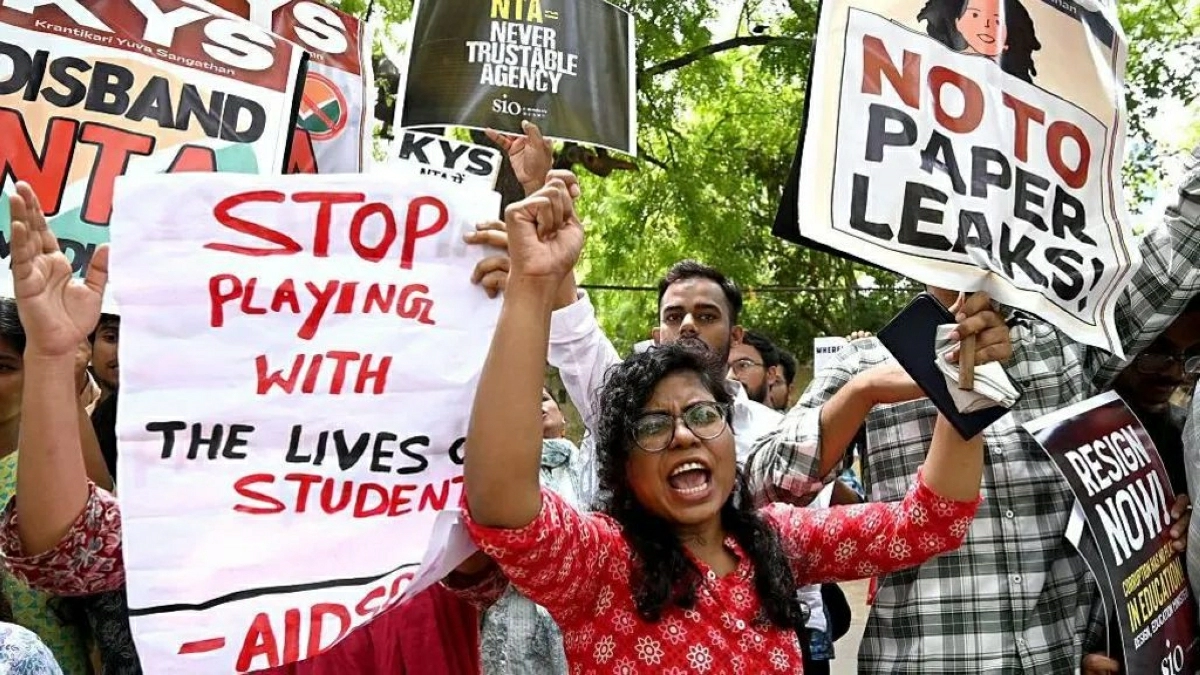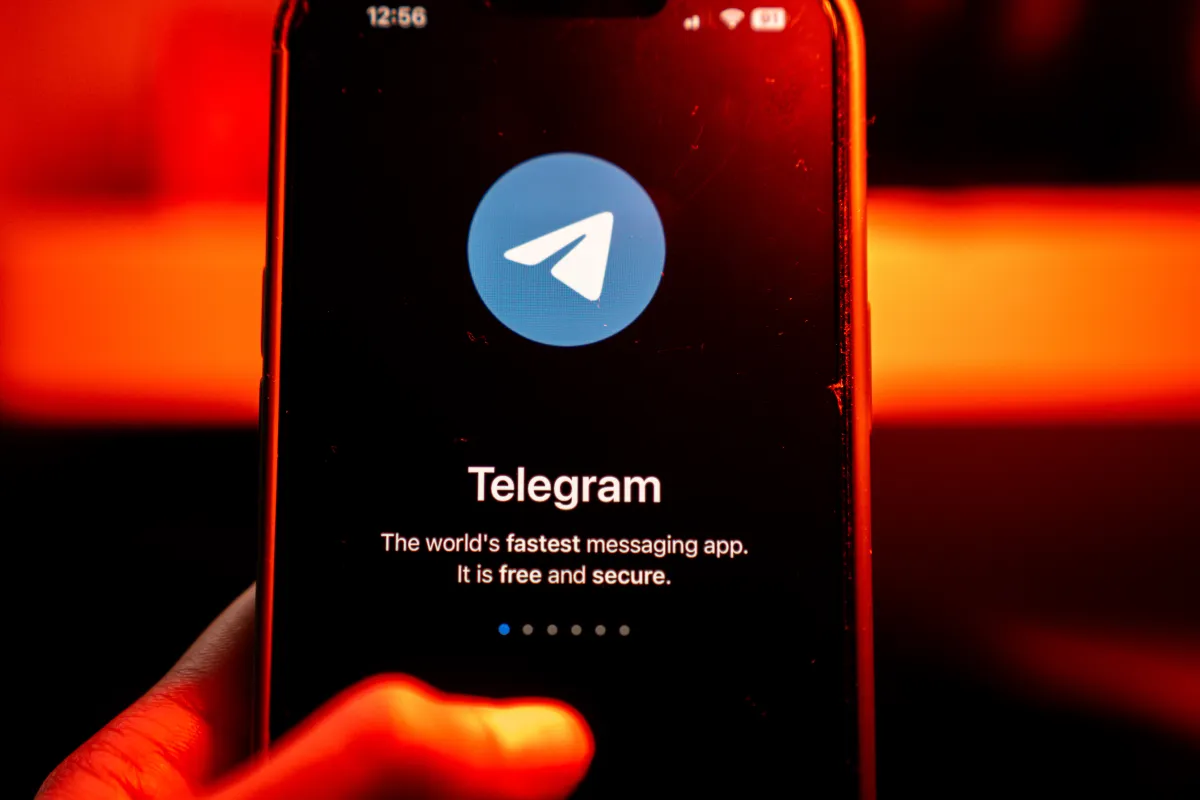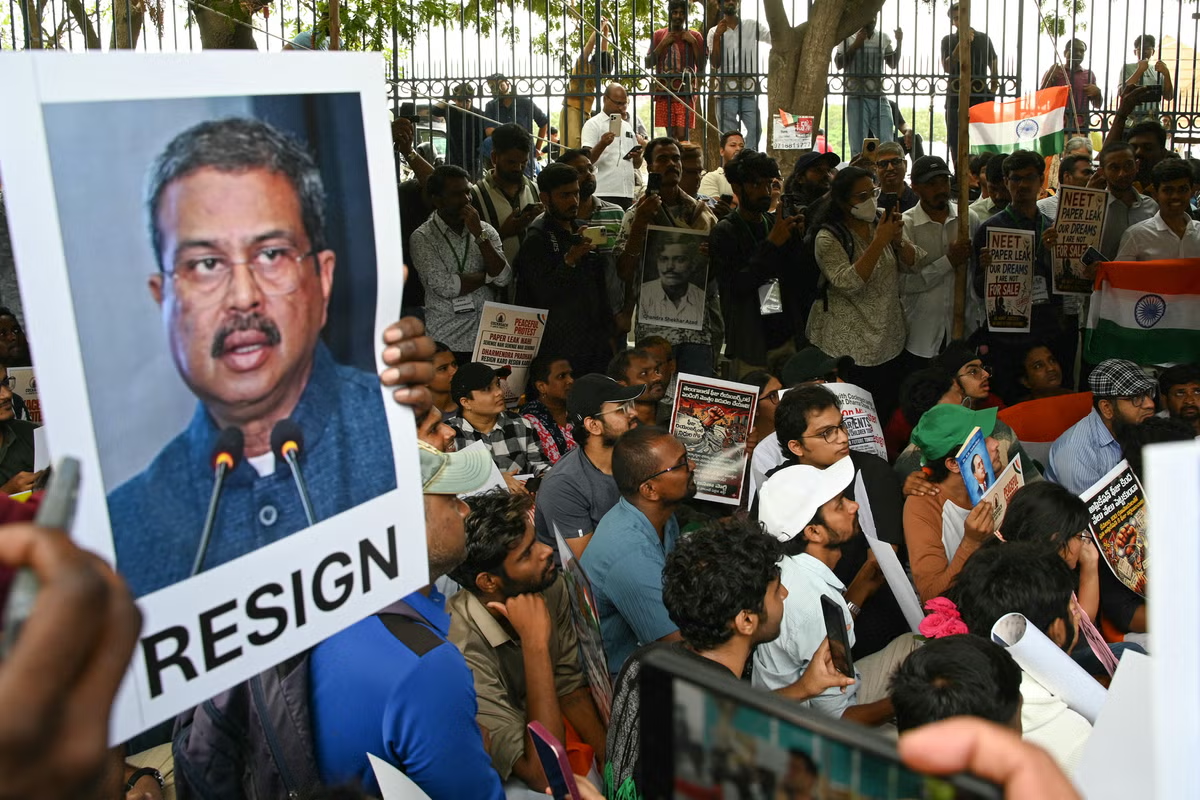
Telegram has taken India’s government to court for imposing a temporary ban on the messaging app ahead of the country’s biggest medical entrance exam.The government on Tuesday announced a ban on Telegram until 22 June, claiming that the social media platform had been used to "defraud” candidates taking the exam. The announcement sparked immediate backlash. Nearly 2.3 million aspiring doctors will retake the National Eligibility Entrance Test on 21 June. The exam was cancelled in May following the leak of the question paper.The cancellation triggered nationwide protests led by the viral Cockroach Janata Party as demands grew for the resignation of education minister Dharmendra Pradhan.While announcing the ban, the government also asked Telegram to disable its message-editing feature in the country until the end of June, claiming that it could be used to fabricate evidence of a paper leak after the exam.The ban was issued under a provision of the information technology law empowering the government to block access to online sites in the "interest of sovereignty and integrity of India".Telegram has now challenged the ban in the Delhi High Court. Its petition will be heard on Wednesday."You should also shut down all the shopping malls since there might be a theft in one of them," Telegram said in response to an X post about the ban. “And close the roads because I heard someone was speeding.”The education ministry said it “regrets the inconvenience caused” by the ban, which would impact millions of Telegram users in the country. However, it defended the measure as a "last resort" to protect the integrity of the exam.It claimed that taking down Telegram channels to safeguard candidates from being defrauded “had not produced" results.The ministry said it was taking a series of measures to conduct a rerun of the entrance test, including the use of Air Force aircraft to transport exam material securely to avoid further leaks. Cockroach Janata Party supporters demand education minister Dharmendra Pradhan’s resignation during a protest against alleged irregularities in major exams (AFP/Getty)India is Telegram’s biggest market with about 150 million users, although WhatsApp is the dominant messaging platform with over 500 million users. Advocates of internet freedom argued that the Narendra Modi government was trying to blame the social media app for its failure to conduct a fair exam.Telegram founder Pavel Durov called the ban a "mistake" and said it hadn’t “stopped anything". "The leaks just moved to other apps," Mr Durov said, adding that the ban was punishing ordinary users in India and "not the insiders who leaked the exam materials"."Over the past few weeks,” he said, “we removed hundreds of channels sharing leaked exam materials and related scams in India."The Internet Freedom Foundation said the ban was a "disproportionate answer to exam fraud". It was "reactive and ineffective", the group said, and punished ordinary users instead of addressing the systemic source of exam leaks. "Also, it is important to consider that the source of exam papers leak will occur from inside the system, among insiders and across the printing and logistics chain, with the platform being the most downstream channel for distribution," it added.Tech analyst Nikhil Pahwa said the ban disproportionately affected businesses that were reliant on Telegram communities to connect with customers. "Now for exams, you're blocking a messaging platform nationwide. The same activity can happen on WhatsApp and Discord. Will you block that too?" he said on X."How is this a reasonable restriction to free speech?" he asked.Mr Durov accused Indian telecom giant Reliance of disrupting access to Telegram for users outside India through a practice known as Border Gateway Protocol hijacking."The sabotage seems intentional, as Reliance has ignored multiple reports,” he claimed. “This may be part of a competitive war, as Reliance is partially owned by Meta – the company behind WhatsApp.” Meta is a minority shareholder in Jio Platforms, the digital and telecommunications arm of billionaire Mukesh Ambani's Reliance Industries.Mr Durov claimed that Telegram traffic was intentionally misrouted, which was affecting users in the UAE as well.Border Gateway Protocol is the internet’s routing system, directing data across networks to services such as Telegram. If a network falsely advertises itself as the best route for that traffic, it can redirect, delay or block data – a problem known as BGP hijacking.This could result in users experiencing outages, failed connections, slower speeds, or loss of access to a service."Such abuse of global Internet routing is alarming. I wouldn’t be surprised if Reliance/WhatsApp were also behind the recent lobbying effort to ban Telegram in India," Mr Durov said.The Independent has reached out to Reliance Industries for comment.
Telegram fights back against India ban over exam leaks
Government claims platform being used to ‘defraud’ candidates taking medical entrance exam this month
761 words~3 min read