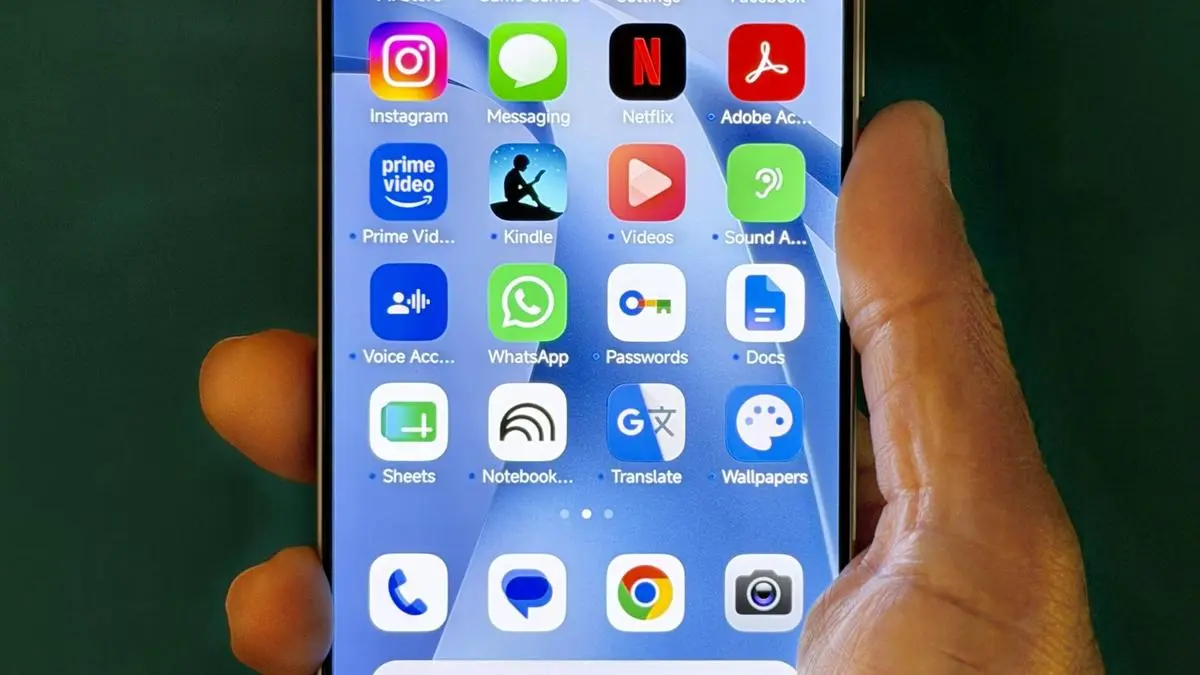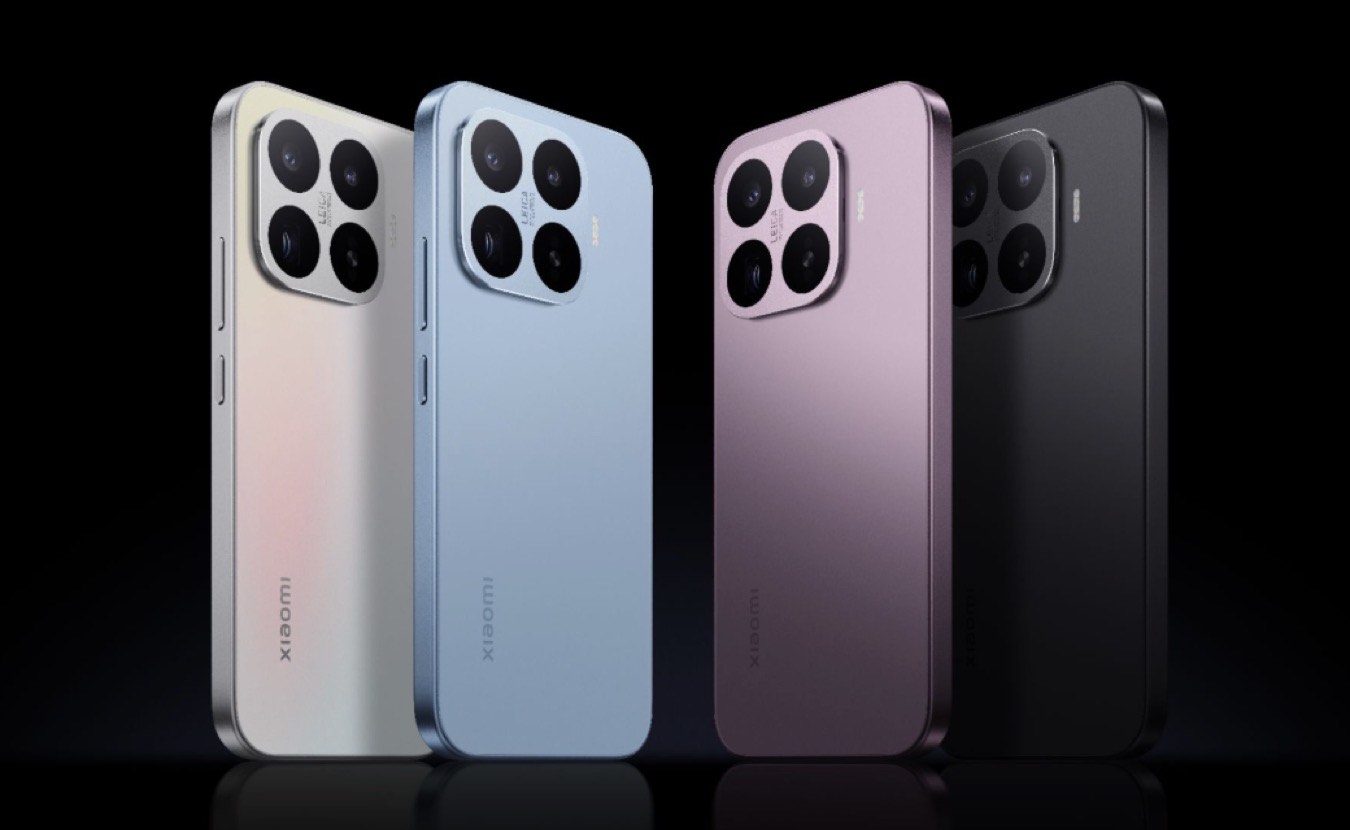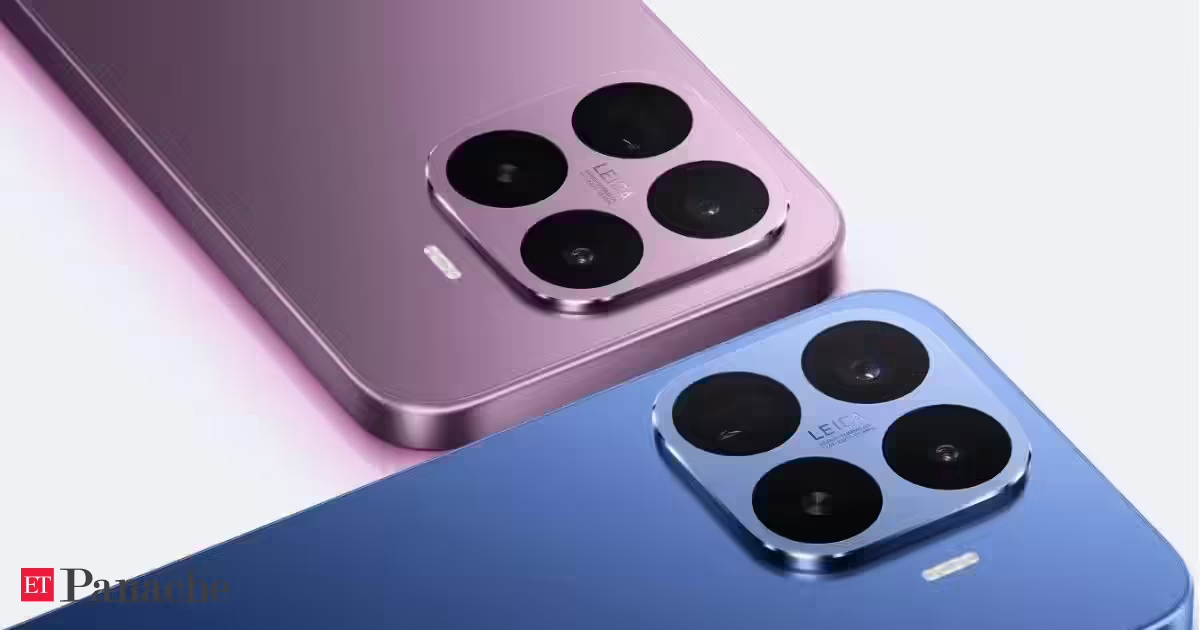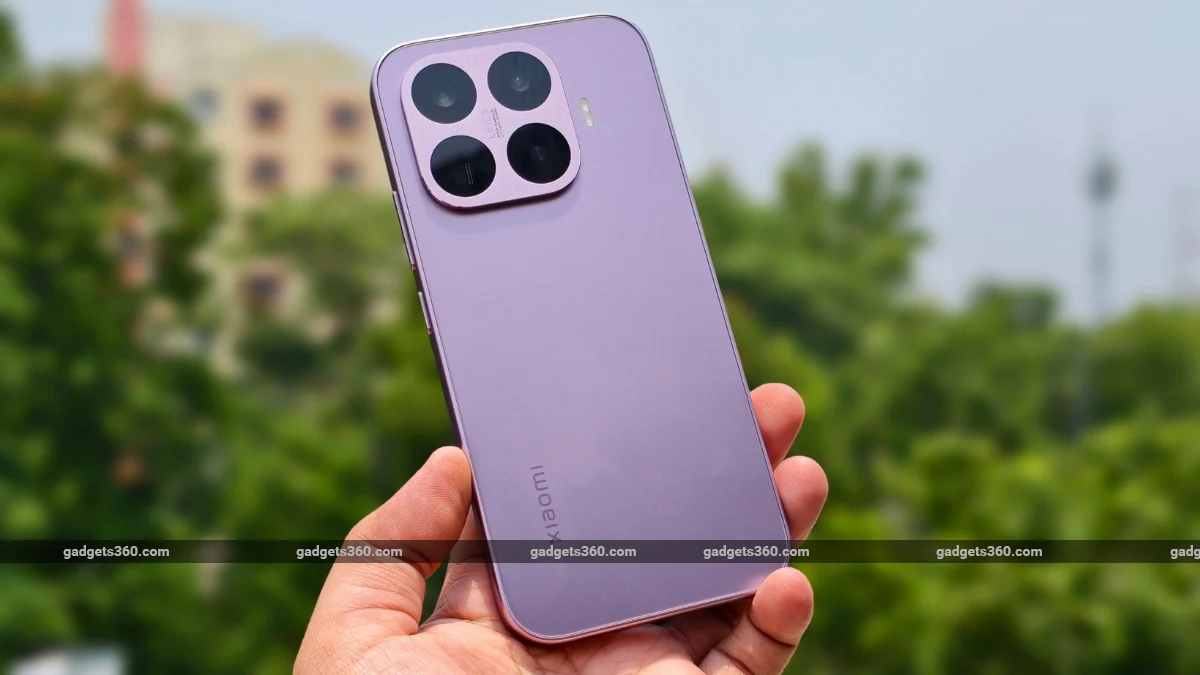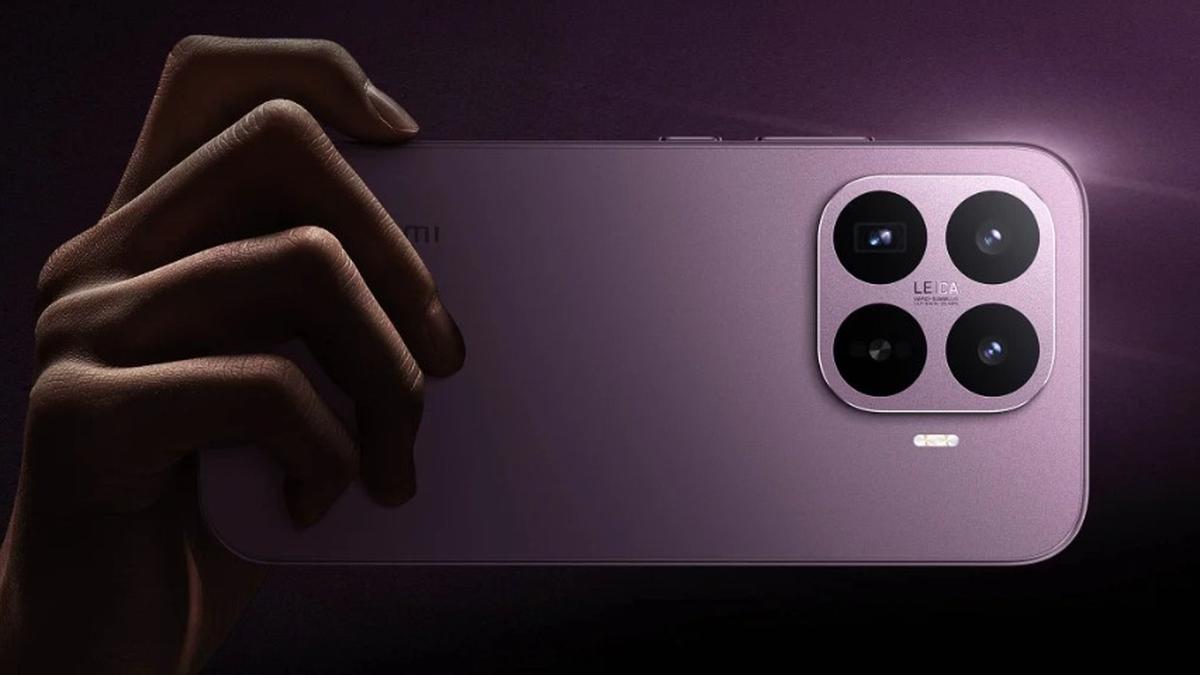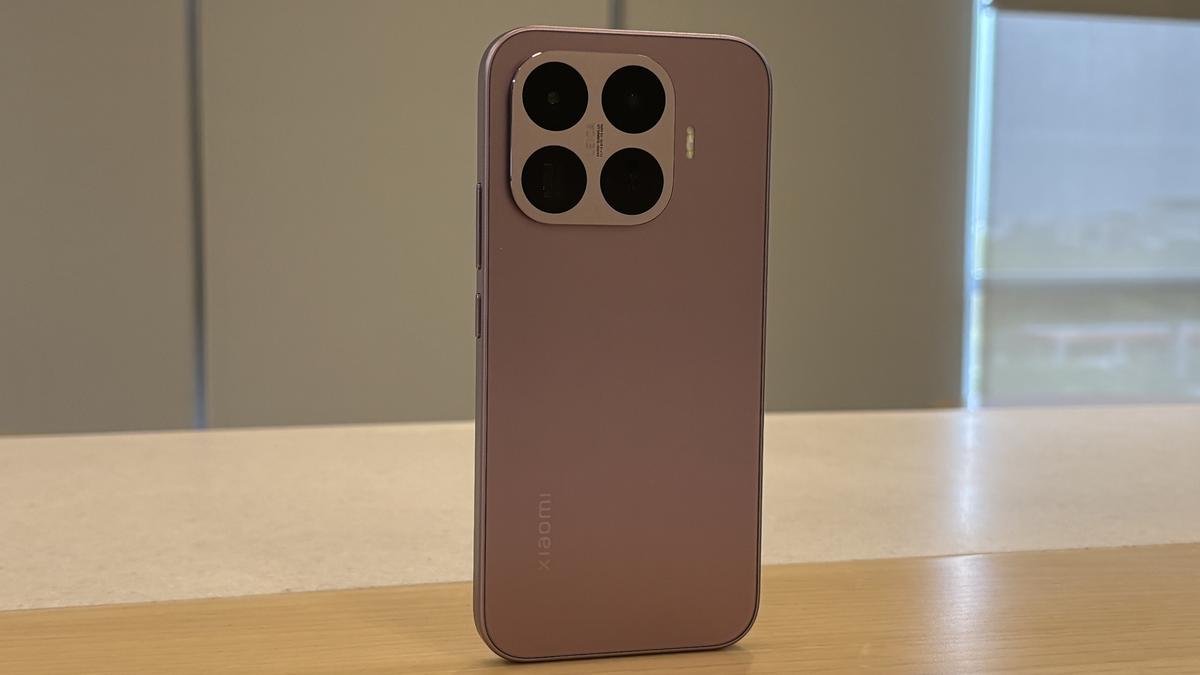
The sub-flagship smartphone segment in India, which earlier had only a few entrants like the “T” and “R” series from OnePlus and the “FE” lineup from Samsung, now includes several new members.Recently, we saw the Vivo X300 FE and the Oppo Find X9s. Today, I have the latest Xiaomi 17T for review. My experience with the Xiaomi 17 Ultra was quite memorable, and naturally, I had similar expectations for its more affordable sibling. So, let’s see whether the Xiaomi 17T lives up to those expectations or not.DesignThe Lavender Violet colour variant that we received for review looks beautiful and immediately grabs your attention. It is not overly flashy, yet has enough character to stand out in a crowd. Compared to the Sunset Orange Oppo Find X9s and the more camera-inspired Vivo X300 FE, Xiaomi’s approach feels cleaner and more understated. The phone retains Xiaomi’s familiar design language with a squircle-shaped camera module carrying the Leica branding at the rear.The Xiaomi 17T features a fibreglass rear panel paired with a plastic frame. While some buyers may prefer aluminium at this price, the phone never feels cheap in hand. The construction remains solid and reassuring. Weighing close to 200 grams, it sits between the compact Vivo X300 FE and the slightly heavier Oppo Find X9s. The flat frame improves grip, though single-handed use is not as comfortable as with the Vivo.The rear camera module protrudes slightly but does not create excessive wobble when placed on a table. Xiaomi has also managed to maintain a balanced weight distribution. The handset carries an IP68 rating for water and dust resistance, making it durable enough for everyday usage. While it misses out on the higher-level water protection found on the Oppo Find X9s, the certification should be sufficient for most users.Ports and buttons are positioned exactly where you would expect. The USB Type-C port, SIM tray, and speaker grille sit at the bottom. The power button and volume controls are located on the right side and offer good tactile feedback. At the front, the Xiaomi 17T has a very open appearance thanks to razor-thin bezels surrounding the display. The centred punch-hole camera and symmetrical layout further enhance the premium look.DisplayThe Xiaomi 17T features a 6.59-inch 12-bit AMOLED display with 1.5K resolution, HDR10+ support, and up to a 120 Hz refresh rate. Xiaomi claims a peak brightness of 3,500 nits, while the display also carries multiple TÜV Rheinland certifications for eye comfort. Colours appear vibrant, blacks are deep, and content consumption remains enjoyable. Whether it is Netflix, YouTube, or social media browsing, the panel consistently delivers a premium viewing experience. The stereo speakers get reasonably loud and complement the multimedia experience well.Against its rivals, the Xiaomi 17T sits comfortably in the middle. The Vivo X300 FE still holds the lead with its LTPO AMOLED technology, dynamic refresh rate, and higher peak brightness. Meanwhile, the Oppo Find X9s offers a similarly excellent viewing experience with accurate colours and strong brightness levels. However, Xiaomi closes the gap significantly with its sharp 1.5K resolution, thin bezels, and vibrant panel. For most users, the difference will be difficult to notice during daily use, and the Xiaomi 17T certainly has enough quality to go toe-to-toe with its more expensive competitors.OS and AIThe Xiaomi 17T runs HyperOS 3 based on Android 16. The software experience feels fluid and modern, with smooth animations and plenty of customisation options. Features such as Super Island, dynamic widgets, advanced personalisation controls, and cross-device integration help improve everyday usability. Xiaomi promises five years of Android updates and six years of security updates, which is respectable for the segment.On the AI front, Xiaomi has packed the phone with several useful tools. Users can generate wallpapers, summarise content, translate text, recognise speech, and transcribe calls. AI-powered image editing features such as object erasing, image expansion, and video generation are also available. Connectivity enhancements, iPhone integration, AirPods support, and productivity-focused tools further strengthen the package. While ColorOS on the Oppo Find X9s still feels slightly more polished, Xiaomi’s AI implementation remains practical and genuinely useful.PerformancePowering the Xiaomi 17T is the MediaTek Dimensity 8500 Ultra processor paired with 12 GB RAM and 256 GB storage in our review unit. On paper, the chipset may not appear as impressive as the Snapdragon 8 Gen 5 inside the Vivo X300 FE or the Dimensity 9500s powering the Oppo Find X9s. However, specifications rarely tell the complete story.Duringdaily usage, the Xiaomi 17T handled everything smoothly. App launches were quick, multi-tasking remained fluid, and background processes stayed under control. Whether it was navigation, video streaming, photography, or social media usage, the phone never felt sluggish. Xiaomi’s 3D Ice Loop cooling system also deserves praise for keeping temperatures under control during extended workloads.Benchmark figures provide a clearer comparison. The Xiaomi 17T scored 1,724 in Geekbench single-core tests and 6,666 in multi-core performance. The GPU score reached 12,767, while the AnTuTu score stood at 2,122,636. In comparison, the Vivo X300 FE delivered 2,787 single-core, 8,926 multi-core, 17,091 GPU, and 2,891,439 on AnTuTu. The Oppo Find X9s scored 2,260 single-core, 7,455 multi-core, 19,635 GPU, and 2,937,430 on AnTuTu. Clearly, Xiaomi trails both competitors on benchmark charts.However, with real-world usage, the gap is far less noticeable than the numbers suggest. The Xiaomi 17T remains responsive and capable. Gaming performance was also impressive. BGMI and Call of Duty Mobile ran smoothly with stable frame rates and responsive controls. There were occasional minor stutters, but nothing serious enough to affect gameplay. Unless benchmark numbers are your primary concern, the Xiaomi 17T performs well enough for most users.CameraThis is where things get interesting. The Xiaomi 17T’s primary and telephoto cameras perform surprisingly well and often match the experience offered by the Oppo Find X9s and Vivo X300 FE. However, both rivals maintain a slight advantage when it comes to detail retention, colour accuracy, and overall contrast. Zoomed-in images also reveal the difference. The Oppo Find X9s consistently produces cleaner telephoto shots, while the Vivo X300 FE’s extender system extracts more details at longer focal lengths. This is also where the roughly ₹20,000 price difference between these phones starts becoming apparent.
Xiaomi 17T Review: Complete deal for value-minded users
Xiaomi 17T manages to deliver a premium design, capable cameras, a vibrant display, dependable battery life, and a smooth software experience at a significantly lower price point
1,632 words~7 min read