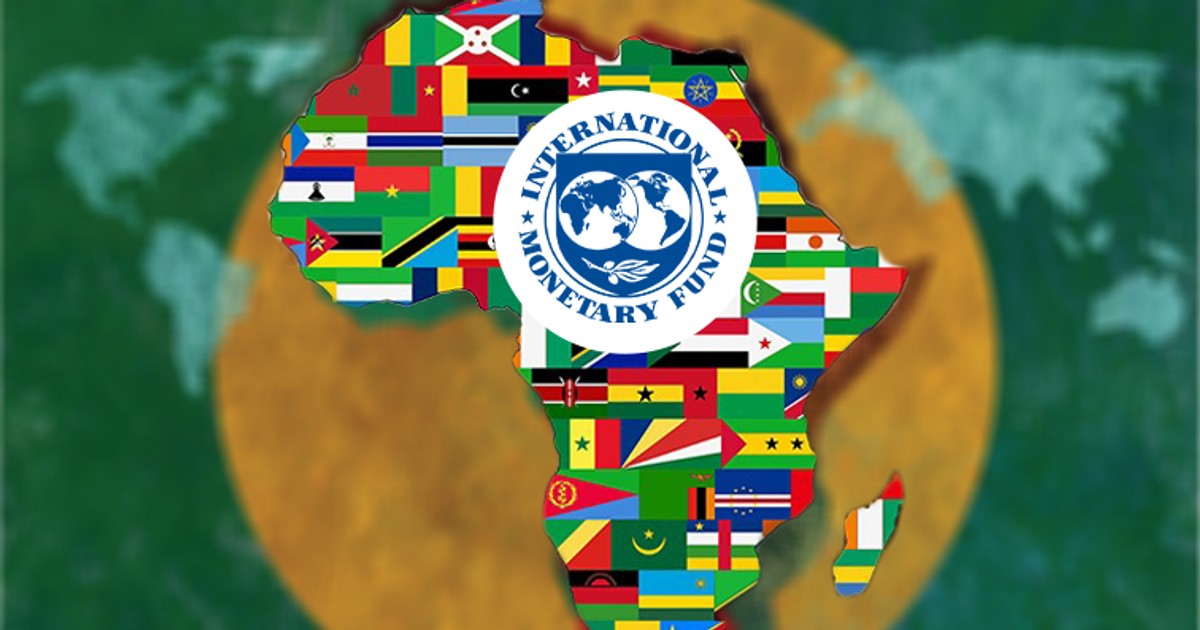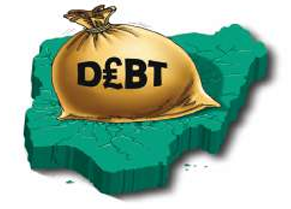
High reliance on International Monetary Fund (IMF) debt has become a recurring feature in some African economies.
While IMF programs frequently provide short-term financial stability, they can also create long-term structural and fiscal challenges when debt levels become excessive or prolonged.
One of the most direct consequences of excessive IMF debt is restricted budgetary flexibility.
Countries participating in IMF programmes are often expected to undergo stringent austerity measures, such as budget cutbacks, tax changes, and subsidy reductions.
Despite the fact that these measures are intended to restore macroeconomic stability, they may limit governments' capacity to spend in important areas such as healthcare, education, and infrastructure.