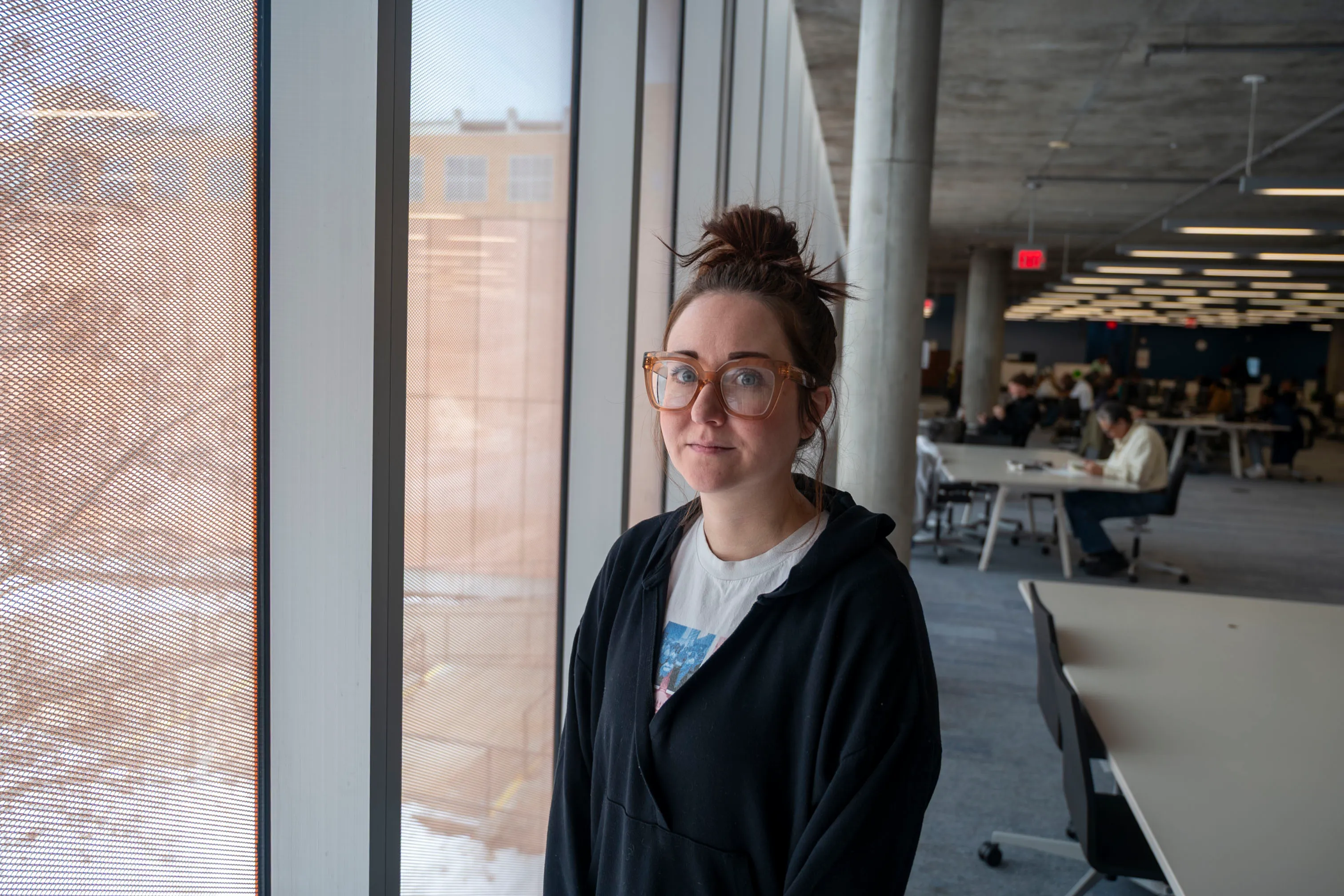
The cancer diagnosis came as a shock, disrupting Morgan Newman’s plans for launching her life. It was 2015, and she was working as a dental assistant in Des Moines, Iowa, while studying to become a social worker.
After an abnormal result on her Pap smear, her doctor brought her back in to check the tissue for signs of cancer. Newman wasn’t that concerned at first. She was only 24 years old.
“I didn’t think anything of it,” she said. Friends had received abnormal results, she recalled, “and they turned out to be OK.”
But during the follow-up examination, she started bleeding so heavily that the doctor stopped the exam and immediately referred her to a gynecologic oncologist. Newman soon learned she had cervical cancer. She had just moved into her own apartment for the first time.
An increasing number of Americans are getting — and surviving — cancer. There were more than 18 million cancer survivors in the U.S. in 2025, and the National Cancer Institute estimates that number will grow to 22 million by 2035. But long after completing treatment, many survivors face lingering mental health challenges that go unaddressed.