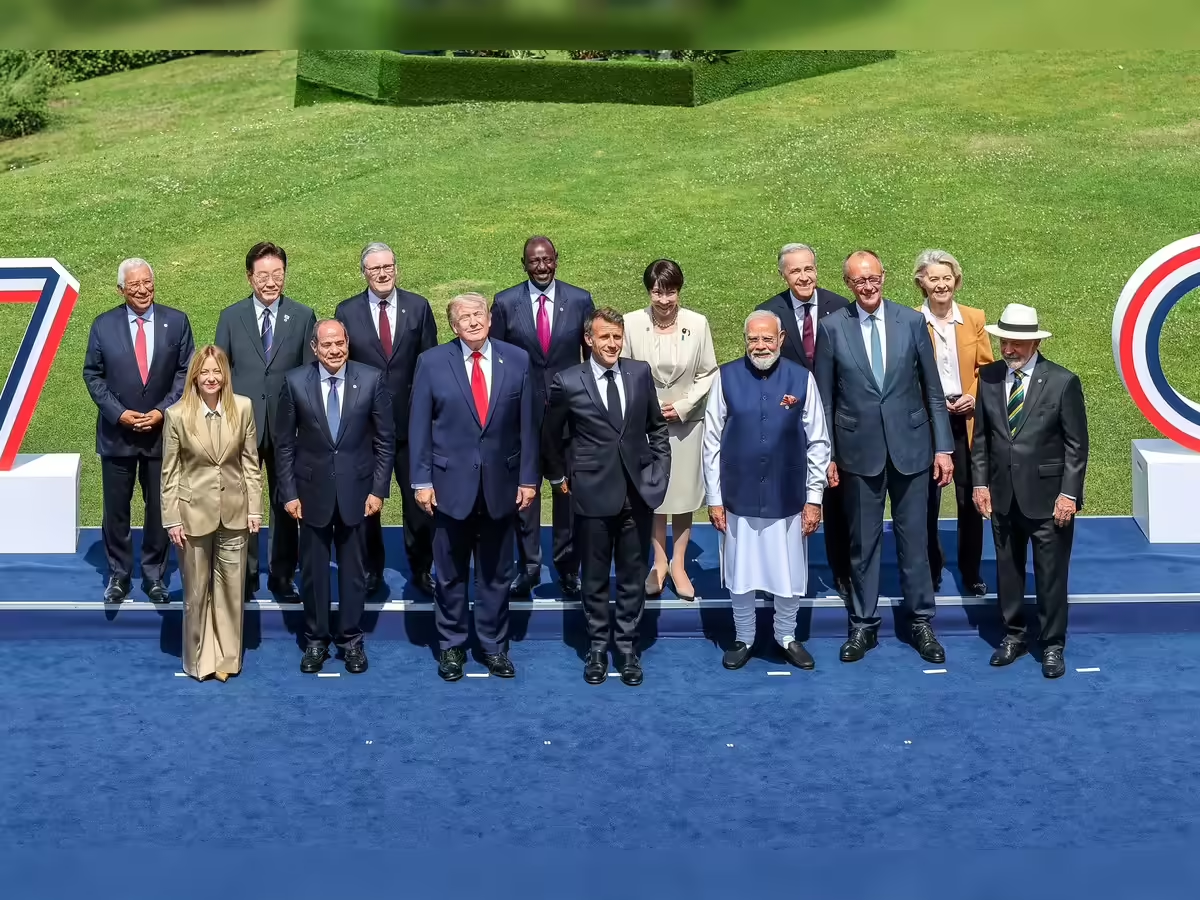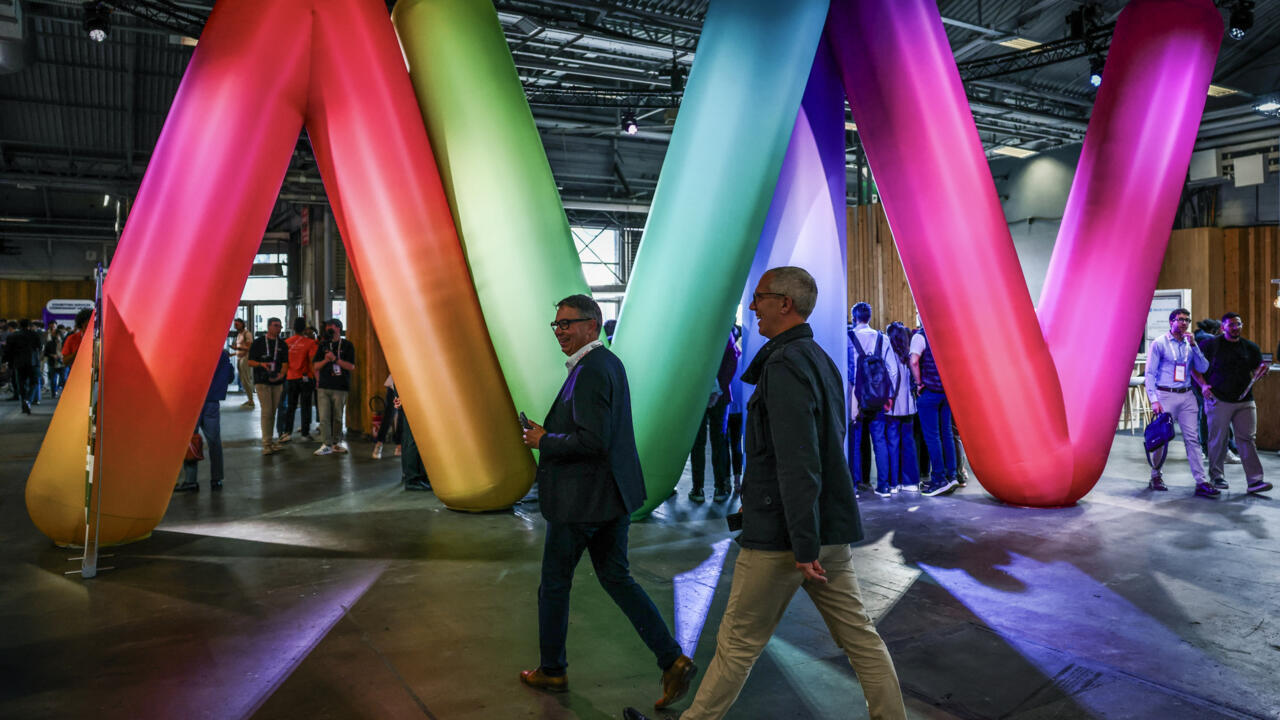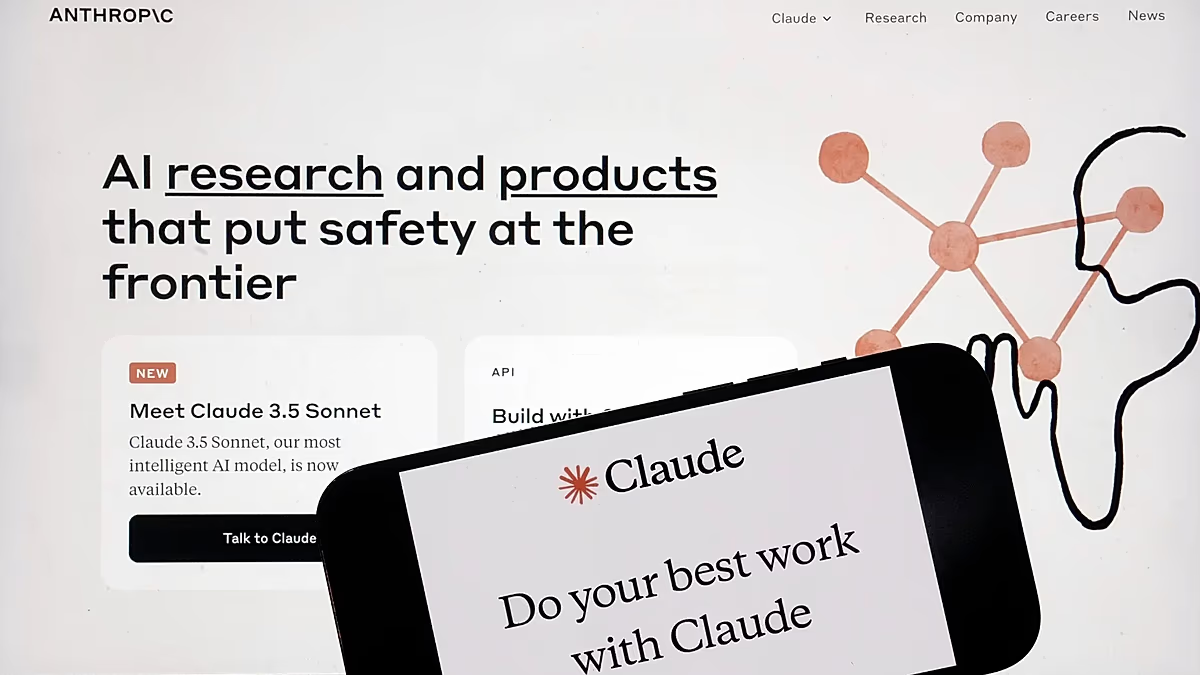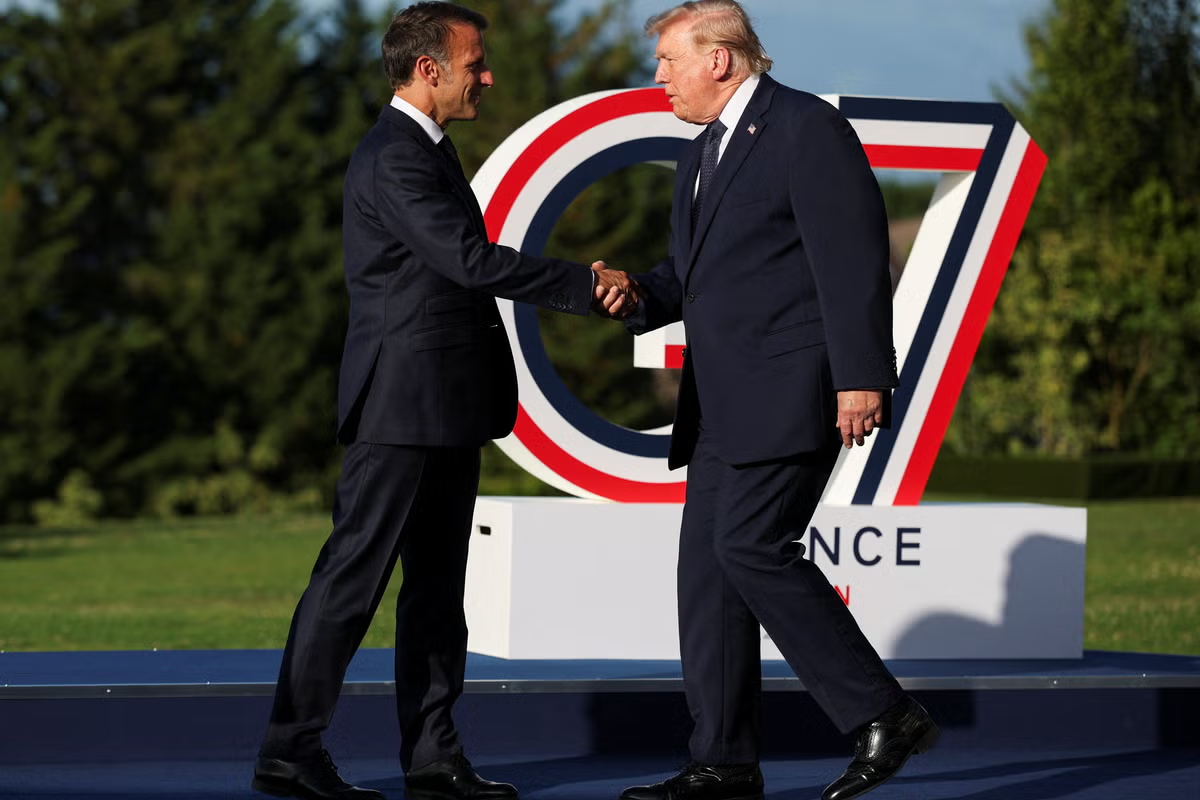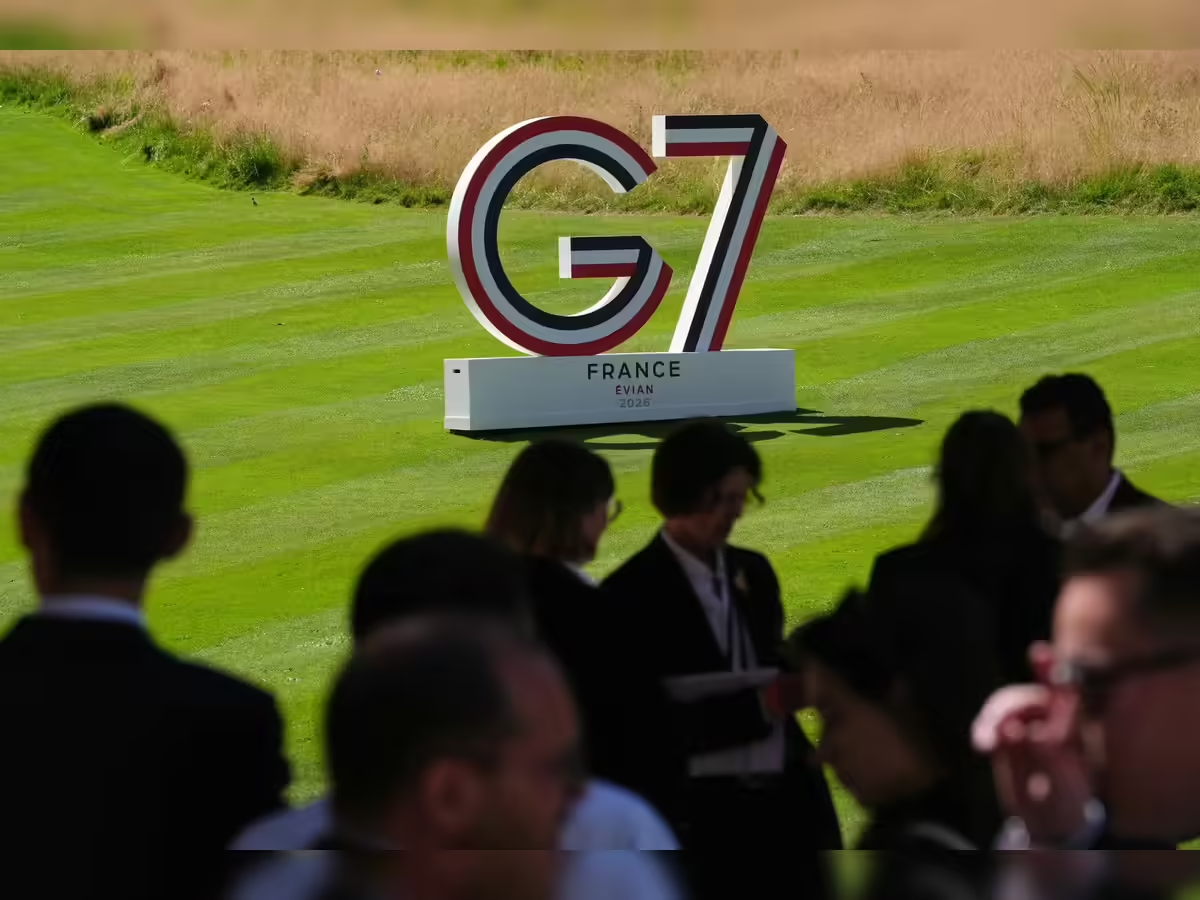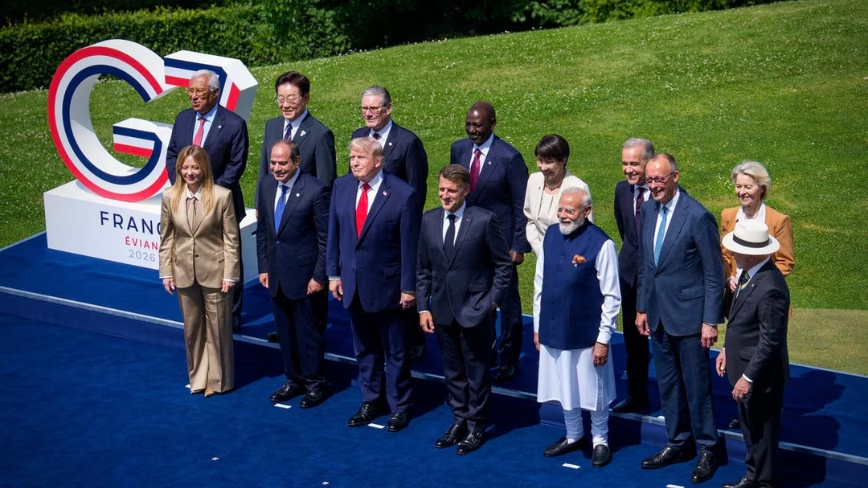
The timing was almost too neat. Days before more than 180,000 people were due to file into VivaTech in Paris, and before G7 leaders sat down at the lakeside resort of Evian-les-Bains, the United States tightened access to Anthropic’s most advanced models for foreign nationals.
Europe arrived at its own party having just been reminded, again, that the tools its companies depend on can be switched off by a decision taken in Washington.
Technological sovereignty was always going to dominate both gatherings. It now dominates them with an edge. Policymakers and executives spent the run-up fretting, in the careful phrasing of the week, about American AI and the scarcity of credible European alternatives.
The fretting is not new, but what is new is the demonstration that the dependency is not theoretical. When the US ordered Anthropic to bar foreign nationals from its top systems, the company found the restriction impractical to enforce selectively on a shared cloud and switched the models off for everyone, worldwide, including the European users who had nothing to do with the order.
Europe’s answer, such as it is, has a name attached to it more often than any other. Mistral has become the company most cited inside the EU’s sovereignty framing, by the French government that champions it and by the critics elsewhere in the bloc who think one national champion is a thin basis for a continental strategy.