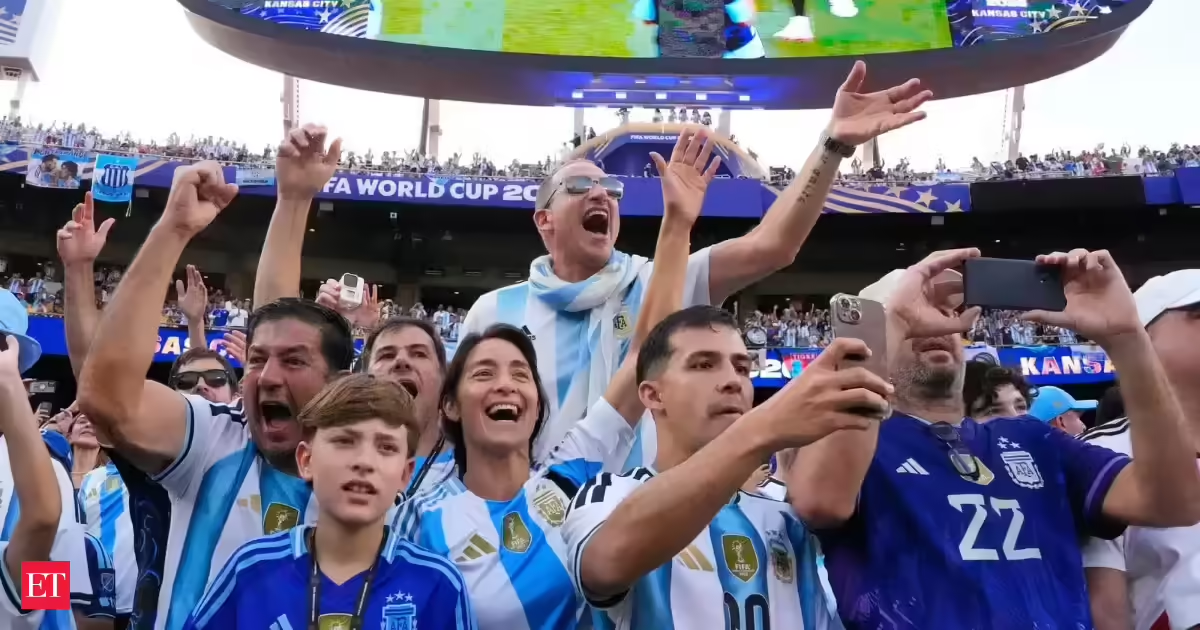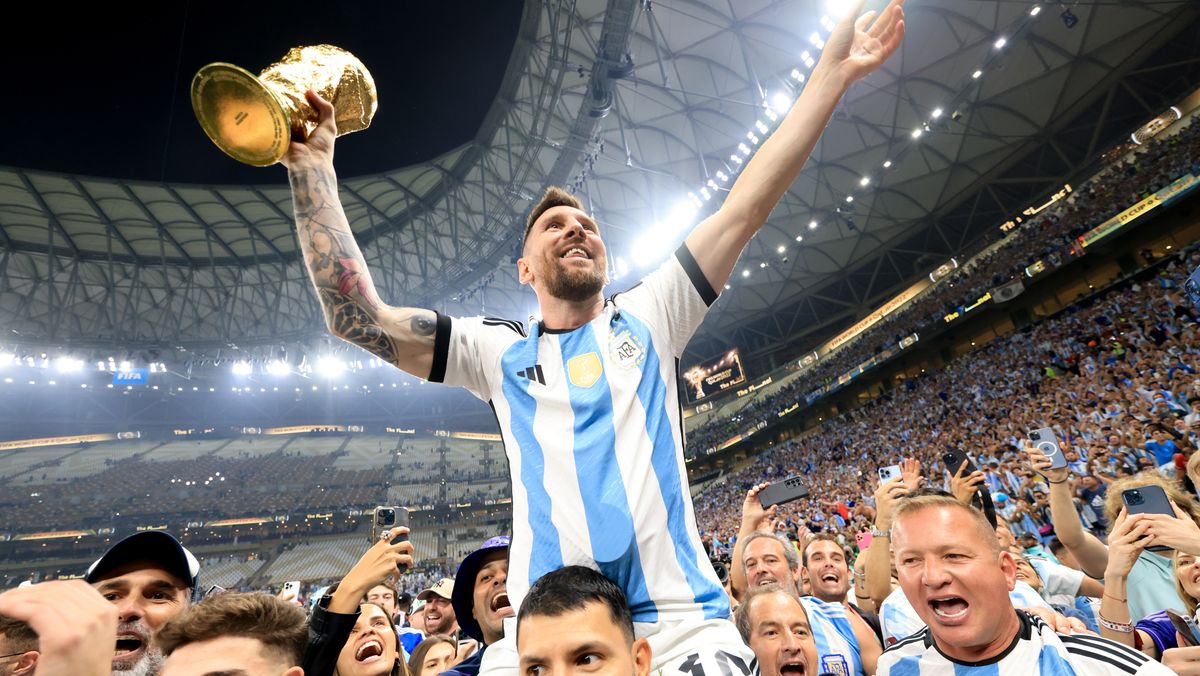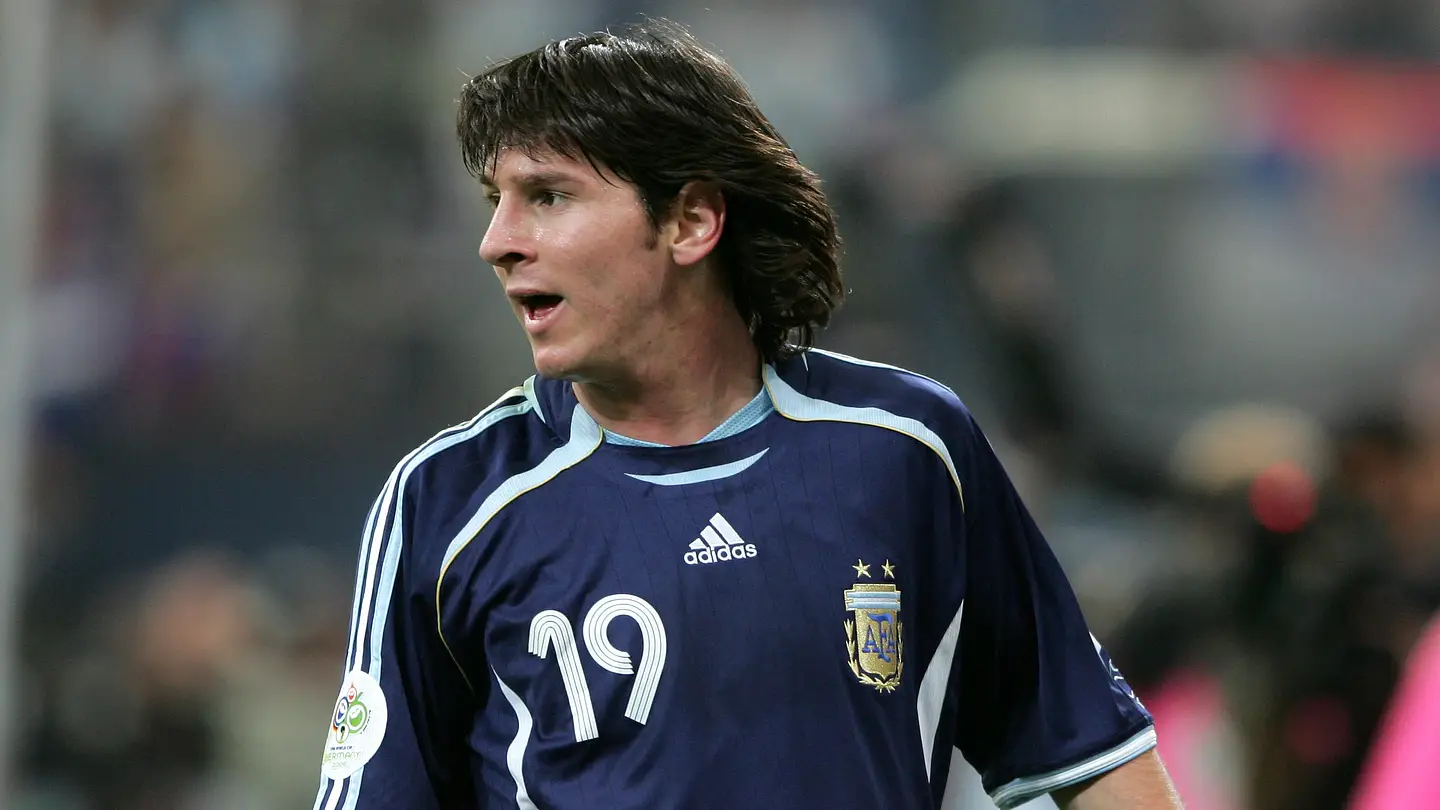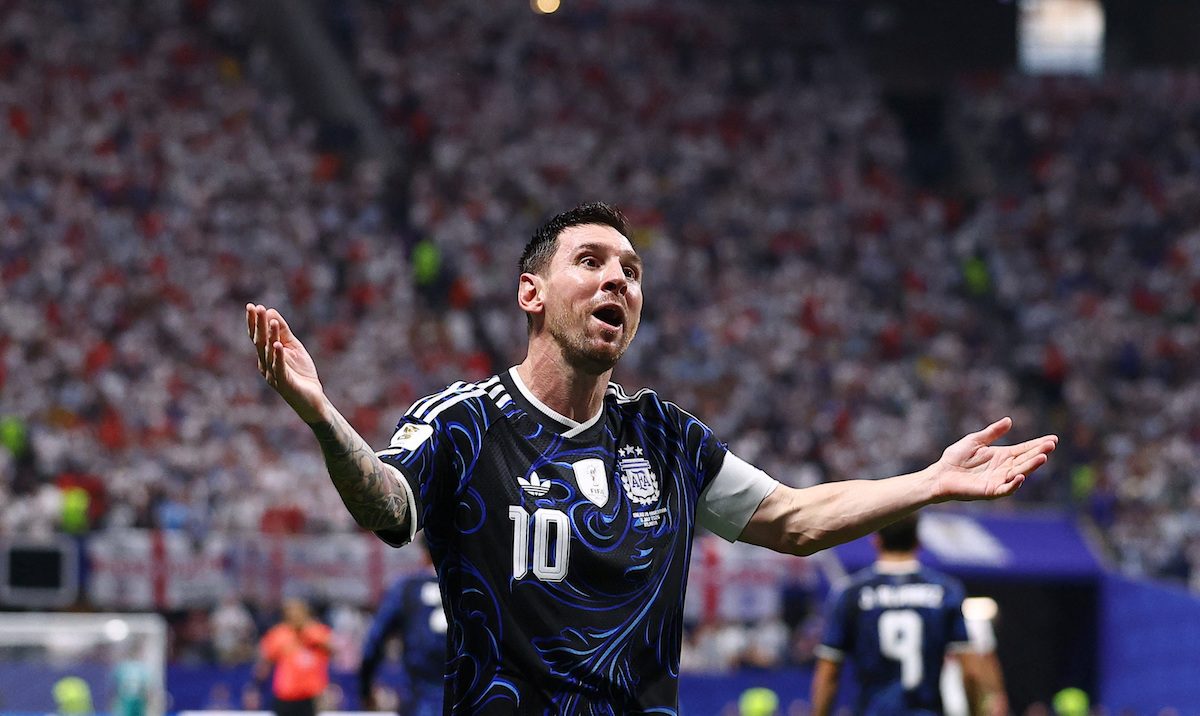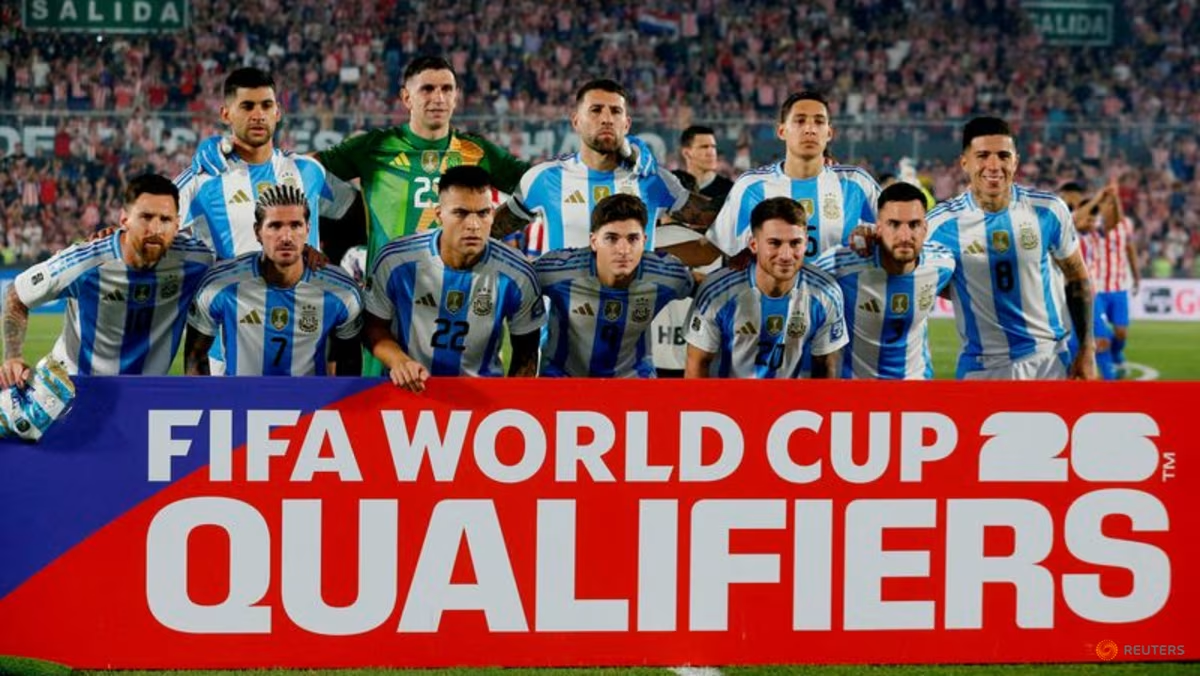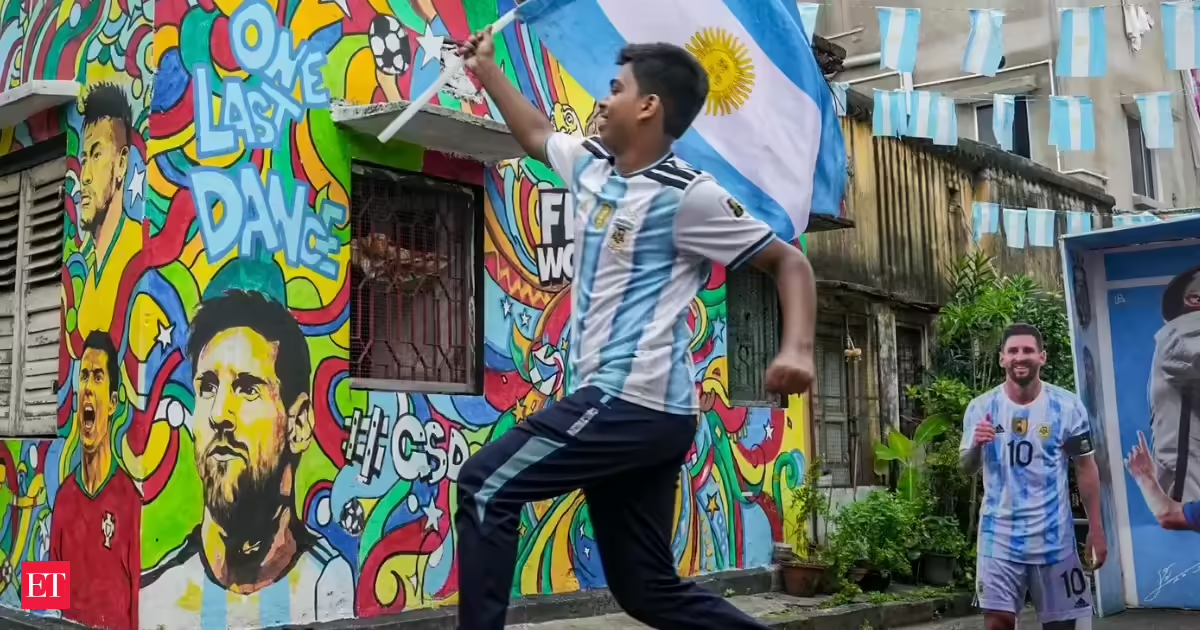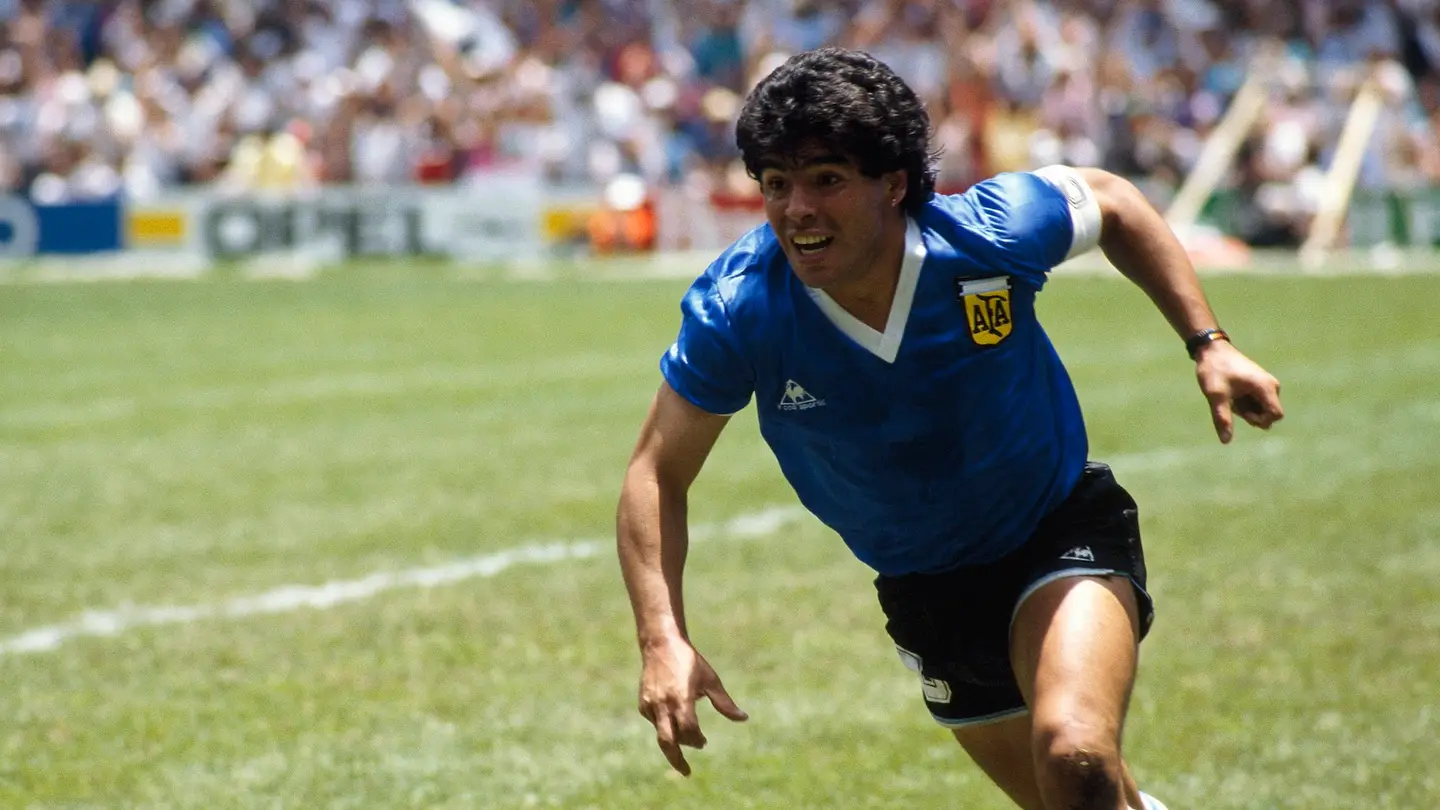
Few nations have had a greater impact on the FIFA World Cup—or on soccer as a whole—than Argentina.One of the game’s earliest pioneers, and the first country outside the United Kingdom to establish an organized league, La Albiceleste are three-time world champions, lifting the trophy in 1978, 1986 and, most recently, 2022.Yet Argentina’s World Cup story is about far more than silverware. It is the nation that gave the world two of the greatest players ever to grace the game: the brilliant yet dichotomic Diego Armando Maradona and the incomparable Lionel Messi. Both have left an indelible mark on the tournament and helped shape its history.Condensing Argentina’s World Cup journey into just five moments is no easy task. There are countless contenders—from Esteban Cambiasso finishing off a stunning 25-pass team move in 2006 to Diego Simeone’s gamesmanship helping spark David Beckham’s infamous red card in 1998.Still, we’ve given it our best shot. So, without further ado, here are the five moments—not broad tournament triumphs, but the individual incidents, images and flashes of brilliance that came to define them—that best encapsulate Argentina’s World Cup legacy, in chronological order.1. Stábile Hits the Crossbar (1930)Guillermo Stábile was Argentina's first star. | Staff/AFP/Getty ImagesArgentina made it all the way to the final of the inaugural World Cup in 1930—and came within a whisker of glory.Trailing hosts Uruguay 3–2 heading into the final quarter of the match, La Albiceleste’s star striker Guillermo Stábile—who had already scored in the game and finished as the tournament’s top scorer—crashed a shot against the crossbar. Had it gone in, Argentina would have been level, and the momentum may well have swung back in its favour.Instead, Uruguay struck again late on through Héctor Castro—remarkably, a player with only one arm—to seal the title.For Argentina, the defeat, and particularly Stábile’s near miss, felt symbolic. It set the tone for much of the next half-century: a nation blessed with talent and star power, but one that too often fell just short when the biggest moments arrived.2. A New Dawn (1974)In some ways, Cruyff changed Argentine soccer forever. | STF/AFP/Getty ImagesThe 1974 World Cup proved a hugely disappointing one for Argentina.Though Vladislao Cap’s side reached the second group stage—the equivalent of today’s quarterfinals—it unravelled from there, losing to both the Netherlands and Brazil while drawing with East Germany to exit the tournament with a whimper.The defeat to the Dutch was particularly significant.Led by the legendary Johan Cruyff, the Netherlands and its revolutionary brand of Total Football was widely regarded as the best side in the world, and it completely outclassed Argentina, winning 4–0 thanks to a brace from Cruyff, and goals from Johnny Rep and Ruud Krol.That humbling defeat would ultimately prove transformative.In its aftermath, David Bracuto was appointed president of the Argentine Football Association (AFA), while César Luis Menotti was handed the head coach role. Menotti accepted under several conditions, including a demand that Argentine players under the age of 25 should not be sold abroad.Those decisions marked the beginning of a new era—one that would soon change Argentina’s World Cup fortunes forever.3. Menotti Omits Maradona (1978)César Luis Menotti faced widespread criticism for omitting Maradona. | Getty ImagesA great manager should never be afraid to make tough decisions, no matter how unpopular—and that’s exactly what César Luis Menotti did ahead of Argentina’s home World Cup in 1978.Despite being the man who handed a teenage Diego Maradona his international debut, Menotti made the controversial decision to leave the future superstar out of his 1978 roster. Fans and media were furious, but the manager felt the 17-year-old was not yet ready for the pressure of a World Cup on home soil.Instead, Menotti placed his faith in experience. No player in the squad was younger than 22, with the majority in their mid-to-late twenties or older.Any doubts over Maradona’s omission were quickly silenced. Argentina went on to win the World Cup for the first time, powered by a formidable attack. Mario Kempes scored six goals—including two in the final—to finish as the tournament’s top scorer, while Leopoldo Luque, Daniel Bertoni and René Houseman all played key roles in the triumph.Whether Maradona would have made Argentina even stronger is impossible to know. What is certain is that Menotti trusted his judgement, ignored the noise and delivered the ultimate prize.The lesson? Sometimes the manager really does know best.4. God Given Gifts (1986)The “Hand of God” is one of the World Cup's most-iconic, and controversial, moments ever. | IMAGO/Sven SimonOf course, Menotti wasn’t saying Maradona wasn’t good enough—just not ready. By 1986, however, under the management of Carlos Bilardo, the little magician would have his moment—and then some.The star of the World Cup that year, Maradona scored five times en route to victory (and notched five assists), routinely making defenders look second-rate with his silky touch and low center of gravity that made him almost impossible to stop.Although he provided the assist for the winning goal in the final as Argentina beat West Germany 3–2, it was—of course—his exploits against England that were the most important, controversial and unforgettable contributions of all.In that same game, Maradona produced two of the most iconic moments in World Cup history. The first was his infamous handball, deliberately punching the ball into the net ahead of England goalkeeper Peter Shilton. Maradona would later openly admit the act, dubbing it the “la mano de Dios”—the “Hand of God.”Just four minutes later, he then scored a legitimate goal—and not just any goal, but the “Goal of the Century”—dribbling nearly the entire length of the pitch, weaving past most of the England team before finishing coolly into the net as the world, his teammates and England itself looked on in disbelief.One goal came from the Hand of God, the other from the feet of a soccer deity—and together they changed World Cup history forever.5. Martinez’s Last-Gasp Save (2022)Martinez was the hero in 2022. | Buda Mendes/Getty ImagesThere was no doubt that Lionel Messi was the star of the 2022 World Cup as Argentina won it for the third time—with the world’s greatest-ever soccer player finally conquering the biggest stage after years of heartbreak, often shaped by an inferior roster around him.But while Messi ultimately led them to glory with seven goals, including two in the final, the outcome of that match could have looked very different without the man at the other end of the pitch—Emiliano Martínez.Not only did he save Kingsley Coman’s penalty in the shootout, then lean into his famous mind games ahead of Aurélien Tchouaméni’s miss, he also produced one of the most remarkable and decisive moments in Argentina’s history late in extra time.In the 123rd minute, with seconds of extra time remaining, France’s Randal Kolo Muani raced through on goal with only Martínez to beat. The striker unleashed a fierce shot that seemed destined for the net—and to secure World Cup victory—but Martínez had other ideas, spreading himself super wide as his shin blocked the ball and sent it wide, forcing the final into penalties.The rest, of course, is history—including Martínez’s infamous celebration after the match, which needs no further explanation. But after those heroics, it’s one that Argentina fans are more than happy to forgive.READ THE LATEST WORLD CUP NEWS, PREVIEWS & ANALYSIS HEREAdd us as a preferred source on GoogleFollow
Argentina in the World Cup: 5 Moments That Defined a Nation
Few nations have had a greater impact on the FIFA World Cup—or on soccer as a whole—than Argentina. One of the game’s earliest pioneers, and the first country o
1,211 words~6 min read